Using Gamification to Enhance the Flipped Classroom Experience
18 January 2026
Let’s admit it—we’ve all sat in a classroom at some point, eyes glazing over, struggling to stay focused while the teacher talks endlessly. Now imagine flipping that scenario on its head. Instead of lectures in class and homework at home, students study key concepts on their own time (through videos, readings, etc.), then come to class ready to engage, collaborate, and apply what they’ve learned.
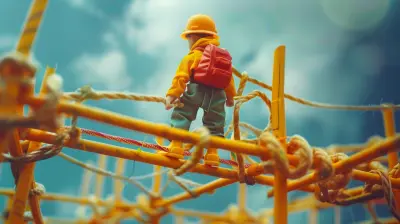
That’s the beauty of the flipped classroom. But here’s the thing—just flipping the work doesn’t automatically make learning exciting. That’s where gamification steps in, like a superhero with a backpack full of points, badges, and leaderboards.
So, how can gamification actually enhance the flipped classroom experience? Let’s dive into that world and see what happens when learning feels a little more like play.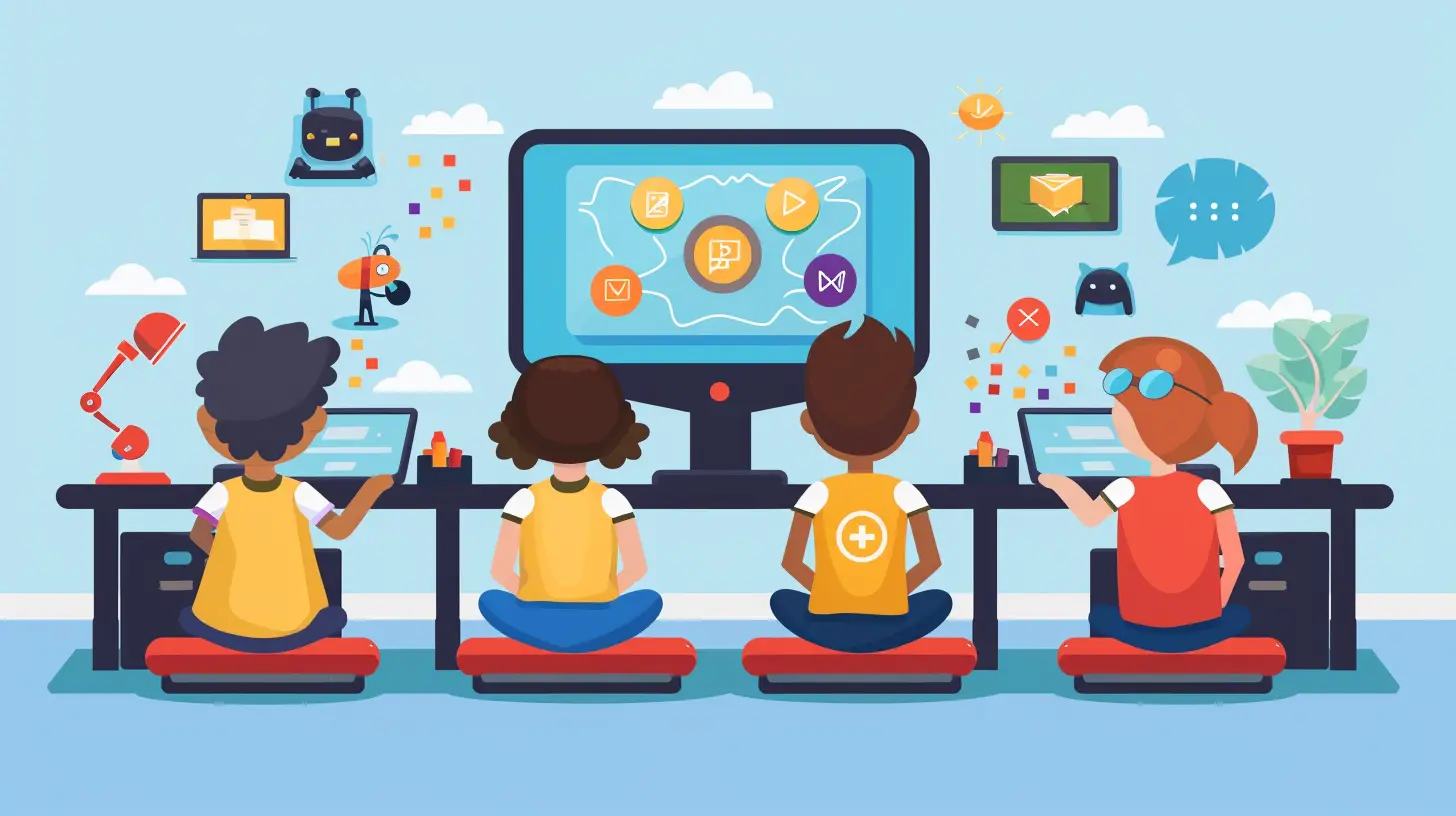
What Is a Flipped Classroom, Anyway?
Before we jump into gamification, let’s make sure we’re on the same page with the flipped classroom concept.In a traditional classroom, the teacher lectures during class time and students do assignments at home. The flipped model turns that around: students learn new content at home, often via online videos or digital resources, and then use class time for discussions, group projects, problem-solving, and hands-on activities.
Sounds neat, right? It gives students ownership of their learning and frees up classroom time for deeper engagement. But here's the kicker—not all students come to class fully prepared. Some lack motivation. Others may not quite understand the material on their own. That’s where gamification can work magic.
What Is Gamification in Education?
Gamification means taking elements of game design—like scoring points, earning badges, leveling up, and completing missions—and applying them to non-game environments, like learning.Ever played Duolingo? You earn streaks and points for completing language lessons. That’s gamification. It taps into our innate love for achievement, competition, and progress.
When used in education, gamification can ignite motivation, increase participation, and make the whole learning process feel more enjoyable. Especially in a flipped classroom, where students need a little extra nudge to stay engaged outside traditional lesson time.
Why Gamify the Flipped Classroom?
Honestly? Because life is already full of distractions. Netflix, social media, video games—students live in a world that captures their attention 24/7. If we're going to compete with all of that, learning can't be boring.Here are a few real reasons gamification is a perfect match for the flipped classroom:
1. Boosts Motivation
Gamification gives students a reason to care. Instead of passively watching a video or reading a chapter, they now have goals to reach, levels to unlock, or quests to complete. There’s a clear purpose—and immediate feedback.2. Encourages Active Participation
When students see rewards for their efforts (real or virtual), they feel more accountable and engaged. It’s not just “do this assignment because you should,” but “complete this mission to earn your next badge.”3. Enhances Collaboration and Healthy Competition
Leaderboards, team challenges, and group quests can turn "homework" into a fun, collaborative effort. Peer encouragement (or a bit of rivalry!) can inspire students to put in that extra effort.4. Provides Instant Feedback
Instead of waiting days for a test grade, gamified platforms can offer instant feedback. Students know right away how they’re doing and what needs work—making it easier to adjust and improve.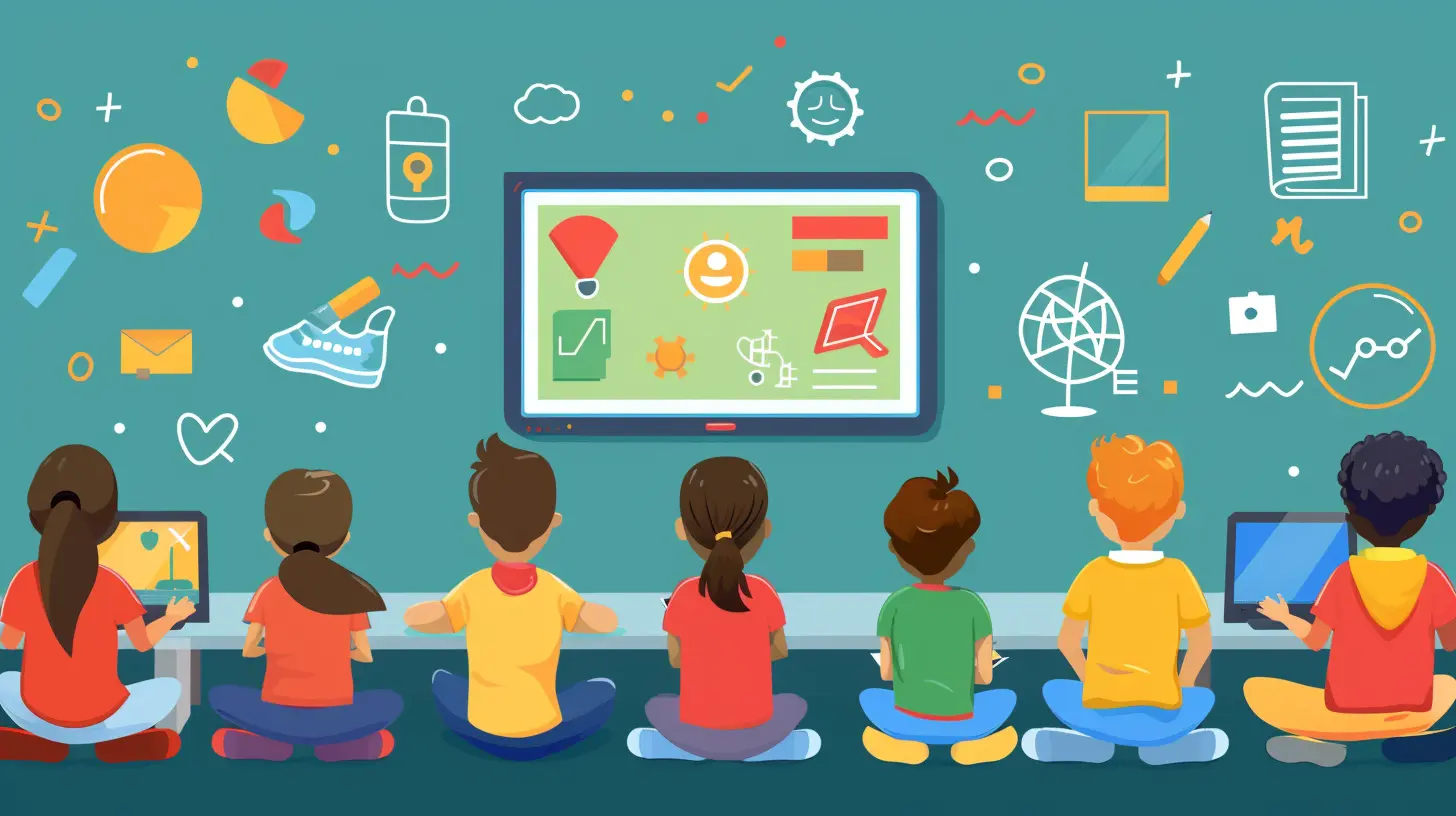
How to Integrate Gamification in a Flipped Classroom
So, how can educators actually combine gamification with the flipped model? Is it complicated? Not really.Let’s break it down into practical, easy-to-follow strategies.
🎯 1. Set Up Learning Goals as Quests
Instead of saying, “Watch this video and take notes,” say, “Your mission: Uncover the secrets of Newton’s Laws by decoding this training video and answering the 5 puzzle questions.”Framing learning as a quest makes the activity feel purposeful and fun. Students become adventurers on a learning journey—and who doesn’t want to complete a quest?
🏅 2. Use Badges and Rewards
Create a system of badges students can earn for achievements—both big and small.- “Content Master” badge for scoring 90% or above on a quiz.
- “Collaborator” badge for helping a classmate during group activities.
- “The Early Bird” badge for submitting assignments ahead of time.
These rewards aren’t just fun—they’re affirming. They tell students, “Hey, you're making real progress, and it matters.”
📈 3. Keep Score with Points and Levels
Just like in games, points can be accumulated for participation, completing videos, doing well on quizzes, or engaging in discussions. Once students reach certain thresholds, they level up.Maybe every student starts as a “Novice Navigator” and can rise to “Learning Legend.” Silly? Sure. But it works. It taps into intrinsic motivation and progression.
🧩 4. Design Mini-Games and Interactive Quizzes
Make sure the at-home learning isn't just passive. Use platforms like Kahoot!, Quizizz, or Edpuzzle to turn video content into interactive games. Add a timer, randomizer, or challenge mode to make it even more captivating.🤝 5. Encourage Collaboration Through Team Challenges
Create teams that “compete” in challenges like escape rooms, problem-solving races, or trivia battles based on the weekly content. The team dynamic encourages peer support and develops soft skills like communication and cooperation.🏆 6. Introduce Leaderboards (But Use with Care)
A bit of healthy competition can go a long way—but make sure it’s inclusive and not demoralizing for those lower on the board. Use things like weekly resets or show multiple leaderboards (top scorers, most improved, best collaborators) so there are many ways to shine.Tools to Gamify Your Flipped Classroom
Here are some handy tools educators can use to gamify content effectively:- Classcraft – Turns your classroom into a role-playing game where students earn points for participation and good behavior.
- Kahoot! – Popular for interactive quizzes and games, great for content reviews.
- Edpuzzle – Makes videos interactive with embedded questions and instant feedback.
- Quizlet – Great for gamified flashcards and study games.
- Duolingo for Schools – Especially useful for language teachers, includes gamified learning paths.
- GooseChase – Lets teachers create scavenger hunt-style missions that combine learning and fun.
The Emotional Impact: Gamifying with Empathy
Gamification isn’t just about competition and rewards. At its heart, it’s about connection. Students aren’t robots—they’re humans with feelings, struggles, and dreams. A gamified flipped classroom should support emotional well-being.- Celebrate Progress, Not Just Perfection
Reward effort and improvement. Let students know that growth, not flawless answers, is what counts.
- Let Students Personalize Their Learning Journeys
Offer choices. Let students pick quests that match their interests or strengths. This boosts their sense of ownership and individuality.
- Use Narratives That Inspire
Tie your gamified classroom to a story. Maybe your class is a team of scientists saving the planet, or secret agents cracking knowledge codes. Storytelling brings meaning and heart into the experience.
Real-Life Success Stories
Across the globe, educators are integrating gamification into flipped classrooms with powerful results.- A high school biology teacher in California used Classcraft to turn her entire classroom into a fantasy adventure. Test scores went way up, and reluctant learners began participating with enthusiasm.
- An English teacher in South Korea incorporated Quest-Based Learning using Google Forms and Padlet. Students had to “unlock” chapters of a novel by completing vocabulary and comprehension quests. Engagement skyrocketed.
- A math professor in Canada gamified her calculus curriculum. Students could earn points for watching explainer videos and solving “boss-level problems.” Instead of dreading math homework, students actually looked forward to it.
These are just a few examples. The point is—this stuff works.
Challenges to Be Aware Of
Let’s be real: gamification isn’t a silver bullet. There are some hurdles to consider:- Time investment: Setting up games, badges, and quests takes extra time and planning.
- Tech Access: Not all students have equal access to devices or internet outside of class.
- Over-Competitiveness: If not handled right, leaderboards can make some students feel left behind.
But with thoughtful planning and a focus on inclusivity, these challenges can be addressed.
Final Thoughts
Gamification and the flipped classroom are like peanut butter and jelly—better together. By combining the structure and creativity of games with the interactive potential of flipped learning, we can ignite a passion for learning that sticks.Students don’t want to feel like passive note-takers. They want to be explorers, problem-solvers, creators. And when we bring game-based strategies into their learning environments, we speak their language—the language of fun, challenge, and growth.
So next time you plan a lesson, ask yourself: What would this look like as a game? How can I make learning feel like an adventure?
Because when students are having fun, they're not just playing—they’re learning, growing, and preparing for a world that needs curious, engaged minds more than ever.
all images in this post were generated using AI tools
Category:
Flipped ClassroomAuthor:

Eva Barker
Discussion
rate this article
2 comments
Winter Abbott
Who knew flipping classrooms could feel like a game show? I half-expect my students to buzz in for extra points! Just remember, if they start asking for life lines, you might have gamified a bit too hard!
February 9, 2026 at 4:25 AM
Eva Barker
That sounds like a fun challenge! Finding the right balance in gamification can really boost engagement while keeping it educational. Keep up the great work!
Natasha Warren
Great insights! Integrating gamification into the flipped classroom can significantly boost engagement and motivation. By making learning interactive and fun, educators can foster a more collaborative environment that enhances student participation and understanding of the material. Keep up the innovative work!
January 18, 2026 at 12:17 PM
Eva Barker
Thank you for your thoughtful comment! I completely agree—gamification truly transforms the learning experience and fosters greater collaboration and engagement.