How Global Education Prepares Students for a Borderless Workforce
25 February 2026
Have you ever stopped to think how small the world is becoming? Today, thanks to technology and globalization, working with someone across the globe is just as easy as chatting with your next-door neighbor. And guess what? Our education systems are catching on. Global education is no longer just a fancy buzzword—it's becoming the foundation of how we prepare students for a workplace that has no borders.
In this post, we’re diving into how global education sets students up for success in a world where job markets, cultures, and communication channels are more connected than ever before. So, grab your coffee (or tea!), and let’s unpack what this all means.
What Is Global Education, Really?
Before we can get into how it prepares students, let's get clear on what global education actually is.Imagine a classroom where you're not just reading about other countries in textbooks—you’re collaborating virtually with students in Japan, debating world issues, and tackling real-life global problems. That’s global education in action. It's all about:
- Understanding global cultures and perspectives
- Building cross-border communication and collaboration skills
- Learning to tackle problems that affect the whole planet (like climate change or pandemics)
- Developing empathy, adaptability, and cultural intelligence
In short, global education helps students think beyond their own zip code and prepares them to be global citizens.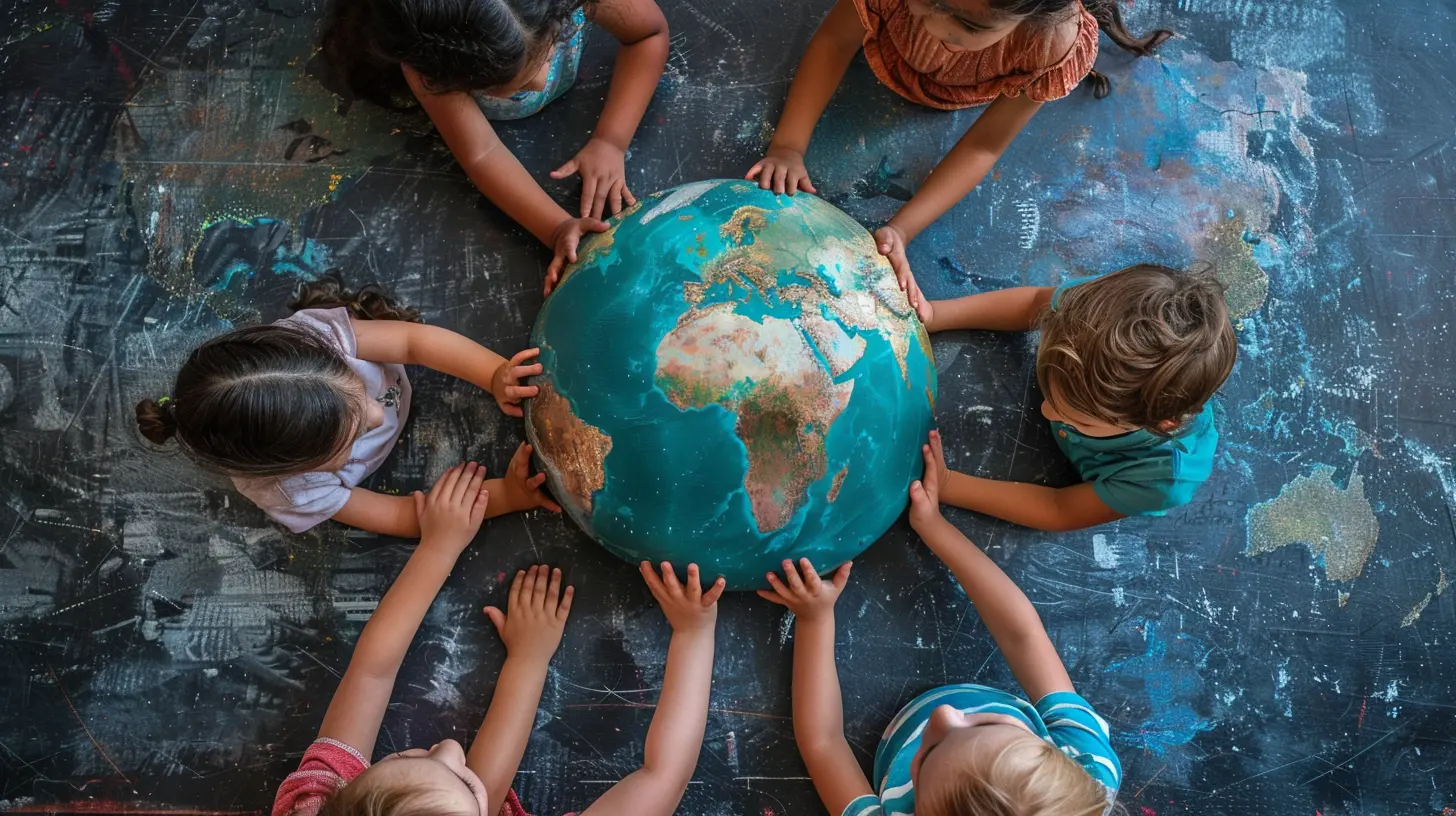
The Borderless Workforce: What Does That Even Mean?
Gone are the days when you’d graduate, land a job in your hometown, and stay there for 40 years. The modern workforce? It's digital, mobile, and global.Here are just a few ways the workforce has changed:
- Remote work is booming. You could be living in Mumbai while working for a startup in Berlin.
- International teams are the norm. From Slack to Zoom, borders don’t matter when it comes to collaboration.
- Global companies want global thinkers. Businesses are looking for folks who can connect with customers, partners, and teammates across cultures.
So, what does all this mean for students? It means they need skills that go beyond reading, writing, and arithmetic.
Key Skills Global Education Instills for a Borderless Career
Let’s break down how global education gets students ready to thrive in this ever-evolving work world.1. Cultural Fluency
Think of culture as the "operating system" of human interaction. If you're not familiar with how people in other parts of the world think, communicate, or do business, you're going to hit snags.Global education helps students:
- Understand and respect cultural nuances
- Communicate effectively in cross-cultural settings
- Avoid misunderstandings caused by cultural differences
That means fewer awkward Zoom meetings, and more productive collaboration.
2. Critical Thinking and Problem Solving
In a global setting, the problems are often big, complicated, and messy.How do you address global hunger? Or reduce your company’s carbon footprint across continents?
Global education trains students to think critically, weigh perspectives, analyze data from multiple sources, and come up with innovative solutions that have global impact. These are skills every employer is hunting for.
3. Language and Communication Skills
Let’s get real—English might be the lingua franca in many international spaces, but bilingual and multilingual students have a competitive edge. Even if you’re just learning the basics, it shows respect and effort.Global education encourages:
- Learning new languages and dialects
- Honing cross-cultural communication
- Mastering non-verbal cues and digital etiquette
All things that help eliminate confusion and build stronger global connections.
4. Tech-Savviness
Digital literacy is non-negotiable today. But global education takes it a step further. It's not just about knowing how to use apps. It's about harnessing digital tools to collaborate, research, and innovate across borders.Imagine building a robot with students from Nigeria and Germany through video calls and shared code files. That’s powerful—and entirely possible.
5. Adaptability and Resilience
The borderless workforce moves fast. Markets shift overnight. Technology evolves by the minute. One day you're working with a team in China, the next you're on a project with partners in Brazil.Global education molds students to be:
- Flexible in unfamiliar environments
- Open-minded in the face of new ideas
- Resilient when things don’t go as planned
These traits make for rockstar employees in the global workplace.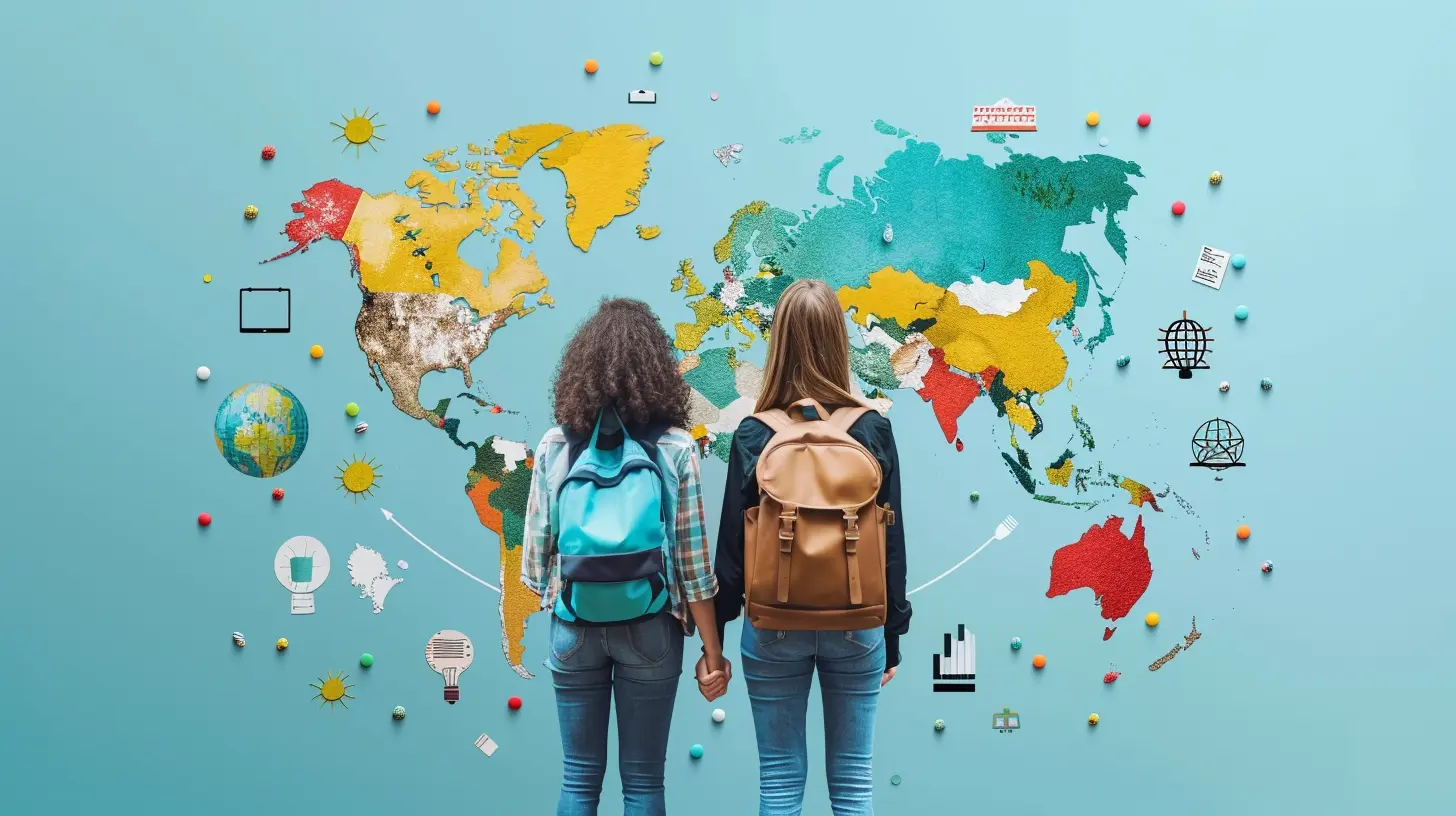
Real-World Examples of Global Education in Action
You might be wondering, "Is this just happening in elite international schools?" Not at all. Here are some real-world examples of global education prepping future professionals:- Model United Nations (MUN) events where students simulate global diplomacy and policy-making.
- Virtual exchange programs where classrooms from different countries work on joint projects.
- IB (International Baccalaureate) curriculum that incorporates global thinking and real-world issues.
- Study-abroad programs that immerse students in different cultures and ways of life.
- Online global classrooms, where students use tech tools to collaborate on science, social studies, and art projects with peers from other countries.
These experiences don't just boost resumes—they build life skills that travel with students no matter where they go.
Why Employers Love Globally Educated Candidates
Let’s flip the script for a second. Imagine you’re the one hiring. Who would you choose?- A candidate whose experience is local and limited?
- Or someone who’s navigated cultural differences, solved problems with international teams, and adapted to new environments?
Thought so.
Here’s what employers are saying they want (and what global education delivers):
- Global perspective and empathy
- Collaborative mindset
- Innovative, out-of-the-box thinking
- Strong communication across diverse groups
- Willingness to learn and grow continuously
That’s why students who’ve had global learning experiences stand out. They’re not just workers—they’re world-changers.
The Role of Schools and Universities
The good news? Educators are catching on. More schools are incorporating global themes into curriculum, investing in exchange partnerships, and using digital tools to connect classrooms worldwide.Universities are offering courses like:
- Global Business Communication
- Comparative International Law
- Environmental Politics
- Cross-Cultural Psychology
And K–12 schools are even getting kids involved through:
- Pen-pal programs
- Global history and literature courses
- Collaborative art and science projects
- International service-learning trips
It's a multi-layered effort that’s paying off.
Challenges (Because Let’s Be Real…)
All of this sounds great, right? But let’s not sugarcoat it—there are hurdles.- Access inequality: Not all students have the same opportunities to participate in global programs.
- Language barriers: Not everyone has access to language learning resources.
- Tech gaps: Poor internet or outdated devices can limit virtual collaboration.
- Curriculum overload: Some schools struggle to fit global topics into already packed curriculums.
But that doesn’t mean we give up. It just means we need policies, resources, and community support to bridge these gaps and make global education possible for more students.
How Students Can Take Advantage (Even Without Leaving Their Town)
Not everyone can travel internationally or attend a global school. But there are still plenty of ways to jump into global learning:1. Join online communities that bring together students from different countries.
2. Use language-learning apps like Duolingo or Tandem to connect with native speakers.
3. Attend virtual webinars or conferences with a global focus.
4. Read global news and keep up with international events.
5. Find e-volunteering opportunities where you can support causes abroad from home.
It’s not about where you are—it’s about how you think.
Final Thoughts: The Future Belongs to Global Thinkers
Let’s face it. The future is borderless.And that’s not some far-off idea—it's happening right now. Students today will be the leaders, creators, and problem-solvers of tomorrow. Whether they're designing climate solutions with engineers in Kenya or launching apps with coders in South Korea, one thing’s for sure:
Global education gives them the mindset and tools they need to thrive in a world where boundaries don’t define opportunity.
So, if you're a student, a parent, or an educator, it’s time to start asking: “How can we bring more global learning into everyday education?”
Because in the end, thinking globally isn’t just smart—it’s essential.
all images in this post were generated using AI tools
Category:
Global EducationAuthor:

Eva Barker
Discussion
rate this article
2 comments
Hannah Ortiz
Imagine a classroom where pencils double as passports—global education turns students into world travelers, ready to conquer a borderless workforce!
March 2, 2026 at 1:19 PM
Eva Barker
Absolutely! Global education empowers students to embrace diverse perspectives, preparing them for success in an interconnected world.
Cora Long
In a world unbound by borders, education weaves dreams; preparing minds to soar, bridging cultures—where talent knows no seams.
February 25, 2026 at 3:22 AM
Eva Barker
Absolutely, education truly connects us all. It opens doors and builds bridges that transcend borders.