Teacher and Student Roles in a Flipped Classroom: What’s Changed?
20 February 2026
The world of education is constantly evolving, and one of the biggest shifts in recent years has been the rise of the flipped classroom model. This innovative approach turns traditional learning on its head—literally. Instead of spending class time listening to lectures and doing homework later, students engage with instructional materials before class, allowing for more interactive and hands-on learning during lessons.
But with this shift comes a significant change in roles for both teachers and students. So, what exactly has changed? Let’s dive into it!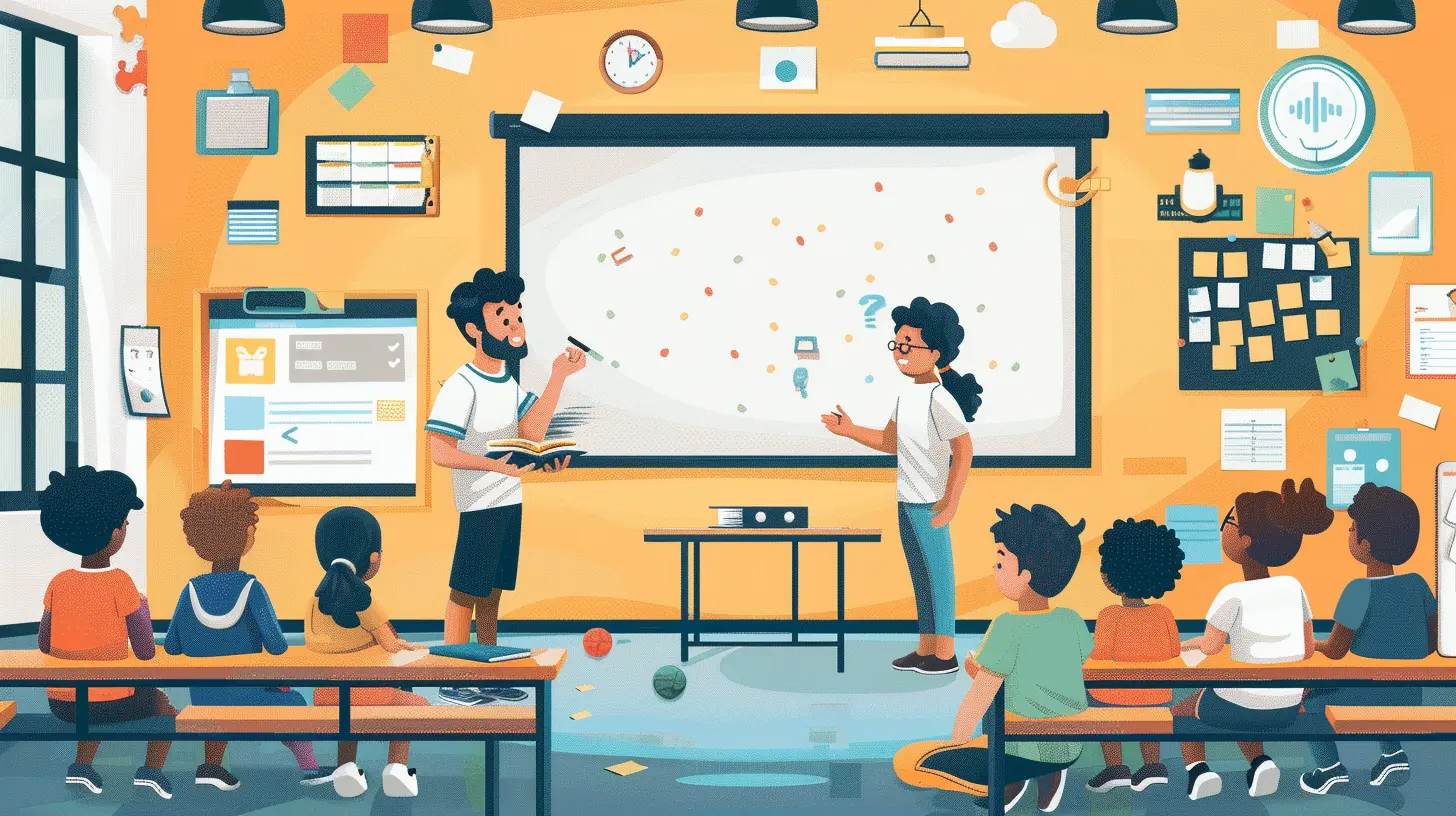
Understanding the Flipped Classroom Model
Before we break down the new roles, let's clarify what a flipped classroom actually is.In a traditional classroom, teachers stand in front of the class, deliver lectures, and assign homework to reinforce the day’s lesson. In contrast, in a flipped classroom, students watch video lectures, read materials, or complete other preparatory work before coming to class. Then, class time is dedicated to discussions, problem-solving, and collaborative activities.
This technique leverages technology, promotes active learning, and shifts the focus from passive listening to engaged participation.
The Role of Teachers in a Flipped Classroom
So, what happens to the teacher in this new setup? Are they still the "sage on the stage," or has their role evolved into something different? Let’s take a closer look.1. Facilitators Instead of Lecturers
Traditional teachers are often seen as the main source of knowledge—lecturing from the front while students take notes. In a flipped classroom, this dynamic changes. Teachers act more as guides or facilitators rather than just deliverers of information.Since students come to class with prior knowledge, the teacher's role shifts to helping them apply what they’ve learned through assignments, discussions, and problem-solving activities.
2. Designers of Engaging Pre-Class Content
Flipping the classroom requires teachers to curate or create high-quality instructional materials that students can access outside of school. These might include:- Video lectures
- Interactive presentations
- Podcasts
- Readings and case studies
This means teachers need to be content creators as well as educators, ensuring that the materials are engaging, informative, and easily digestible.
3. Personalized Support for Students
Without the need to spend class time lecturing, teachers can focus more on individual students. This allows them to identify where students are struggling and offer targeted guidance.Instead of a one-size-fits-all lecture, class time becomes adaptive—teachers can answer questions, provide feedback, and help students where they need it most.
4. Encouraging Collaboration and Critical Thinking
Since face-to-face class time is no longer used for passive note-taking, teachers need to structure activities that encourage deeper learning. This might involve:- Group discussions
- Problem-solving activities
- Debates and peer teaching
- Project-based learning
Essentially, teachers set the stage for inquiry and exploration rather than just delivering content.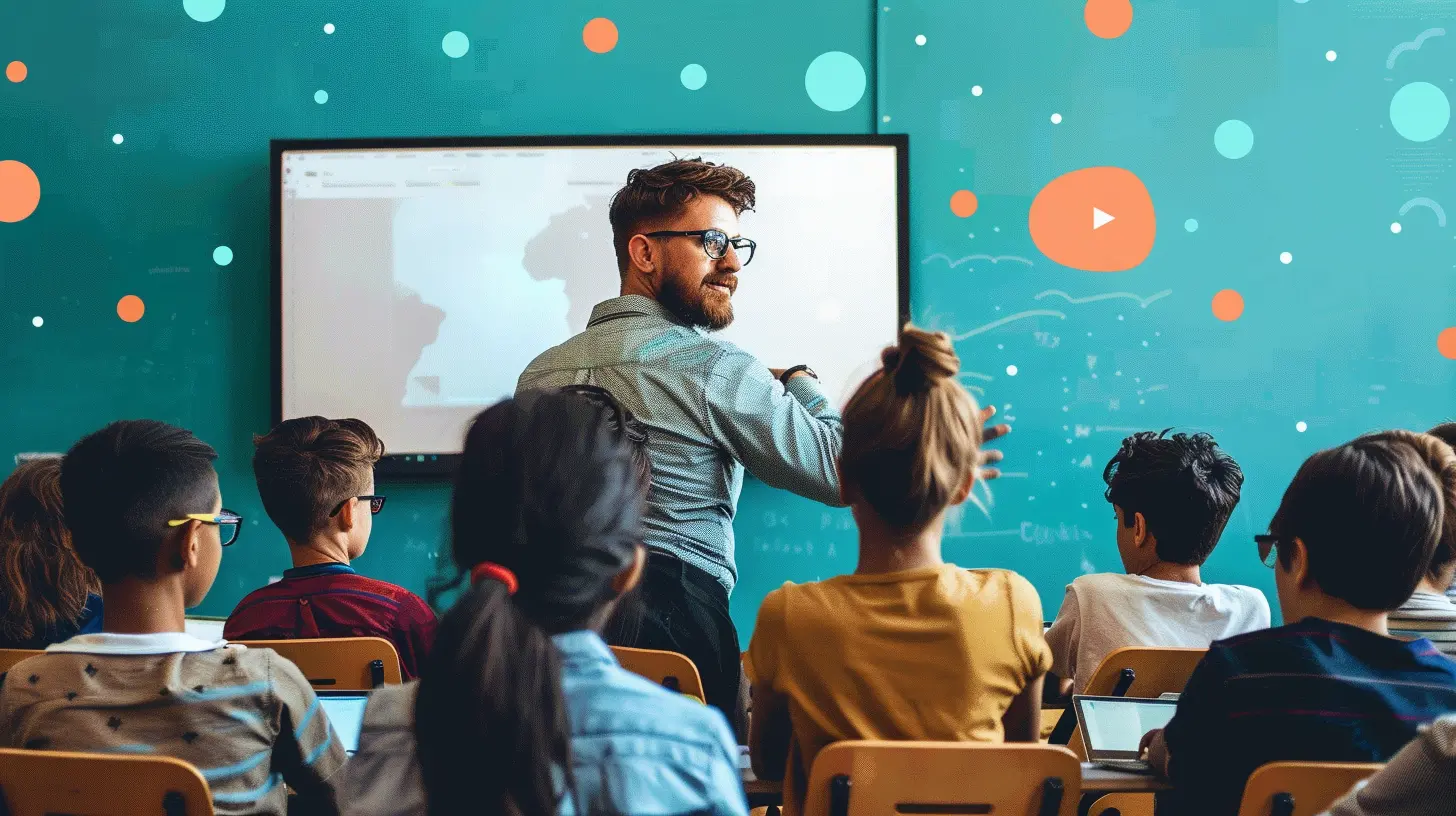
The Role of Students in a Flipped Classroom
If teachers are no longer the primary knowledge source, what happens to students? Their role shifts significantly, making them more accountable for their own learning.1. Active Learners Instead of Passive Listeners
In traditional settings, students often sit through lectures, sometimes zoning out and later struggling through their homework. In a flipped classroom, they are expected to engage with materials before class, which means taking initiative and responsibility.This approach forces students to think critically, rather than just absorbing facts. They come to class ready to ask questions, debate ideas, and apply concepts.
2. Independent and Self-Paced Learning
Since pre-class work often includes videos or digital content, students learn at their own pace. They can pause, rewind, or rewatch lessons—something they can’t do in a live lecture. This empowers students to take control of their learning process.For those who struggle with a topic, the ability to revisit materials can be a game-changer. Meanwhile, advanced students can move ahead at their own speed.
3. Stronger Collaboration and Peer Interaction
Classroom time in a flipped model often means more collaborative work. Students engage in group problem-solving, discussions, and hands-on activities, which makes learning more engaging and effective.Peer learning also plays a bigger role—students teach and learn from each other, reinforcing their understanding of the subject.
4. Accountability and Time Management
Since students are responsible for reviewing lessons before class, they need to develop time management skills. There’s no teacher reminding them when to start their homework—it’s up to them to plan their study time effectively.For some, this can be a tough adjustment, but over time, it builds discipline and autonomy, skills that are essential in both higher education and the workplace.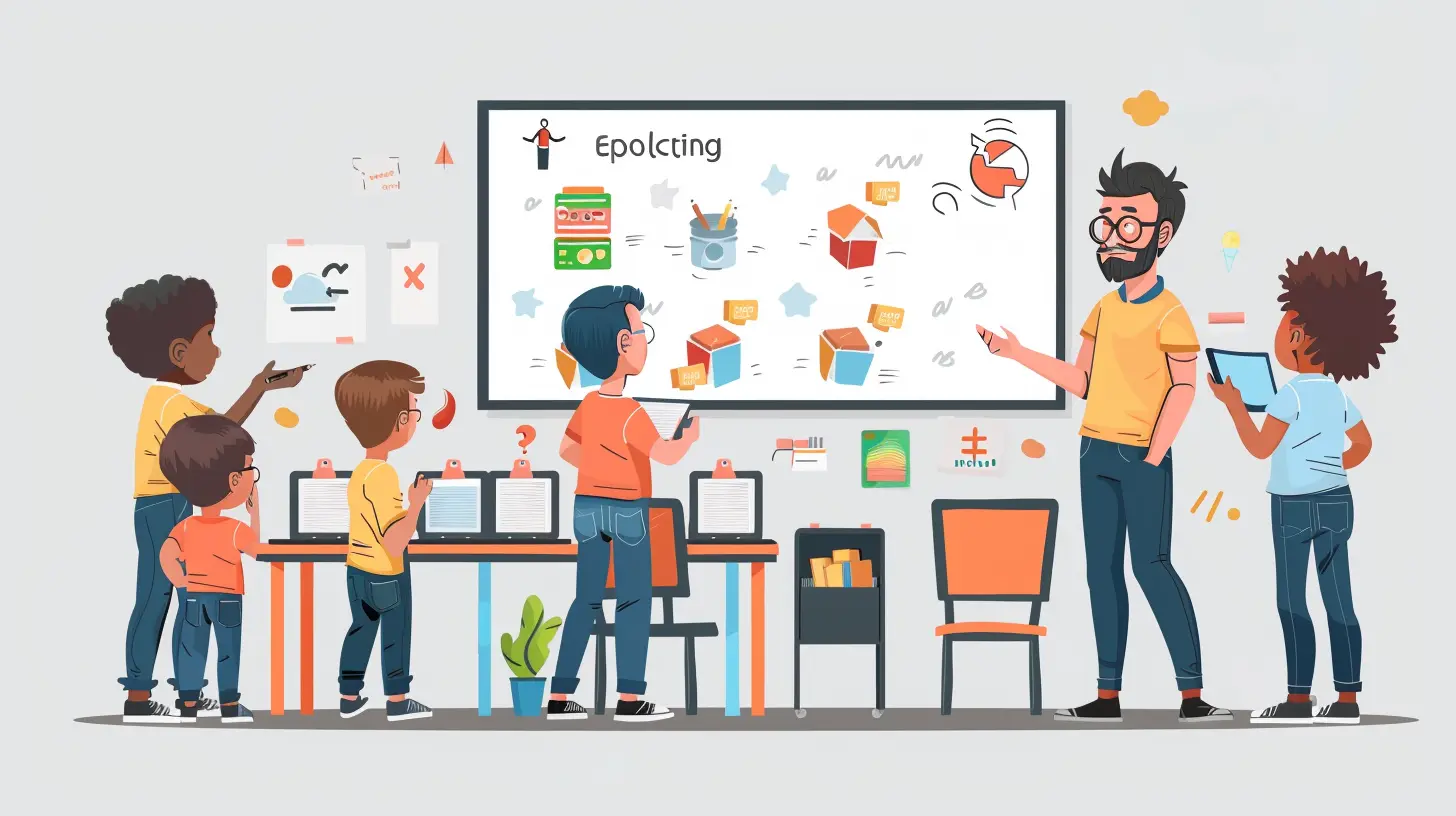
How This Shift Impacts Classroom Dynamics
With these new roles, the entire classroom dynamic changes. Students are no longer passive recipients of knowledge; they become active participants in their education.Instead of a room full of silent note-takers, classrooms become hubs of discussion, collaboration, and exploration. Teachers are no longer just lecturers but coaches, mentors, and facilitators.
This shift can lead to:
- Higher engagement levels – Since students aren't just sitting through lectures, they are more likely to be involved.
- Improved comprehension – Active learning techniques help reinforce concepts.
- Better teacher-student relationships – Teachers can interact with students more personally, providing better support.
However, this model isn’t without challenges. Some students struggle with the increased responsibility, and teachers may face a steep learning curve in creating effective pre-class content. That said, with proper guidance and gradual adaptation, the flipped classroom can transform education for the better.
Potential Challenges and How to Overcome Them
Every teaching model has its hurdles, and the flipped classroom is no exception. Here’s what educators and students might face—and how to address these issues.Challenge 1: Students Not Watching Pre-Class Content
Some students might skip the materials, making in-class discussions ineffective.Solution: Teachers can incorporate quizzes or reflection questions on pre-class content to ensure accountability.
Challenge 2: Teachers Struggling with Content Creation
Not all educators are comfortable making videos or designing digital materials.Solution: Teachers can curate existing online resources instead of creating everything from scratch. Platforms like Khan Academy, YouTube, or educational websites offer excellent resources.
Challenge 3: Resistance to Change
Students and teachers used to traditional methods may resist the shift.Solution: A gradual transition can help—starting with partial flipping before fully committing.
Final Thoughts
The flipped classroom isn’t just a trendy buzzword—it’s a meaningful shift toward student-centered learning. It requires more effort from both teachers and students, but the rewards—greater engagement, deeper understanding, and better academic outcomes—are worth it.Teachers move from being lecturers to facilitators, guiding students through inquiry and application rather than just delivering information. Meanwhile, students take the reins of their education, becoming self-directed, independent learners.
Change isn’t always easy, but in this case, it could be the key to creating a more dynamic and effective learning environment. So, are you ready to flip your classroom?
all images in this post were generated using AI tools
Category:
Flipped ClassroomAuthor:

Eva Barker
Discussion
rate this article
2 comments
Ramona Mendez
In a flipped classroom, the traditional roles of teachers and students shift significantly. Teachers become facilitators of learning, guiding students through tailored activities, while students take on more responsibility for their own education, engaging with content at their own pace. This approach fosters independence and active participation.
March 1, 2026 at 11:43 AM
Eva Barker
Thank you for your insightful comment! You’ve captured the essence of the flipped classroom beautifully, highlighting the shift towards greater student autonomy and teacher facilitation.
Kevin McCabe
This article highlights the evolving dynamics in a flipped classroom, emphasizing the shift from traditional roles. Teachers become facilitators, while students take charge of their learning. It's a refreshing approach that fosters independence and critical thinking, ultimately enhancing the educational experience for everyone involved.
February 21, 2026 at 4:27 AM
Eva Barker
Thank you for your insightful comment! I'm glad you found the article's discussion on the evolving roles in a flipped classroom valuable.