The Role of Distance Learning in Promoting Global Education Access
15 June 2026
Can you imagine a world where anyone, anywhere, can learn anything they want, without stepping out of their home? Well, welcome to the age of distance learning — where education breaks free from the traditional classroom walls and reaches out to the farthest corners of the globe! ?
In today’s digital era, distance learning doesn’t just provide convenience; it opens doors that were once tightly shut. For millions of students around the world, it’s more than a modern trend — it’s the bridge to opportunity, empowerment, and equality.
So, grab a cup of coffee (or tea ☕), get comfy, and let’s joyfully dive into how distance learning is shaking up education and making it more accessible than ever before!
? What Exactly Is Distance Learning?
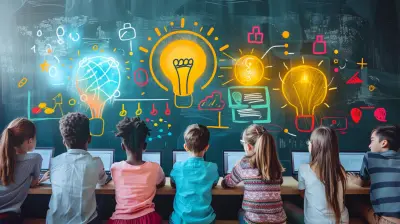
Let’s start with the basics. Distance learning, also known as online learning or remote education, is a way of learning where students and teachers don’t have to be physically present in the same place. Instead, courses are delivered through the internet, video calls, recorded lectures, apps, and sometimes even good old-fashioned email!It’s like Netflix—but for education. You get to choose what you learn, when you learn it, and from wherever you are in the world.
? Breaking Down Barriers: Why Distance Learning Matters Globally
Okay, here’s the big idea: distance learning has the power to level the playing field. Traditional education systems often favor those in urban or wealthy areas, but what happens to those living in rural, underfunded, or politically unstable regions?Yep. You guessed it — they’re left behind.
But not anymore. Distance learning swoops in like a superhero ?♀️ and bridges:
- Geographical barriers: No school nearby? No problem.
- Financial limitations: Many online programs are low-cost or even free.
- Social restrictions: Students with disabilities or caregiving responsibilities can learn on their terms.
- Political unrest: Even in conflict zones, as long as there’s internet access, learning can continue.
Simply put, distance learning is giving a megaphone to voices that were once unheard.
? How Is Technology Fueling This Revolution?
Technological advances are the secret sauce behind distance learning's success. Let's break it down:1. Internet Connectivity
Better and wider internet access means students from remote villages to small islands can now connect to top-tier education resources. And with mobile learning gaining traction, a smartphone is all you need!2. Learning Management Systems (LMS)
Platforms like Moodle, Canvas, and Google Classroom organize classes, assignments, discussions, and grading in one tidy hub.3. Video Conferencing Tools
Zoom, Microsoft Teams, and Google Meet have become household names. Live lectures or interactive sessions — they make learning personal again.4. AI & Machine Learning
AI tailors content based on a learner’s pace and preferences. It’s like having a private tutor in your pocket!5. Gamified Learning
Apps like Duolingo and Khan Academy use fun quizzes and points to keep you hooked. Learning has never been so entertaining.
? Empowering Learners of All Ages
Education isn’t just for kids. Adults eager for a career change or lifelong learners chasing their passion also benefit hugely from online education.- Working professionals can upskill without quitting their jobs.
- Parents can study in the wee hours after bedtime stories.
- Retirees can finally dive into topics they’ve longed to explore.
It’s never too late, and distance learning makes that statement truer than ever.
? Real-World Examples: Distance Learning in Action
Let’s look at some inspiring ways distance learning is changing lives:? Africa: Closing the Education Gap
In Sub-Saharan Africa, where teacher shortages are a common problem, e-learning programs are stepping in. Initiatives like Eneza Education offer mobile-based lessons so kids with basic phones can study math and science.? India: Reaching Rural Villages
India’s SWAYAM platform offers free online courses from prestigious universities. It’s bringing the Ivy League experience to village doorsteps.? Latin America: Learning Despite the Odds
Amid political and economic challenges, distance learning has kept hope alive. Many schools now run hybrid systems to stay connected with students.These stories show that distance learning isn't a one-size-fits-all model — it adapts and thrives wherever it's needed most.
? Benefits of Distance Learning (That Go Beyond Convenience)
Sure, it’s amazing to study in pajamas. But the perks of distance ed go way deeper:? Cost-Effective
No commute, no campus fees, no overpriced textbooks. Online education slashes expenses and makes higher education more affordable.⏰ Flexible Scheduling
Night owl or early bird, you can tailor your learning schedule around your life, not the other way around.? Global Access
Imagine attending a Harvard class from your living room in Nairobi or Madrid. Distance learning makes that happen.?? More Learning Options
From coding bootcamps to medieval history courses, there’s a wild variety of subjects just a click away.? Environmentally Friendly
No travel = reduced carbon footprint. Learning online is kind to the planet.? But Wait—What Are the Challenges?
As amazing as it is, distance learning isn’t perfect. Let’s keep it real.? Tech Access and Literacy
Not everyone has a laptop, stable internet, or the digital skills to navigate platforms. This digital divide still needs serious attention.? Motivation and Discipline
Without a teacher hovering over your shoulder, staying focused can be tough. It takes real grit and time-management skills.??? Lack of Social Interaction
Let’s face it, sometimes we miss the buzz of a classroom or the casual chit-chat between lectures.✍️ Assessment Difficulties
How do you ensure fair testing online? Cheating and plagiarism are trickier to control.But guess what? Educators and technologists are working like bees in a hive to solve these issues. And every day, we’re getting closer to more accessible, inclusive, and engaging solutions.
? What Does the Future Hold for Distance Learning?
Oh boy. The future is looking bright — and fast-paced.? Global University Collaborations
We’ll see more joint degrees where students study courses from multiple universities worldwide — all from home.? Virtual Reality (VR) Classrooms
Imagine walking through ancient Rome or dissecting a frog using VR — education will get more immersive and hands-on.? Personalized Learning Paths
AI will guide students based on strengths and weaknesses, making education feel tailor-made. Think of it as Spotify’s Discover Weekly but for classes!? Multilingual Platforms
Language will no longer be a barrier. Real-time translation tools will ensure everyone can learn in their native tongue.In essence, distance learning is moving from version 1.0 to 5.0 — smarter, faster, and more inclusive!
❤️ Final Thoughts: Embrace the Change!
If there’s one thing we’ve learned in the past decade (hello pandemic!) it’s that flexibility and access matter more than ever in education. Distance learning isn’t just a backup plan anymore — it’s a primary path for millions.So whether you’re a teen chasing a degree, a stay-at-home parent exploring new skills, or someone passionate about lifelong learning — distance education is your golden ticket.
Let's celebrate this tech-powered train that’s zooming across borders, smashing barriers, and making sure no one is left behind.
So, are you ready to click “Enroll”?
all images in this post were generated using AI tools
Category:
Global EducationAuthor:

Eva Barker
Discussion
rate this article
1 comments
Nicole Bowman
Distance learning has significantly expanded educational opportunities worldwide, breaking down geographical barriers. It allows diverse populations to access quality resources and expert instruction, fostering inclusivity. As technology evolves, so does the potential for equitable education, making it crucial for future development.
June 21, 2026 at 4:49 AM
Eva Barker
You make an excellent point. Distance learning truly reshapes access to education, and its potential continues to grow as technology advances. It's an exciting time for learners everywhere.