Blended Learning: The New Standard for Schools by 2027
19 May 2026
Remember that weird feeling in 2020 when your kid's third-grade Zoom class suddenly had a cameo from the family cat, or when you had to explain to your boss that, yes, you could hear them, but your Wi-Fi had other plans? We all went through it. That chaotic, forced experiment in remote learning was like someone handing you a Rubik's Cube and saying, "Solve it in ten minutes, and by the way, the world is ending." It was messy. It was stressful. And it taught us one huge, undeniable truth: the old way of doing school-just a teacher at a chalkboard, forty kids in rows-isn't the only way.
But here's the thing. We're not going back to 2019. And we shouldn't. By 2027, the classroom as we know it will look completely different. The phrase "blended learning" isn't just edu-jargon anymore. It's the new standard. It's the sweet spot between the chaos of all-remote and the rigidity of all-in-person. Think of it like a good smoothie: you need the right mix of fruit (hands-on, in-person stuff) and liquid (digital, flexible tools). Too much liquid, and it's soup. Too much fruit, and it's a chunky mess. Blended learning gets the balance right.
So, what does this actually mean for schools, teachers, parents, and students? Let's break it down.
Why Blended Learning Isn't Just "Online School" 2.0
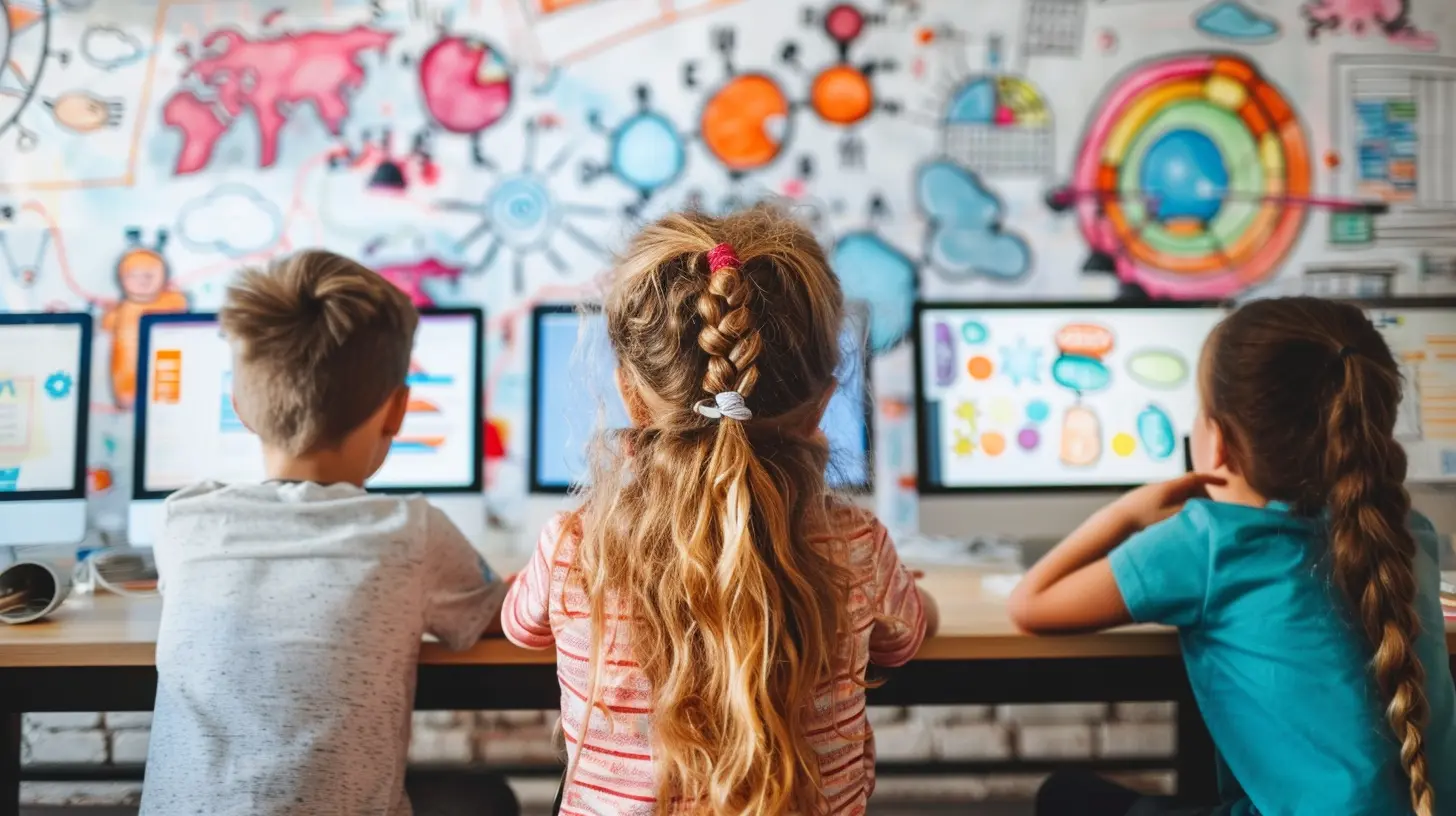
A lot of people hear "blended learning" and picture a kid staring at a screen for six hours. That's a misunderstanding. Blended learning is about intentional mixing. It's not about replacing the teacher with a YouTube playlist. It's about using technology to do what technology does best (deliver content, track progress, personalize practice) so that teachers can do what they do best (build relationships, inspire curiosity, guide deep thinking).Think of it like this: a pilot doesn't fly a plane by hand for the whole trip. They use autopilot for the cruising part, freeing up their brain for takeoff, landing, and handling emergencies. In a blended classroom, the digital tools are the autopilot. They handle the repetitive stuff-drills, quizzes, lecture videos-so the teacher can focus on the high-stakes moments: the one-on-one conversation, the small-group project, the "aha" moment when a student finally gets a tough concept.
By 2027, this won't be a luxury for rich schools. It will be the baseline. Why? Because the data is already screaming at us. Studies from the Christensen Institute and others show that schools using blended models see higher engagement, better retention, and more equitable outcomes. The pandemic was a terrible teacher in many ways, but it forced every school district to build the infrastructure-laptops, learning management systems, internet access-that makes blending possible. We already spent the money. Now we have to use it wisely.
The Core Models That Will Rule by 2027
Not all blended learning looks the same. There are a few main models that are gaining traction, and by 2027, most schools will pick one (or a hybrid of them) as their default.The Rotation Model: The Most Practical Start
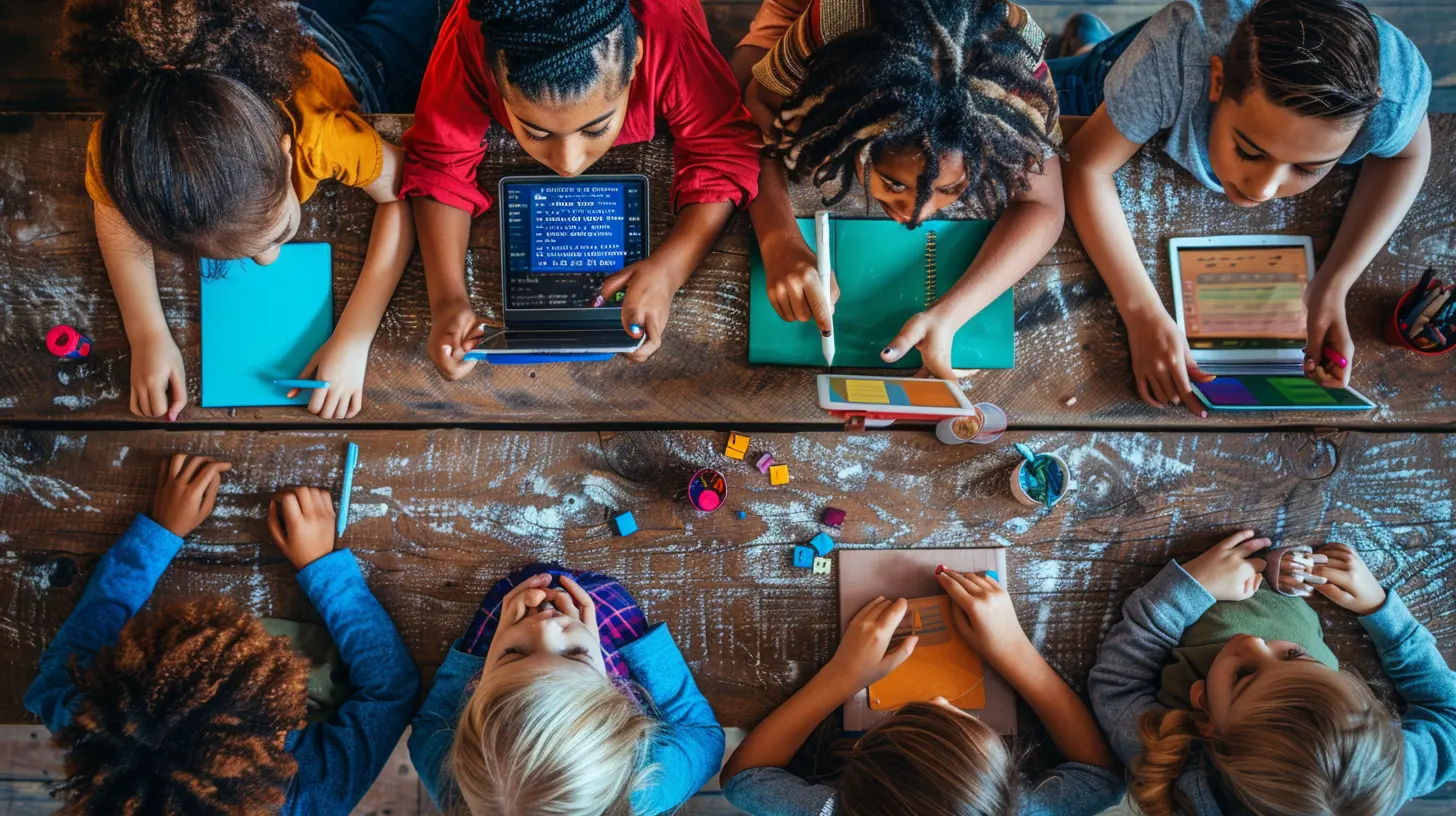
This is the easiest one to imagine. Students rotate between different learning stations. For example, in a middle school math class, a student might spend 20 minutes on a digital adaptive program (like Khan Academy or IXL) that adjusts problems to their skill level, then 20 minutes in a small group with the teacher working on word problems, then 20 minutes on a collaborative project with classmates. The teacher isn't lecturing. They're moving between groups, coaching.This model works because it respects the fact that no two kids learn at the same pace. The digital station gives the fast learners a challenge and the slow learners extra reps, without anyone feeling embarrassed. By 2027, this rotation will be so common that parents will stop asking, "Why is my kid on a tablet during class?" and start asking, "Which rotation is my kid in right now?"
The Flipped Classroom: Homework Becomes Classwork
Remember the old model: teacher lectures in class, kids go home and try to do homework alone, often getting stuck and frustrated. The flipped classroom turns that upside down. Students watch a short video lecture or read a digital lesson at home (or during a "flex block" at school). Then, in class, they do the "homework" with the teacher right there to help.This is powerful because it changes the role of the teacher from "sage on the stage" to "guide on the side." By 2027, most high school courses will have at least a flipped element. The video lectures won't be boring 45-minute recordings. They'll be crisp, 8-minute chunks with embedded questions that check for understanding. If a student gets a question wrong, the system automatically suggests a review video. This kind of instant feedback is impossible in a traditional lecture hall.
The Flex Model: Personalized Learning at Scale
This is the most ambitious model, and it's where the big money is going. In a flex model, the core of the instruction is online, but students are in a physical classroom with a teacher who provides support as needed. Think of it like a gym with personal trainers. You have a workout plan on an app, but the trainer walks around, corrects your form, and pushes you when you're slacking.By 2027, flex models will dominate in subjects like math and reading, where skills build on each other. A fifth grader who struggles with fractions won't be forced to move on to decimals just because the rest of the class is ready. The system will hold them back, give them more practice, and let the teacher intervene. Meanwhile, the kid who already mastered fractions can zoom ahead. This is the dream of "mastery-based learning," and blended learning makes it possible at scale.
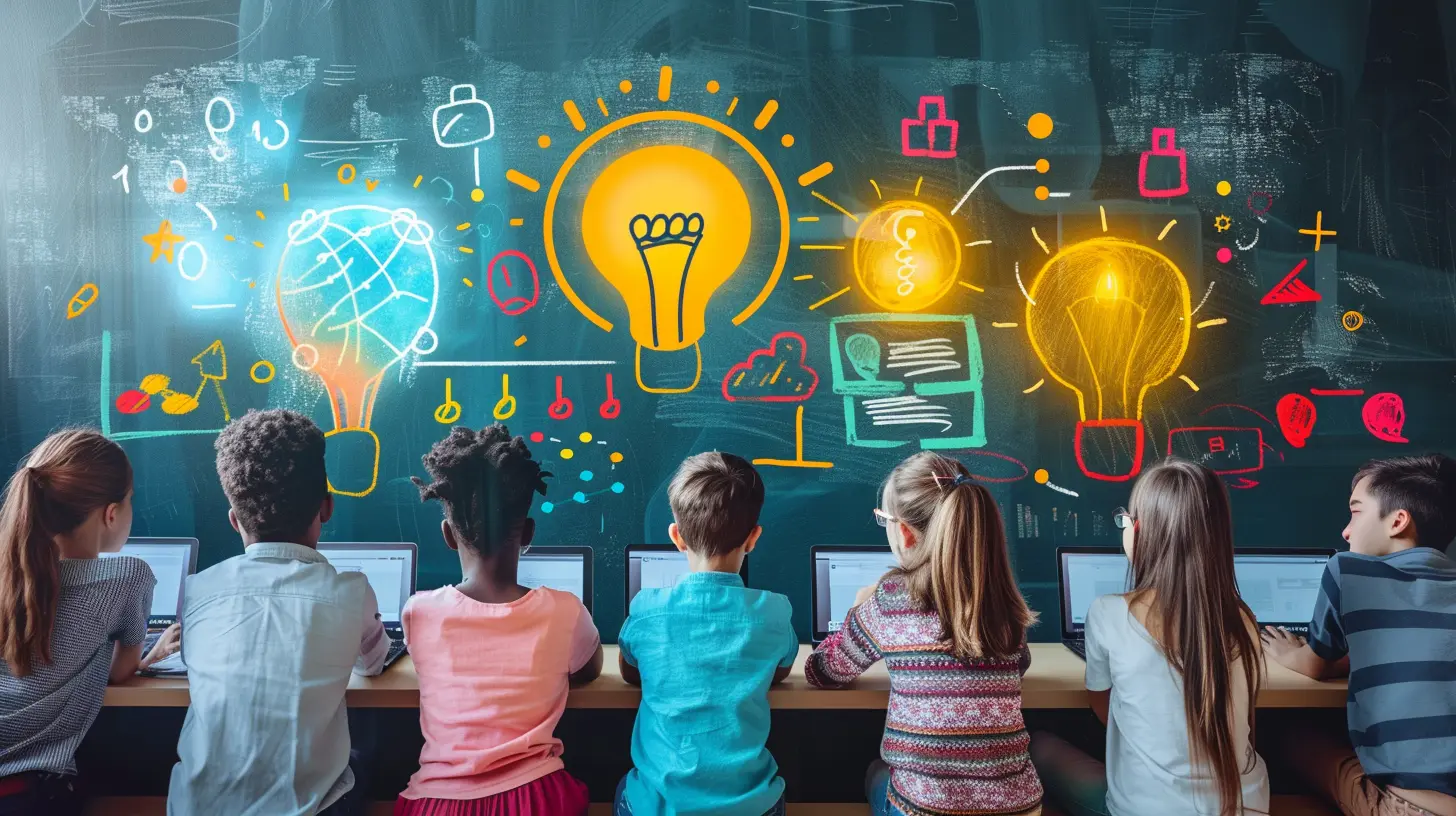
The Teacher's Role: From Lecturer to Learning Architect
Let's address the elephant in the room. Teachers are already overworked, underpaid, and burned out. Does blended learning just mean more work? No. But it does mean different work.In a blended classroom, the teacher isn't spending 90% of their energy on lesson planning and grading worksheets. Instead, they're spending time on data analysis, curating digital resources, and designing engaging in-person activities. By 2027, we'll see a new job title emerge: "Learning Architect" or "Instructional Designer." This doesn't mean every teacher needs a tech degree. It means schools will provide coaches and tools to help teachers shift their practice.
Here's a concrete example. Instead of grading 30 math quizzes by hand, a teacher can use a platform that auto-grades and gives them a heatmap of which problems the whole class missed. Now the teacher knows exactly what to focus on in tomorrow's small group. That's not more work. That's smarter work.
But let's be real. This transition is hard. Teachers need time to learn the tools. They need permission to fail sometimes. And they need school leaders who don't just buy a bunch of iPads and say, "Go blend." By 2027, the schools that succeed will be the ones that invest in professional development, not just shiny hardware.
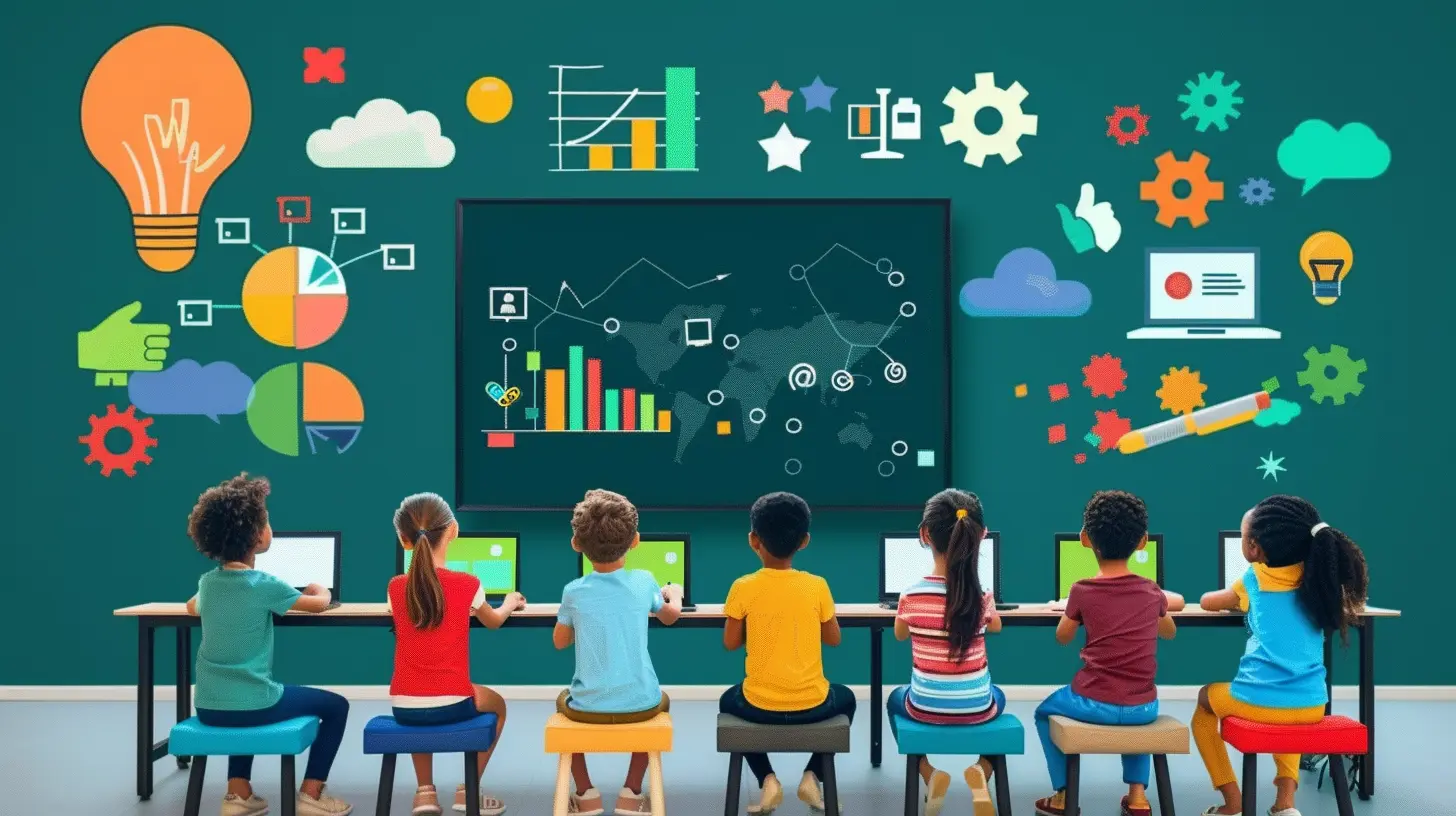
What About the Social and Emotional Side?
One of the biggest fears about blended learning is that kids will become screen-zombies who never talk to each other. That's a valid concern. But here's the counterpoint: bad blended learning is isolating. Good blended learning is more social.Think about it. In a traditional lecture, students sit quietly and listen. They might whisper to a neighbor, but real collaboration is limited. In a well-designed blended classroom, the digital work is often done individually or in pairs, freeing up the in-person time for group discussions, debates, hands-on experiments, and creative projects. The tech handles the "sit and get" part. The human time handles the "think and do" part.
By 2027, we'll see schools using blended learning to actually increase face-to-face interaction. For example, a high school history class might have students watch a documentary at home, then spend class time in a structured debate. Or a science class might use a virtual lab simulation for the boring parts (mixing chemicals in a safe, repeatable way) and then do a real lab for the exciting parts (building a rocket). The result? Kids talk more, not less.
Also, let's not ignore the elephant in the room: mental health. Remote learning was terrible for many kids because it was all screen, no connection. Blended learning, done right, brings back the connection. The teacher sees the kid's face. The kid interacts with peers. But they also have the flexibility to work at their own pace, which reduces anxiety. For kids with social anxiety or learning differences, this can be a lifeline.
The Infrastructure Challenge: Closing the Digital Divide
I can't talk about 2027 without being honest about the ugly side. Blended learning only works if every kid has reliable internet and a device at home. Right now, that's not true. Millions of students in rural areas and low-income urban neighborhoods still struggle with connectivity. The pandemic exposed this gap brutally.But here's the hope: we've already started fixing it. The federal E-Rate program is expanding. States are building public Wi-Fi networks. School districts are loaning out hotspots and laptops like library books. By 2027, I believe we'll see "internet access" treated as a basic utility, like water and electricity, for educational purposes. It won't be perfect, but the gap will be much smaller.
Schools will also get smarter about offline options. Think downloadable lessons that work without Wi-Fi, or "blended learning kits" that include physical manipulatives alongside digital tools. The goal isn't to force every kid online 24/7. It's to make sure the digital part is accessible to everyone when it's needed.
The Parent Perspective: Less Stress, More Involvement
As a parent, you probably have mixed feelings. On one hand, you saw the nightmare of remote learning. On the other hand, you saw your kid unlock a love for a subject because they could pause a video or rewind a confusing explanation. By 2027, the parent experience will be much smoother.Here's what that looks like. Instead of getting a paper report card every nine weeks, you'll have a real-time dashboard showing your child's progress. You'll see exactly which math skills they've mastered and which ones they're struggling with. You'll get notifications like, "Your child spent 15 minutes on the fractions module and got 80% correct. Here are three practice games you can play together tonight." This isn't surveillance. It's partnership.
Also, blended learning means fewer snow days. If a blizzard hits, the school doesn't just cancel. They switch to a "remote learning day" using the same digital tools kids already use. This isn't the nightmare of 2020. It's a smooth transition because the system is already in place. By 2027, "snow day" will be a nostalgic term, replaced by "flexible learning day."
The Future of Assessment: Goodbye Bubble Tests
Let's talk about tests. Traditional standardized tests are a joke. They measure how well a kid can sit still for three hours and fill in bubbles, not how well they understand a subject. Blended learning is going to kill the bubble test by 2027.Why? Because digital platforms generate mountains of data every single day. Instead of one big test at the end of the year, teachers will have continuous, low-stakes assessments. The system knows that a student can solve linear equations because they did it correctly 15 times in a row on the platform. That's a more accurate picture than a 20-question test on a Tuesday morning.
This shift will also change college admissions. By 2027, many universities will accept "digital portfolios" and "mastery transcripts" that show a student's learning journey, not just their GPA. This is already happening with groups like the Mastery Transcript Consortium. Blended learning makes this possible because the data is already there.
The Bottom Line: It's Not About the Tech, It's About the Teaching
Look, I've spent a lot of time talking about platforms, models, and infrastructure. But the heart of blended learning is still human. The best teacher in the world with a chalkboard is better than a bad teacher with a million-dollar tech suite. Blended learning is a tool, not a savior.By 2027, the schools that thrive will be the ones that remember this. They'll use technology to free up time for relationships. They'll use data to inform, not dictate, instruction. They'll train teachers to be facilitators, not just lecturers. And they'll never, ever assume that a screen can replace a caring adult.
So, is blended learning the new standard? Yes. But it's not a cold, robotic standard. It's a flexible, human-centered standard that uses the best of both worlds. The digital world gives us speed, personalization, and data. The physical world gives us connection, emotion, and hands-on experience. Together, they create a school that works for every kid.
And isn't that what we all wanted from the start?
all images in this post were generated using AI tools
Category:
Education BlogsAuthor:

Eva Barker
Discussion
rate this article
2 comments
Monica Wheeler
Blended learning seems to be paving the way for the future of education. I'm eager to see how schools adapt and what innovations emerge by 2027.
July 12, 2026 at 10:43 AM
Eva Barker
I share your excitement! As we move toward 2027, it will be interesting to see how schools embrace technology and creativity in their approaches to blended learning.
Cassian Horne
Blended learning in schools? Finally, a good excuse for kids to stay in pajamas during class!
June 6, 2026 at 10:57 AM
Eva Barker
I see your point! Blended learning does bring a new level of comfort to learning at home. But let's not forget the value of getting dressed and staying engaged too!