Addressing the Digital Divide in Global Education
25 June 2026
Education is a fundamental right, yet millions of students worldwide struggle to access quality learning due to the digital divide. In today’s tech-driven world, internet access and digital resources shape educational opportunities—but not everyone has equal access. This gap creates a major obstacle, especially for students in underprivileged communities.
So, how do we bridge this divide? How can technology be leveraged to create an inclusive learning environment for all? Let’s dive into this pressing issue and explore solutions that can help close the gap.
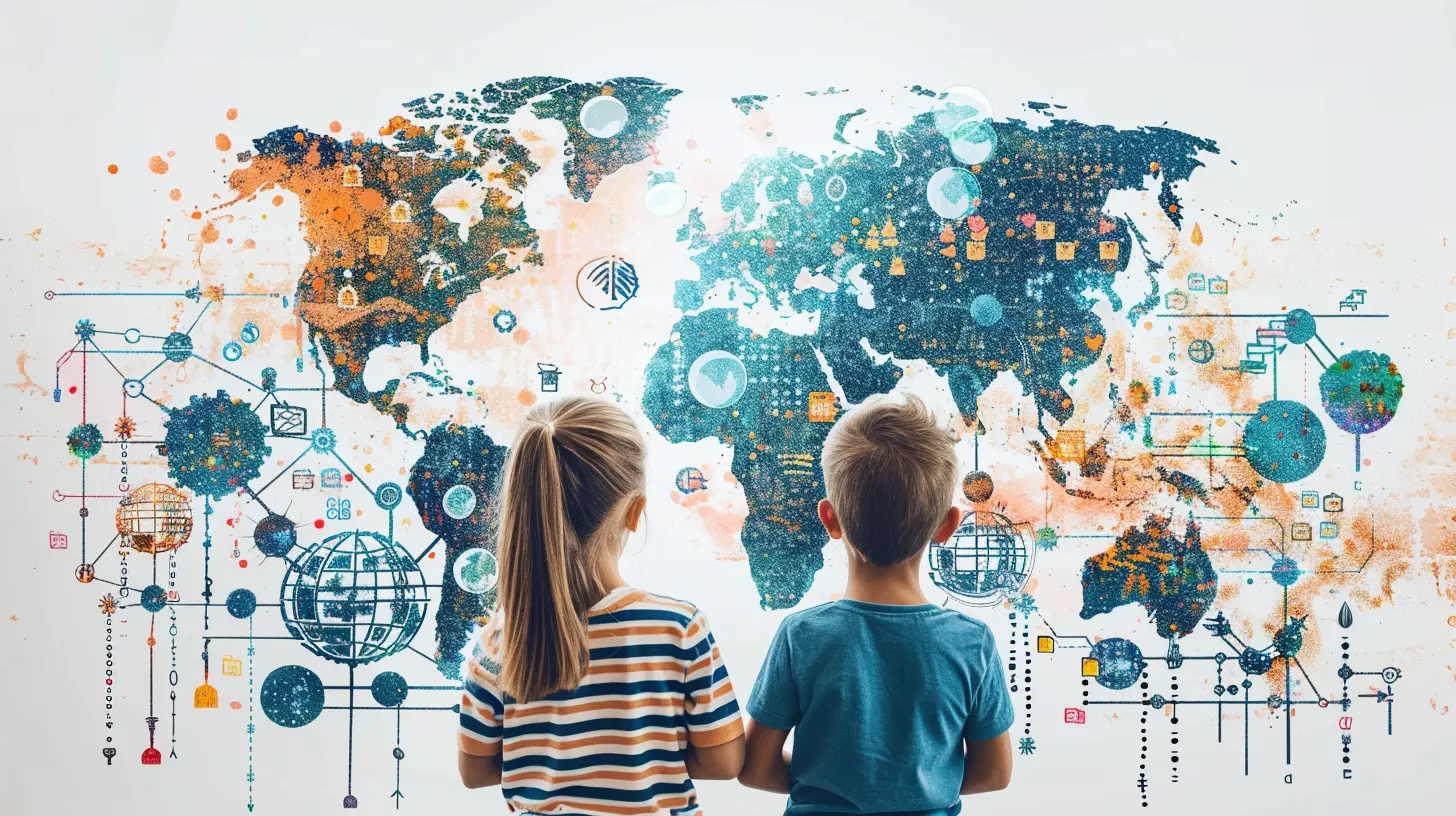
What Is the Digital Divide?
The digital divide refers to the gap between individuals who have access to modern technology—such as computers, high-speed internet, and digital learning tools—and those who do not. This divide is most evident in education, where students with reliable internet and digital resources have a significant advantage over those without.For example, during the COVID-19 pandemic, many students transitioned to online learning. Some thrived with virtual classrooms, while others struggled due to poor or non-existent internet access. This stark contrast highlights the urgent need to address the digital divide in education.

Causes of the Digital Divide in Education
To solve this problem, we first need to understand its root causes. Here are some of the biggest factors contributing to the digital divide in education:1. Limited Internet Access
Many regions, particularly in rural and low-income areas, lack reliable internet services. In some developing countries, internet penetration is still below 50%, creating a massive barrier to digital learning.2. High Costs of Devices and Connectivity
Smartphones, laptops, and tablets aren’t cheap, and maintaining an internet connection can be costly. For families struggling to meet basic needs, purchasing digital devices is simply not a priority.3. Lack of Digital Literacy
Even when students have access to technology, they may not know how to use it effectively. Teachers and parents also need training to help students navigate digital platforms and maximize learning opportunities.4. Unequal Distribution of Educational Resources
Wealthier schools benefit from well-equipped digital classrooms, while poorer schools often lack even basic computers. This disparity further widens the educational gap.
The Impact of the Digital Divide on Education
The digital divide affects students in multiple ways. Let’s take a look at some of the biggest impacts:1. Poor Academic Performance
When students cannot access learning materials online, they miss assignments, exams, and important lessons. This leads to lower grades and decreased academic success.2. Limited Career Opportunities
In today’s job market, digital skills are a must. Students who lack exposure to technology may struggle to compete for jobs requiring basic computer knowledge.3. Increased Educational Inequality
Students from privileged backgrounds continue to excel with digital learning, while those from disadvantaged communities fall further behind. This creates a long-term gap in educational and economic opportunities.
Solutions to Bridge the Digital Divide
Now that we understand the problem, what can be done to create a more inclusive education system? Here are some key strategies:1. Expanding Internet Access
Governments and private organizations must invest in broadband infrastructure and make internet access more affordable. Initiatives like free Wi-Fi zones and community internet centers can help students stay connected.2. Providing Affordable Devices
Non-profits and tech companies can play a major role in supplying low-cost or donated laptops, tablets, and mobile hotspots to students in need. Programs like One Laptop Per Child (OLPC) have already made progress in this area.3. Enhancing Digital Literacy
Tech access is useless without digital skills. Schools should incorporate digital literacy programs to teach students, parents, and teachers how to use technology effectively. Simple lessons on internet safety, online research, and digital collaboration can make a big difference.4. Developing Open Educational Resources (OERs)
Many students struggle due to a lack of digital textbooks and learning materials. Open Educational Resources (OERs) provide free, high-quality digital content that anyone can access. Expanding these resources will ensure that students have the materials they need to succeed.5. Strengthening Public-Private Partnerships
When governments, businesses, and non-profits collaborate, they can pool resources to tackle the digital divide more effectively. Tech giants like Google and Microsoft have already launched initiatives to provide free educational tools and internet access to underprivileged communities.6. Encouraging Community-Led Initiatives
Local communities play a crucial role in bridging the gap. Schools, libraries, and non-profits can establish after-school tech programs, digital training workshops, and internet-sharing networks to ensure that students have access to technology outside the classroom.Real-Life Success Stories
To prove that bridging the digital divide is possible, let’s look at a couple of successful initiatives that have made a difference:1. Kenya’s "DigiSchool" Program
The Kenyan government launched the DigiSchool initiative to provide primary school students with digital devices and training. This program has equipped thousands of students with essential technology skills, preparing them for a more digital future.2. India’s "Digital India" Campaign
India’s Digital India initiative aims to improve internet access in rural areas by setting up Wi-Fi hotspots and improving broadband infrastructure. As a result, more students in remote villages can now access online learning platforms and educational resources.
The Road Ahead
Closing the digital divide in education won’t happen overnight, but progress is possible with collective effort. Governments, educators, tech companies, and communities must work together to ensure that every student—regardless of their background—has access to the digital tools they need to succeed.Imagine a world where every child can participate in online learning, access digital libraries, and prepare for a tech-driven job market. That’s the future we should all strive for.
Technology has the power to transform education, but only if it is accessible to everyone. Let’s take action today to make digital learning a reality for all students, no matter where they come from.
all images in this post were generated using AI tools
Category:
Global EducationAuthor:

Eva Barker
Discussion
rate this article
1 comments
Pamela McKittrick
It's fascinating to see how technology can bridge educational gaps. I'm eager to learn more about innovative solutions that empower underserved communities worldwide.
July 22, 2026 at 3:03 AM