The Importance of Team Sports in High School Development
3 July 2026
Let’s face it, high school can be an incredibly formative period in anyone’s life. It’s the time when you start figuring out who you are, what you’re good at, and where you fit into the world. While academic achievements are often emphasized, we sometimes overlook the crucial role that team sports play in shaping young minds. It’s not just about scoring goals or winning championships—team sports provide a wealth of benefits that contribute to personal, social, and emotional development.
In this article, we’re going to dive into why team sports in high school are so important. We’ll explore how they help students grow physically, mentally, and even academically. Ready to lace up your sneakers and dive in? Let’s go!

1. Building Physical Health and Fitness
Alright, let’s start with the most obvious benefit—physical health. We all know that exercise is good for us, but how often do we think of it as more than just a way to stay in shape? High school students who participate in team sports are regularly engaging in physical activity, which is vital during these developmental years.a. Developing Stronger Bodies
During adolescence, the body is still growing and developing. Regular participation in sports helps students build muscle strength, enhance cardiovascular health, and improve endurance. It’s like giving your body a head start on a lifetime of wellness.b. Reducing Stress and Anxiety
But here’s the kicker: team sports aren’t just about building stronger bodies; they’re also about building stronger minds. Exercise is a natural stress reliever. High school can be incredibly stressful (hello, exams and social pressure!), and having a regular outlet can help students manage anxiety and keep their mental health in check.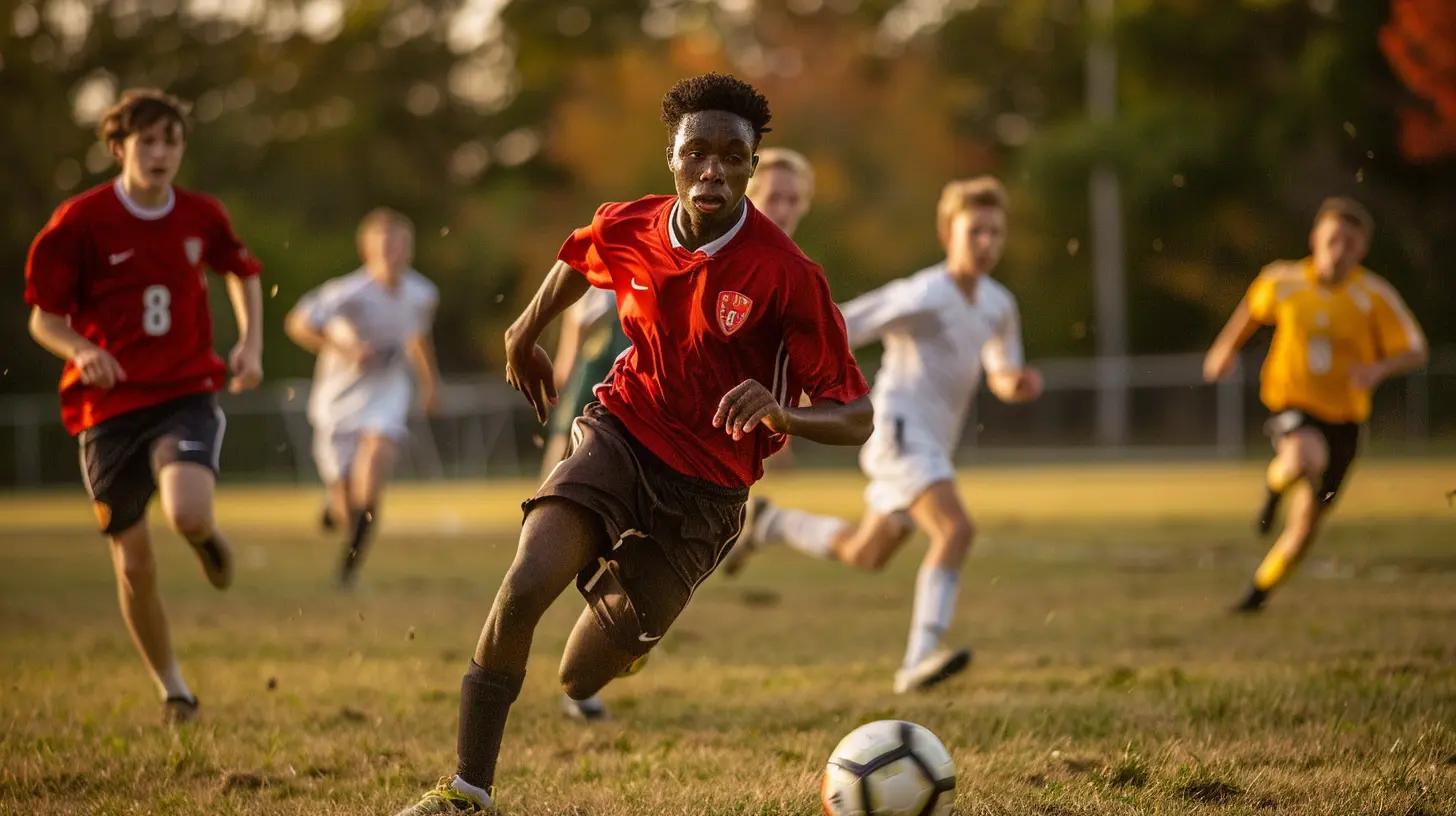
2. Learning Teamwork and Cooperation
In life, you’re rarely going to achieve great things all by yourself. Whether it’s in the workplace, in friendships, or even in family life, teamwork and cooperation are essential life skills. And guess what? Team sports are one of the best ways to learn them.a. Understanding Roles and Responsibilities
On a sports team, every player has a role to play. Whether you’re the star quarterback or the defensive lineman, your contribution is important. This teaches students how to recognize their strengths and understand their responsibilities. They learn that success isn’t just about individual glory but about how well they work with others.b. Communication Skills
Ever notice how a great basketball team seems almost telepathic? That’s because they’ve learned how to communicate effectively. Team sports require constant communication—whether it’s calling for a pass, strategizing a play, or offering support to a teammate. These skills translate directly to real-world scenarios, from group projects to workplace dynamics.c. Handling Conflict and Compromise
Let’s be honest—when you throw a bunch of competitive people together, conflict is inevitable. Team sports teach students how to handle disagreements, make compromises, and find solutions that benefit the whole group. These are invaluable lessons they’ll carry with them throughout life.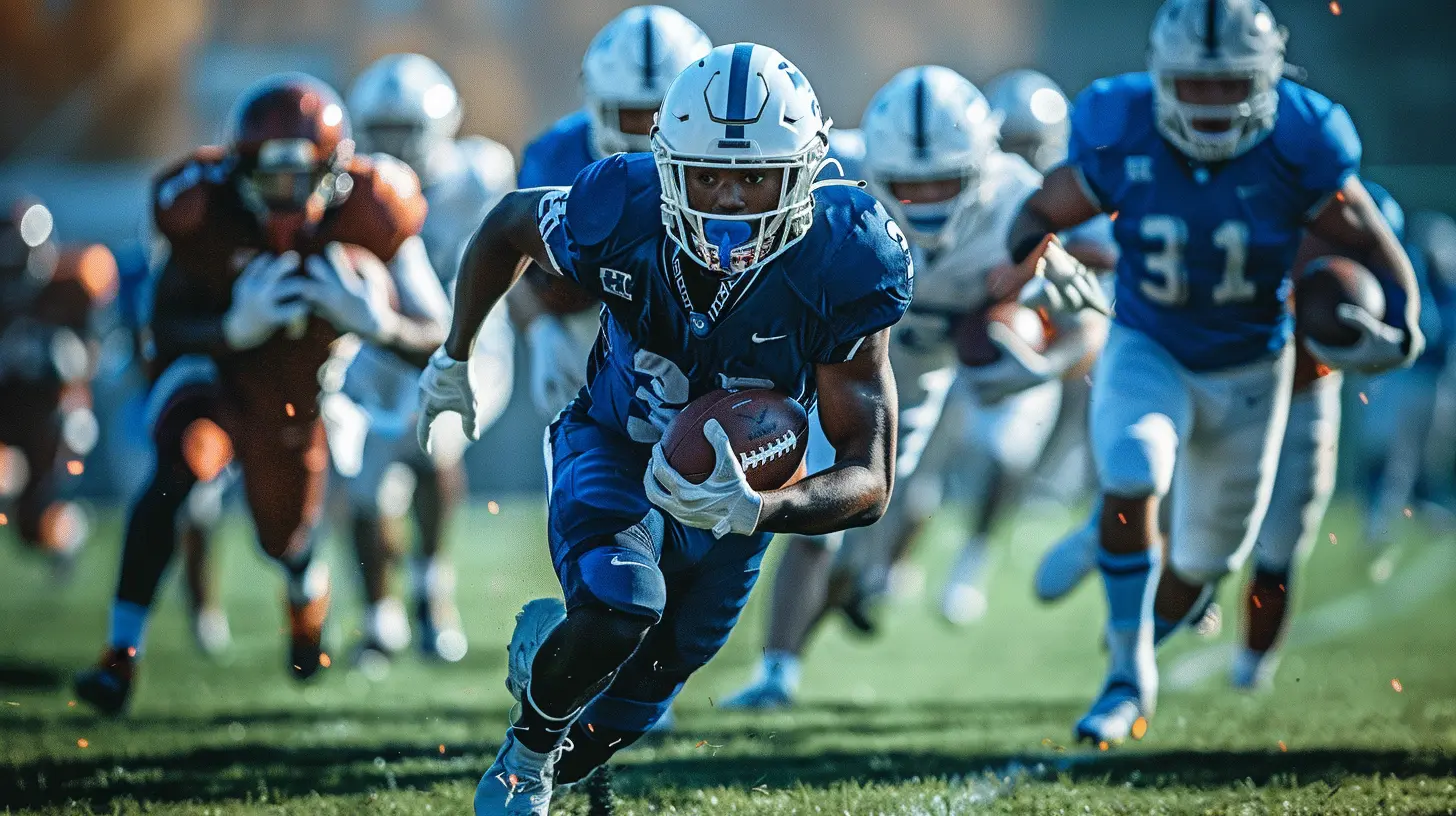
3. Boosting Self-Esteem and Confidence
Playing team sports can do wonders for a student’s self-esteem. Winning feels great, of course, but even in defeat, there’s a lot to be learned. The sense of accomplishment that comes from contributing to a team’s success is unparalleled.a. Celebrating Small Wins
One of the best things about team sports is that it’s not always about the big victories. Sometimes, it’s about the little moments—like finally perfecting your jump shot or making that crucial pass. These “small wins” can give students a confidence boost and teach them the importance of celebrating progress, not just results.b. Learning Resilience
But let’s not sugarcoat it—losing is tough. However, team sports help students learn how to bounce back from failure. They teach resilience, grit, and the ability to keep pushing forward, even when the odds aren’t in your favor. Because, let’s be honest, life is full of setbacks, and learning how to cope with them early on is a skill that’ll serve students well for years to come.
4. Enhancing Academic Performance
Wait, what? Team sports can actually help improve academic performance? You bet! There’s a growing body of research that shows a strong correlation between athletic participation and academic success.a. Better Time Management
Balancing schoolwork with sports requires students to develop solid time management skills. When you have practice after school, you can’t procrastinate on that history paper or math assignment. Students who play sports often become more disciplined and better at managing their time, which naturally helps their academic performance.b. Improved Focus and Discipline
Playing team sports requires immense focus and discipline—qualities that are easily transferable to the classroom. Whether it’s learning a complicated play in football or focusing on a long-distance run, athletes develop the ability to concentrate for extended periods, which can help them stay engaged in their studies.c. The Student-Athlete Mentality
There’s something about identifying as a “student-athlete” that can create a sense of pride and responsibility. Students who see themselves in this dual role are often motivated to excel in both areas, knowing that success on the field is just as important as success in the classroom.5. Building Lifelong Friendships and Social Skills
We can’t talk about team sports without mentioning the social aspect. High school is a time of social exploration, and for many students, team sports provide a built-in community where they can form genuine friendships.a. Creating Bonds Through Shared Experiences
There’s something about going through the ups and downs of a sports season together that creates strong bonds. Whether you’re celebrating a big win or comforting each other after a tough loss, the shared experience helps students create lasting friendships. These bonds often extend beyond the sports field and into other areas of life.b. Developing Emotional Intelligence
Team sports also teach students how to navigate social dynamics. They learn how to be empathetic teammates, how to encourage others, and how to deal with their own emotions in a healthy way. This helps build emotional intelligence, which is crucial for forming meaningful relationships later in life.
6. Preparing for the Future
Let’s zoom out for a moment. At the end of the day, high school is all about preparing for the future, right? Whether that future involves college, joining the workforce, or pursuing other dreams, the lessons learned from team sports apply in so many areas of life.a. Leadership and Accountability
Many students who participate in team sports take on leadership roles, whether it’s as a team captain or just a vocal leader on the field. These opportunities teach students how to lead by example, take responsibility for their actions, and hold themselves accountable. Leadership skills developed through sports can be a huge asset in the workplace or in college environments.b. Setting and Achieving Goals
In sports, you’re always working towards something—whether it’s a championship, a personal best, or simply improving your skills. This goal-oriented mindset is incredibly beneficial when applied to other areas of life. It teaches students the value of setting goals and then working hard to achieve them, a skill that will serve them well no matter what path they choose.7. Encouraging Diversity and Inclusion
One of the great things about team sports is that they bring together students from different backgrounds. Whether it’s race, socioeconomic status, or personal interests, sports have a unique way of breaking down barriers and promoting inclusion.a. Learning to Value Differences
In a team setting, differences don’t divide—they make the team stronger. Students learn to value diversity, understand different perspectives, and work together toward a common goal. These experiences foster a sense of belonging and help create a more inclusive school environment.b. Promoting Equal Opportunities
Team sports often provide opportunities for students who might not otherwise have a chance to shine. Whether it’s the student who excels on the field but struggles in the classroom or the introvert who finds their voice through sports, athletics provide an equal playing field for personal growth.
Conclusion
When we think about a high school student’s education, it’s essential to think beyond the classroom. Team sports offer a wealth of benefits that extend far beyond the physical. They help students develop crucial life skills like teamwork, resilience, and leadership while providing a space for personal growth and social connection.The lessons learned on the field, court, or track will stick with students long after graduation. So, whether it’s football, basketball, soccer, or any other team sport, the positive effects on a student’s development are undeniable.
So, are team sports an important part of high school development? Absolutely. They prepare students not just for the next game, but for life.
all images in this post were generated using AI tools
Category:
Extracurricular ActivitiesAuthor:

Eva Barker
Discussion
rate this article
1 comments
Carla Cooper
Team sports in high school are a fantastic way for students to grow both individually and as a group. They build friendships, teach valuable life skills, and create unforgettable memories. It's amazing to see how teamwork fosters confidence and resilience. Let's celebrate the joy of playing together!
July 16, 2026 at 10:53 AM
Eva Barker
I completely agree. Team sports provide essential experiences that shape character and build lasting connections. Celebrating these moments is so important for our students' growth.