Encouraging Self-Discipline in Students
3 April 2026
Let’s face it—self-discipline isn’t exactly the most exciting topic to talk about with students. It doesn’t come with sparkles or instant gratification. But guess what? It’s one of those superpowers that can pretty much change the direction of a student's life. Yep, we’re talking about the underrated ability to stick to the hard stuff, even when TikTok, video games, and endless snacks are calling.
If you're a teacher, parent, or even a student yourself, this guide will walk you through how to encourage self-discipline without sounding like a broken record. Plus, we’re keeping it casual, simple, and real—because no one wants a boring lecture on the benefits of delayed gratification.
What Is Self-Discipline Anyway?
Okay, so self-discipline is basically the ability to control your impulses, stay focused on your goals, and take action—even when you'd rather be doing literally anything else. It's like having an invisible coach inside your head saying, "Hey, you’ve got this. Keep going!"For students, this could mean choosing to:
- Study for a test instead of binge-watching Netflix.
- Wake up early to work on a project.
- Not cheat, even when the test answers are just a glance away.
Sounds tough? It definitely can be. But it’s also totally doable.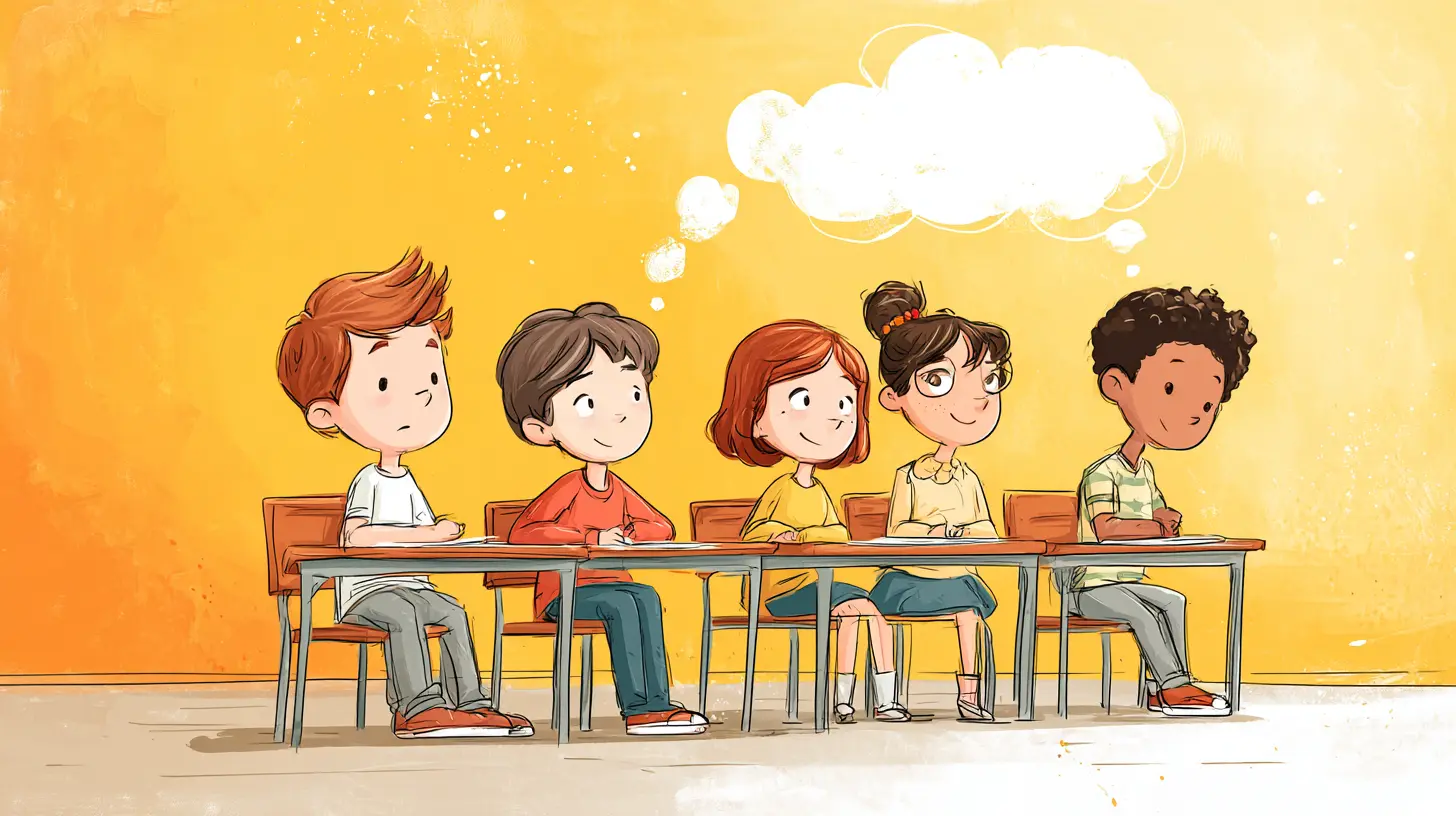
Why Self-Discipline Is a Game-Changer for Students
Let’s keep it real: academic performance is only one part of school life. What about building resilience, managing time, or staying motivated after a bad grade?Here’s how self-discipline shapes up as a secret weapon:
- 📚 Better Academics: Students who manage their time well tend to outperform others—no surprise there.
- 🧠 Mental Toughness: They bounce back quicker from failure because they know how to stay on track.
- 🕒 Time Management: Self-disciplined students aren’t magic—they just know how to schedule their time and actually stick to it.
- 😌 Less Stress: When you’re in control of your actions, life feels a lot less chaotic.
Still not convinced? Imagine school life like a video game. Self-discipline is the cheat code—but instead of skipping levels, you’re mastering them.
The Real Deal: Challenges to Building Self-Discipline
So, what’s standing in the way? Why is it soooo hard to build self-discipline sometimes?- Distractions everywhere: Smartphones, social media, and YouTube are basically big bags of potato chips for your brain.
- Instant gratification: We live in a world of now, now, now! Waiting? That’s boring.
- Low motivation: If students don’t see the point of what they’re doing, why bother?
- Lack of guidance: Not every student has a parent, teacher, or mentor showing them the ropes.
The key is helping students recognize these obstacles, not pretend they don’t exist. Once they know what they’re up against, they can start taking steps to fight back.
10 Fun and Practical Ways to Encourage Self-Discipline in Students
Alright, now we’re getting to the good stuff. Let’s look at some down-to-earth, do-able ways to help students flex their discipline muscles—without turning into little robots.1. Set Goals That Actually Matter
Forget “get good grades.” That’s vague and kinda boring. Try goals like:- “I want to understand algebra so I can join the robotics club.”
- “I want to graduate with honors so I can get into my dream college.”
Help students link schoolwork to their personal dreams. When goals feel real, self-discipline feels worth it.
2. Break Big Tasks Into Bite-Sized Pieces
Have you ever looked at a 10-page assignment and wanted to cry? Exactly.Teach students to chunk tasks like slicing up a pizza. Instead of doing it all at once, try:
- Outline today.
- Write the intro tomorrow.
- Edit next week.
Small wins build big confidence.
3. Create Routines That Stick
Routines are like playlists—they keep the vibe going. Help students build:- A study schedule at the same time every day.
- A bedtime that doesn’t require five alarms to wake up from.
- A morning ritual (even if it’s just brushing teeth while blasting music).
Consistency turns into habit. Habit equals discipline… and boom—you’ve got momentum!
4. Celebrate Small Wins
Finished a 30-minute study session without checking your phone? That’s worth a high five (or at least a happy dance).Reward systems don’t have to involve cash or candy. Try:
- 10 minutes of game time for every completed assignment.
- A sticker chart.
- Just acknowledging effort with a “Hey, I see you working hard.”
Acknowledgment fuels motivation.
5. Model Discipline Like a Boss
Students are watching—whether you know it or not. So, show them what self-discipline looks like:- Keep your word.
- Stay calm when things go off track.
- Admit when you mess up… then get back on course.
Actions speak louder than PowerPoints.
6. Teach the "Why" Behind the Work
Ever been told to do something "because I said so"? Annoying, right?Explain why tasks matter. Turn “do your homework” into:
- “Writing builds communication skills. Communication = better chances at any job you want.”
Understanding purpose makes tasks less painful.
7. Turn Distractions into Motivations
Sometimes, you need to flip the script. Instead of banning distractions, let students earn them.- “Finish reading two chapters, then 15 minutes of TikTok.”
- “Write your essay, then treat yourself to your favorite snack.”
It’s like turning the final boss into your new sidekick.
8. Practice Saying “No” (And Mean It)
Saying no isn’t just for grown-ups. Students need to practice turning down:- Extra screen time.
- Last-minute plans.
- Procrastination disguised as "just five more minutes."
Let them know it’s okay to protect their time. That’s not selfish—it’s wise.
9. Let Them Fail (Yep, Really)
Mistakes = growth. When students mess up, resist the urge to swoop in and fix it all.Instead, ask:
- “What do you think went wrong?”
- “What would you do differently next time?”
Failures teach grit. And grit builds… you guessed it—self-discipline.
10. Make It Fun (No, Seriously)
Who says discipline has to be dull?- Turn study sessions into competitions.
- Use apps that gamify learning.
- Create a challenge like “No Zero Week” or “One Task a Day Marathon.”
Engagement makes effort sustainable.
Tips for Teachers: Building Discipline into the Classroom
Teachers, you’re the ringleaders. And you’ve got more influence than you think.- Keep expectations clear and consistent.
- Offer choices to promote independence.
- Praise effort, not just results.
- Share your own stories of struggle and success.
Creating a classroom culture that values effort over perfection breeds self-discipline naturally.
Tips for Parents: Reinforcement at Home
Parents, you're the behind-the-scenes coaches.- Set screen time boundaries (and stick to them!).
- Encourage regular routines—meals, study time, bedtime.
- Talk openly about your own challenges and how you push through.
Remember, your actions teach more than your words.
What If A Student Still Struggles?
Spoiler alert: That’s normal.Self-discipline is like a muscle—it needs time to grow. Keep supporting, encouraging, and guiding them. And don’t underestimate the power of patience.
Some students might take longer to build those habits. That’s okay. The important thing is they’re moving forward, even in baby steps.
Final Thoughts: Self-Discipline Isn’t a One-Time Thing
Here’s the deal—self-discipline is not a box students can check off. It’s a lifelong skill. Like learning to cook or drive, it gets easier the more you do it.Whether you’re a teacher, parent, or student, the goal is progress, not perfection. Keep showing up, keep trying, and keep celebrating those small wins along the way.
Let’s raise a generation of students who don’t just ace tests—but who know how to stay the course, even when it’s hard. That’s the real win.
all images in this post were generated using AI tools
Category:
Classroom ManagementAuthor:

Eva Barker
Discussion
rate this article
2 comments
Sadie Martinez
Thank you for this insightful article on self-discipline! It's crucial to remember that cultivating this skill takes time and patience. Supporting students with understanding and encouragement can make a significant difference in their journey. Let's empower them to grow and thrive in their learning experiences.
April 6, 2026 at 4:23 AM
Eva Barker
Thank you for your thoughtful comment! I completely agree that patience and support are key in helping students develop self-discipline. Let's keep encouraging their growth together.
Victoria Jordan
Empowering students to practice self-discipline is essential for their success; it builds resilience and fosters independence.
April 4, 2026 at 12:16 PM
Eva Barker
Thank you for your insight! I completely agree—self-discipline is indeed key to nurturing resilience and independence in students.