How Interactive Learning Will Reshape Classrooms by 2027
10 May 2026
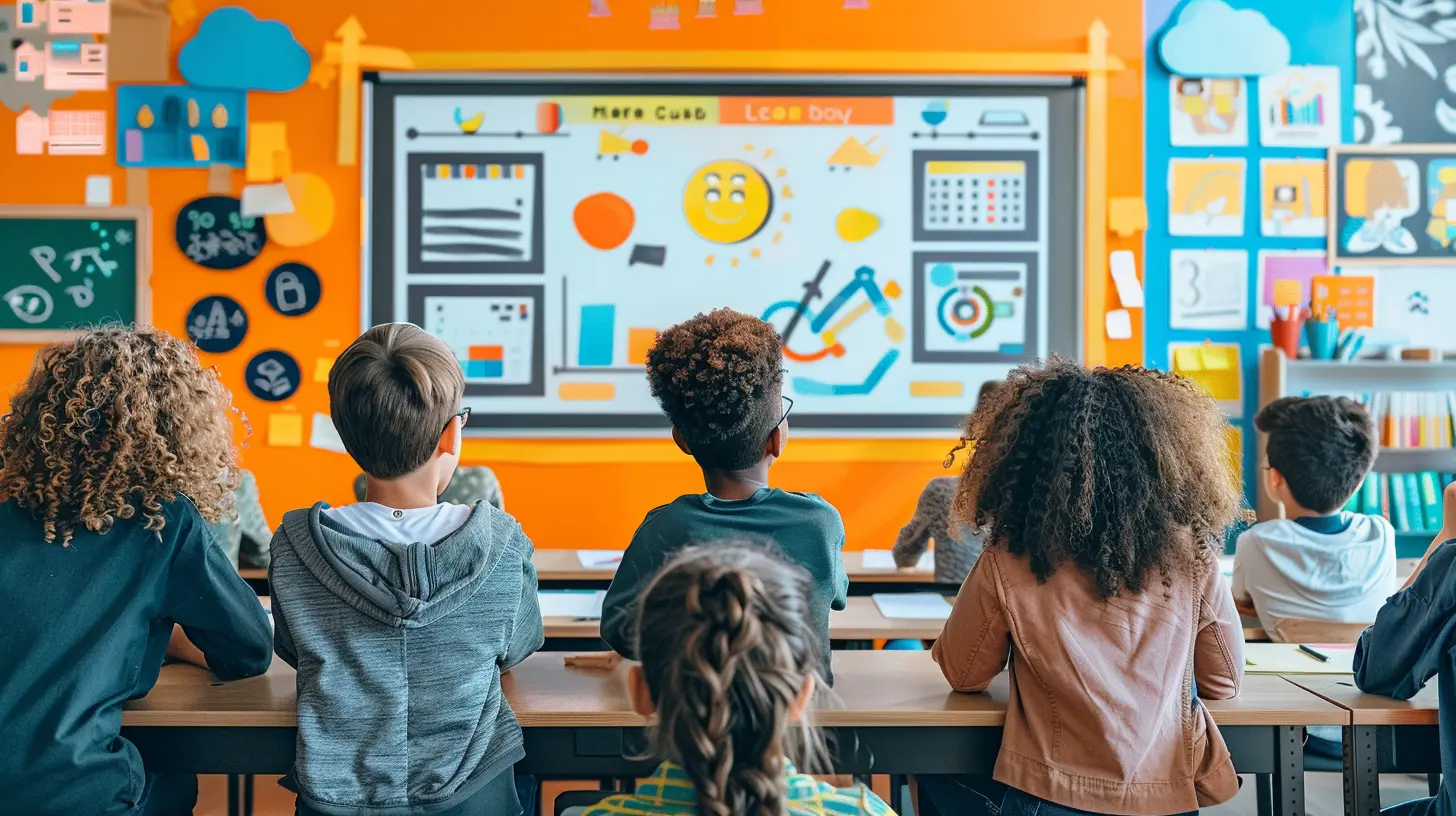
Let's be honest for a second. When you picture a classroom, what comes to mind? Rows of desks, a teacher at the front, maybe someone nodding off in the back, and a clock that seems to move slower than molasses in January? That picture is about to get a serious facelift. By 2027, the way we think about learning won't just change a little-it will flip on its head. Interactive learning isn't some futuristic fantasy; it's a train that's already left the station, and it's picking up speed fast.
So, what does that mean for you, for your kids, or for anyone who's ever sat through a lecture that felt like watching paint dry? It means classrooms are finally going to start acting like the real world: messy, engaging, and full of hands-on action. No more passive absorption of facts that vanish after the test. By 2027, we're talking about a place where students drive the bus, and the teacher is the GPS.

Why the Old Model Is Crumbling
Think about it. We've been using the same basic classroom blueprint for over a hundred years. The industrial-age model-sit still, listen, memorize, reproduce-was designed for a world that needed factory workers. But guess what? That world is gone. Now we need problem-solvers, creators, and people who can adapt on the fly. Sticking to the old way is like trying to send a text message with a carrier pigeon. It might work, but it's painfully slow and completely out of touch.The shift toward interactive learning isn't just a trend; it's a survival instinct. Students today are wired for engagement. They have the entire internet in their pockets, they're used to instant feedback from video games, and they can learn a new skill on YouTube in an afternoon. So why would they tolerate a teacher droning on about the quadratic formula when they could build a virtual bridge that collapses in real-time to understand physics? The old model is crumbling because it's boring, and boring doesn't work anymore.
The Tech That's Making It Happen
Now, let's talk about the tools that will reshape these classrooms. By 2027, we won't be talking about "technology in the classroom" as a separate thing. It will just be part of the furniture, like chalkboards used to be. But it won't be the kind of tech that distracts; it will be the kind that pulls you in.Virtual and Augmented Reality: Step Inside the Lesson
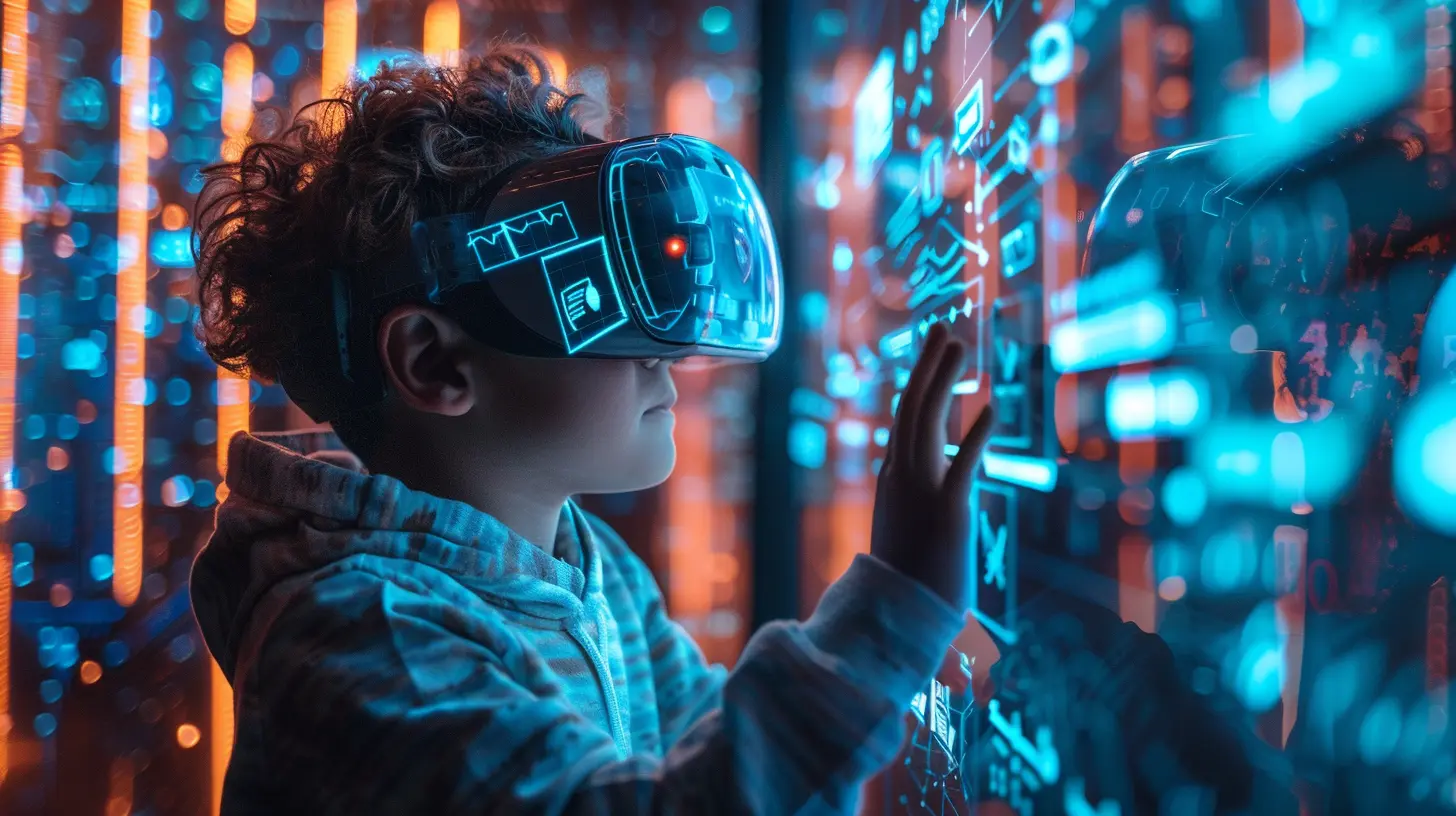
Remember those field trips that cost a fortune and took all day? By 2027, students will put on a lightweight headset and walk through the Roman Colosseum while it's still being built. They'll stand on the surface of Mars without leaving their desk. Augmented reality will let them pull apart a beating heart with their hands-digitally, of course-to see how the valves work.This isn't just cool. It's a game-changer for understanding. When you can experience a concept instead of just reading about it, your brain locks it in. You remember the feeling of standing in that ancient marketplace, the sounds, the smells (virtually, anyway). That's way more sticky than a textbook paragraph.
Gamification: Learning That Feels Like Playing
Let's be real. Nobody ever complained that a game was too hard and then quit learning forever. But plenty of kids have given up on math because it felt like a chore. Gamification flips that script. By 2027, classrooms will use game mechanics-points, levels, badges, leaderboards-not as a gimmick, but as a core part of the curriculum.Here's the thing: games are masters of feedback. You fail, you respawn, you try again. There's no shame in failing in a game; it's just part of the process. That's exactly the mindset we need in education. Interactive learning will let students fail safely, learn from their mistakes, and level up their skills without the fear of a permanent "F" on their report card. It turns the classroom into a giant, collaborative video game where the goal is mastery, not just completion.
Real-Time Data and Adaptive Learning
One of the biggest problems in a traditional classroom is that the teacher has to teach to the middle. The fast kids get bored, and the slow kids get lost. By 2027, interactive platforms will use artificial intelligence to adapt to each student in real-time. If you're struggling with fractions, the software will slow down, offer more practice, and maybe even change the way it explains the concept. If you're breezing through algebra, it will throw harder problems your way.This is like having a personal tutor for every single kid in the room. The teacher's role shifts from "lecturer" to "coach." They can see a dashboard showing exactly who needs help and who needs a challenge. No more guessing. No more one-size-fits-all. It's education that fits you like a custom suit, not a off-the-rack uniform.

The Teacher's New Role: From Sage to Guide
I know what you're thinking. "Does this mean teachers will be replaced by robots?" Absolutely not. In fact, the teacher becomes more important than ever. But their job changes. Instead of spending hours grading papers and planning lectures, they'll spend their time facilitating discussions, mentoring struggling students, and designing creative projects.Think of it like this: a traditional teacher is a fountain, pouring knowledge into empty buckets. An interactive teacher is a gardener. They prepare the soil, plant the seeds, water them, and then watch them grow in their own unique way. The teacher provides the structure and the guidance, but the student does the growing. By 2027, we'll see teachers acting more like coaches, cheerleaders, and expert troubleshooters. That's a much more rewarding job, if you ask me.
Collaboration Without Borders
Here's another shift that's coming fast. The classroom of 2027 won't be limited to four walls. Thanks to interactive platforms, students in New York will work on a science project with kids in Tokyo. They'll share screens, build models together in a virtual space, and even argue about whose idea is better-in real time.This isn't just about being cool. It's about preparing kids for a world where remote work and global teams are the norm. They'll learn how to communicate across cultures, how to manage time zones, and how to collaborate without being in the same room. That's a skill you can't learn from a textbook. You have to live it. Interactive learning makes that possible.
The Death of the Textbook (Sort Of)
Let's talk about the elephant in the room: textbooks. They're heavy, expensive, and outdated the moment they're printed. By 2027, the physical textbook will be a relic, like a floppy disk. Instead, students will have interactive digital resources that update automatically. When a new scientific discovery happens, it's in the lesson plan the next day. No more waiting for the next edition.But it's not just about being current. It's about being alive. Imagine a history lesson where you can click on a map and see it change over time. Or a biology chapter where you can zoom into a cell and watch it divide. That's not reading; that's exploring. And that's what interactive learning is all about.
The Emotional Side: Less Anxiety, More Curiosity
Let's get personal for a second. Do you remember the knot in your stomach when the teacher called on you and you didn't know the answer? That fear is a huge barrier to learning. Interactive classrooms can reduce that anxiety. When you're working with a simulation or a game, the pressure is off. You're just trying to figure things out.By 2027, assessments will look different too. Instead of a high-stakes final exam, students will demonstrate their knowledge through projects, portfolios, and real-time problem-solving. The focus shifts from "what do you remember?" to "what can you do?" That's a huge mental shift. It encourages curiosity over cramming. It rewards effort over luck. And it makes learning a lot less scary.
What About the Naysayers?
I can already hear the skeptics. "This sounds expensive." "What about kids without internet at home?" "Won't this just make kids more distracted?" Those are fair questions, and they deserve honest answers.Yes, the initial investment is real. But so is the cost of outdated education that leaves kids behind. By 2027, we'll see more partnerships between tech companies and schools, plus government grants aimed at closing the digital divide. As for distraction? Interactive learning is actually more focused than passive learning. When you're actively building something, you don't have time to check your phone. The key is designing the experience to be so engaging that students want to participate.
And for those without access? This is a critical issue. But the trend is moving toward cheaper devices and better public Wi-Fi. Some schools are already providing take-home tablets. The goal is to make interactive learning a right, not a privilege. We're not there yet, but by 2027, we'll be a lot closer.
A Day in the Life: Classroom 2027
Let me paint you a picture. It's 2027. A student walks into class. There are no desks in rows. Instead, there are flexible workstations with large screens, some standing desks, and a quiet corner with beanbags for individual work. The teacher greets everyone by name and pulls up a dashboard on the main screen.Today's lesson is about climate change. Half the class puts on VR headsets and walks through a rainforest that's being deforested. The other half uses a simulator to adjust carbon emissions and see the effects on global temperature in real-time. They switch halfway through. The teacher walks around, asking questions, pointing out connections, and helping groups that are stuck.
At the end, each student submits a short video reflection, not a test. The teacher watches them later and gives personalized feedback. No one is bored. No one is lost. Everyone is engaged in a different way. That's not a fantasy. That's the direction we're heading.
The Bottom Line: Why This Matters
Look, the world is changing fast. Jobs that exist today might be gone in ten years. The skills that matter most-critical thinking, creativity, collaboration, adaptability-are not taught by memorizing dates or formulas. They're taught by doing, by failing, by trying again, and by interacting with the material and with each other.Interactive learning isn't just a fancy add-on. It's the only way to prepare students for a future that we can't even fully predict. By 2027, the classrooms that embrace this shift will produce graduates who are ready to tackle real problems. The ones that don't will be left behind.
So, are you ready for this change? Because it's coming whether we like it or not. The question is: will we ride the wave or get swept away? I vote for riding it. It's going to be one hell of a ride.
all images in this post were generated using AI tools
Category:
Interactive LearningAuthor:

Eva Barker
Discussion
rate this article
2 comments
Cassandra Luna
This article offers a compelling glimpse into the future of education. The potential of interactive learning to engage students is exciting. I appreciate the emphasis on collaboration and adaptability, as these are key to fostering critical thinking and creativity in young minds. Looking forward to seeing how this unfolds!
May 24, 2026 at 4:15 AM
Eva Barker
Thank you for your insight! I'm glad you found the potential of interactive learning exciting. Collaboration and adaptability really are essential for shaping future-ready students. Let's see how it all evolves!
Amber Blair
Interactive learning is the future of education. It encourages engagement and collaboration, which are crucial for effective learning. By 2027, we can expect classrooms to be more dynamic, fostering creativity and critical thinking. This shift could significantly enhance how students absorb and apply knowledge.
May 16, 2026 at 2:56 AM