The Future of Education: Why Flipped Classrooms Matter
11 July 2026
Let’s face it—we’ve all sat in those traditional classrooms where the teacher lectures for what feels like hours, and we’re expected to absorb it all like sponges. Then, after scribbling down half-understood notes, we're sent home and told to do the “real” work—homework. But what if we flipped that model on its head?
Welcome to the future of education: the flipped classroom. It’s not just a trendy buzzword—it’s a game-changing approach that’s redefining how students learn and how teachers teach. And guess what? It’s here to stay.
In this article, we’ll dive deep into why flipped classrooms matter, how they work, and why they’re becoming the foundation of modern education.
What on Earth is a Flipped Classroom?
Okay, let’s break it down. A flipped classroom is basically a learning model where students do the "lecture" part at home—usually by watching videos, reading materials, or engaging with digital content—and then come to class to actually do the hands-on stuff: discussions, group work, projects, problem-solving, and applying what they learned.Think of it like learning to cook. In the traditional model, you’d sit in a class all day hearing someone talk about cooking, then go home and try to make the dish on your own. In a flipped model, you’d watch a video tutorial at home, and then cook the recipe together with your instructor and peers in class. Which sounds more effective?
Why Flipped Classrooms Matter in Today’s World
Here’s the deal: times have changed, and so have students. Technology is in every pocket, attention spans are shrinking, and passive learning just doesn’t cut it anymore. Flipped classrooms meet students where they’re at—digitally engaged, hungry for interaction, and craving flexibility.Let’s look at why this model is so crucial for the future of learning:
1. Personalized Learning for Every Student
Every student is different. One size does not fit all. With flipped classrooms, students can learn at their own pace. They can pause, rewind, or rewatch lessons if they don’t get it the first time. That’s a huge win for students who might struggle with traditional lectures.And hey, faster learners aren’t stuck waiting either. They can move ahead and deepen their understanding, which means everyone benefits.
2. More Engaging, Less Boring
Let’s be honest—listening to a teacher talk for 45 minutes isn’t always exciting (no offense, teachers). But working on a real-world challenge or collaborating with classmates during class? That’s engaging.Flipped classrooms shift the focus from passive listening to active doing. And that makes a world of difference in how well the material sticks.
3. Better Classroom Time = Better Results
When lectures move out of the classroom, it frees up time for meaningful interaction. Think Socratic seminars, peer feedback, science experiments, debates, and creative brainstorming sessions. Teachers become facilitators, not just transmitters of information.This face-to-face time becomes golden—it’s where actual learning blossoms.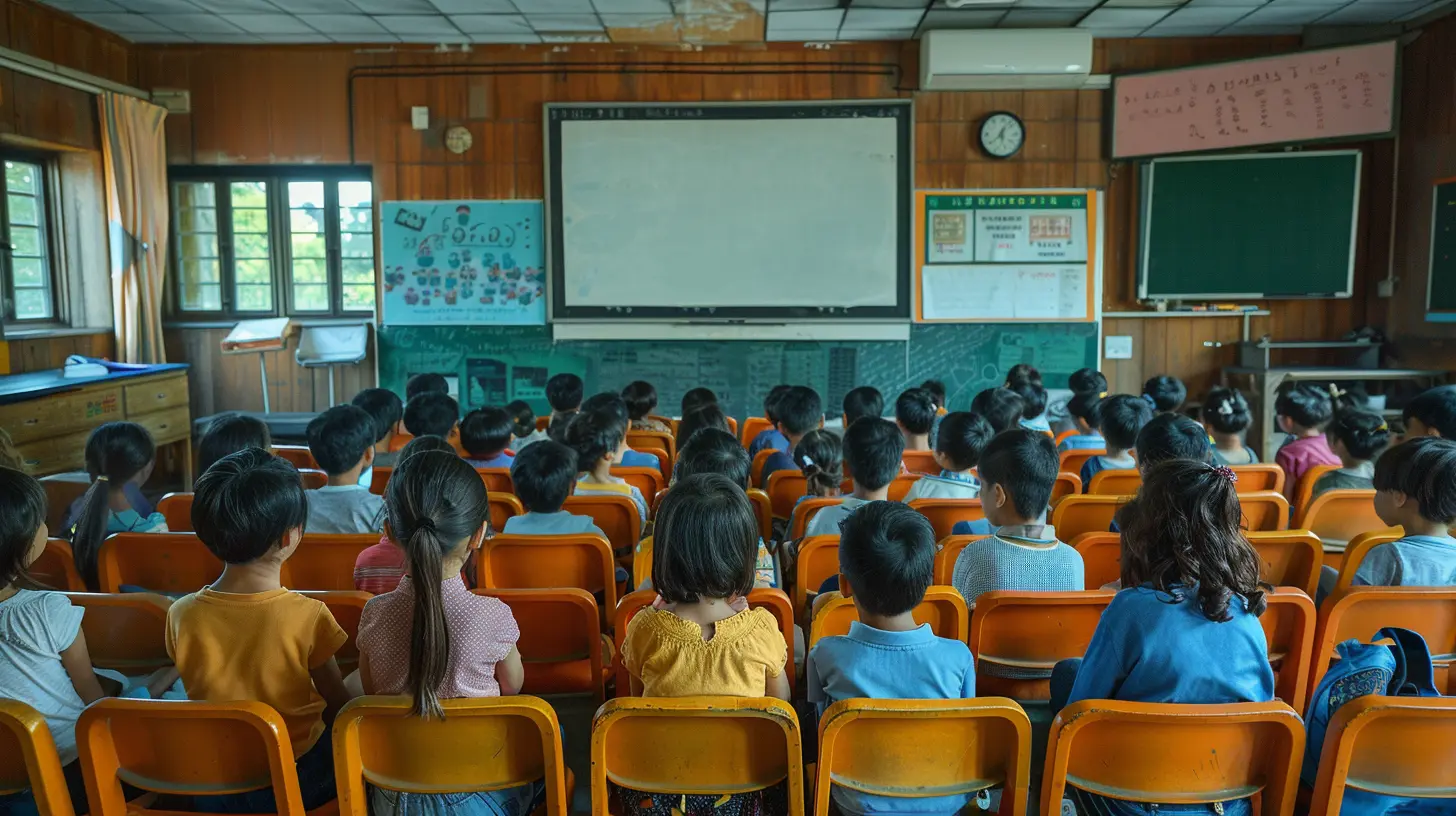
The Core Benefits of the Flipped Classroom Model
Curious why more and more educators are flipping their classrooms? Here’s what they’re seeing:✅ Improved Academic Performance
Studies show students in flipped classrooms often perform better. Why? Because they’re learning actively, not passively. They’re engaged, they’re practicing, and they’re getting instant feedback.✅ Stronger Student-Teacher Relationships
Flipping the classroom gives teachers a chance to work more closely with students—especially those who might be struggling. Instead of lecturing from the front, the teacher walks around, checks in, and helps on the spot. That personal attention can make a huge impact.✅ Encourages Collaboration and Critical Thinking
Group activities, peer discussions, and collaborative problem-solving are baked into flipped classroom time. Students aren’t just memorizing; they’re analyzing, creating, and evaluating—skills that are essential for thriving in the future.
Busting Myths About Flipped Classrooms
Let’s clear the air on some common misconceptions:❌ “It’s Just Watching Videos at Home.”
Not quite. While videos are often part of the homework, flipped learning can include podcasts, articles, interactive lessons, or even game-based content. The magic happens when that at-home material is thoughtfully designed to prepare students for in-class application.❌ “It Only Works for Tech-Savvy Schools.”
Nope. While tech makes it easier, flipping a classroom isn’t about having the fanciest gadgets—it’s about rethinking how time is used. Even with limited resources, educators can use existing tools (like YouTube, Google Classroom, or even printed materials) to make it work.❌ “Students Won’t Do the Homework.”
Some might not—but that’s an issue in any model. The key is making the content engaging and relevant. And when students see that the class activities depend on being prepared, they’re more motivated to stay on top of it.Real-World Examples of Flipped Classrooms
Still not convinced? Let’s take a look at how flipped learning is making waves in real classrooms:? A High School Chemistry Class
In a high school in Texas, the chemistry teacher flipped her lectures using short video lessons. In class, students did hands-on experiments and solved problems in teams. Within months, test scores improved, and students reported feeling “more confident” and “less stressed.”? A University Math Course
A university professor in Canada flipped his introductory calculus course. Instead of lectures, students watched video tutorials at home. In class, they worked in small groups solving complex problems. The result? A 20% increase in average test scores compared to traditional lecture-based classes.How Teachers Can Successfully Flip Their Classroom
Thinking about flipping your own classroom—or supporting teachers who want to? Here’s a step-by-step guide:Step 1: Start Small
You don’t have to flip your entire course overnight. Try flipping one unit, one lesson, or even just the homework for a week.Step 2: Choose the Right Content
Pick topics that students typically struggle with. Then, create short, focused materials they can engage with outside class. Aim for under 10 minutes per video.Step 3: Plan Engaging In-Class Activities
Once students arrive in class, don’t just review. Dive into meaningful, hands-on activities that challenge them to apply what they’ve learned.Step 4: Use Technology Wisely
Tools like Edpuzzle (for adding questions to videos), Google Docs (for collaboration), and LMS platforms (like Canvas or Moodle) can make the flipped model smoother.Step 5: Get Feedback and Adjust
Ask your students what’s working and what’s not. Be flexible. The flipped model isn’t static—it evolves based on what helps your learners most.Challenges to Watch Out For (And How to Handle Them)
Let’s be real—flipping your classroom isn’t always smooth sailing. But the challenges are manageable if you know what to expect.? Students Need Structure
Make expectations crystal clear. Let students know how the flipped model will work and why it’s beneficial. Provide guides, checklists, and timelines to keep them on track.? Not All Students Have Internet Access
No tech at home? No problem. Offer offline options—a USB drive with videos, printed materials, or after-school access to school computers.? There’s a Learning Curve—for Everyone
Teachers and students alike need time to adjust. Start slow, be patient, and celebrate the wins (even small ones).The Bigger Picture: Flipped Learning and the Future of Education
So, where is all this heading? The flipped classroom is more than just a teaching strategy—it’s part of a larger shift toward learner-centered education.Here’s how it fits into the broader future of learning:
- ✅ It supports blended and online learning models.
- ✅ It nurtures 21st-century skills like communication, creativity, and adaptability.
- ✅ It breaks down the “one-size-fits-all” approach in favor of personalization.
As education continues to evolve, models like the flipped classroom will become the norm, not the exception. It empowers students to take ownership of their learning, boosts engagement, and prepares them for life beyond the classroom.
Final Thoughts: Flip the Script, Flip the Future
In a world where students are constantly surrounded by information, the real challenge is no longer accessing knowledge—it’s applying it. The flipped classroom model meets that challenge head-on.It’s not just about reversing the order of teaching. It’s about reimagining what learning can look like when students are active participants, not passive recipients. When teachers become guides, not just lecturers. And when classrooms become places of exploration, not just instruction.
So, whether you’re an educator, parent, or student—embrace the flip. Because the future of education isn’t coming. It’s already here.
all images in this post were generated using AI tools
Category:
Flipped ClassroomAuthor:

Eva Barker
Discussion
rate this article
1 comments
Joy McNeal
Flipped classrooms empower students, enhancing engagement and personalized learning experiences. Exciting approach!
July 11, 2026 at 3:45 AM