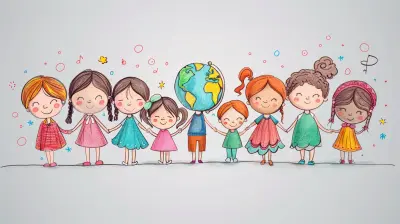
The Benefits of Joining a Community-Based Extracurricular Program
20 March 2026
Ever wondered why extracurricular activities are such a big deal? Sure, they’re fun, but they also offer much more than just a good time. Community-based extracurricular programs, in particular, provide a wealth of benefits that go far beyond the classroom. From personal growth to career advantages, these activities can shape your future in ways you might not expect.
Let’s dive deep into why joining a community-based extracurricular program could be one of the best decisions you’ll ever make.

1. Builds Stronger Social Connections
Humans are social creatures—we thrive on connections. Joining a community-based extracurricular program introduces you to a diverse group of people who share similar interests. It’s not just about meeting new friends; it’s about forming meaningful relationships that could last a lifetime.Think about it. When you work alongside others on a project, a sports team, or a volunteer initiative, you learn how to communicate effectively, collaborate, and support each other. These social skills are essential not just for school but for life in general.

2. Enhances Personal Growth and Development
Extracurricular activities push you out of your comfort zone. Maybe you’re a bit shy or hesitant to take on leadership roles. But when you’re part of a community-based program, you naturally develop confidence. Whether you’re leading a discussion, organizing an event, or simply voicing your opinion, you’ll notice a boost in self-esteem.Over time, these small experiences add up, shaping you into a more resilient, adaptable, and well-rounded individual. And let’s be real—who doesn’t want to feel more confident and capable?

3. Improves Time Management Skills
Balancing school, personal life, and extracurricular activities might seem overwhelming, but it actually teaches you how to manage time effectively. When you’re committed to a program, you quickly realize the importance of planning, prioritizing, and staying organized.For example, if you’re part of a community theater group, you’ll need to juggle rehearsals, schoolwork, and maybe even a part-time job. This kind of responsibility prepares you for future challenges, whether in college or the workforce.

4. Provides a Sense of Purpose
Ever felt lost or unsure about your direction in life? Joining a community-based extracurricular program gives you something to look forward to. It provides structure, goals, and a sense of belonging.Imagine volunteering at an animal shelter every weekend. Not only do you get to spend time with adorable pets, but you’re also making a real difference. That sense of purpose can be incredibly fulfilling and motivating.
5. Boosts College and Job Applications
Let’s face it—colleges and employers love candidates who are more than just good students. Being actively involved in community-based extracurricular programs sets you apart from the competition.Why? Because it demonstrates qualities like leadership, teamwork, and commitment. Admissions officers and hiring managers want to see that you’re engaged, proactive, and willing to go the extra mile.
For instance, if you were the president of a club or coordinated a charity event, that speaks volumes about your initiative and responsibility. These experiences make your application stand out.
6. Develops Leadership Skills
Every great leader started somewhere, and extracurricular activities are the perfect training ground. Whether you’re leading a student organization, mentoring younger members, or heading a project, you’re honing critical leadership skills.Leadership isn’t just about giving orders—it’s about inspiring others, solving problems, and making decisions under pressure. The more you practice these skills in a supportive environment, the better prepared you’ll be for future leadership roles.
7. Encourages Community Engagement
Being part of a community-based program connects you to the world around you. Instead of just focusing on personal achievements, you start to see the bigger picture. You become aware of social issues and learn what it means to contribute positively to society.For example, if you join a local environmental group, you might participate in clean-up drives, tree-planting initiatives, or awareness campaigns. These experiences not only make an impact but also help you develop empathy and a sense of responsibility toward your community.
8. Reduces Stress and Improves Mental Health
Life gets stressful—there’s no denying that. Between school, family expectations, and personal goals, it’s easy to feel overwhelmed. Fortunately, extracurricular activities provide a much-needed escape.Engaging in activities you love releases endorphins (a.k.a. the “feel-good” hormones), reducing stress and boosting happiness. Whether it’s playing sports, painting, or music, these activities give you a break from academic pressure and help maintain mental well-being.
9. Opens Doors to Networking and Mentorship
Who you know can be just as important as what you know. Joining a community-based extracurricular program connects you with like-minded individuals, mentors, and even industry professionals. These connections can be valuable for future opportunities.For instance, if you’re in a robotics club, you might meet engineers or tech professionals who can guide you toward internships or career paths. Networking through these programs can open doors you never even knew existed.
10. Fosters Creativity and Innovation
Creativity isn’t just for artists—it’s a valuable skill in any field. Whether you’re scripting a play, designing posters for an event, or brainstorming solutions for a community issue, extracurricular programs encourage creative thinking.These experiences teach you how to think outside the box, solve problems in unique ways, and develop a mindset that embraces innovation. And let’s be honest—creativity makes life a lot more interesting!
11. Strengthens Academic Performance
Believe it or not, being involved in extracurricular activities can actually improve your academic performance. Studies show that students who participate in extracurricular programs often perform better in school. Why?Because these activities teach discipline, focus, and perseverance—qualities that also help in academics. Plus, if you’re part of a study club or a STEM-related extracurricular, you’re reinforcing your learning in a fun and practical way.
12. Prepares You for the Real World
The best part? Community-based extracurricular programs prepare you for life beyond school. The skills you gain—teamwork, leadership, time management—are directly transferable to the workplace.Think of it as a practice run for the future. The more experiences you gather now, the better equipped you’ll be when entering college, applying for jobs, or even starting your own business.
Final Thoughts
Joining a community-based extracurricular program isn’t just about adding something to your schedule—it’s about enriching your life. From personal growth to career advantages, these programs provide experiences that shape you into a confident, capable, and compassionate individual.So, if you’re contemplating whether or not to get involved, don’t hesitate. Find something that excites you, sign up, and embrace the journey. Who knows? It might just be the best decision you ever make.
all images in this post were generated using AI tools
Category:
Extracurricular ActivitiesAuthor:

Eva Barker
Discussion
rate this article
2 comments
Yolanda Ramos
This article beautifully highlights the transformative power of community-based extracurricular programs! I'm intrigued by how these experiences foster connection, personal growth, and skill development. Can't wait to explore more ways to engage and enrich our communities through such initiatives!
March 22, 2026 at 12:40 PM
Eva Barker
Thank you for your thoughtful comment! I’m glad you found the article inspiring and look forward to seeing how you engage with your community through these initiatives!
Stacey Peterson
In vibrant circles where passions entwine, Connections blossom, and friendships shine. Through shared journeys, we learn and grow, In the heart of a community, our dreams overflow. Join the dance; let your spirit soar!
March 21, 2026 at 11:34 AM
Eva Barker
Thank you! You've beautifully captured the essence of community and its impact on personal growth and connection.