How Gamification Enhances Student Engagement in 2027
17 April 2026
Remember the feeling of being utterly lost in a game? That moment when you’re building a city, solving a puzzle, or leading a team to victory, and hours feel like minutes. Your focus is absolute. Now, imagine if learning trigonometry, dissecting Shakespearean sonnets, or understanding cellular mitosis could evoke that same magnetic pull. This isn’t a far-fetched dream for a distant future. By 2027, the fusion of sophisticated gamification and education is set to transform classrooms from spaces of occasional obligation into vibrant ecosystems of consistent engagement. We’re not just talking about slapping a badge on a quiz. We’re looking at a profound, empathetic, and personalized layer woven into the very fabric of learning. Let’s explore how.
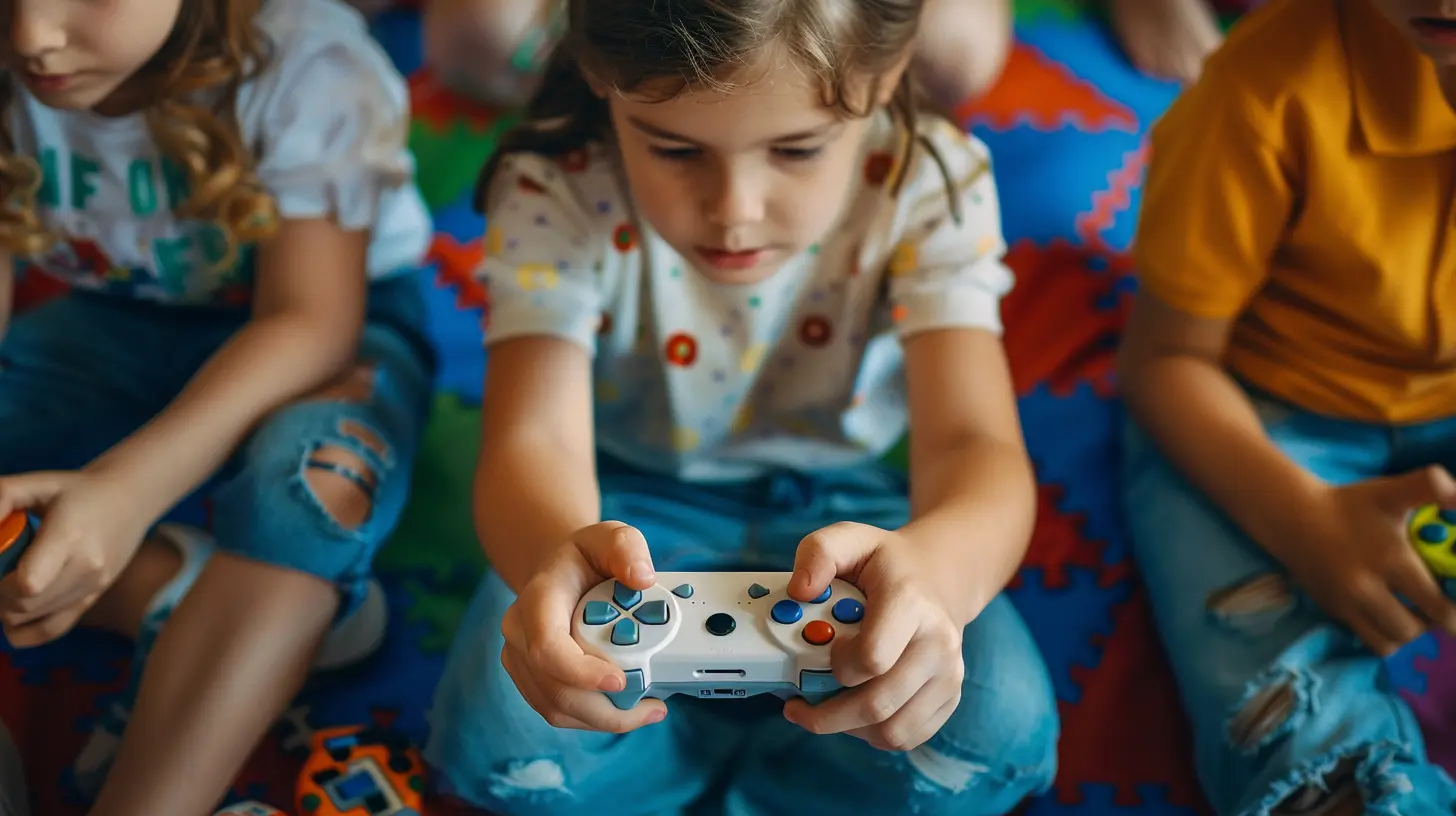
Beyond Points and Badges: The Heart of Modern Gamification
First, let’s clear the air. When I say “gamification,” you might picture a leaderboard that leaves some students feeling deflated or a cartoonish sticker for completing homework. That’s the old playbook. The gamification of 2027 has evolved. It’s less about competition and more about completion and mastery. It’s less about extrinsic carrots and more about intrinsic motivation.Think of it like this: A simple video game gives you a sword and says, “Go kill the dragon.” The gamification of old handed you a badge and said, “Go read the chapter.” But in 2027, it’s about giving you the sword, a map filled with your own personal mysteries, a narrative where you’re the hero, and a supportive guild (your classmates) to journey with. The “dragon” is that challenging concept you need to master, and the victory isn’t just a grade—it’s the palpable feeling of growth and capability.
The Empathy Engine: How AI Personalizes the Challenge
The core driver of this shift is what I like to call the Empathy Engine—advanced AI that does more than track right and wrong answers. By 2027, these systems will understand a student’s emotional and cognitive state. They’ll notice when frustration is building during a math problem, not just that the answer is incorrect. They’ll sense the spark of curiosity when a student lingers on a historical footnote.This allows for dynamic difficulty adjustment, much like a game that gets tougher as your skills improve. Struggling with quadratic equations? The system might gently roll back the challenge, offering a foundational review with a supportive, game-like tutorial. Aceing it? It’ll open a “bonus level” that applies the concept to a real-world engineering problem. This removes the one-size-fits-all approach that leaves so many students either bored or overwhelmed. It meets them exactly where they are, with compassion. Isn’t that what every great teacher strives for?

The 2027 Classroom: A Living, Breathing Learning World
So, what does a day in this gamified 2027 classroom actually look like? Let’s paint a picture.Narrative-Driven Learning Quests
Forget standalone units on “The Water Cycle.” Students might embark on a semester-long quest titled “Guardians of Aquaria.” In this cross-curricular narrative, a fictional planet’s ecosystem is collapsing. In science class, they run simulations to understand evaporation and pollution. In math, they calculate reservoir volumes and filtration rates. In language arts, they write persuasive speeches to the “Planetary Council” (their classmates) to advocate for policy changes. History ties in with studies of real-world water management successes and failures. Each lesson is a story beat. Each assessment is a mission report. The learning has a purpose beyond the test.The Portfolio Power-Up: Avatars & Skill Trees
The traditional report card is getting a major overhaul. In 2027, students may cultivate a digital learning avatar that evolves alongside them. This avatar isn’t just for show; it’s a visual representation of their unique skill tree.Completing a project on public speaking might unlock a “Oratory” branch, lighting up new nodes for “Persuasive Rhetoric” or “Confident Delivery.” Mastering a coding module adds a “Digital Architect” branch. This visual progression is incredibly powerful. It shifts the focus from “What grade did I get?” to “What new abilities did I unlock?” It celebrates granular growth in a way a single letter grade never could. You can literally see your knowledge and character growing—a powerful metaphor for the learning journey itself.
Collaborative Guilds Over Isolated Competition
The lonely scholar toiling alone is an outdated model. The gamified classroom of 2027 thrives on collaborative guilds. Students form small, persistent teams where they take on complementary roles: Researcher, Creative Director, Data Analyst, Presenter. They work together to tackle complex “raid boss” challenges—like designing a sustainable city model or debunking a historical myth using primary sources.These guilds build essential soft skills: communication, delegation, and collective problem-solving. The “points” are often guild-based, fostering a culture of “we’re in this together.” It mirrors the modern workplace and teaches that the biggest challenges are solved not by lone geniuses, but by diverse, cooperative teams.
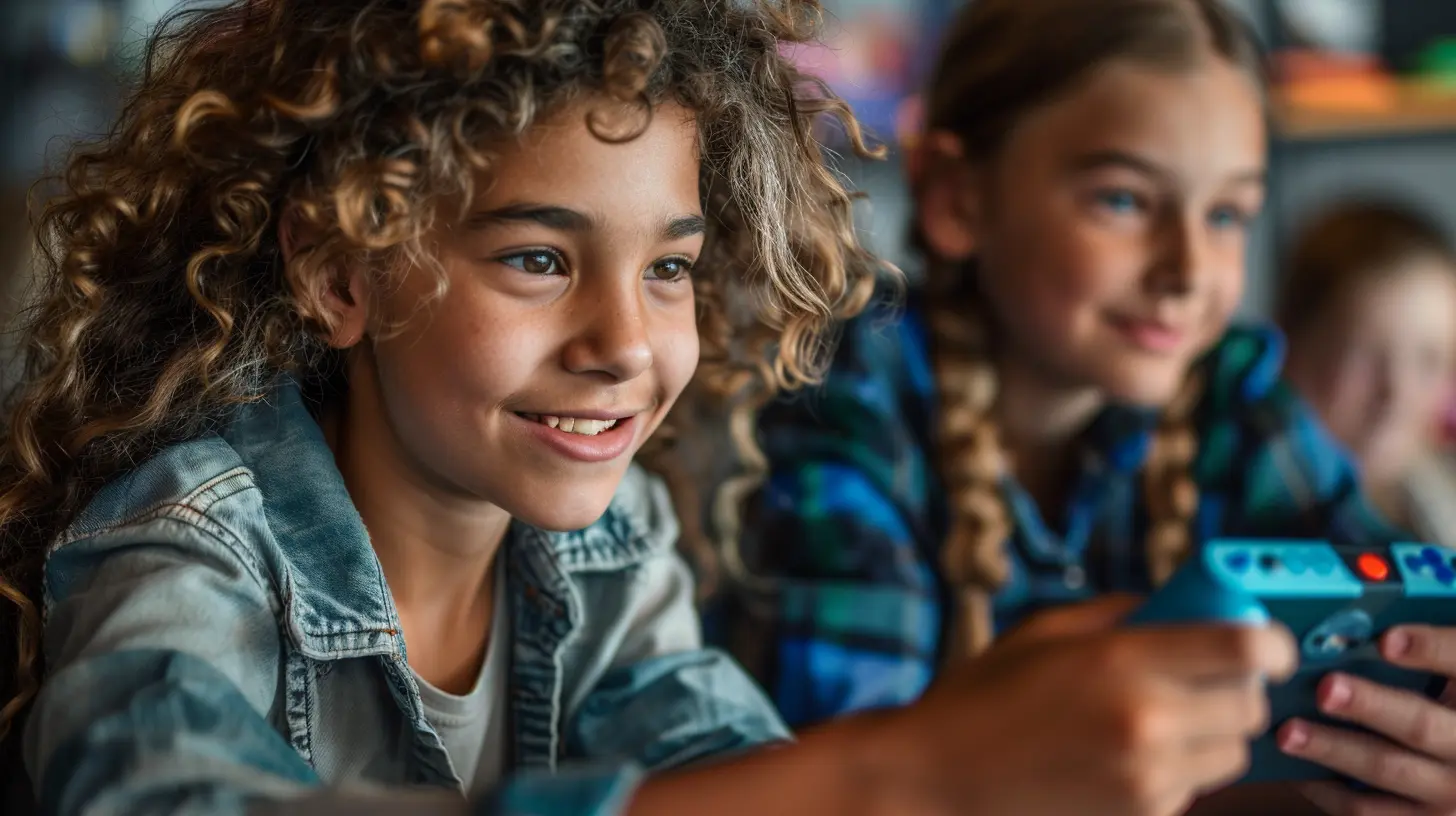
The Teacher: From Lecturer to Game Master & Mentor
This raises a vital question: where does the teacher fit in? Their role becomes more crucial than ever, but it transforms beautifully. The teacher in 2027 is the Game Master (GM) and the Ultimate Mentor.As the GM, they craft the overarching narrative, design the meaningful quests, and ensure the game world (the curriculum) is rich and coherent. They set the stage for adventure. As the Mentor, they use the rich data from the Empathy Engine AI not to punish, but to guide. The AI flags that Sarah is struggling with confidence in her writing; the Mentor pulls her into a “side quest” for a supportive one-on-one coaching session. The AI shows that Miguel is hungry for more physics challenges; the Mentor provides a secret “easter egg” link to advanced simulations from a university lab.
The teacher’s expertise shifts from pure content delivery to curating experience, fostering relationships, and providing the human touch that no AI can replicate. They celebrate the guild’s victories and help reframe “failure” as a necessary step in the quest, offering a “respawn” with new strategies.

Addressing the Pitfalls: Ethical & Inclusive Design
This future isn’t without its cautions. We must design with empathy at the core to avoid new pitfalls. The Engagement Trap: Gamification must serve the learning, not the other way around. The flashiest game that teaches little is a failure. The goal is cognitive* engagement with the material, not just superficial interaction with the game layer.
* Equity of Access: This assumes all students have robust devices and internet. A major focus through 2027 must be ensuring this is a tool for inclusion, not another digital divide.
* Data Privacy & Wellbeing: The Empathy Engine requires data. We need ironclad, transparent policies on how student emotional and cognitive data is used, stored, and protected. Furthermore, we must build in “quiet modes” and ensure the experience doesn’t feel manipulative or addicting in a harmful way. The game should have a satisfying “pause” and “end.”
The gamification of 2027, done right, is a gentle scaffold. It’s not a cage of constant stimulation. It’s a bridge built from a student’s natural desire for play, story, and growth, leading them directly to the destination of deep, lasting knowledge.
The Final Level: Lifelong Learners
By making the process of learning visible, rewarding, and deeply human, we aren’t just raising test scores. We are cultivating lifelong learners. A student who has spent years seeing themselves as a hero on a quest for knowledge, supported by their guild and guided by their mentor, doesn’t stop that journey at graduation. They carry that mindset into their careers, their communities, and their personal lives.They see a challenge not as a threat, but as the next boss level. They see collaboration as the most powerful power-up. They understand that mastery is a skill tree you can cultivate forever. By 2027, gamification won’t just be enhancing student engagement; it will be quietly, compassionately, reshaping our very relationship with the joy of learning itself. And that’s a future worth playing for.
all images in this post were generated using AI tools
Category:
Interactive LearningAuthor:

Eva Barker
Discussion
rate this article
2 comments
Aleta McCaw
This article sparks my curiosity about the future of education! The integration of gamification in 2027 presents fascinating possibilities for boosting student engagement. I’m eager to learn how innovative game mechanics can transform learning experiences and motivate students in ways we haven’t yet imagined.
April 18, 2026 at 11:09 AM
Eva Barker
Thank you for your enthusiasm! The potential of gamification to transform education is indeed exciting, and I'm eager to explore these innovative approaches further. Stay tuned for more insights!
Sophie McNaughton
Gamification in 2027? Sounds amazing, but let’s be real: if the games are more interesting than the lessons, maybe the problem isn’t engagement. Education should ignite curiosity, not just level up scores. Let’s make learning the ultimate adventure, not just a game!
April 17, 2026 at 4:47 AM
Eva Barker
You're right. It's about balancing fun and learning. We need to spark curiosity and make education a true adventure. Gamification can enhance engagement, but it shouldn't overshadow the excitement of discovery.