Engaging Parents in the Flipped Classroom Model
8 December 2025
Education is evolving, and one of the most promising changes we’ve seen is the flipped classroom model. While it has proven effective in enhancing student engagement and performance, there's one group often overlooked in this transition—parents. If you’re an educator or administrator trying to make flipped learning stick, involving parents could be your secret sauce.
But how do we flip the script and get parents on board? That’s exactly what we're diving into in this article.
What Is the Flipped Classroom Model, Anyway?
Before we talk about parents, let’s quickly break down what the flipped classroom actually is. Imagine this: instead of sitting in class listening to a lecture, students watch the lesson at home—usually through a video. Then, the next day in class, they work on problems and projects with the teacher and peers.It’s like turning your traditional classroom upside down—hence, “flipped.”
This model promotes active learning, more personalized support in class, and allows students to learn at their own pace. Sounds great, right? But there's a catch: it only works if students actually engage with the material at home. And this is where parents can play a pivotal role.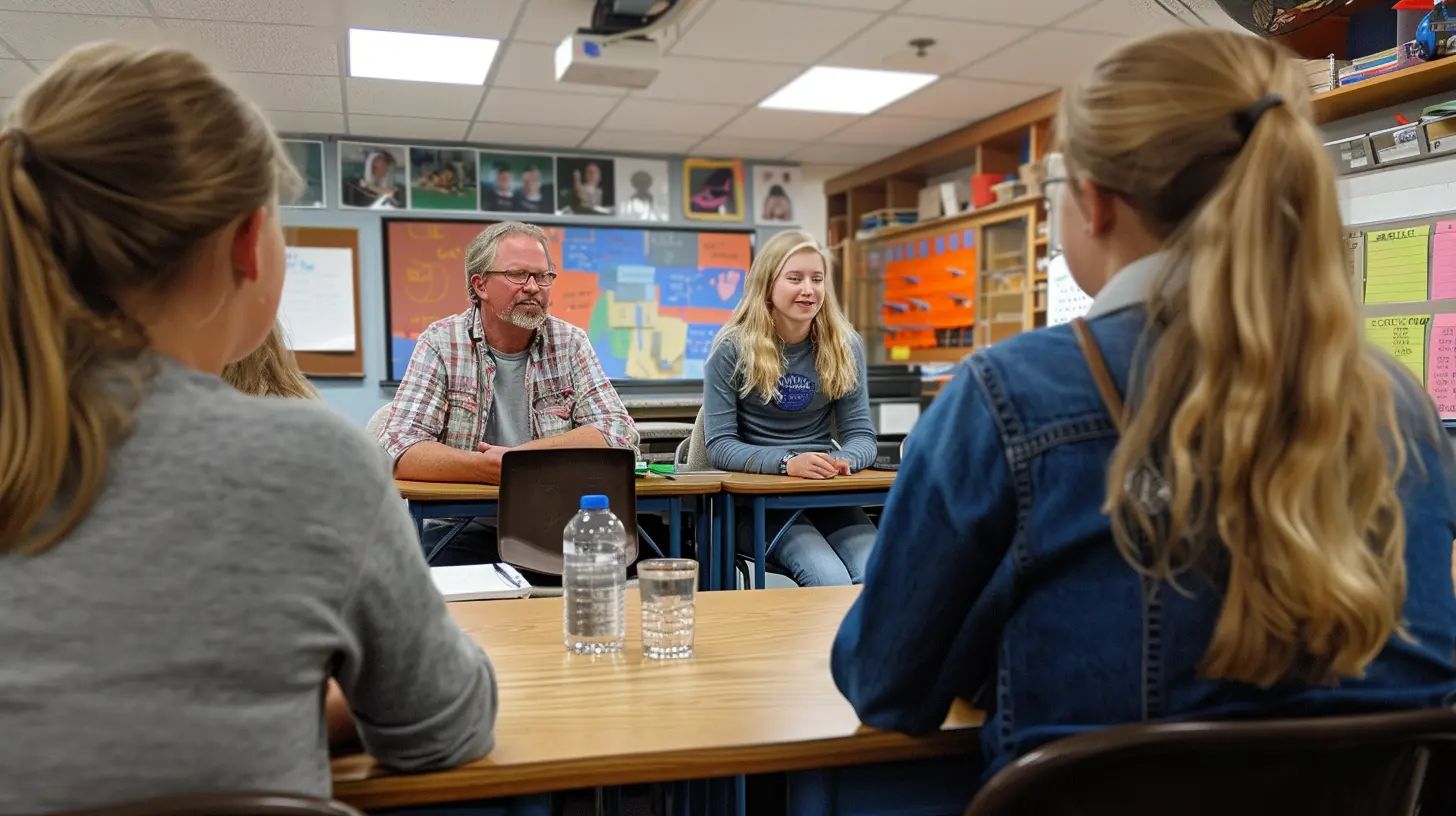
Why Parental Involvement Matters More Than Ever
Let’s be real—parents are already juggling a million things. From their jobs to dinner prep and everything in between, the last thing we want is to add another "to-do" item to their list.But here's the thing. Parental involvement isn’t about micromanaging their child’s education; it’s about being informed and supportive.
Parents can:
- Encourage students to stay consistent with homework (watching the videos)
- Provide a quiet space for learning at home
- Monitor progress without hovering
- Communicate regularly with teachers about what's working and what’s not
The flipped model makes the home environment more integral to the learning process. So, when parents understand the “why” and the “how,” they’re way more likely to support it.
Addressing Common Parental Concerns
Let’s tackle this head-on: not every parent is going to love the idea at first. And that’s okay.Here are a few concerns parents might raise—and how to respond effectively:
1. "Why can't my child just learn in class like we did?"
Totally fair question. But times have changed, and so have student needs. The flipped model frees up classroom time for hands-on activities, discussions, and real-time help. It’s not replacing teachers—it’s maximizing their impact.2. "What if we don’t have reliable internet at home?"
This is a real issue for many families. Schools can help by offering downloadable videos, USB drives, or even allowing access to school facilities after hours. Community centers and libraries might also be open resources.3. "Isn’t this just more screen time?"
Another valid point. However, flipped content is purposeful and focused. It’s not endless scrolling or gaming—it’s structured, short, and specific. Plus, it’s making classroom time more interactive, which is a huge win.
Practical Ways to Involve Parents in the Flipped Model
Now to the good stuff—how do we actually pull this off in the real world?Host Informational Sessions
Before the school year or semester starts, invite parents in for a “flipped 101” night. Show them what the model looks like, share a sample video, and explain how it supports their child’s learning.It’s a lot like reading the user manual before using a new appliance. It just helps everything run smoother.
Send Home a Quick-Start Guide
Put together a simple, easy-to-read handout with:- What the flipped model is
- What’s expected of students
- How parents can help
- FAQs (Keep it short and sweet!)
Think of this as the “cheat sheet” for busy families.
Offer Tech Support
Some parents may not be super tech-savvy, and that’s okay too. Offer brief tutorials or even buddy them up with another parent volunteer. Having a go-to person can ease a lot of anxiety.Communicate Regularly (But Not Overwhelmingly)
Use newsletters, short emails, or remind apps to keep parents in the loop. What’s coming up this week? How did last week go? Share tips, success stories, and gentle reminders.Think of it like a coffee check-in, not a corporate memo.
Building a Home-School Partnership
Here’s an analogy for you—think of a student’s learning journey like a road trip. The teacher is the GPS, giving directions and suggestions. The student is the driver, steering through each mile. The parent? They’re the co-pilot. Not taking over the wheel, but offering snacks, updating the playlist, and helping read signs along the way.When parents, teachers, and students work together, the ride becomes smoother and more enjoyable.
So how do you actually build that trust and teamwork?
Get Personal
No one likes blanket emails or generic updates. Use their names. Share personal wins about their child. Even a 15-second voice message can make a big difference.Celebrate Small Wins
Did a student who never did homework watch all videos this week? Share that with the parent! Everyone likes to hear good news about their kid.Encourage Feedback
Create space for parents to give input. Maybe they notice their child is more stressed or more excited about school. They’ve got insights you might not have.The Long-Term Benefits of Parental Engagement
When parents feel like partners in learning, everything improves. Here’s what we tend to see:- Better student accountability
- Higher engagement at home and in class
- Fewer misunderstandings about homework
- Stronger teacher-parent relationships
- A more collaborative school culture
And honestly? It just feels better. Teaching becomes less of a solo act and more of an ensemble performance.
Flipped Learning Is a Team Sport
Here’s the bottom line—education works best when it’s a team effort. The flipped classroom isn’t just a shift in instruction; it’s a shift in mindset. And engaging parents is a huge part of making that mindset stick.Yes, it takes a little more prep and a little more communication, but the payoff is well worth it. Think of it as planting seeds. The more you water those connections with parents, the more your students bloom.
So, the next time you’re brainstorming how to improve your flipped classroom, don’t forget to ask: “How can I bring parents into the picture?”
Because sometimes, the best way to reach a student… is through the heart of their home.
Quick Tips Recap: How to Engage Parents in Flipped Learning
Let’s wrap up with a cheat sheet—because who doesn’t love one?- ✔️ Keep communication clear and friendly
- ✔️ Host an intro session on flipped learning
- ✔️ Provide a simple guide for parents
- ✔️ Offer tech support for families that need it
- ✔️ Share wins, not just problems
- ✔️ Ask for feedback and listen
- ✔️ Treat parents as partners, not outsiders
Final Thoughts
Flipping a classroom can be a game-changer, but it doesn’t happen in a vacuum. Bringing parents into the mix not only boosts student success—it builds a vibrant learning community. One where students feel supported, teachers feel empowered, and parents feel involved.So go ahead—flip your classroom. And flip the narrative on parent involvement while you’re at it.
Because when we all row in the same direction, the learning journey goes a whole lot farther.
all images in this post were generated using AI tools
Category:
Flipped ClassroomAuthor:

Eva Barker
Discussion
rate this article
2 comments
Amy Mendez
Who knew flipping classrooms could turn parents into superheroes? With all the homework help they’ll need, they might just deserve capes! Time to embrace the parental power-up!
December 18, 2025 at 3:37 AM
Eva Barker
Thank you! Embracing parental involvement in the flipped classroom truly empowers them to become crucial partners in their children's education. Let's celebrate that superhero spirit!
Nell Heath
This article beautifully highlights the importance of parental involvement in the flipped classroom model. Engaging parents fosters a supportive learning environment, ultimately benefiting students and strengthening community ties.
December 15, 2025 at 5:48 AM
Eva Barker
Thank you for your thoughtful comment! I'm glad you found the article highlights valuable—parental involvement is indeed crucial for creating a thriving learning community.