"How Emotional Intelligence Can Improve Parent-Teacher Communication
7 July 2026
Communication between parents and teachers is crucial for a child’s academic success and emotional well-being. But let’s be honest – it’s not always smooth sailing. Misunderstandings, unspoken expectations, and even defensiveness can creep into the conversation, making it hard to find common ground. That’s where emotional intelligence (EI) comes into play.
You might be asking, "Wait, what does emotional intelligence have to do with parent-teacher communication?" Well, quite a lot, actually! Emotional intelligence involves understanding and managing emotions, both your own and others'. Think of it as the secret sauce that can turn a tense discussion into a productive and empathetic conversation. In this article, we’ll dive into how emotional intelligence can help improve parent-teacher communication, and why developing it should be a priority for both parents and teachers alike.

What Is Emotional Intelligence?
Before we get too far ahead, let’s break down what emotional intelligence actually is. Emotional intelligence, often abbreviated as EI or EQ (Emotional Quotient), refers to the ability to:- Recognize and label your own emotions
- Understand the emotions of others
- Use emotional insights to guide your behavior
- Manage emotions in relationships effectively
In a nutshell, emotional intelligence is about being "emotionally smart." It's not just about knowing how you feel, but also understanding how your emotions impact others and how you can use that awareness to navigate social interactions.
Now, let's talk about how this applies to parent-teacher communication.
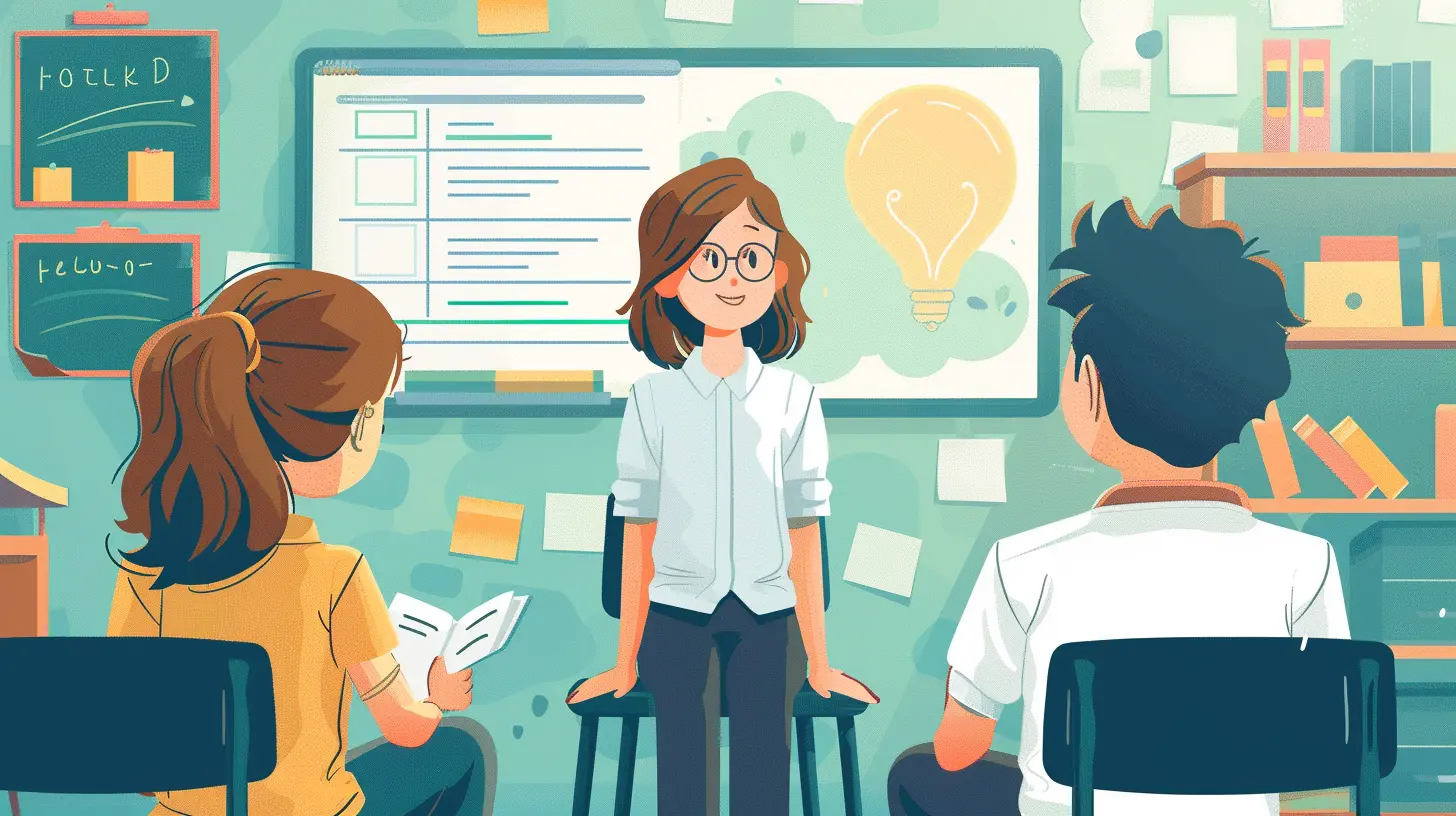
Why Parent-Teacher Communication Can Be Challenging
Parent-teacher communication isn't always a walk in the park. There are multiple factors that can complicate it:- Expectations: Parents may have expectations regarding their child’s education that don’t align with the teacher’s approach.
- Emotions: Let’s face it, parents are deeply invested in their child’s success, and teachers are passionate about their profession. Both parties can feel defensive or misunderstood when things don’t go as planned.
- Time Constraints: Teachers are managing multiple students, while parents are juggling work and family life. Finding time for meaningful communication can be difficult.
Given these obstacles, how can emotional intelligence help bridge the gap? Let's explore.

The Role of Emotional Intelligence in Parent-Teacher Communication
1. Fostering Empathy: Understanding Each Other’s Perspectives
At the heart of emotional intelligence is empathy – the ability to understand and share the feelings of another. Empathy can be a game changer in parent-teacher communication.Imagine a parent who is upset because their child is struggling academically. Without empathy, the conversation could quickly become confrontational. But when both the parent and the teacher practice empathy, the tone shifts. The teacher might say, “I understand that you’re concerned about your child’s progress. Let’s work together to find a solution.” The parent, in turn, might acknowledge the teacher’s effort and expertise, saying, “I know you have a lot of students to manage, and I appreciate your dedication to helping my child.”
By acknowledging each other’s emotions and challenges, both parties can move from a defensive stance to a collaborative one. Emotional intelligence helps create a safe space for open dialogue, which is essential for finding solutions that benefit the child.
2. Managing Emotions: Staying Calm Under Pressure
Let’s be real – emotions can run high when discussing a child’s academic performance or behavior. It's natural to feel frustrated or even defensive if things aren't going as expected. However, emotional intelligence teaches us how to manage these emotions effectively.For instance, if a parent receives unexpected negative feedback about their child, their first reaction might be anger or frustration. Without EI, this could lead to a heated exchange. But with emotional intelligence, the parent might take a moment to breathe and respond calmly, saying something like, “I’m surprised to hear this. Can you help me understand the situation better?”
On the teacher’s side, emotional intelligence can help them remain calm, even if a parent is upset. Instead of reacting defensively, the teacher might say, “I see that you’re upset, and I want to make sure we address your concerns. Let’s talk about how we can support your child moving forward.”
In both cases, emotional intelligence helps to diffuse tension and maintain a productive conversation.
3. Active Listening: More Than Just Hearing
We’ve all been guilty of this at one point or another – listening to respond rather than listening to understand. Emotional intelligence encourages active listening, which is crucial in any conversation but especially in parent-teacher communication.Active listening involves giving your full attention to the speaker, asking clarifying questions, and summarizing what was said to ensure understanding. For example, if a teacher is explaining a child’s academic challenges, an emotionally intelligent parent might say, “Okay, so what I’m hearing is that my child is having trouble with reading comprehension. Is that correct?”
On the flip side, teachers can practice active listening when parents express concerns. Instead of jumping to conclusions or offering solutions right away, the teacher might say, “It sounds like you’re worried about your child’s social interactions at school. Let’s discuss what we can do to improve that.”
By practicing active listening, both parents and teachers are more likely to feel heard and understood, which can lead to more effective problem-solving.
4. Building Trust: The Foundation of Strong Relationships
Emotional intelligence also plays a critical role in building trust, which is the foundation of any strong relationship. Trust is particularly important in parent-teacher communication because both parties need to work together for the child’s benefit.When teachers and parents communicate with emotional intelligence, they demonstrate respect, empathy, and a genuine desire to collaborate. Over time, this builds trust. With trust, parents are more likely to feel comfortable discussing their concerns, and teachers are more likely to feel supported in their efforts.
For example, a parent might feel hesitant to bring up a concern about their child’s progress. But if they trust the teacher, they’re more likely to initiate a conversation. Similarly, teachers who trust parents are more likely to share honest feedback, knowing that the parent will approach the situation with understanding rather than judgment.
5. Problem-Solving: Creating Collaborative Solutions
When emotions are managed and empathy is present, it becomes easier to focus on problem-solving. Emotional intelligence helps parents and teachers move away from blame and toward a solutions-oriented mindset.For instance, if a child is struggling with homework, emotional intelligence can help both parties collaborate on a solution. Instead of pointing fingers, the teacher might ask, “How can we make the homework process more manageable for your child?” The parent could contribute by offering suggestions like creating a more structured homework routine at home.
Both parties are working together to solve the problem, rather than getting stuck in a cycle of frustration.

How to Develop Emotional Intelligence for Better Parent-Teacher Communication
1. Practice Self-Awareness
Becoming more emotionally intelligent starts with self-awareness. Take note of your emotional triggers and how they affect your behavior. Are you quick to become defensive? Do you tend to shut down when the conversation gets tough? By understanding your emotional tendencies, you can work on managing them better during parent-teacher interactions.2. Cultivate Empathy
Put yourself in the other person’s shoes. This is easier said than done, but it makes a world of difference. Parents can try to understand the challenges teachers face, and teachers can acknowledge the concerns that parents have about their children.3. Improve Your Listening Skills
Make a conscious effort to practice active listening. Don’t just wait for your turn to speak – really focus on what the other person is saying. Ask questions and clarify points to show that you’re engaged in the conversation.4. Stay Calm Under Pressure
When emotions run high, take a deep breath before responding. This simple act can give you the space you need to respond thoughtfully instead of reacting impulsively.5. Develop Problem-Solving Skills
Focus on solutions rather than problems. When discussing a challenge, ask yourself, “What can we do to improve this situation?” By staying solutions-oriented, you can avoid getting stuck in a cycle of blame.The Benefits of Emotional Intelligence in Parent-Teacher Communication
When parents and teachers use emotional intelligence, the benefits are clear:- Stronger Relationships: Emotional intelligence builds trust and strengthens relationships, which makes future communication easier and more effective.
- Better Problem-Solving: With emotions under control, both parties can focus on finding solutions rather than getting bogged down by blame or defensiveness.
- Improved Outcomes for Students: When parents and teachers communicate effectively, students are more likely to succeed academically and emotionally.
Conclusion
Emotional intelligence is more than just a buzzword – it’s a powerful tool that can transform parent-teacher communication. By fostering empathy, managing emotions, practicing active listening, building trust, and focusing on solutions, both parents and teachers can work together more effectively for the benefit of the child.So, the next time you're in a parent-teacher meeting, remember that emotional intelligence could be the key to a more productive and positive conversation. After all, we're all on the same team – supporting the child’s growth and well-being.
all images in this post were generated using AI tools
Category:
Emotional IntelligenceAuthor:

Eva Barker
Discussion
rate this article
1 comments
Seraphis Klein
This article highlights a crucial aspect of education. Emotional intelligence is key for fostering better communication between parents and teachers. Understanding each other's perspectives can lead to stronger relationships and ultimately benefit students. It's a reminder that empathy and active listening are essential in the educational environment. Well said!
July 14, 2026 at 2:43 AM
Eva Barker
Thank you for your thoughtful comment! I completely agree that empathy and understanding are vital for enhancing parent-teacher relationships and benefiting our students.