Exploring the Roots of Democracy in Ancient Greece
21 March 2026
Ever wondered where the idea of democracy really began? While it might feel like a modern concept, the roots of democracy stretch back thousands of years to a time when philosophers strolled around in togas and debates happened in open-air forums. Yup, we’re talking about Ancient Greece—the cradle of democratic thought.
In this article, we’re going to unpack how democracy sprouted in Greek soil, who watered those seeds of change, and why it still matters today. So, grab a cup of something warm and settle in. This journey is as old as time, but trust me, it's anything but boring.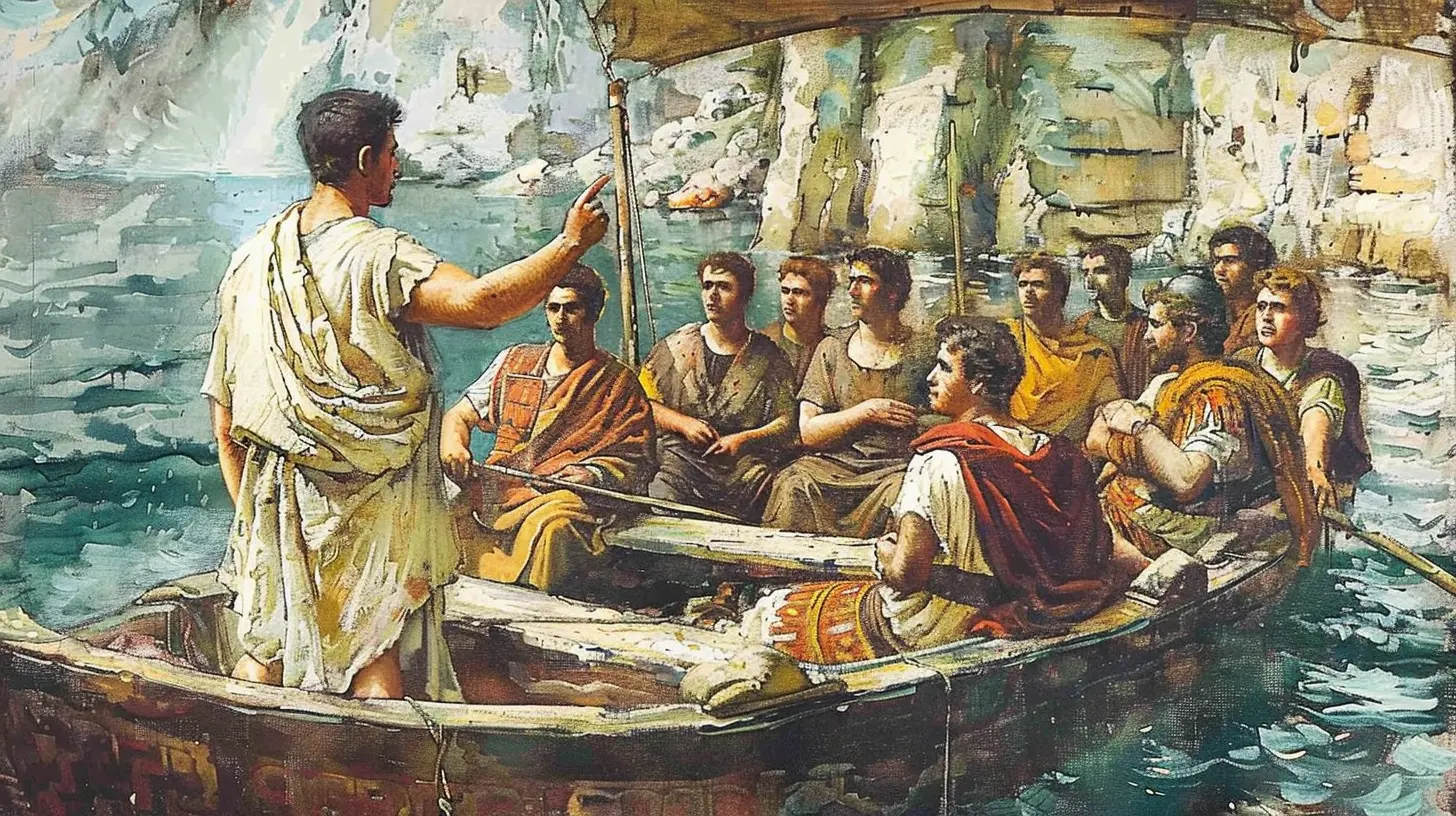
What Is Democracy, Anyway?
Let’s start with the basics. The word "democracy" comes from two Greek words: demos meaning "people," and kratos meaning "power" or "rule." Put those together and you've got "rule by the people." Not a bad setup, right?But here’s the thing—when we talk about Ancient Greek democracy, we’re not talking elections with booths and ballots like today. This was direct democracy. That means citizens (well, some of them) didn’t vote for representatives—they voted on everything themselves.
Sounds chaotic? Maybe. Revolutionary? Definitely.
Why Greece? Why Then?
You might be wondering, “Why did democracy pop up in Ancient Greece and not, say, Ancient Egypt?” Great question!Ancient Greece wasn’t a single unified country. It was made up of city-states, or poleis, each with its own government. Among these city-states, Athens stood out like a bright star in the night sky.
Several reasons made Athens the perfect breeding ground for democratic ideals:
- Geography: Its fragmented landscape promoted smaller, independent communities where local governance was key.
- Economy: Traders and merchants brought in new ideas and a sense of independence.
- Warfare: Frequent wars meant citizens needed to be involved and invested in decisions.
- Philosophy: Greek thinkers loved to question everything. They were all about “Why?” and “What if?”
With all these factors swirling together, Athens became the ideal laboratory for a bold political experiment.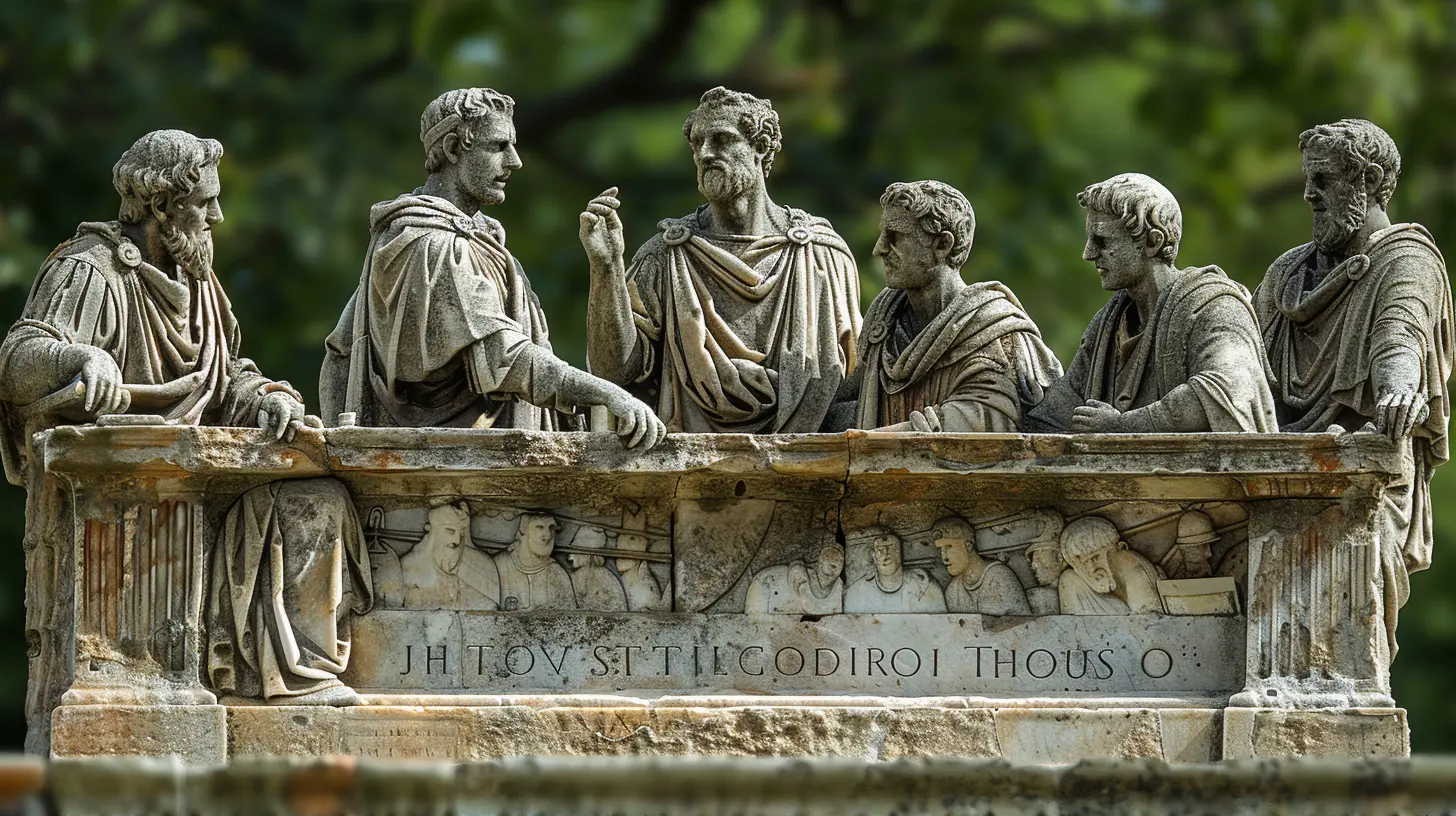
The Birth of Athenian Democracy
So, how did it all begin? Let’s meet a few of the masterminds behind the movement.Solon: The Foundation Layer
Around 594 BCE, Athens was in chaos. Think massive debts, social unrest, and political inequality. Into this mess walked Solon—a nobleman with a reformer's heart.Solon restructured the whole political system. He canceled debts, freed slaves, and most importantly, opened up government roles to more citizens (not just the elite). His reforms weren’t democracy as we know it, but they laid the groundwork.
Cleisthenes: The Architect of Democracy
Fast forward to 508 BCE, and along came Cleisthenes. This guy didn’t just lay bricks—he built the house. Cleisthenes reorganized the population into ten tribes based on residence rather than wealth or family ties. Smart move.He also created the Council of 500, where citizens could actually participate in making laws. Think of it like Ancient Greece’s version of a city council, only with more shouting and less air conditioning.
This system gave ordinary (male) citizens a direct say in how their city-state was run. It was messy. It was loud. And it was beautiful.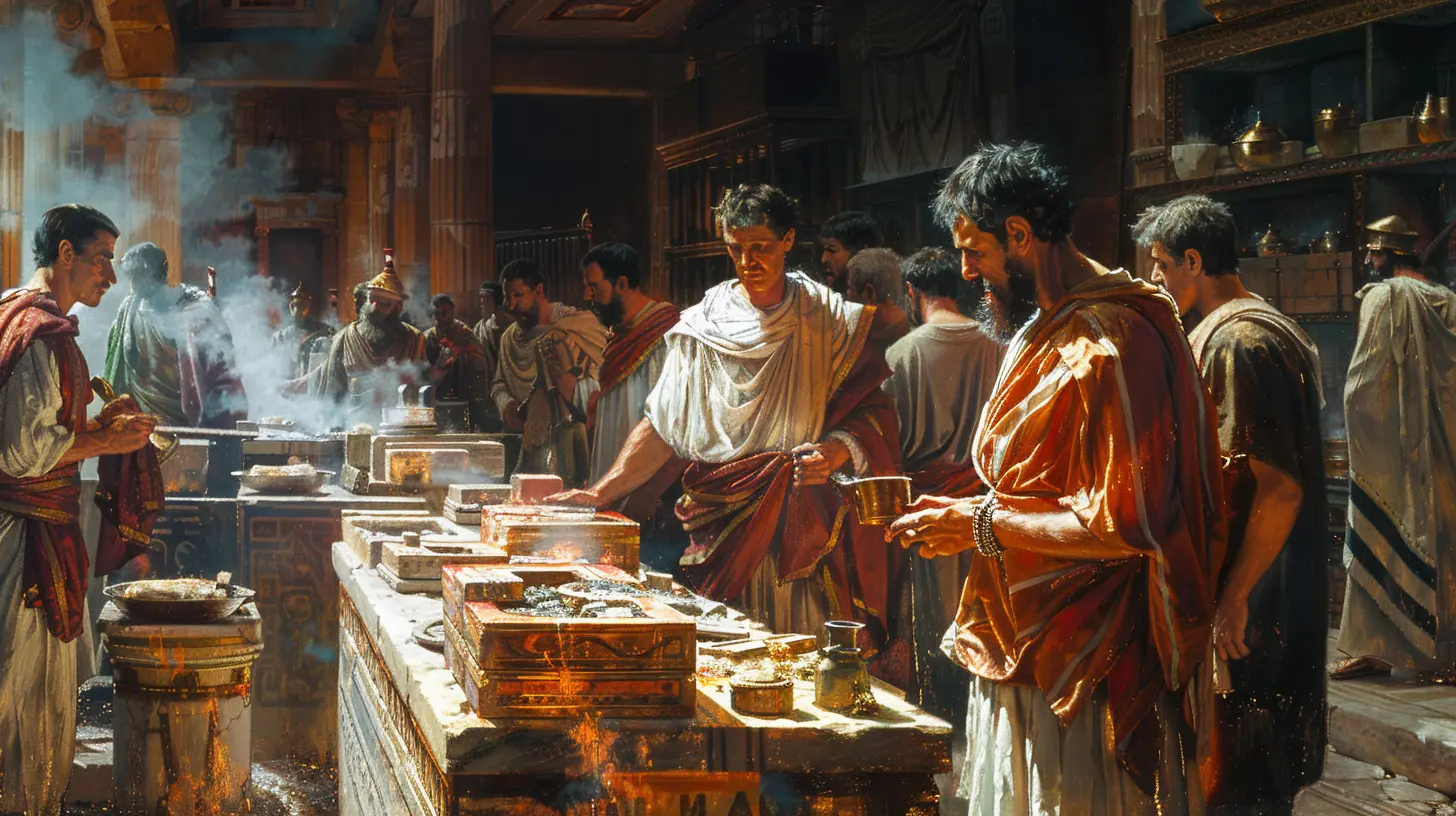
How Did Athenian Democracy Work?
Let’s zoom in. If you were a male citizen in Athens (sorry, women, slaves, and foreigners were out of luck), your political life could be surprisingly active.The Assembly (Ekklesia)
This was the heart of Athenian democracy. Picture thousands of citizens gathering on a hill to debate and vote. They made decisions on war, foreign policy, laws, and budgets—all by a show of hands. No pressure.The Council of 500 (Boule)
These were everyday citizens chosen by lottery. Their job? Set the agenda for the Assembly and make sure things didn’t spiral into chaos. Imagine drawing names from a hat to decide who plans city policy. That’s how seriously Athens took equality.The Courts (Dikasteria)
Athenians loved a good trial. Jurors, often in the hundreds, were also randomly selected. No judges, no lawyers—just citizens deciding the fate of others. It’s like Judge Judy, only with togas.Wait, Was It Really "For the People"?
Okay, let’s be honest here. Athenian democracy had its flaws—pretty big ones, actually.- Only Citizens Could Vote: That meant no women, no slaves, no immigrants. Only about 10-20% of the population had political rights.
- Slavery Was Common: It’s a harsh truth, but slavery supported the economy, even in democratic Athens.
- Ostracism: Citizens could vote to exile someone for 10 years. Yup, you could be booted out just because people didn’t like you.
So was it perfect? Not even close.
But was it a groundbreaking shift toward inclusive governance? Absolutely.
The Role of Philosophy in Shaping Democracy
Now, we can’t talk about Greece without tipping our hats to philosophy. These folks weren’t just navel-gazing—they were actively shaping political thought.Socrates: The Questioner
Socrates made people uncomfortable. He asked tough questions, challenged authority, and basically poked holes in every assumption. While he didn’t write anything himself, his ideas, passed down by his student Plato, forced Athenians to rethink justice, ethics, and governance.Plato: The Skeptic
Ironically, Plato wasn’t a fan of democracy. In his work The Republic, he argued for rule by philosopher-kings—you know, wise folks who knew what’s best. He saw democracy as chaotic and susceptible to mob rule.Aristotle: The Analyzer
Aristotle took a more balanced view. In Politics, he classified governments and said democracy could work, under the right conditions. He emphasized the role of a strong middle class and civic responsibility. Basically, he was the middle-ground guy.Democracy’s Lasting Legacy
So why does Ancient Greece matter today? Because they gave us more than just democracy—they gave us the idea that ordinary people can and should have a say in how they’re governed.- The U.S. Constitution? Inspired by Greek ideals.
- Modern parliaments? Rooted in the Assembly.
- Citizenship, rule of law, debates? All thanks to the Greeks.
Even the idea of randomly selecting officials to prevent corruption is being reconsidered in some modern governments. Crazy, right?
What Can We Learn Today?
If there’s one takeaway from Ancient Greek democracy, it’s this: Democracy is a living thing. It needs participation, criticism, and constant care. It’s not perfect, but it beats the alternative.Still, we should also learn from their mistakes—like excluding huge parts of the population from decision-making. The more voices we include, the stronger our democracy becomes.
So next time you vote, speak up, or participate in your community, just know—you’re part of a tradition that goes back thousands of years. You’re standing in the footsteps of philosophers and rebels who believed that the people deserve a voice.
Final Thoughts
Ancient Greece didn’t invent all the answers, but they asked the right questions. And they dared to trust in the power of ordinary people. That spark lit a flame that continues to burn today in governments around the world.So yeah, democracy is old. But it’s also timeless.
all images in this post were generated using AI tools
Category:
Social StudiesAuthor:

Eva Barker
Discussion
rate this article
2 comments
Madalyn Shaffer
Great insights on democracy's historical foundations!
March 26, 2026 at 1:04 PM
Eva Barker
Thank you! I'm glad you found the insights valuable.
Fern Castillo
Great insights! Ancient Greece truly inspires our modern democratic ideals today!
March 24, 2026 at 5:50 AM
Eva Barker
Thank you! I'm glad you found the insights valuable. Ancient Greece indeed laid the foundation for our democratic values.