Why Project-Based Learning Will Dominate Education by 2027
1 May 2026
Let me ask you something: when was the last time you actually remembered something you memorized for a test? I mean, really remembered it, not just for the exam but weeks or months later. For most of us, that list of dates in history class or that formula in algebra is long gone. But I bet you still remember that science project where you built a volcano that actually erupted, or that group presentation where you had to solve a real problem in your community.
That's the thing about learning by doing. It sticks. And that's exactly why project-based learning, or PBL, is about to take over education in a big way. By 2027, I'm predicting this approach won't just be a trend in fancy private schools or progressive districts. It'll be the norm. Here's why.
The Old Way Is Failing Us
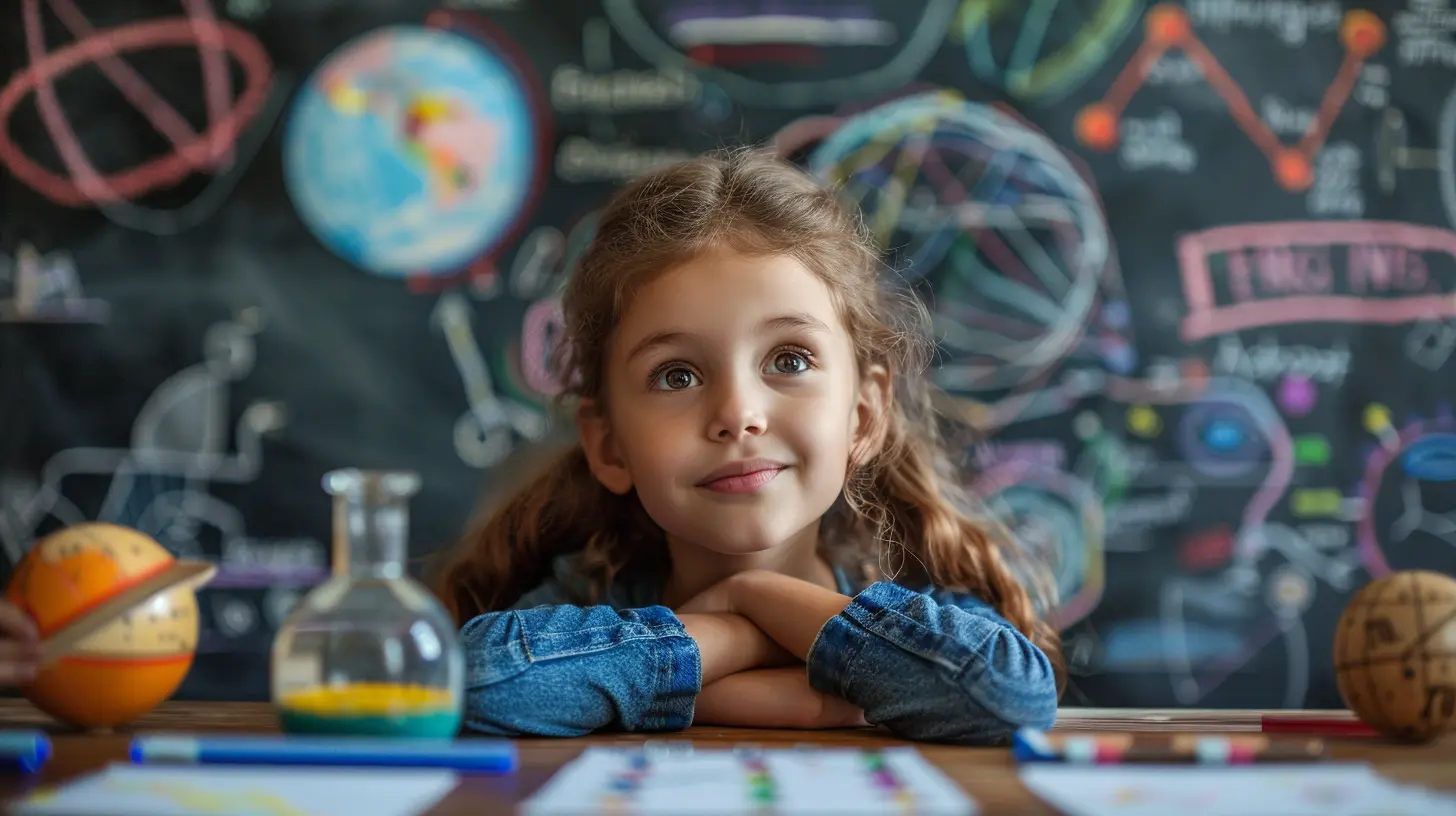
Look, I'm not here to bash traditional education completely. It gave us reading, writing, and arithmetic, and that's no small thing. But let's be real: the sit-and-listen model is running on fumes. We've all seen it. Kids sitting in rows, staring at a whiteboard, taking notes they'll never look at again. Teachers talking for 45 minutes while half the class zones out. Then a multiple-choice test that measures nothing but short-term recall.The world outside school doesn't work that way. When you get a job, nobody hands you a worksheet. They say, "Here's a problem. Figure it out." That's project-based learning in a nutshell. And by 2027, the gap between what school teaches and what life demands will be so wide that we won't have a choice but to switch.
Think about it: we're heading into a world of AI, automation, and constant change. The jobs that exist today might not exist in five years. What's the point of memorizing facts that a chatbot can spit out in two seconds? The skills that matter now are creativity, collaboration, critical thinking, and communication. And surprise, surprise, those are exactly the skills PBL builds.
What Project-Based Learning Actually Looks Like
So what do I mean by project-based learning? I'm not talking about a random poster board assignment or a group project that one kid does while everyone else watches. Real PBL is a structured, deep dive into a meaningful question or problem.Imagine a class where students are asked, "How can we reduce food waste in our school cafeteria?" They don't just read about food waste. They interview cafeteria staff, collect data on how much food gets thrown away, research composting, design a campaign to get students to take only what they'll eat, and present their findings to the principal. That's not busywork. That's real learning applied to a real issue.
By 2027, this kind of thing will be happening in classrooms everywhere. Why? Because it works. Studies show that students in PBL programs score higher on critical thinking tests and retain information longer. They also show up more. When kids feel like their work matters, they actually want to be in class. Shocker, right?
The Tech Shift That's Making It Possible
Let's talk about technology, because that's a huge driver here. By 2027, the tools we have for PBL will be light-years ahead of what we have now. I'm not just talking about laptops and tablets. I mean AI that can help students research faster, virtual reality that lets them visit ancient Rome or the human bloodstream, and collaboration platforms that connect them with experts across the globe.Five years ago, setting up a project where students could interview a marine biologist in Australia was a logistical nightmare. Now? It's a Zoom call away. By 2027, these connections will be seamless. Students won't just learn about climate change from a textbook. They'll work with real scientists to analyze data from ocean buoys. They won't just read about entrepreneurship. They'll launch a micro-business with mentorship from actual founders.
The technology isn't the point, though. It's an enabler. PBL has been around for decades, but it was hard to scale. You needed a passionate teacher, a flexible schedule, and a lot of resources. Tech is leveling that playing field. By 2027, even underfunded schools will be able to offer rich project experiences because the tools will be cheap, accessible, and intuitive.
Why Employers Are Pushing for This
Here's a little secret: employers have been complaining about the skills gap for years. They hire graduates who have degrees but can't work in a team, can't solve open-ended problems, and can't communicate clearly. That's not the graduates' fault. They were trained to memorize and regurgitate.By 2027, the business world will have even less patience for that. Automation will handle routine tasks. The jobs that remain will require human judgment, creativity, and empathy. PBL is the only educational model that systematically builds those traits. When a student completes a six-week project on urban planning, they've practiced collaboration, dealt with setbacks, made decisions with incomplete information, and presented their work under pressure. That's exactly what a project manager does.
Companies like Google, Apple, and Microsoft already hire based on portfolios and problem-solving ability, not just GPAs. That trend will accelerate. By 2027, I expect the college admissions process itself to shift toward project portfolios over test scores. Why? Because a transcript tells you what a student was taught. A project tells you what a student can do.
The Teacher's Role Changes (For the Better)
I know what some teachers are thinking: "This sounds like more work." And honestly, it is at first. Shifting from a lecture-based classroom to a PBL classroom is a big change. You can't just recycle lesson plans from last year. You have to design driving questions, scaffold research, and coach students through dead ends.But here's the thing: by 2027, the teacher's role will be more rewarding, not less. Instead of being a dispenser of information, you become a facilitator of discovery. You get to see lightbulb moments every day. You watch kids struggle, then figure it out. You build relationships that go beyond attendance sheets and test scores.
And the tools will help. By 2027, AI will handle a lot of the busywork: grading multiple-choice quizzes, generating practice problems, tracking student progress. That frees teachers up to do what they do best: inspire, mentor, and guide. The best teachers already know that their real value isn't in explaining the Pythagorean theorem. It's in showing a kid that they can solve hard problems.
What Parents Need to Know
If you're a parent reading this, you might be worried. "My kid needs to know the basics. What about grammar? What about math facts?" I hear you. And I'm not saying PBL throws those out. A good project-based classroom still teaches fundamental skills. But it teaches them in context.Instead of a worksheet on fractions, students figure out how to double a recipe for a class bake sale. Instead of a grammar drill, they write a persuasive letter to the city council about a park cleanup. The skills are the same, but the motivation is completely different. Kids learn fractions because they need them to avoid a baking disaster. They learn grammar because a typo in that letter could make them look silly.
By 2027, parents will be demanding PBL. They'll see that their kids are more engaged, more confident, and more prepared for the real world. They'll realize that a portfolio of projects is worth more than a report card full of As.
The Big Obstacles (And Why They'll Fall)
Of course, there are barriers. Standardized testing is still a monster. Many school systems are built around rigid schedules and bell curves. Some teachers are resistant to change. And equity is a real concern: not every student has the same access to resources at home.But here's why I'm optimistic about 2027. The testing industry is already crumbling. States are dropping high-stakes exams. Colleges are going test-optional. The pandemic showed us that a one-size-fits-all model doesn't work. And the equity issue? PBL can actually help. When learning is project-based, students can work with what they have. A kid without internet can still interview family members, build something from recycled materials, or observe nature in a local park. It's more flexible than a worksheet that requires online access.
By 2027, schools will realize that the real equity gap isn't about technology. It's about relevance. Kids who are bored and disengaged fall behind. Kids who see purpose in their work catch up and go beyond.
A Real Example to Think About
Let me give you a concrete picture. It's 2027. A middle school class is starting a project called "Design a Resilient City." The driving question is: "How can we make our town better prepared for floods and heatwaves?"For the next six weeks, students do everything. They analyze weather data from the past decade. They interview the city's emergency manager. They learn about green infrastructure like rain gardens and cool roofs. They build scale models of proposed solutions. They write a report and present it to the city council. Along the way, they learn statistics, writing, public speaking, urban planning, and environmental science. They also learn how to disagree productively, how to revise their work, and how to handle constructive criticism.
Compare that to a traditional unit where they read a chapter on climate change, watch a video, and take a test. Which one do you think they'll remember in 2027? Which one do you think will make them better citizens, better workers, better humans?
The Cultural Shift We're Already Seeing
This isn't a prediction about some far-off future. The shift is already happening. Schools in Finland, Singapore, and parts of the U.S. have been moving toward PBL for years. Microschools and homeschooling networks have embraced it. Even corporate training programs are dumping lectures for hands-on challenges.By 2027, this will be the mainstream conversation. We'll look back at the old model and wonder why we stuck with it for so long. It's like asking why we still used typewriters when word processors existed. The answer is inertia. But inertia only lasts until the pain of staying the same outweighs the pain of change.
The pain is here. Student disengagement is at an all-time high. Mental health issues are skyrocketing. Graduates are unprepared. The system is creaking under its own weight. PBL isn't a magic bullet, but it's a powerful antidote to a lot of what's broken.
What You Can Do Right Now
If you're a teacher, start small. Pick one unit this semester and turn it into a project. Ask your students what they care about and build from there. You don't need to overhaul your entire curriculum overnight.If you're a parent, talk to your child's school. Ask if they offer any project-based opportunities. Volunteer to help with a project if you have a skill to share. And at home, encourage your kids to take on their own projects: building a birdhouse, starting a small business, planning a family trip.
If you're a student, don't wait for the system to change. Pick a problem you care about and start working on it. Find a mentor, use free online resources, and build something. The skills you develop will be worth more than any grade.
The Bottom Line
By 2027, project-based learning won't just be a nice idea. It'll be the only way that makes sense. The world is changing fast, and education has to keep up. We can't keep preparing students for a world that no longer exists.PBL isn't about ditching rigor. It's about making rigor meaningful. It's about saying, "You don't just need to know this. You need to be able to use it." And that's a shift worth getting excited about.
So, are you ready for 2027? Because it's coming faster than you think. And if you ask me, it's going to be a whole lot better for everyone involved.
all images in this post were generated using AI tools
Category:
Education BlogsAuthor:

Eva Barker
Discussion
rate this article
2 comments
Gabriel Jordan
Project-based learning engages students in real-world issues, fostering critical thinking and collaboration. It's a powerful approach that prepares them for future challenges... plain and simple.
May 9, 2026 at 10:39 AM
Eva Barker
Absolutely, project-based learning not only makes lessons relevant but also builds essential skills. It's key for equipping students to tackle real-world problems.
Blaze Morgan
This article highlights the exciting potential of project-based learning. It's inspiring to see how this approach can engage students more deeply and prepare them for real-world challenges. Looking forward to seeing how education evolves with this method!
May 1, 2026 at 4:06 AM
Eva Barker
Thank you for your thoughts! I'm glad you found the potential of project-based learning inspiring. It's definitely an exciting shift in education.