Understanding Nationalism in a Globalized World
19 March 2026
In today’s world, where your voice can travel across continents with just a tweet, there’s an interesting tug-of-war happening. On one side, we’ve got globalization — that big, sprawling web that connects economies, cultures, and people. On the other, we’ve got nationalism — a more inward-looking mindset focused on pride in one's nation, culture, and sovereignty. What happens when these two collide? Or better yet, can they even coexist? Let’s dive deep into this fascinating topic of understanding nationalism in a globalized world.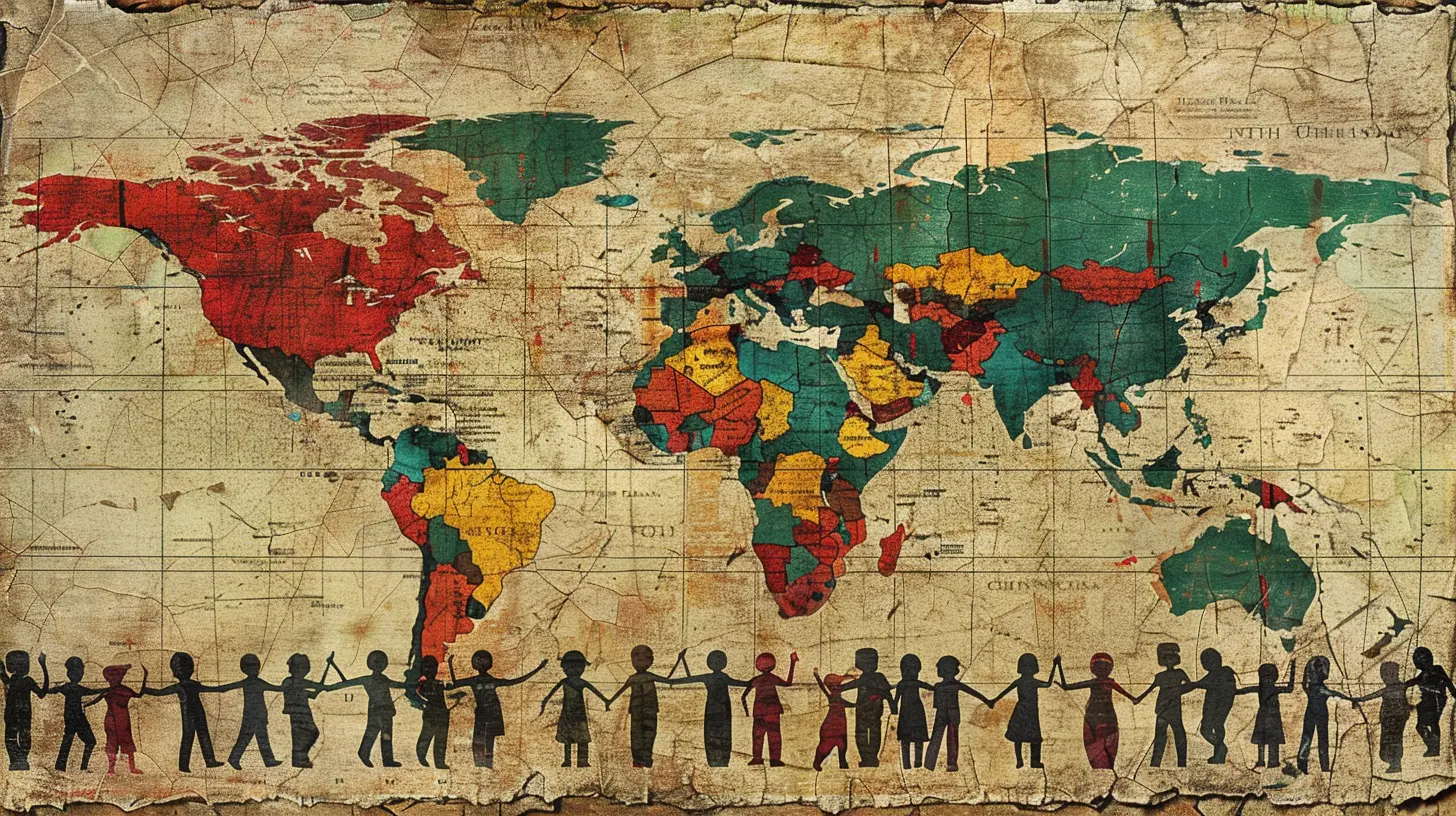
What Is Nationalism, Anyway?
Alright, let’s start with the basics.Nationalism, at its core, is a belief that a people who share a common language, history, and culture should form an independent nation, free from foreign domination. It's about identity, belonging, and pride in one’s nation. Sounds reasonable, right?
But nationalism isn’t a one-size-fits-all concept. It comes in many shades:
- Civic nationalism – the belief in national unity formed through shared values like democracy, freedom, and equality.
- Ethnic nationalism – where national identity is based more on shared heritage, language, or ancestry.
- Cultural nationalism – focused on preserving a specific way of life, traditions, or culture.
Each type brings something different to the table, especially when we view it through the lens of globalization.
What Exactly Is Globalization?
If you've ever used Spotify, bought something off Amazon, or eaten sushi in a non-Japanese country, congrats — you’ve experienced globalization.Globalization is all about interconnectivity. It's the process by which information, goods, services, and cultures move freely across borders, creating a more integrated and interdependent world.
From international trade agreements to social media interactions across continents, globalization shrinks the world (figuratively, of course). But here’s the catch — while it brings people together, it can also make individuals and even entire nations feel like they’re losing their cultural uniqueness. That’s often where nationalism comes marching in.
The Rise of Nationalism in a Globalized Era
You’d think that as we become more connected, nationalism would fade. After all, who needs borders when your memes go viral in 15 countries?But the opposite is happening in many places. Nationalism is making a comeback — and in some areas, it’s roaring louder than ever.
Why Is This Happening?
Here are a few reasons:1. Cultural Anxiety
Globalization can sometimes feel like a cultural blender. As borders blur, traditional customs, languages, and identities may feel threatened. Think of small villages seeing their youth adopt global fashion trends over traditional attire. That change can be unsettling for many.
2. Economic Competition
While globalization has opened up markets, it's also increased competition. Outsourcing, automation, and international trade deals can impact local jobs. Many folks, especially in working-class sectors, feel left behind and turn to nationalism as a way to reclaim economic control.
3. Migration and Identity
Increased migration flows (often fueled by wars, climate change, or economic opportunities) lead to more multicultural societies. While diversity can absolutely be a strength, it can also cause friction about integration, identity, and belonging. Nationalist movements often respond to this by emphasizing “protecting” the native culture.
4. Political Populism
Let’s not forget how some leaders stoke nationalist sentiment to gain political power. Campaign slogans like “Make [Insert Country] Great Again” play directly into nationalistic feelings — especially when people feel ignored or disillusioned with traditional politics.
Nationalism: The Good, The Bad, and The Complex
Like most things in life, nationalism isn’t black and white.The Good Side
When rooted in shared values and inclusive identity, nationalism can actually be a force for good. It can:- Promote unity and collective pride.
- Strengthen democratic participation.
- Encourage civic responsibility.
- Foster resilience in times of national crises.
Just think of how countries rally together during natural disasters or cheer for their national team. That kind of unity stems from a healthy form of nationalism.
The Bad Side
Unfortunately, nationalism can also go off the rails — real fast.History shows us what extreme nationalism looks like. Think totalitarian regimes, ethnic cleansing, or colonialism. In its more toxic form, nationalism becomes exclusionary, even hostile, rejecting anything “foreign” and marginalizing minorities.
This form of nationalism can lead to:
- Xenophobia and racism.
- Isolationist policies that harm international cooperation.
- Conflicts over borders and sovereignty.
Nationalism vs. Globalization: Is It Really One or the Other?
Now here’s the million-dollar question: Do we have to choose?Must nationalism and globalization always be on opposite teams? Not necessarily.
Some scholars argue they can actually complement each other — it just depends on how we frame them.
Finding the Balance
Let’s say you’re proud of your heritage and traditions. That doesn’t mean you’re against international collaboration, right?Just because someone enjoys Bollywood and also eats spaghetti doesn’t mean their sense of identity is in crisis. Cultures can mingle without disappearing. Globalization doesn’t automatically erase national identities — it can actually give them a bigger stage.
In fact, many successful multicultural countries (like Canada or Switzerland) have found ways to embrace national pride while still being open and global-minded.
Real-Life Examples: Where Theory Meets Reality
Let’s zoom in on some real-world scenarios.Brexit
The United Kingdom’s decision to leave the European Union (Brexit) was largely driven by nationalist sentiment. Supporters argued for “taking back control” — of borders, laws, and economy. It was a reaction against centralized EU policies and a desire to reclaim national sovereignty.America First
In the U.S., the “America First” movement pushed for stricter immigration controls, trade protectionism, and a reduced role in global affairs. It reshaped America’s foreign policy and sparked debates around international cooperation versus national interest.Rise of Right-Wing Parties in Europe
Countries like Hungary, Poland, and France have seen a surge in nationalist parties. These groups often campaign against immigration and emphasize national traditions and identity in response to the perceived threats of globalization.The Role of Education in Shaping Nationalism
Here’s something powerful: how we educate the next generation can shape how nationalism develops in the future.Rather than teaching blind patriotism, schools can:
- Promote critical thinking about national history (the good AND the bad).
- Emphasize global citizenship alongside national identity.
- Encourage respect for diversity.
When students understand both where they come from and how they’re connected to the wider world, they grow up more grounded — and more open-minded.
How You Can Navigate Nationalism in a Global World
Feeling overwhelmed by all this? Don’t worry — you're not alone. Here are a few simple ways to make sense of it all:1. Stay curious
Read about other cultures. Travel when you can. Watch international films. Expanding your worldview doesn’t mean abandoning your roots.
2. Ask tough questions
When leaders push nationalism, dig a little deeper. What’s the motive — love for the nation or fear of the 'other'?
3. Celebrate both the local and the global
It’s okay to wave your flag and share memes from halfway across the world. Life isn’t binary — it’s beautifully blended.
Final Thoughts
Understanding nationalism in a globalized world isn’t just an academic exercise — it’s a personal one. It affects how we see ourselves, how we relate to others, and how we shape the future.Sure, nationalism can spark unity and pride. And globalization can bring opportunity and connection. But when either goes unchecked, when one starts drowning out the other, that’s when problems begin.
Ultimately, it’s not about choosing between being a proud citizen of your country or being a citizen of the world — you can be both. Like two sides of the same coin, nationalism and globalization need to be balanced thoughtfully. It’s up to us — as individuals, communities, and nations — to strike that balance.
So, next time you hum your national anthem while scrolling through international TikToks, remember: you’re living proof that the world isn’t as divided as we sometimes think.
all images in this post were generated using AI tools
Category:
Social StudiesAuthor:

Eva Barker
Discussion
rate this article
2 comments
Ardent McTiernan
Great read! It’s fascinating to see how nationalism evolves in our interconnected world. Balancing local identity with global collaboration is no small task. I appreciate the insights on how these dynamics shape our societies and politics—definitely food for thought in our increasingly global community! Thank you for sharing!
March 24, 2026 at 5:50 AM
Eva Barker
Thank you for your thoughtful comment! I'm glad you found the insights valuable. Balancing nationalism and global collaboration is indeed a complex but crucial topic.
Kian Fletcher
Thank you for this insightful article! It effectively highlights the complexities of nationalism in our increasingly interconnected world. Your analysis of the balance between national identity and global cooperation is both thought-provoking and timely. I look forward to more discussions on this essential topic.
March 21, 2026 at 5:50 AM
Eva Barker
I appreciate your feedback! I'm glad you found the article insightful. I look forward to further discussions on this important topic too.