"Using Emotional Intelligence to Improve Peer Collaboration
1 April 2026
Collaboration is an essential skill in both academic and professional settings. Whether you're working on a group project, tackling workplace challenges, or brainstorming ideas with friends, the ability to work well with others is crucial. But have you ever noticed that some people just seem to "get" teamwork better than others? The secret ingredient? Emotional intelligence (EI).
Emotional intelligence isn't just about being nice—it's about understanding emotions (both yours and others') and using that awareness to navigate social interactions effectively. When applied to peer collaboration, it can transform an average team into a high-performing, cohesive unit. Let's dive into how EI can improve peer collaboration and make teamwork not just productive but enjoyable.
What is Emotional Intelligence?
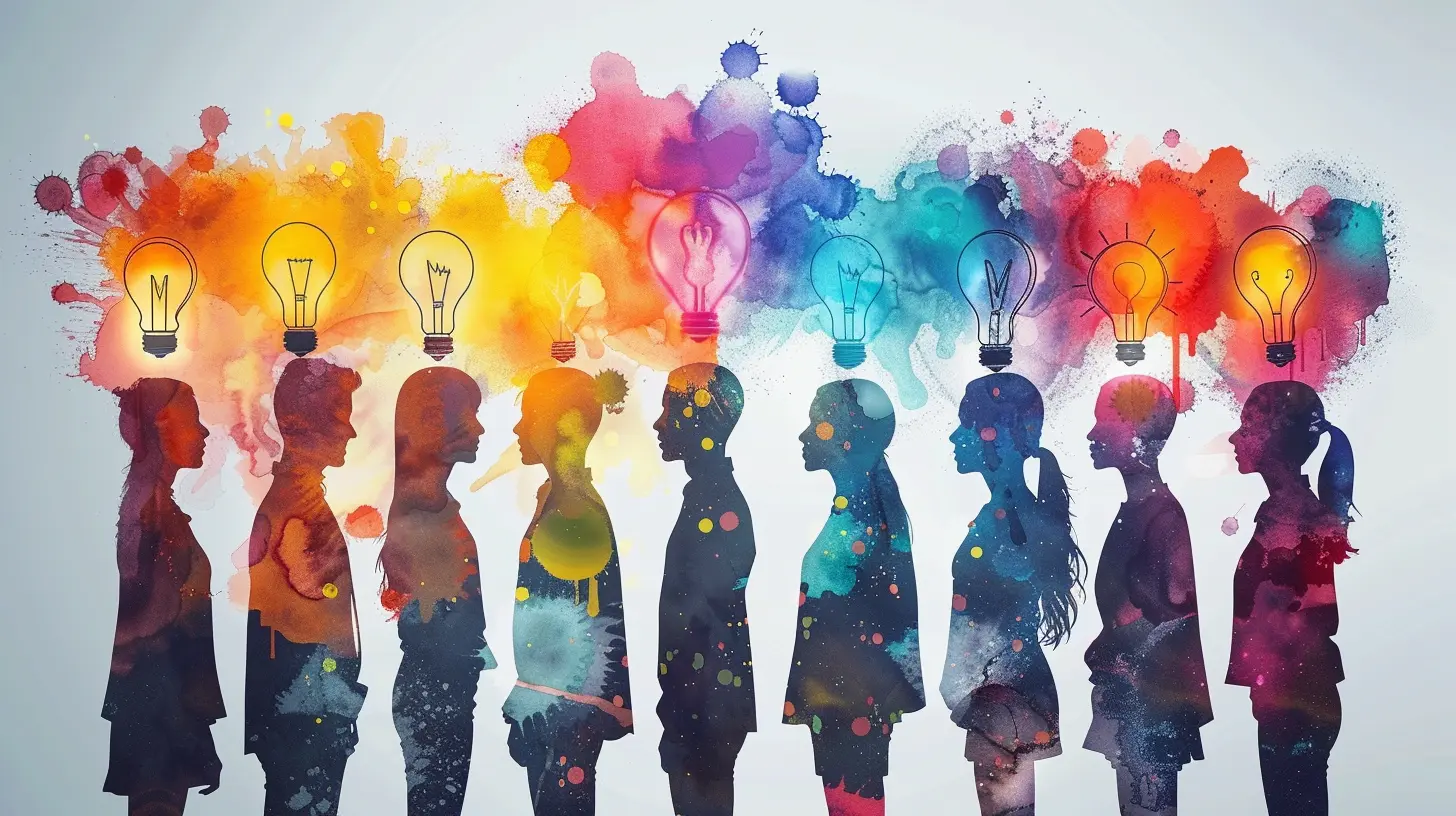
Before we can apply emotional intelligence to teamwork, it's important to understand what it actually means. Emotional intelligence is the ability to recognize, understand, and manage emotions—both within yourself and in others. It consists of several key components:1. Self-Awareness – Recognizing your own emotions and understanding how they affect your behavior.
2. Self-Regulation – Managing and controlling emotional responses instead of reacting impulsively.
3. Motivation – Using emotions to drive yourself toward positive outcomes and goals.
4. Empathy – The ability to understand and share the feelings of others.
5. Social Skills – Communicating effectively, managing relationships, and resolving conflicts.
When these elements are in balance, they create a solid foundation for not just individual success but also for effective collaboration with others.
Why Emotional Intelligence Matters in Peer Collaboration
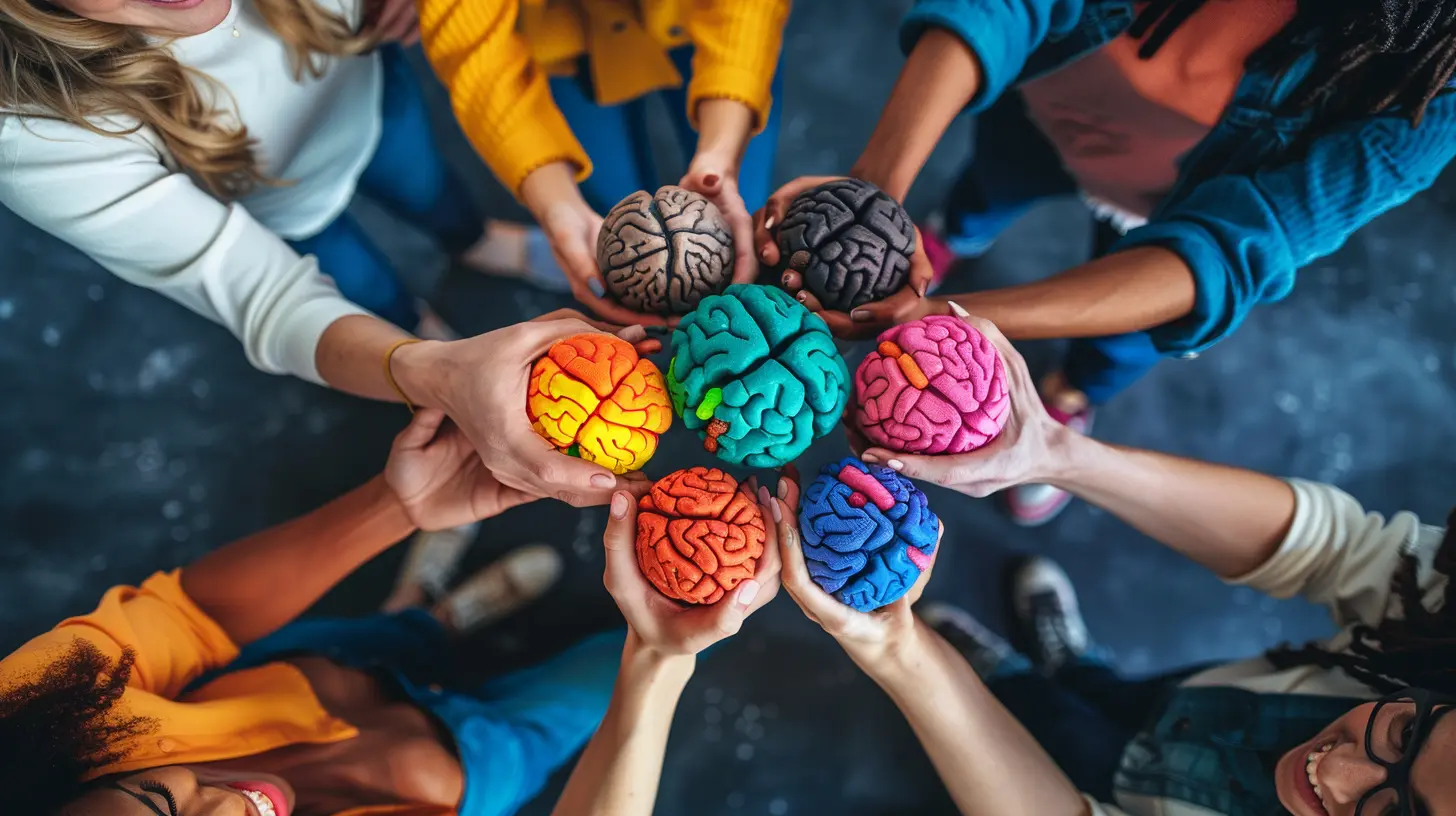
Ever worked with someone who couldn't handle constructive feedback? Or maybe a teammate who ignored everyone else's ideas and insisted on doing things their way? These situations can make teamwork frustrating and unproductive. Emotional intelligence helps eliminate these roadblocks by fostering better communication, understanding, and cooperation among peers.Here's why EI is a game-changer:
1. Improves Communication
Good communication is the backbone of effective collaboration, and emotional intelligence enhances it in several ways. When you’re emotionally intelligent, you can express your thoughts clearly, listen actively, and pick up on nonverbal cues. This helps prevent misunderstandings and ensures that everyone in the group is on the same page.For example, if a teammate seems frustrated but isn’t speaking up, an emotionally intelligent person might recognize their body language and check in with them. This simple act can prevent conflicts and keep the team dynamics healthy.
2. Builds Stronger Relationships
Trust is essential in teamwork. When you and your peers trust each other, collaboration feels smoother and more natural. Emotional intelligence fosters trust by encouraging authenticity and respect within the group.People with high EI are more likely to be approachable and open, making their peers feel comfortable expressing opinions and asking for help. When teammates feel valued and heard, they’re more likely to contribute actively and work cohesively.
3. Reduces Conflict and Enhances Conflict Resolution
Let’s face it—conflicts are inevitable in any group setting. However, emotionally intelligent individuals handle disputes productively instead of letting them escalate into full-blown arguments.Instead of reacting defensively, emotionally intelligent people take a step back, assess the situation, and respond thoughtfully. They consider different perspectives, acknowledge emotions, and find solutions that benefit the entire team. This approach not only resolves issues faster but also strengthens team relationships in the long run.
4. Encourages Inclusivity and Cooperation
In a group setting, some individuals tend to dominate discussions while others may hold back. Emotional intelligence helps create a balanced environment where everyone feels encouraged to contribute.By recognizing when someone is being overshadowed, an emotionally intelligent team member can invite them to share their ideas, making the collaboration more inclusive. This ensures that every voice is heard and that no one feels left out or undervalued.
5. Boosts Team Morale and Motivation
A group with high emotional intelligence doesn’t just work together; they support and motivate each other. When you’re aware of how your peers are feeling, you can offer encouragement when needed, celebrate their successes, and uplift them during challenging times.This positive atmosphere leads to a more engaging and fulfilling collaborative experience. Instead of feeling like a chore, teamwork becomes something to look forward to.
How to Develop Emotional Intelligence for Better Collaboration
Now that we know why EI is so important, the next step is developing it. The good news? Emotional intelligence isn’t fixed—you can improve it with practice. Here’s how:1. Practice Self-Awareness
Start by paying attention to your emotions, especially in group settings. Ask yourself:- How do I feel in this moment?
- How are my emotions influencing my actions?
- Am I reacting or responding thoughtfully?
Journaling or reflecting on interactions can help you identify patterns in your emotional responses and improve self-awareness over time.
2. Improve Active Listening Skills
Listening isn’t just about hearing words—it’s about truly understanding what someone is saying. Try these techniques:- Maintain eye contact and use body language to show you’re engaged.
- Repeat key points back to confirm understanding.
- Avoid interrupting and really focus on the speaker’s message.
By becoming a better listener, you’ll improve communication and strengthen connections with your peers.
3. Manage Your Emotions Effectively
Instead of letting frustration or anger take over, learn to regulate your emotions. Simple techniques like deep breathing, pausing before responding, or re-framing a situation from a different perspective can prevent unnecessary conflicts.If something upsets you during a group project, take a deep breath, assess the situation, and respond calmly rather than reacting impulsively.
4. Show Empathy and Understanding
Empathy is at the heart of emotional intelligence. Put yourself in others' shoes and try to understand their perspective. If a teammate seems stressed, ask if they need help. If someone is quiet in a discussion, check in with them. Small gestures like these can make a huge difference in fostering a supportive and collaborative environment.5. Give and Receive Feedback Gracefully
Feedback is crucial for growth, but not everyone handles it well. Emotionally intelligent individuals deliver feedback in a constructive way—focusing on solutions rather than criticism.At the same time, they’re also open to receiving feedback without taking it personally. Instead of getting defensive, they see it as an opportunity to improve.

The Real-World Impact of Emotional Intelligence in Teamwork
To see emotional intelligence in action, think about successful teams you’ve worked with. Chances are, those teams had members who communicated well, supported each other, and worked through challenges with empathy and understanding.Now, think about teams that struggled—was poor communication, unresolved conflict, or lack of trust a factor? More often than not, emotionally intelligent teams outperform those that lack emotional awareness.
By developing and applying emotional intelligence, you not only improve collaboration but also make teamwork a more enjoyable and rewarding experience for everyone involved.
Final Thoughts
Emotional intelligence is the foundation of strong, effective peer collaboration. It enhances communication, builds trust, resolves conflicts, and creates a positive group dynamic. By developing self-awareness, managing emotions, practicing empathy, and improving social skills, you can become a more valuable team player and create better collaboration experiences.So, the next time you’re working with a group, take a moment to check in with your emotions and those of your peers. A little emotional intelligence can go a long way in turning any group project into a success story!
all images in this post were generated using AI tools
Category:
Emotional IntelligenceAuthor:

Eva Barker
Discussion
rate this article
2 comments
Hugo Kline
This article astutely highlights how emotional intelligence fosters deeper connections and understanding in peer collaboration. By prioritizing empathy and self-awareness, teams can enhance communication, reduce conflict, and ultimately achieve more effective, harmonious outcomes.
April 7, 2026 at 4:26 AM
Eva Barker
Thank you for your thoughtful comment! I completely agree that emotional intelligence is key to fostering better collaboration and deeper connections within teams.
Sloane Romero
Thank you for this insightful article! It beautifully highlights the importance of emotional intelligence in fostering effective peer collaboration. Understanding our own emotions and those of others creates a supportive environment that encourages open communication and teamwork. I look forward to implementing these strategies in my interactions!
April 5, 2026 at 12:43 PM
Eva Barker
I'm glad you found the article helpful! Emotional intelligence truly makes a difference in teamwork. Wishing you success in applying these strategies!