"Understanding the Link Between Emotional Intelligence and Mental Health
6 December 2025
Have you ever felt like your emotions were running the show? Like one minute you're on top of the world, and the next you're crashing down? We’ve all been there—it’s part of being human. But here’s the key: being emotionally intelligent can make all the difference in how we handle life’s ups and downs. Emotional intelligence (or EQ) isn't just a buzzword tossed around in workplace seminars; it's actually a game changer when it comes to our mental well-being.
In this post, we’re diving deep into the connection between emotional intelligence and mental health in a way that’s easy to understand, relatable, and actually useful. Whether you're a student, a professional, or just someone trying to take better care of your mental state, this article is for you.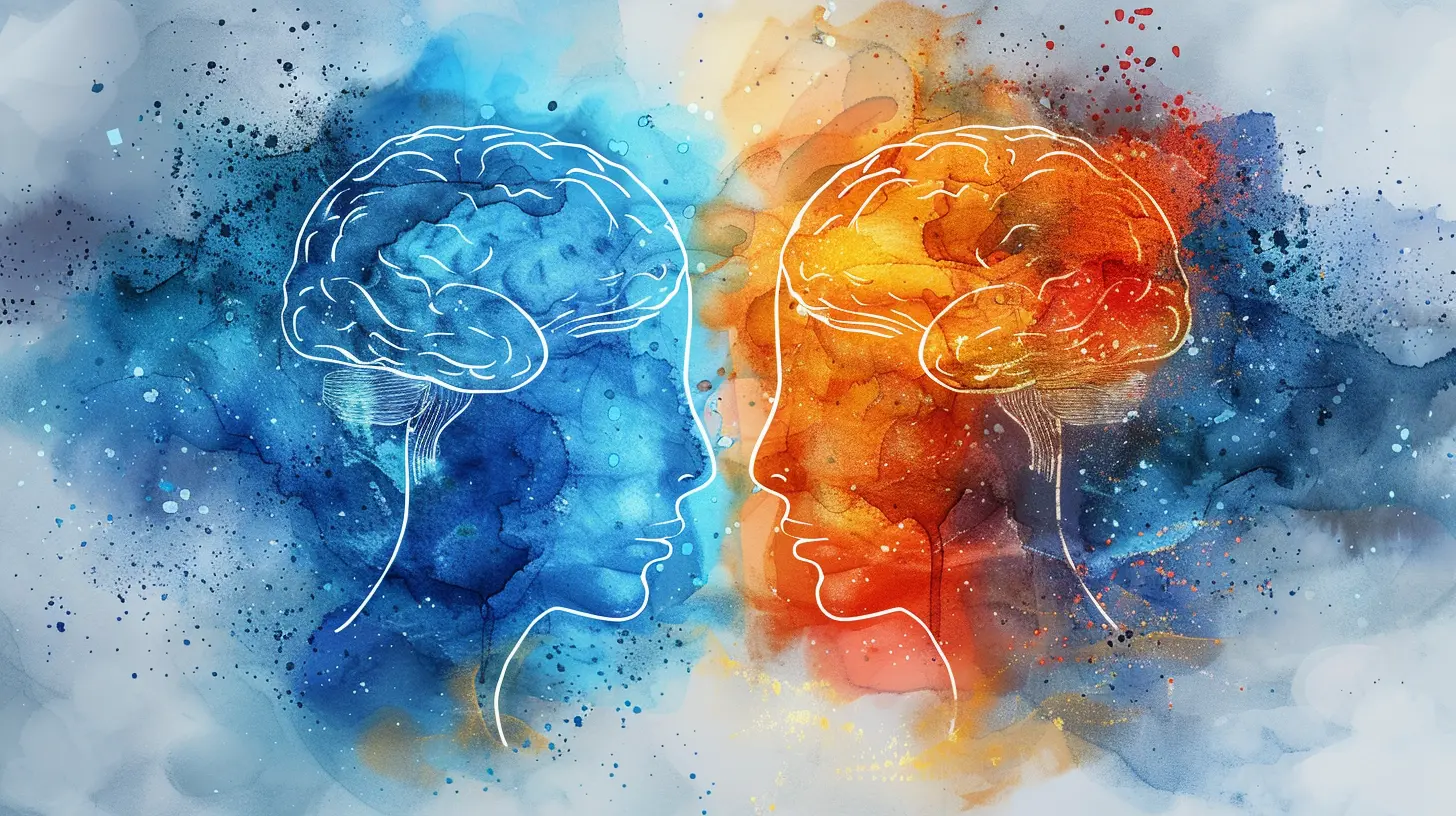
What Is Emotional Intelligence, Really?
Let’s start with the basics. Emotional intelligence is the ability to recognize, understand, manage, and influence your emotions—and also the emotions of others.Picture it like a GPS for your emotional world. When you’re emotionally intelligent, you can navigate tricky situations without getting totally lost in stress or confusion.
There are five main components of EQ:
1. Self-awareness – Knowing what you're feeling and why.
2. Self-regulation – Managing those feelings in a healthy way.
3. Motivation – Keeping yourself driven, even when things are tough.
4. Empathy – Understanding how others feel.
5. Social skills – Dealing with people effectively.
Seems straightforward, right? But don’t be fooled—this kind of awareness takes practice. The good news? It’s something you can develop over time.
The Mental Health Connection: Why EQ Matters
Let’s cut to the chase: emotional intelligence has a massive impact on your mental health. When emotions go unrecognized or unmanaged, they can build up like pressure in a soda bottle. Eventually, boom—the bottle explodes. That's when stress, anxiety, depression, and burnout often creep in.But when you're emotionally intelligent, you can:
- Catch negative feelings early.
- Understand why you're feeling the way you do.
- Take steps to feel better—without spiraling.
Think of EQ Like an Umbrella
Imagine your emotional intelligence as a big umbrella. When life throws a storm your way—like failure, rejection, or conflict—EQ keeps you dry. It doesn't stop the rain, but it helps you stay steady and strong.According to studies, high emotional intelligence is linked with lower levels of stress and anxiety, better relationships, and even more happiness. Pretty powerful, right?
How Emotional Intelligence Supports Mental Health
Let’s break it down further. Here's how each component of EQ contributes directly to your mental well-being:1. Self-Awareness: Knowing is Half the Battle
Have you ever felt angry or anxious but had no idea why? That emotional fog can be overwhelming. But when you’re self-aware, you can identify the root cause of your mood instead of reacting blindly.By recognizing your emotional patterns, you can avoid overreacting, prevent misunderstandings, and give yourself grace. It’s like finding the light switch in a dark room.
2. Self-Regulation: Steering the Emotional Ship
It’s not about bottling things up—it’s about responding instead of reacting. When you’re emotionally intelligent, you can take a step back, breathe, and choose how you want to act.This helps reduce impulsive behaviors, arguments, and regrets. It also helps manage anger, frustration, and sadness in a healthier way, giving your mental health the stability it needs.
3. Motivation: Fuel for the Soul
Life is full of obstacles, but emotionally intelligent people tend to stay positive, set goals, and push through setbacks. Why? Because they know how to tap into their inner drive.This kind of motivation doesn't just help you achieve more—it also protects your mental health by giving you a sense of purpose and direction.
4. Empathy: The Secret Ingredient to Better Relationships
Empathy builds stronger connections. When you understand where others are coming from, you're more likely to feel supported—and to support them in return.Healthy relationships are essential for good mental health. Empathy reduces loneliness, increases trust, and fosters emotional safety.
5. Social Skills: Building a Network of Support
Being able to communicate, resolve conflicts, and collaborate with others boosts your social well-being. It helps you feel connected, valued, and less isolated.Mental health thrives in community. With strong social skills, you’re more likely to build meaningful relationships that act as a support system.
How Poor EQ Can Lead to Mental Health Struggles
Now, let’s look at the flip side.Low emotional intelligence can leave you vulnerable to stress, anxiety, mood swings, and even depression. You might:
- Blame others for your problems.
- Struggle with relationships.
- React impulsively and regret it later.
- Feel misunderstood or disconnected.
In short, you become more reactive than proactive in handling emotional challenges—which can spiral into emotional exhaustion and poor mental health.
EQ in Real Life: A Quick Scenario
Let’s say you just failed an important exam. Without emotional intelligence, you might immediately feel worthless or hopeless. These feelings might lead to withdrawal, panic attacks, or negative self-talk.Now flip the script.
With EQ, you might still feel disappointed (you’re human!), but you’d recognize the emotion, give yourself permission to feel it, then ask, “What can I learn from this?” You’d take actionable steps to improve—and you’d bounce back stronger.
That’s not just mental health. That’s resilience.
Can You Improve Your Emotional Intelligence?
Absolutely! Just like lifting weights trains your muscles, practicing emotional skills strengthens your EQ. It takes time, effort, and a whole lot of self-reflection—but it’s doable.Let’s walk through a few strategies.
Practice Mindfulness
Being in the moment helps you notice what you’re feeling, without judgment. Journaling, deep breathing, and meditation are great tools here.Ask Yourself Questions
- What am I feeling?- Why am I feeling this way?
- What do I need right now?
These simple reflections can take you from “messy mind” to “clarity and calm.”
Pause Before Reacting
If someone says something hurtful, don’t fire back immediately. Take a breath, pause, and choose your response. That pause builds emotional strength like nothing else.Seek Feedback
Sometimes we’re blind to our emotional blind spots. Trusted friends, mentors, or therapists can help you grow by giving honest, compassionate feedback.Practice Empathy
Try to really listen to others—without planning your response while they’re talking. Step into their shoes. The more you do this, the better all your relationships become.Emotional Intelligence in Education and the Workplace
EQ is becoming a key focus in schools and workplaces—and for good reason. Students with high EQ do better academically, socially, and emotionally. They’re more focused, more resilient, and less prone to burnout.In the workplace, emotionally intelligent employees contribute to healthier cultures, lead more effectively, and handle stress better.
This growing recognition only reinforces how central EQ is to our mental well-being—not just personally, but collectively.
Final Thoughts: Make EQ Your Superpower
Let’s be real: life’s emotional rollercoaster isn’t going anywhere. Stressful exams, tough conversations, personal setbacks—they’re all part of the ride. But emotional intelligence is like your seatbelt. It keeps you safe, grounded, and gives you the power to handle whatever comes your way.Improving your emotional intelligence might not happen overnight, but every small step you take builds mental strength, inner peace, and resilience. And that? That’s what true mental health is all about.
So next time you feel overwhelmed, remember—you’ve got this. Tap into your EQ, trust yourself, and keep showing up. You're stronger than you think.
all images in this post were generated using AI tools
Category:
Emotional IntelligenceAuthor:

Eva Barker
Discussion
rate this article
2 comments
Arlo Roth
Harnessing emotional intelligence is key to unlocking better mental health—let's empower ourselves to thrive and inspire others!
December 16, 2025 at 4:46 AM
Eva Barker
Absolutely! Emotional intelligence is crucial for our mental well-being, enabling us to navigate emotions and foster resilience. Let's embrace it for personal growth and to uplift those around us!
June Reyes
Emotional intelligence and mental health are like peanut butter and jelly—each enhances the other! Spread them together for a tastier, balanced life sandwich. Yum!
December 6, 2025 at 12:38 PM
Eva Barker
I love that analogy! Just like a good sandwich, combining emotional intelligence and mental health creates a richer, more fulfilling life. Thank you for sharing!