How to Foster Respect and Cooperation Among Students
26 February 2026
Let’s face it—classrooms today are more than just a bunch of desks and textbooks. They’re mini-communities bursting with personalities, opinions, and potential. Yet, sometimes, these communities can feel a little...well, chaotic. Conflicts happen, cooperation disappears, and respect? That’s often the first thing to slip out the door.
But imagine this—what if your classroom became a place where students not only worked together but wanted to? A space where respect flowed naturally, and teamwork wasn’t just for group projects?
Sounds magical, right? Well, it’s not magic—it’s all about nurturing the right habits, attitudes, and behaviors. So grab a cup of coffee (or your favorite snack), and let’s dive deep into how to foster respect and cooperation among students—with some cheer, charm, and real-life tips that actually work!
Why Respect and Cooperation Matter in the Classroom
Before we get into the how, let’s talk about the why.Respect and cooperation are the glue that holds any group together. Without them? A classroom turns into a battleground of egos and misunderstandings. With them? It becomes a safe, productive learning environment where everyone feels heard and valued.
A respectful classroom helps students:
- Feel emotionally secure
- Share ideas more freely
- Learn from one another
- Build stronger friendships
- Stay motivated
And cooperation? That’s the rocket fuel for group success. It teaches kids how to listen, compromise, and lift each other up—which, let’s be honest, is a skill they'll need for the rest of their lives.
Now that we’re on the same page, let’s roll up our sleeves and get into the good stuff: how to make it happen.
1. Set the Tone Early On
First impressions matter. The way you handle your very first class sets the vibe for everything that follows. So right from day one, model and promote respectful and cooperative behavior.Here’s how:
- Greet students warmly every day. It shows you care.
- Go over classroom expectations together—not like a dictator, but like a team.
- Use collaborative language: Say "Let’s figure this out together" instead of "You need to..."
When students see you walking the walk, they’re far more likely to follow suit.
2. Build Relationships First, Teach Second
Sounds backward, right? But think about it: Students learn best from people they trust.Take time to:
- Get to know their names quickly.
- Ask about their hobbies, interests, and families.
- Share a bit about yourself (yes, even your cat stories).
Those small connections create big trust—and trust is the bridge to respect.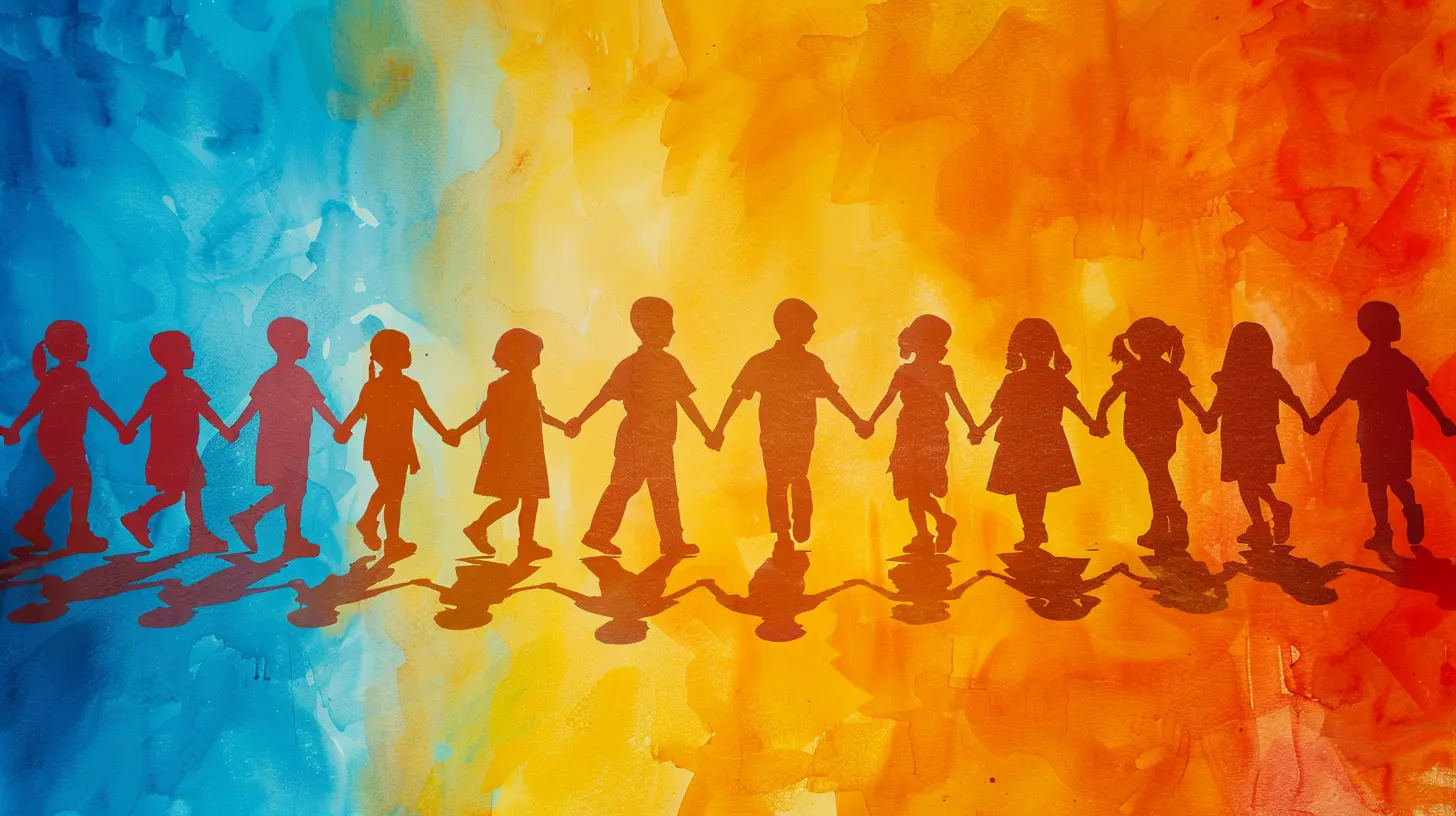
3. Celebrate Differences
Every student walks through your door with a unique story. And sometimes those differences—whether cultural, linguistic, or personal—can lead to misunderstandings.Turn those awkward moments into powerful teachable ones:
- Hold "culture days" where students can share traditions, foods, or even music.
- Create identity projects where they explore who they are and present it to the class.
- Talk openly about empathy and why seeing the world through others’ eyes matters.
The goal? Help students not just tolerate—but embrace—diversity.
4. Practice Active Listening
This one's huge. Ever feel like students are just waiting for their turn to talk rather than really listening? Yeah, we’ve all been there.Teach active listening like it’s a superpower (because honestly, it is).
Try these tricks:
- Use “Think, Pair, Share” to give every voice a chance.
- Model paraphrasing: “So what I hear you saying is…”
- Play listening games (yes, even with older kids—trust us, they love it).
When students feel heard, they’re more likely to return the favor.
5. Create Shared Goals
Nothing says teamwork like working toward a common win. Whether it’s a class project, a creative challenge, or even a kindness campaign—setting collective goals gives students a reason to band together.Here are some cool ideas:
- Classroom contracts: Have students co-create agreements on behavior and respect.
- Weekly goals: Choose a goal like “Everyone gets a turn to speak” and celebrate success.
- Group challenges: Like building a tower from spaghetti and marshmallows—fun and collaborative!
The trick? Make it fun, attainable, and inclusive.
6. Tackle Conflict Head-On (And With Heart)
Let’s not pretend every day will be sunshine and rainbows. Conflicts happen—it’s normal. But how you handle them? That’s what counts.Teach students that conflict is a chance to learn, not just something to “get over.”
Here’s your conflict toolkit:
- Use “I” statements instead of blame: “I feel upset when…” works better than “You always...”
- Establish a peace corner: A calm space where students can take a breather and reflect.
- Encourage peer mediation: Train students to help each other solve problems with guidance.
It’s not about avoiding conflict—it’s about growing through it.
7. Encourage Team-Based Learning
Group projects aren’t just about dividing tasks—they’re about building connections. The trick is to structure them right.Tips for better group dynamics:
- Assign roles so everyone has a purpose.
- Teach communication tips before starting.
- Rotate partners often to mix up personalities and help students learn from different viewpoints.
Bonus: When students work with a variety of classmates, respect starts to spread like wildfire.
8. Use Positive Reinforcement
Let’s be real—everyone loves being recognized. And kids? Even more so. When students see that respect and cooperation earn praise and rewards, they’re more likely to repeat that behavior.Here’s what works:
- Shout-outs at the end of the day for kind or cooperative acts.
- Classroom reward systems (stickers, points, or privileges).
- Personal notes or high-fives—sometimes the smallest acts mean the most.
Celebrate the good, and you’ll see more of it.
9. Be Consistent With Consequences
You can’t build a respectful environment if your rules are wishy-washy. Students need consistency—it makes them feel safe and understood, even when they’re being corrected.Here’s the key:
- Keep consequences clear and fair.
- Don’t yell (even when you want to)—instead, speak calmly but firmly.
- Follow through every time. No exceptions.
Kids respect boundaries when they trust they’re real and rooted in care.
10. Teach Emotional Intelligence
Honestly? This might be the most important one of all. Helping students recognize, manage, and express their feelings in healthy ways opens the door to stronger relationships, empathy, and, yep—cooperation.Ways to build emotional IQ:
- Use mood check-ins: “How are you feeling on a scale of emoji faces?”
- Read books or watch clips that explore emotions in different scenarios.
- Practice mindfulness: Even just a few minutes of breathing can calm chaos.
When students understand their own emotions, they’re more likely to respect others’.
Wrapping It All Up
Fostering respect and cooperation isn’t a one-and-done kind of deal. It’s a daily, intentional practice that weaves through everything—from how we greet students in the morning, to how we guide them through challenges, to the values we demonstrate ourselves.But here's the exciting part:
You don’t need fancy technology or big budgets to make this happen. You just need heart, consistency, and a belief in the power of connection. Because when students feel respected, they return that respect. And when they see the value in working together? They don’t just cooperate—they THRIVE.
So go on—spark those conversations, guide those group projects, celebrate those small wins. You’re not just teaching students how to learn. You’re teaching them how to live with kindness, empathy, and mutual respect.
And that? That’s an education worth giving.
all images in this post were generated using AI tools
Category:
Classroom ManagementAuthor:

Eva Barker
Discussion
rate this article
2 comments
Thor Mitchell
Great article! Fostering respect and cooperation is essential for a positive learning environment. Incorporating activities that promote teamwork and open communication can significantly enhance students' relationships and overall classroom dynamics. Keep up the good work!
March 8, 2026 at 3:56 AM
Eva Barker
Thank you! I appreciate your thoughts on teamwork and communication. They're key to building a positive classroom.
Shiloh Lawson
Unlock the hidden power of empathy and watch transformation unfold in your classroom dynamics.
February 28, 2026 at 12:16 PM
Eva Barker
Absolutely! Empathy is key to fostering respect and cooperation, as it helps students understand and support each other, leading to a more positive classroom environment.