The Role of Technology in Transforming Societal Structures
4 January 2026
Let’s take a walk down memory lane for a second. Picture life without smartphones, high-speed internet, or the ability to summon a pizza with a few taps. Hard, right? Technology has completely changed the way we live, communicate, work, and even think. It's not just about flashy gadgets and fancy apps—technology is the unsung hero in the massive reshaping of how our society operates.
In this article, we’re going to break down how technology has been the quiet architect behind some serious societal remodeling. Stick around—it’s going to be a thrilling ride through time and innovation, sprinkled with a bit of humor and a whole lot of insight.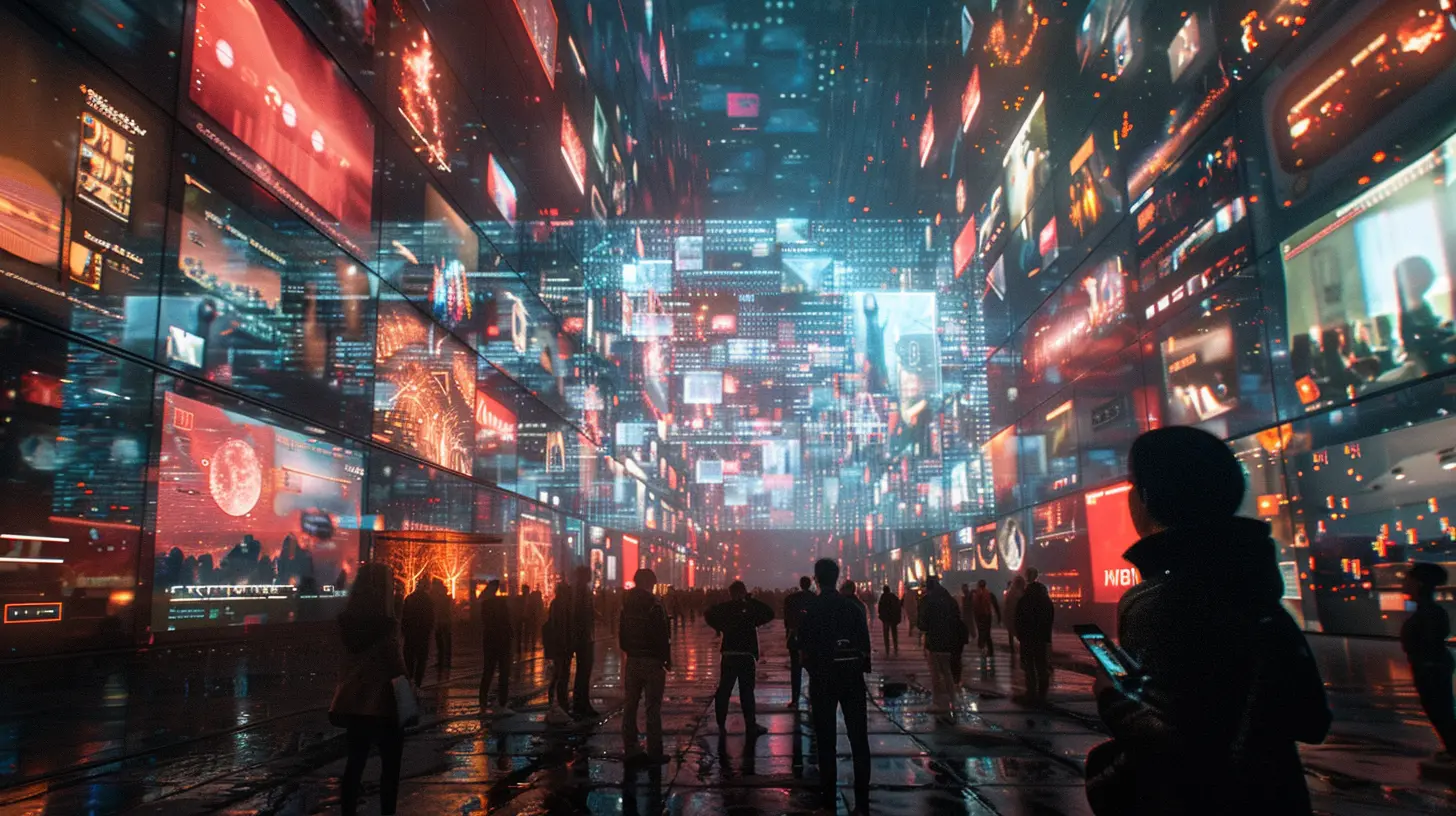
The Basics: What Do We Mean by "Societal Structures"?
Let’s get on the same page here. When we talk about societal structures, we’re referring to the big systems that keep everything running—like education, government, healthcare, economy, and social norms. These are the bones of society, and technology? Well, it’s the protein shake that's helping them grow stronger (or weirder, depending on your perspective).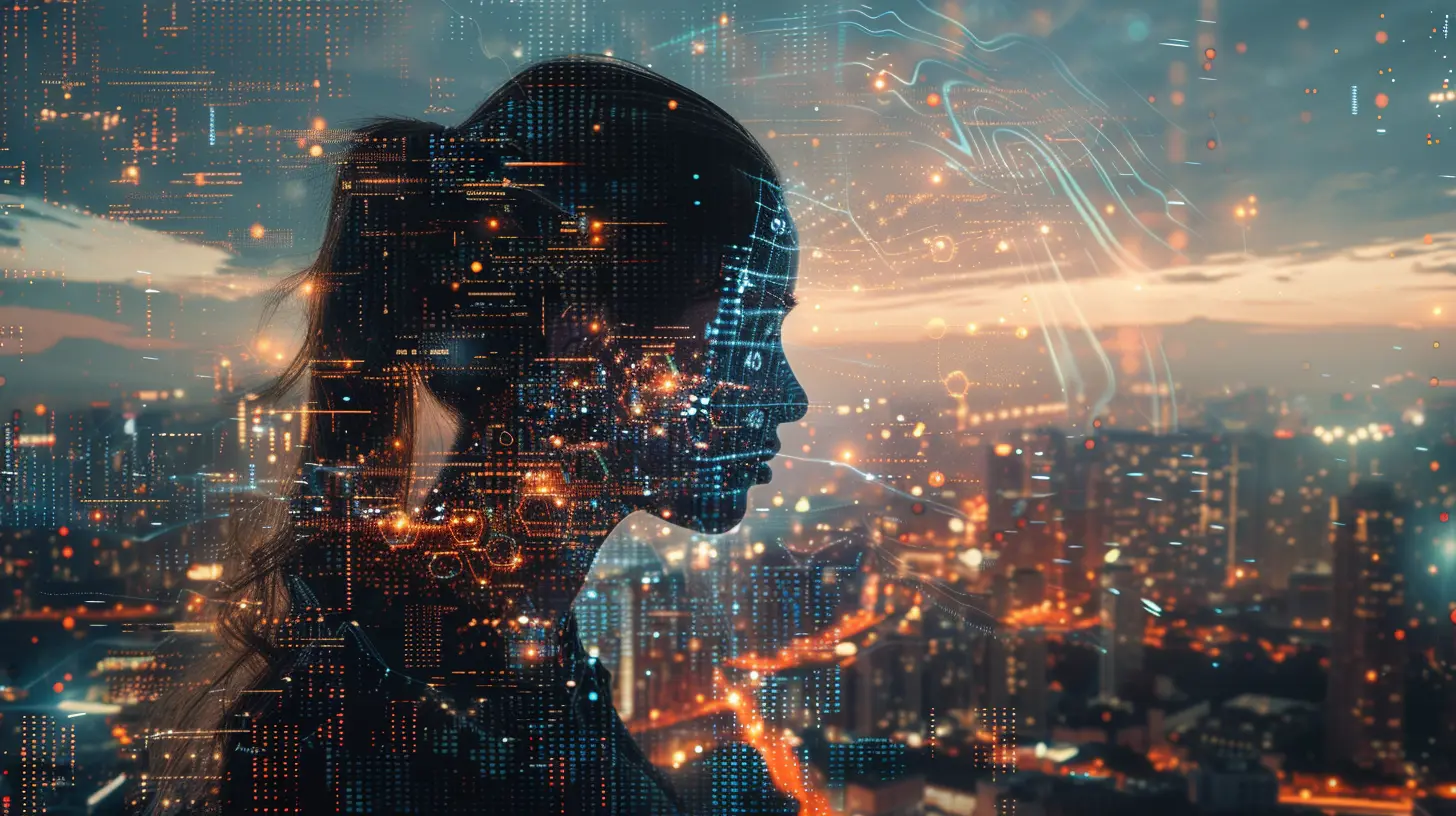
From Stone Tools to Smartphones: A Quick Tech Time Travel
Before we dive into the nitty-gritty, let’s appreciate just how far we’ve come. A few centuries ago, writing a letter meant dipping a quill in ink and waiting weeks for a reply. Now? You can slide into someone's DMs instantly.The wheel helped shape trade and transport. The printing press? It revolutionized information sharing. Fast forward to the internet, and suddenly your grandma is on Facebook, and your cat has its own Instagram account.
Technology doesn’t just add convenience—it reshapes society.
Education: From Chalkboards to Cloud-Based Classrooms
Remember the days of overhead projectors and chalk dust? Today, classrooms look more like mini Silicon Valleys. Tablets have replaced textbooks, YouTube is basically the new tutor, and AI-driven platforms like ChatGPT (hey, that’s me!) help with everything from math homework to writing essays.How has this changed society?
- Access to Education: Kids in remote villages can access the same resources as students in big cities.
- Lifelong Learning: Thanks to online courses, you can become a certified graphic designer or learn Mandarin without leaving your couch.
- Customized Learning: Adaptive learning platforms adjust content based on your pace—so no more feeling left behind!
Real talk: Tech isn't just improving education—it’s democratizing it.
Communication: The Shrinking World
Once upon a time, long-distance phone calls were reserved for birthdays or emergencies. Now, we video call someone 12 time zones away just to show them our new haircut.Enter the communication revolution:
- Social Media: This has transformed how we build relationships, share ideas, and even protest (hello, Twitter activism).
- Instant Messaging & Video Calls: From Zoom meetings to WhatsApp groups, staying connected has never been so easy—or so overwhelming.
- Language Translation: Real-time translation tools are breaking language barriers left and right.
What does this all mean? Our definition of community has expanded from physical neighborhoods to global digital tribes.
Work & The Economy: The Job Scene Has Logged In
Remember when "working from home" sounded like a lazy excuse? Well, now it’s a lifestyle. Technology has blown up the traditional office model and introduced us to the joys—and occasionally the chaos—of remote work.Tech's impact on the workforce:
- Remote Work: Laptops, cloud storage, and video conferencing have made it possible to build international teams from your kitchen table.
- Gig Economy: Apps like Uber, Fiverr, and Airbnb have given rise to new forms of employment.
- Automation & AI: Robots and algorithms are taking over repetitive tasks, changing the nature of work entirely.
Sure, job roles are evolving (and some are disappearing), but new industries are popping up to keep the balance. Think about it: 20 years ago, who thought "influencer" would be a real job?
Healthcare: Paging Dr. Technology
Imagine telling someone in the 1800s that you could video-chat with a doctor, track your heart rate with a watch, or print a human organ. Their powdered wig would fly off!Technology has revolutionized healthcare in ways that feel straight out of sci-fi.
Key transformations:
- Telemedicine: Talk to a doctor from your couch. Enough said.
- Wearables: Fitbits and smartwatches help us monitor health in real time.
- AI Diagnoses: AI algorithms can now detect diseases with jaw-dropping accuracy.
These advances aren't just cool—they're life-saving. Accessibility, accuracy, and efficiency have skyrocketed. We're talking fewer misdiagnoses and better preventive care.
Politics and Governance: E-Government is a Thing Now
Government—the good, the bad, and the bureaucratic. Historically, it's been a slow-moving beast. But enter technology, and things are starting to speed up (at least, a little).How tech is shaking things up:
- Digital Voting: Estonia literally lets citizens vote online while in their pajamas.
- Transparency Tools: Websites that track government spending or public records make it easier to hold leaders accountable.
- Online Petitions & Social Movements: Changing laws and policies now sometimes begins with a hashtag.
Sure, tech can be a double-edged sword here (hello, misinformation), but when used right, it can make governance more accessible and democratic.
Relationships & Social Norms: It's Complicated
Let's be honest—technology has totally flipped our social lives upside down. Dating, friendships, even how we "break up" looks a whole lot different in the digital age.Some noticeable shifts:
- Online Dating: Swipe left, swipe right—love is now powered by algorithms.
- Memes & Emojis: New ways of communication that sometimes say more than words ever could.
- Digital Presence: Our online personas are often extensions (or exaggerations) of ourselves.
While this can lead to screen addiction and TikTok spirals, it also allows people to find communities, share experiences, and build support networks like never before.
Entertainment: Bye-Bye Boredom
Can we get a round of applause for streaming platforms? We’ve gone from cable TV schedules to binge-watching entire seasons in a weekend.Tech's role in entertainment:
- Streaming Services: Netflix, Spotify, YouTube—our entertainment is personalized and on-demand.
- Gaming: Online multiplayer games connect players globally. Plus, eSports are now legit spectator sports!
- Augmented & Virtual Reality: Ready Player One isn’t just a movie; it’s becoming a lifestyle.
The bottom line: entertainment has become a choose-your-own-adventure book—on steroids.
Environment & Sustainability: Tech Tackles Green Goals
Now for the planet. While tech has contributed to environmental woes (we see you, e-waste), it's also part of the solution.Innovations making a difference:
- Smart Grids & Clean Energy: Tapping into solar, wind, and AI-optimized power use.
- Precision Agriculture: Drones and sensors help farmers use less water, pesticide, and guesswork.
- Eco-Friendly Transport: Electric vehicles and ride-sharing apps are reducing our carbon footprint—slowly but surely.
Science fiction? Nope. Just science, doing its thing.
Challenges: Not All That Glitters is Gold
Before we ride off into the sunset, let’s keep it real. Tech transformation isn’t flawless.- Privacy Concerns: Are you being watched? Probably. (Sorry.)
- Job Displacement: Automation is great… unless it's your job being automated.
- Digital Divide: Not everyone has access to the tech they need.
The good news? Awareness is the first step toward action. The better we understand the impact of technology, the more we can guide it to serve everyone.
Final Thoughts: The Future is...Well, Unwritten (But Probably Digital)
If there’s one thing we’ve learned, it’s this: technology isn’t just a fancy add-on—it’s a foundational force. It's reshaping the blueprint of how we live, love, learn, and lead.And guess what? The transformation isn’t over. From quantum computing to brain-machine interfaces, we’re only scratching the surface.
So buckle up. Society 2.0 is uploading as we speak.
all images in this post were generated using AI tools
Category:
Social StudiesAuthor:

Eva Barker
Discussion
rate this article
2 comments
Nymira Beck
What an inspiring read! 🎉 It’s amazing to see how technology is reshaping our society for the better! From enhancing communication to fostering innovation, the positive impact is undeniable. Let’s embrace these changes and work together towards a brighter, more connected future! Keep up the great work! 🚀
January 27, 2026 at 1:27 AM
Eva Barker
Thank you for your kind words! I'm glad you found the article inspiring. Together, we can harness technology for a brighter future! 🚀
Zevin Bowers
Empowering change through innovation!
January 7, 2026 at 3:28 AM
Eva Barker
Thank you! Innovation indeed plays a crucial role in driving meaningful change in society.