The Benefits of Music Programs for Cognitive Development in Students
25 December 2025
Music isn’t just a form of entertainment; it’s a powerful tool for learning and brain development. Have you ever noticed how a song can stay in your memory for years, while something you read yesterday might already be slipping away? That’s because music taps into deep cognitive functions, enhancing memory, focus, and problem-solving skills.
For students, engaging in music programs isn’t just about playing an instrument or singing in a choir—it's about giving their brains a serious workout. Schools that invest in music education are doing more than just fostering creativity; they’re building smarter, more well-rounded individuals. But how exactly does music influence cognitive growth? Let’s dive in. 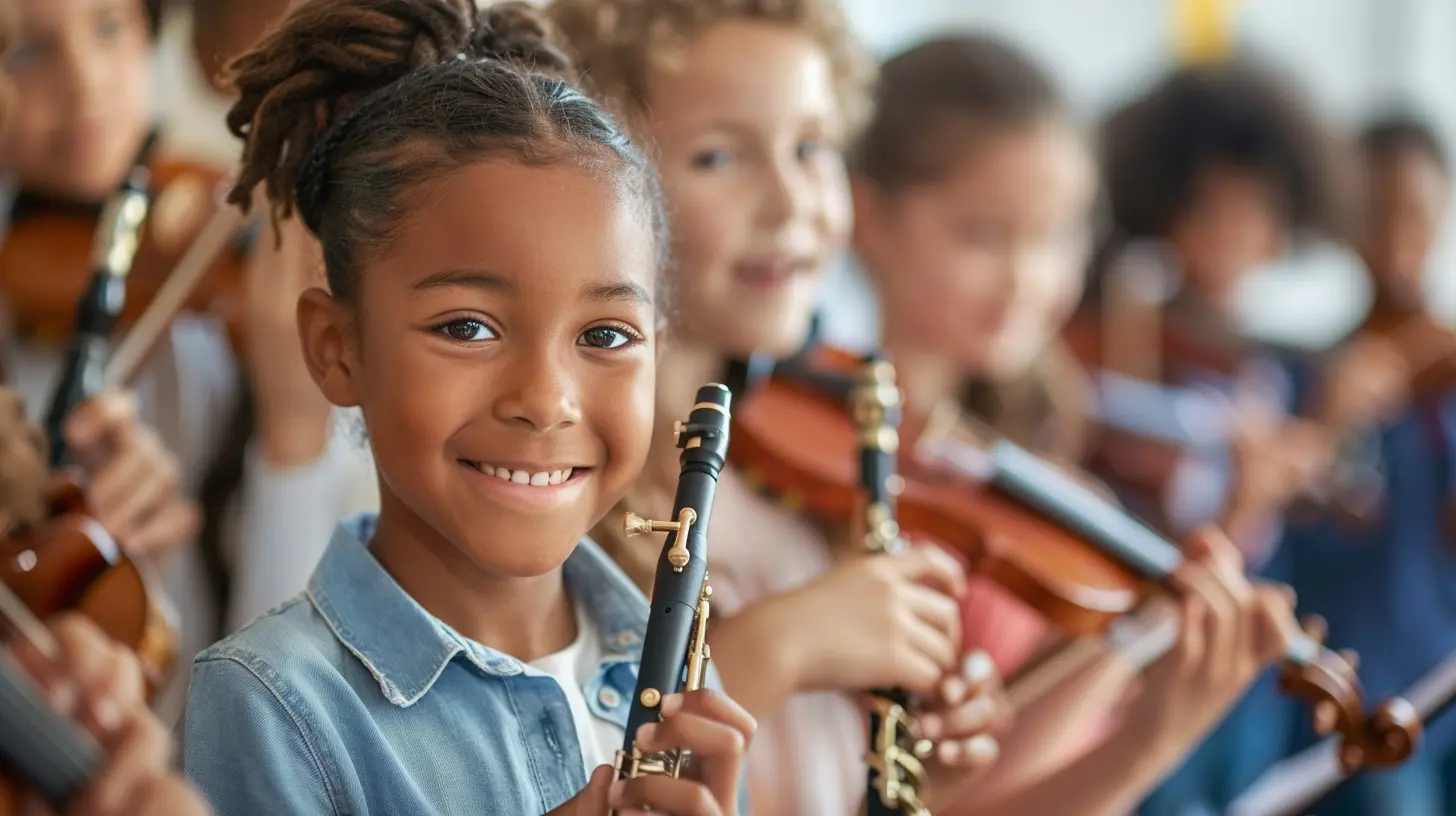
How Music Impacts the Brain
1. Strengthening Memory and Recall
Music requires students to remember melodies, lyrics, and complex instructions. This constant mental exercise strengthens memory and improves recall ability. Research shows that students involved in music have better retention skills, which extend beyond the music room and into subjects like math, science, and history.Think about how you learned the alphabet—through the ABC song, right? That’s because rhythm and melody make information stick!
2. Enhancing Concentration and Focus
Learning an instrument requires intense concentration. Students must process multiple elements at once—reading notes, coordinating finger movements, and staying in rhythm. Over time, this level of focus transfers to other areas of their academics, helping them stay attentive in class and complete tasks more efficiently.3. Boosting Problem-Solving Skills
Music is essentially a puzzle. Playing an instrument requires quick thinking—what note comes next? How does this rhythm fit with the melody? These split-second decisions help students develop strong problem-solving abilities, which they can apply to subjects like math and science, where logic and critical thinking are essential.4. Improving Language and Literacy Skills
Music and language go hand in hand. Studies have shown that children who engage in musical activities tend to develop stronger language skills. Music strengthens auditory processing, helping students differentiate between sounds and understand speech patterns better.This is why musical training is often linked to better reading and comprehension skills! 
Emotional and Social Benefits of Music Education
5. Building Confidence and Self-Esteem
Performing music, whether solo or in a group, takes courage. Students who regularly perform in front of an audience build confidence that extends to public speaking, presentations, and everyday interactions.Music empowers students to express themselves, boosting their self-esteem and helping them feel more comfortable in various social settings.
6. Encouraging Teamwork and Collaboration
Being part of a band, orchestra, or choir teaches students the value of teamwork. They learn to listen to each other, synchronize their performance, and work together to create something beautiful.These skills are invaluable in real life, helping students become better communicators and collaborators in future careers and relationships.
7. Providing Stress Relief and Emotional Expression
School can be stressful, and students need healthy outlets to express themselves. Music provides a safe space for emotional expression, helping students process their feelings in a constructive way.Whether it’s playing the piano to unwind or writing lyrics to express emotions, music acts as an emotional release, improving overall mental well-being. 
Academic Benefits of Music Programs
8. Strengthening Math Skills
Believe it or not, music and math are closely connected. Rhythm, beat, and scales all involve mathematical patterns. When students engage in music, they’re unknowingly practicing math concepts like fractions, ratios, and sequences.Students who participate in music programs often perform better in math because they develop a natural understanding of patterns and numbers.
9. Enhancing Creativity and Critical Thinking
Music encourages students to think outside the box. Whether composing a song, improvising on an instrument, or interpreting a piece in their own way, music fosters creativity.Critical thinking comes into play when students analyze music theory, interpret compositions, or make artistic decisions while performing. These creative skills carry over into problem-solving scenarios in all subjects.
10. Improving Test Performance
Numerous studies have shown that students involved in music programs tend to score higher on standardized tests. Their enhanced memory, concentration, and problem-solving skills give them an academic edge over their peers.Music stimulates both the left and right hemispheres of the brain, leading to improved cognitive function and better overall academic performance. 
Music Programs and Long-Term Benefits
11. Lifelong Learning and Adaptability
Music education instills a growth mindset. Students who tackle challenging compositions learn perseverance and adaptability—skills that benefit them throughout life.They become more resilient in facing challenges, whether it's learning a new language, tackling a difficult subject, or adjusting to career changes.
12. Aiding in Brain Development into Adulthood
The cognitive benefits of music don’t stop after childhood. Studies have shown that individuals who engage in music maintain sharper cognitive abilities well into adulthood.Music training strengthens neural connections, reducing the risk of cognitive decline, memory loss, and dementia later in life.
Why Schools Should Prioritize Music Education
Despite all these benefits, many schools continue to cut music programs due to budget constraints. This is a mistake. Music education isn’t just about creating musicians—it’s about developing well-rounded, intelligent individuals who excel in various aspects of life.When schools invest in music programs, they’re investing in students’ cognitive growth, emotional well-being, and future success.
Final Thoughts
Music is more than just a fun extracurricular activity—it’s a vital tool for cognitive development. From enhancing memory and focus to boosting emotional intelligence and academic performance, music programs provide benefits that extend far beyond the classroom.If we want to nurture the next generation of creative thinkers, problem solvers, and confident individuals, music education needs to be a priority. After all, a well-tuned mind is just as important as a well-tuned instrument!
all images in this post were generated using AI tools
Category:
Extracurricular ActivitiesAuthor:

Eva Barker
Discussion
rate this article
2 comments
Maggie Mendoza
Music programs significantly enhance cognitive development in students by fostering critical skills such as memory, attention, and problem-solving. Engaging with music also promotes emotional intelligence and social skills, leading to improved academic performance. Incorporating music into education can create a well-rounded learning experience that nurtures creativity and intellectual growth.
December 27, 2025 at 4:31 AM
Eva Barker
Thank you for highlighting these key benefits! I completely agree that music programs play a vital role in enhancing cognitive abilities and promoting holistic development in students.
Gunner McGarvey
Music programs: where kids learn to count beats instead of sheep! Who knew harmony could boost brainpower and creativity?" 🎶💡
December 25, 2025 at 1:50 PM
Eva Barker
Absolutely! Music programs not only enhance creativity but also significantly improve cognitive skills like counting and problem-solving. 🎶✨