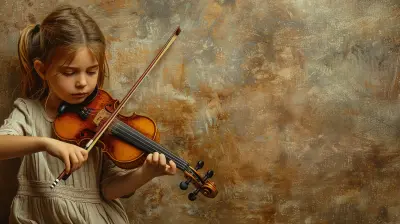
The Role of Extracurriculars in Developing Social Skills
18 July 2026
Have you ever watched a shy kid blossom into a confident leader on the school debate team? Or seen a quiet teen find their voice on stage in a drama production? These moments feel like magic but are rooted in something very real: the power of extracurricular activities to shape who we are—especially when it comes to our social skills.

Why Social Skills Matter More Than You Think
Let’s be real—academics will take you far, but social skills? They’ll carry you everywhere else. Whether you're presenting ideas in a boardroom, negotiating a group project in college, or simply making friends in a new city, how well you connect with others is a massive part of success.Social skills are the glue of human interaction. They're what help us listen, empathize, negotiate, collaborate, and express ourselves clearly. And guess what? They're not just “natural” talents. They're learned, practiced, and polished—often outside the classroom.
So, What Exactly Are Extracurriculars?
Extracurriculars are those after-school (or sometimes before-school) activities that aren’t part of your standard curriculum. We’re talking everything from sports teams and school clubs to drama, music, volunteering, and student government. Even chess club counts. If you’re doing something with your peers that’s not graded but builds experience, it’s likely an extracurricular.Now here’s the magic part—while students are busy kicking goals on the soccer field or rehearsing lines backstage, they're also building skills many don’t even realize they’re gaining. That’s where social development sneaks in.
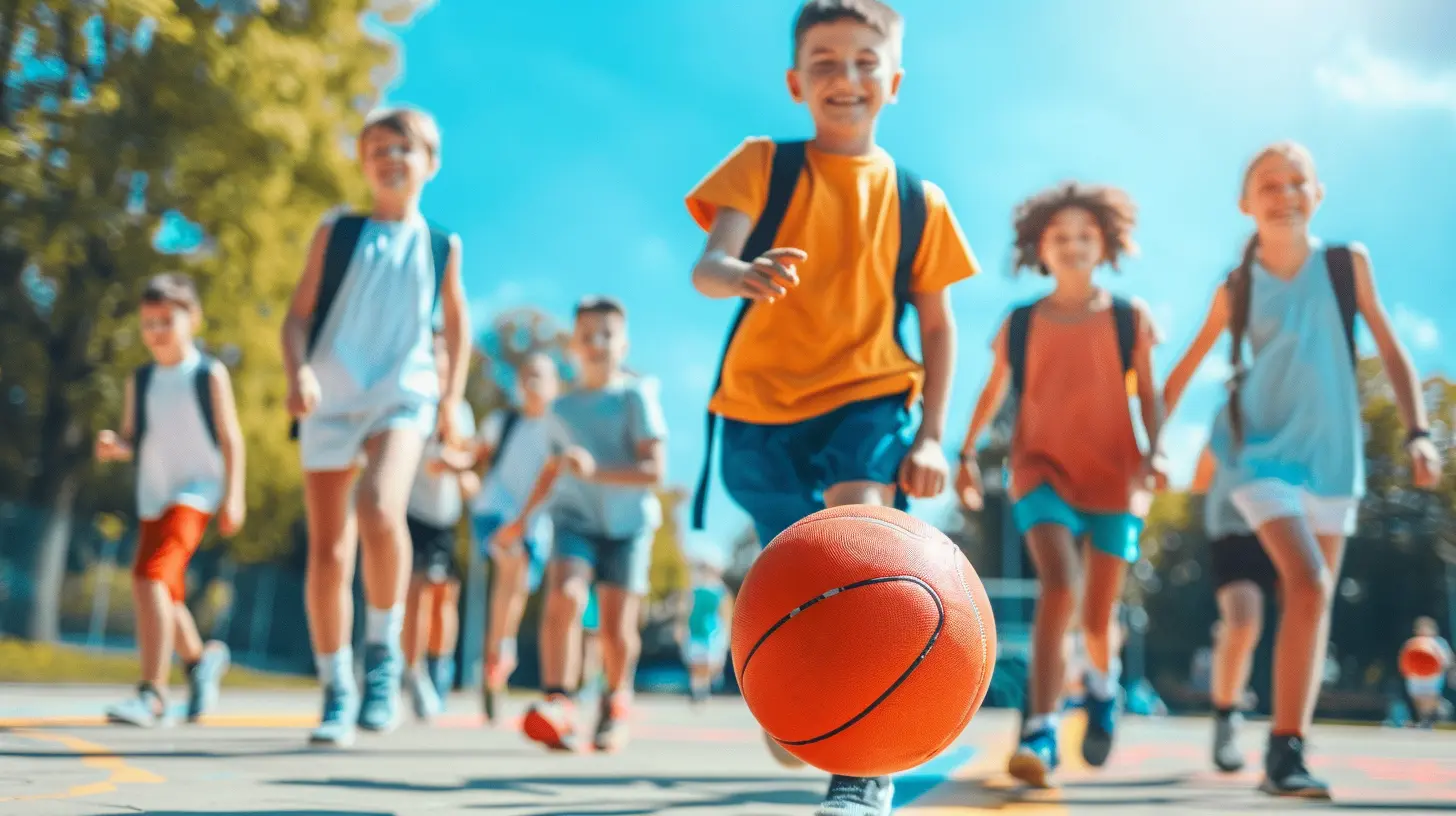
The Hidden Curriculum: Social Growth in Action
1. From Strangers to Teammates: Making Friends Comes Naturally
Think about your first day at a new club or team. A room full of unfamiliar faces. Awkward smiles. Small talk. Fast forward a few weeks, and you’re laughing over inside jokes, texting about practice, and collaborating like old friends.That transition? That’s social development in real-time.
Extracurriculars provide a low-pressure environment where friendships bloom organically. Unlike the classroom, where conversations are structured and roles are defined, activities offer freedom. There’s space to be silly, creative, and most importantly—authentic.
2. Learning the Language of Teamwork
Ever tried pulling off a group dance routine or organizing a charity bake sale? Let me tell you—it takes communication, compromise, and a shared goal.These activities mimic real-life work scenarios and teach students how to:
- Listen actively
- Share ideas respectfully
- Accept feedback
- Manage conflicts
- Celebrate team wins
And the best part? These lessons stick, because they’re tied to personal passions and fun projects—not boring lectures or textbooks.
3. Leadership Without the Lecture
Not everyone sees themselves as a “leader” at first. But when someone hands you the mic at student council, or you’re suddenly the team captain responsible for organizing practice drills, things shift.Leadership isn’t just about being in charge—it’s about being accountable, inspiring others, and organizing chaos into progress. In extracurriculars, leadership emerges naturally. Students learn how to delegate, motivate, and navigate group dynamics.
It’s like a leadership bootcamp, minus the khakis and corporate lingo.

Real Stories, Real Skills
Let’s break from theory for a sec and talk scenarios.Emma, The Timid Artist
Emma loved sketching but never spoke much in class. She joined the school art club just to draw more. Fast forward three months—she was planning art shows, explaining her work to others, and even leading workshops for younger students. No forced lessons, no awkward icebreakers—just connection through creativity.Jordan, The Soccer Strategist
Jordan wasn’t the loudest on the field, but he knew how to read the game like a book. His coach spotted this and asked him to help lead training sessions. Slowly, Jordan started voicing plans, boosting morale, and guiding teammates. Now, he’s the go-to guy when decisions need to be made.Emma and Jordan didn’t just grow socially—they blossomed. And that’s what extracurriculars do: they nurture natural growth.
The Safe Space Effect
What makes these activities such fertile ground for social skill-building? They’re safe. They’re forgiving. They’re run by mentors who don’t expect perfection, just participation.In a club or on a team, failure isn’t final—it’s feedback. You fumble a line? Try again. Miss a pass? Practice more. These environments foster resilience, empathy, and confidence—three ingredients no social butterfly can live without.
Building Emotional Intelligence Through Interaction
Another major perk? Emotional intelligence. You can't learn that from a textbook.By working with diverse personalities, students begin to tune in:
- They recognize emotional cues
- They adapt their communication style
- They understand that everyone brings a unique perspective
Whether consoling a disappointed teammate or navigating a creative disagreement, students learn empathy, patience, and diplomacy. These are lifelong skills, and extracurriculars offer the perfect training ground.
Shaping Identity One Activity at a Time
It’s not just about socializing—it’s about discovering who you are in a crowd.Extracurriculars allow students to explore their interests and values. You start to ask: “What am I passionate about?” “What role do I play best?” “Where do I feel most alive?”
These questions aren’t just deep—they’re direction-shapers. When students find their people, they find themselves.
Diversity of Activities = Diversity of Interaction
Extracurriculars expose students to people outside their immediate circle—different grades, backgrounds, and personalities. This broadens their social net and enhances versatility.Imagine how rich your communication skills become when you're:
- Debating school policies one day
- Rehearsing choreography with students two years younger the next
- Volunteering alongside peers from different neighborhoods over the weekend
Each experience sharpens a different angle of your social toolkit.
The Digital Angle—Online Extracurriculars Also Count
We can't deny it—tech is part of life. And while face-to-face interaction is gold, virtual extracurriculars have their own flavor of social skill-building.From coding clubs to virtual Model UNs, online platforms teach:
- Digital etiquette
- Written communication
- Video-conference presence
- Online collaboration
The skills may be virtual, but the growth is very real.
Parents and Educators: Your Role in the Journey
If you’re a parent, teacher, or mentor reading this, know that your encouragement counts. The most profound changes happen when adults support—not pressure—students into exploring different paths.Create space for unstructured activities. Volunteer to lead clubs. Cheer from the sidelines. Help kids stick it out through the awkward phases—that’s when confidence begins to take root.
Small Participation, Big Impact
Even if a student only dips their toe into one club for a semester, the ripple effect is real. That one experience may spark a friendship, ignite a passion, or kick-start a journey of self-discovery. It all adds up.Never underestimate the power of a single “yes” to trying something new.
The College and Career Connection
Let’s not ignore this bonus prize—colleges and employers love candidates with strong social skills. Leadership experience, teamwork, adaptability, initiative—these are the buzzwords on every application.But they’re not just for show. Students with vibrant extracurricular histories walk into interviews with stories, confidence, and authenticity that stand out.
They don’t just answer questions—they connect.
Final Thoughts: The Echo That Lasts a Lifetime
Extracurriculars are so much more than resume boosters or side hobbies. They are the silent playgrounds where social skills are tested, shaped, and solidified. They’re the melting pots of personality where students become not only scholars but humans—capable, compassionate, and connected.So whether it’s the chessboard, the soccer field, the science fair, or the school play—every moment counts. Every laugh, fail, win, and collaboration plants seeds that will grow into relationships, careers, and communities.
### Ready to join the club?
all images in this post were generated using AI tools
Category:
Extracurricular ActivitiesAuthor:

Eva Barker