The Role of Extracurriculars in Cultivating Emotional Intelligence
24 February 2026
When we think about education, we often focus on academics—grades, tests, and report cards. But there’s a whole other side to learning that happens outside the classroom, and it plays a crucial role in shaping who we are. Extracurricular activities—whether it’s sports, music, theater, student clubs, or volunteer work—aren’t just about having fun. They help shape emotional intelligence, a skillset that’s just as valuable as academic success, if not more.
So, how exactly do extracurriculars help build emotional intelligence? Let’s break it down. 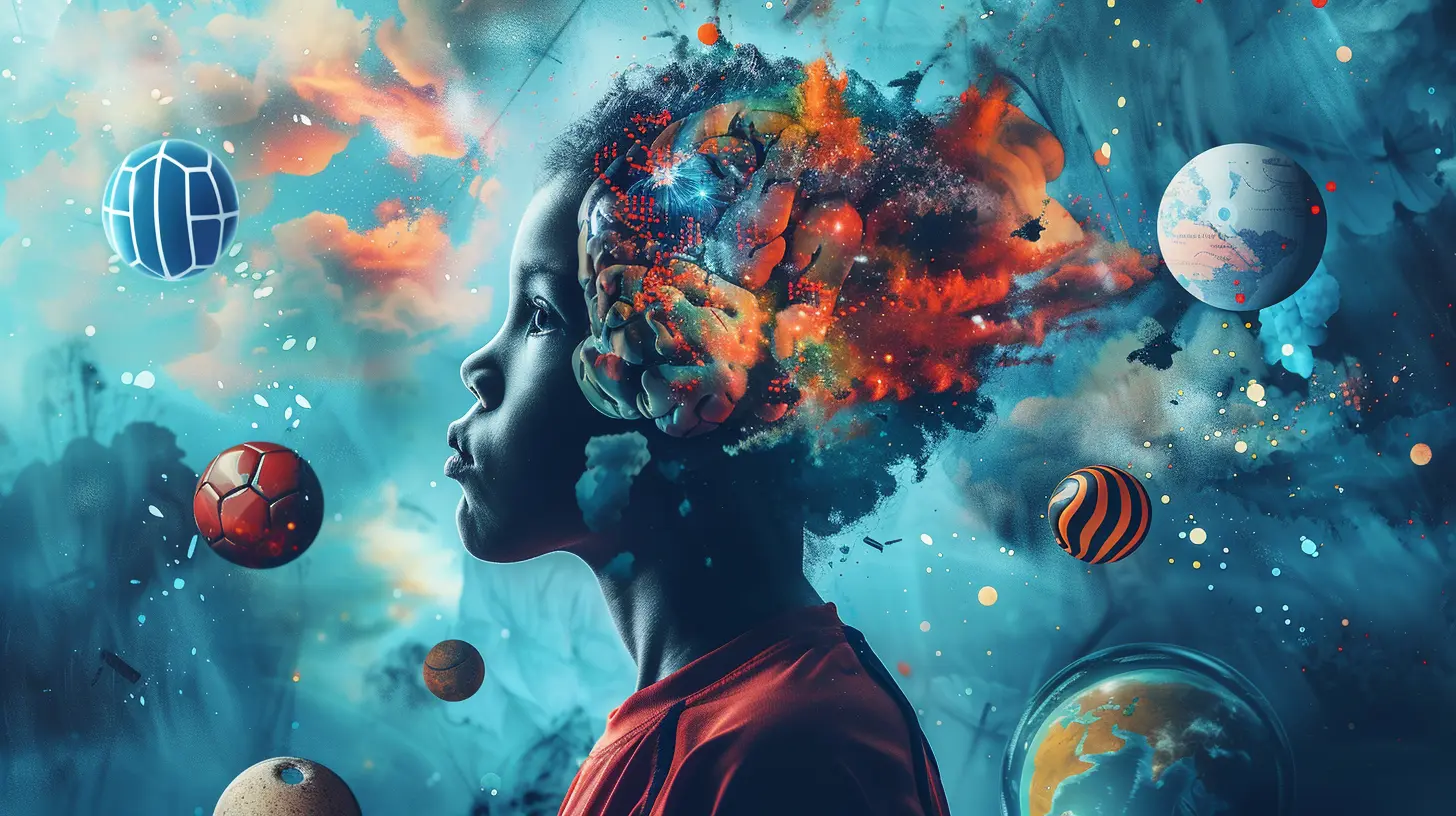
What is Emotional Intelligence?
Before we start exploring the connection between extracurriculars and emotional intelligence, let’s define what emotional intelligence (EI) actually is.In simple terms, emotional intelligence is the ability to understand, manage, and express emotions effectively while also being tuned into the emotions of others. It consists of five key components:
1. Self-awareness – Recognizing your own emotions and understanding how they affect you and those around you.
2. Self-regulation – Controlling emotional responses instead of letting them control you.
3. Motivation – Having the drive to pursue goals with energy and persistence.
4. Empathy – Understanding the emotions of others and responding appropriately.
5. Social skills – Building strong relationships, communicating effectively, and working well with others.
Now, let’s explore how extracurriculars help develop these essential life skills. 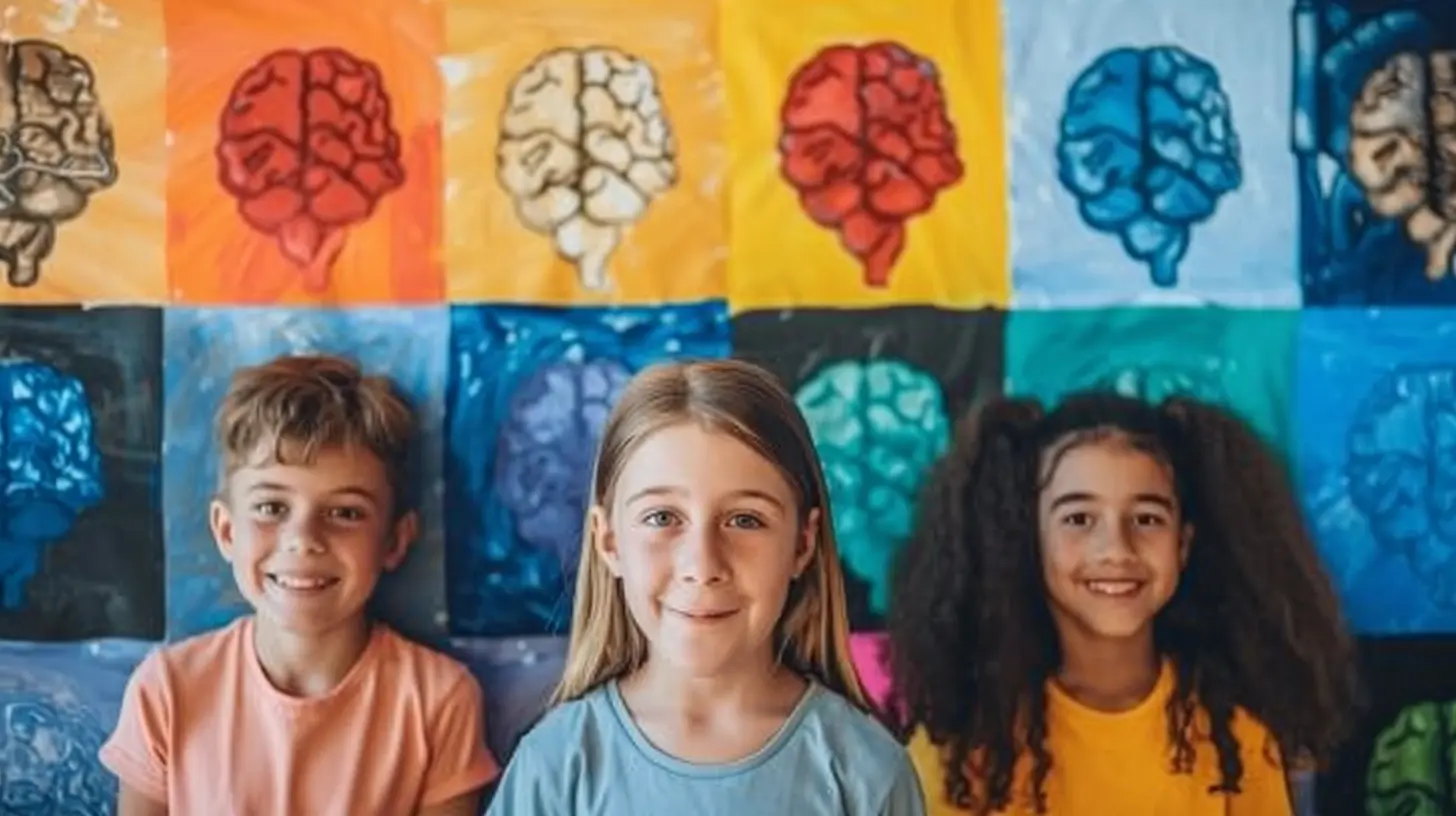
Extracurricular Activities and Their Role in Emotional Intelligence
1. Boosting Self-Awareness Through Personal Challenges
Joining extracurricular activities pushes students out of their comfort zones. Whether it's stepping onto a stage for a drama performance, playing in a crucial basketball match, or giving a speech in a debate club, these experiences force individuals to recognize their emotions.Think about it—how do you feel before a big game? Nervous? Excited? A mix of both? Understanding these emotions and learning to process them allows students to develop self-awareness. They begin to identify patterns in their feelings and reactions, which helps them navigate future challenges more effectively.
2. Teaching Self-Regulation Through Discipline
Extracurricular activities, especially team-based ones, require a high level of self-control. You can’t let anger take over if you miss a goal in soccer. You can’t freeze if you forget a few lines in a play. These activities demand that students regulate their emotions, stay focused, and keep going, no matter what.Through repetition and experience, they learn to manage their impulses, handle setbacks with grace, and adapt to stress and pressure—key traits of emotionally intelligent individuals.
3. Fostering Motivation Through Passion
It's one thing to be told to study for an exam, but it’s entirely different when you’re pursuing something you genuinely love. Extracurriculars tap into intrinsic motivation—the type that comes from within.Take musicians, for example. They spend hours practicing because they’re passionate about it, not because they’re being graded. This type of dedication teaches resilience and grit—qualities essential for long-term success in life. The same goes for athletes training for a championship, writers working on their school paper, or students leading a community project.
When students develop self-motivation through these activities, they carry it into other aspects of life, including academics and personal growth.
4. Building Empathy Through Teamwork and Social Interactions
One of the most powerful ways extracurriculars enhance emotional intelligence is by teaching empathy. When students participate in clubs, teams, and group activities, they interact with people from different backgrounds, perspectives, and personalities.In a sports team, players learn to support each other through wins and losses. In a theater production, actors rely on one another to bring a scene to life. In volunteer work, students see firsthand the struggles of others and develop compassion.
These experiences naturally build empathy by allowing students to step into someone else’s shoes and see the world from different perspectives.
5. Enhancing Social Skills Through Communication and Leadership
Interpersonal skills are a huge part of emotional intelligence, and extracurriculars provide a playground for developing them. Any activity that requires collaboration—student councils, clubs, debate teams, or even chess tournaments—forces students to communicate effectively and work as part of a team.More importantly, these activities often present leadership opportunities. Becoming a team captain, club president, or project leader teaches responsibility and decision-making. It also requires students to inspire and guide others, a skill that will serve them well in future careers and relationships. 
Real-Life Skills That Go Beyond the Classroom
Most students don’t realize it at the time, but the soft skills learned through extracurriculars often have a bigger impact than academic knowledge. Emotional intelligence is what makes someone a great leader, a reliable friend, and a successful professional.Think about the workplace. A high GPA may get you an interview, but it's emotional intelligence that helps you work well with colleagues, resolve conflicts, and handle high-pressure situations. The ability to collaborate, adapt, and communicate effectively will always be in demand, no matter the career path. 
Finding the Right Extracurricular for Emotional Growth
Not all extracurriculars will have the same impact on emotional intelligence. The key is to choose activities that genuinely engage the student. Here are a few of the best options:- Sports Teams – Great for self-discipline, teamwork, and resilience.
- Theater and Drama Clubs – Enhances self-awareness, confidence, and empathy.
- Volunteer Work – Builds compassion, perspective, and a sense of social responsibility.
- Debate or Public Speaking Clubs – Improves communication skills and self-confidence.
- Student Government – Teaches leadership, responsibility, and decision-making.
- Music and Arts – Encourages self-expression and emotional regulation.
Encourage students to explore different activities and find what resonates with them. The more they engage in meaningful extracurriculars, the more they develop emotional intelligence.
Final Thoughts
While schools focus on academic excellence, extracurricular activities play a crucial role in shaping well-rounded individuals. Emotional intelligence is not something that can be learned from a textbook—it must be experienced, practiced, and nurtured.By participating in extracurriculars, students gain more than just memories; they develop self-awareness, self-regulation, motivation, empathy, and social skills. These qualities will not only help them succeed in school but also in life.
So, whether it’s joining a sports team, volunteering for a cause, or taking up an artistic pursuit, students should embrace extracurriculars for more than just fun—they are powerful tools for personal growth.
After all, the best lessons in life often happen outside the classroom.
all images in this post were generated using AI tools
Category:
Extracurricular ActivitiesAuthor:

Eva Barker
Discussion
rate this article
2 comments
Allegra McAllister
Beyond grades and tests, the true lessons lie in the shadows of extracurriculars. What hidden depths of emotional growth await? Explore how these seemingly simple activities shape the architects of tomorrow's empathetic leaders.
March 3, 2026 at 4:48 AM
Eva Barker
Absolutely! Extracurriculars provide rich opportunities for emotional growth, fostering teamwork, resilience, and empathy. These experiences shape well-rounded individuals, equipping them with vital skills for future leadership.
Soryn McIlroy
What a fantastic read! This article beautifully highlights the vital connection between extracurricular activities and the development of emotional intelligence. Engaging in these experiences not only nurtures essential skills but also fosters personal growth and empathy. Thank you for shedding light on such an important aspect of education!
February 26, 2026 at 3:48 AM
Eva Barker
Thank you so much for your thoughtful comments! I'm glad you found the article meaningful and insightful. Your support is greatly appreciated!