The Power of Peer Learning: A Psychological Perspective
8 April 2026
Ever found yourself understanding something better when a friend explained it rather than a teacher? You're not alone. That magical moment when a classmate breaks down a concept and suddenly the light bulb flicks on—yeah, that’s peer learning in action. It’s not just a feel-good idea. Psychology backs it up, and it’s transforming the way we think about education.
In this post, we’re diving deep into the fascinating psychological science behind peer learning, why it works so well, and how it benefits both the learner and the 'teacher'. Whether you're a student, teacher, or lifelong learner, there's something here for you.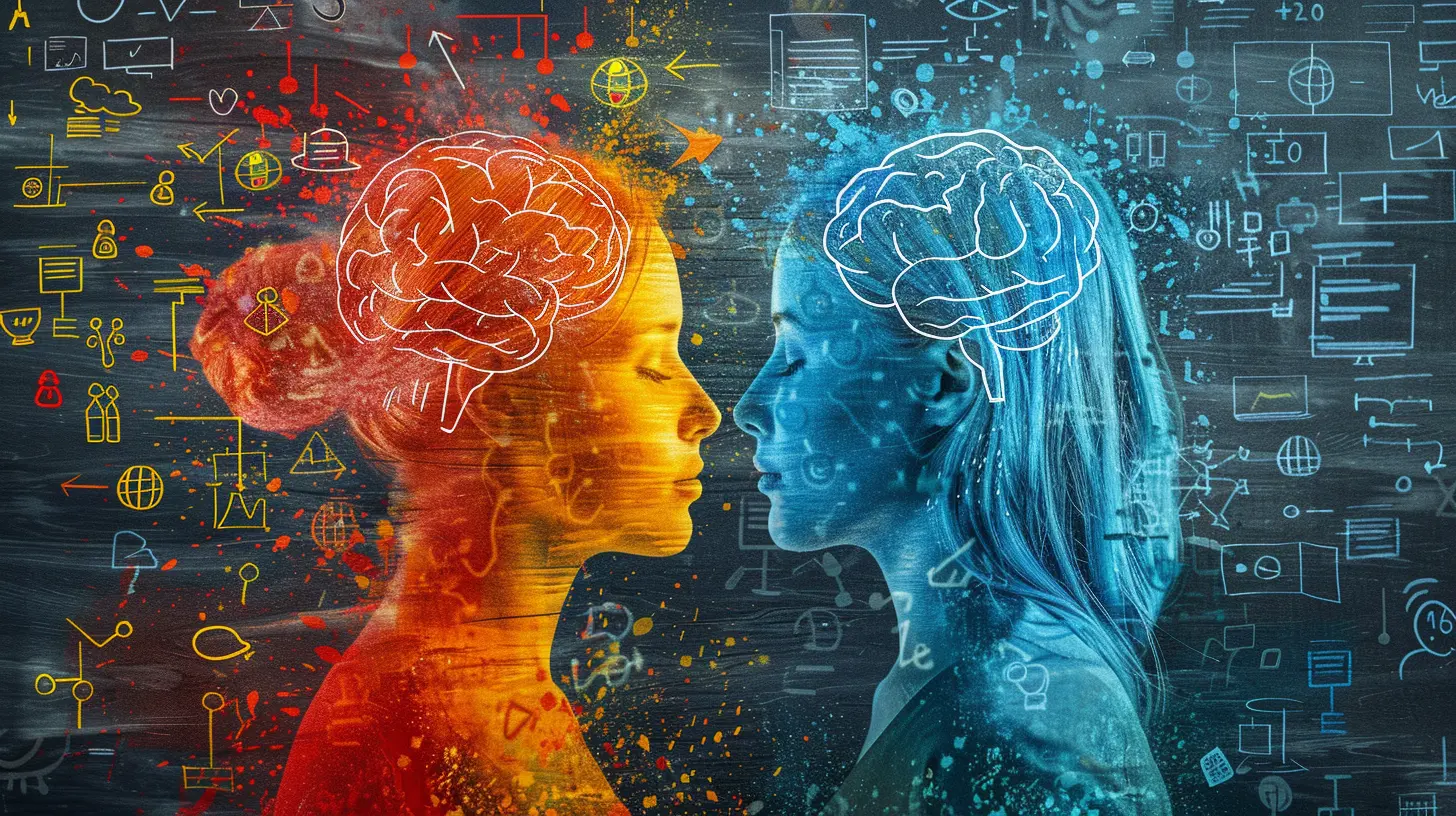
What Exactly Is Peer Learning?
At its core, peer learning is when people of similar age or status help each other to learn. This could be classmates working together, study buddies explaining topics to one another, or project teams collaborating on assignments.But peer learning isn't just helping a friend with homework. It's an interactive process where everyone contributes, questions, clarifies, and reflects. It's a shared journey, not a one-way street.
Think of it like this: Imagine climbing a mountain. You and your buddy are climbing side by side. You don't just wait for a guide to pull you up—you help each other find the best footholds along the way.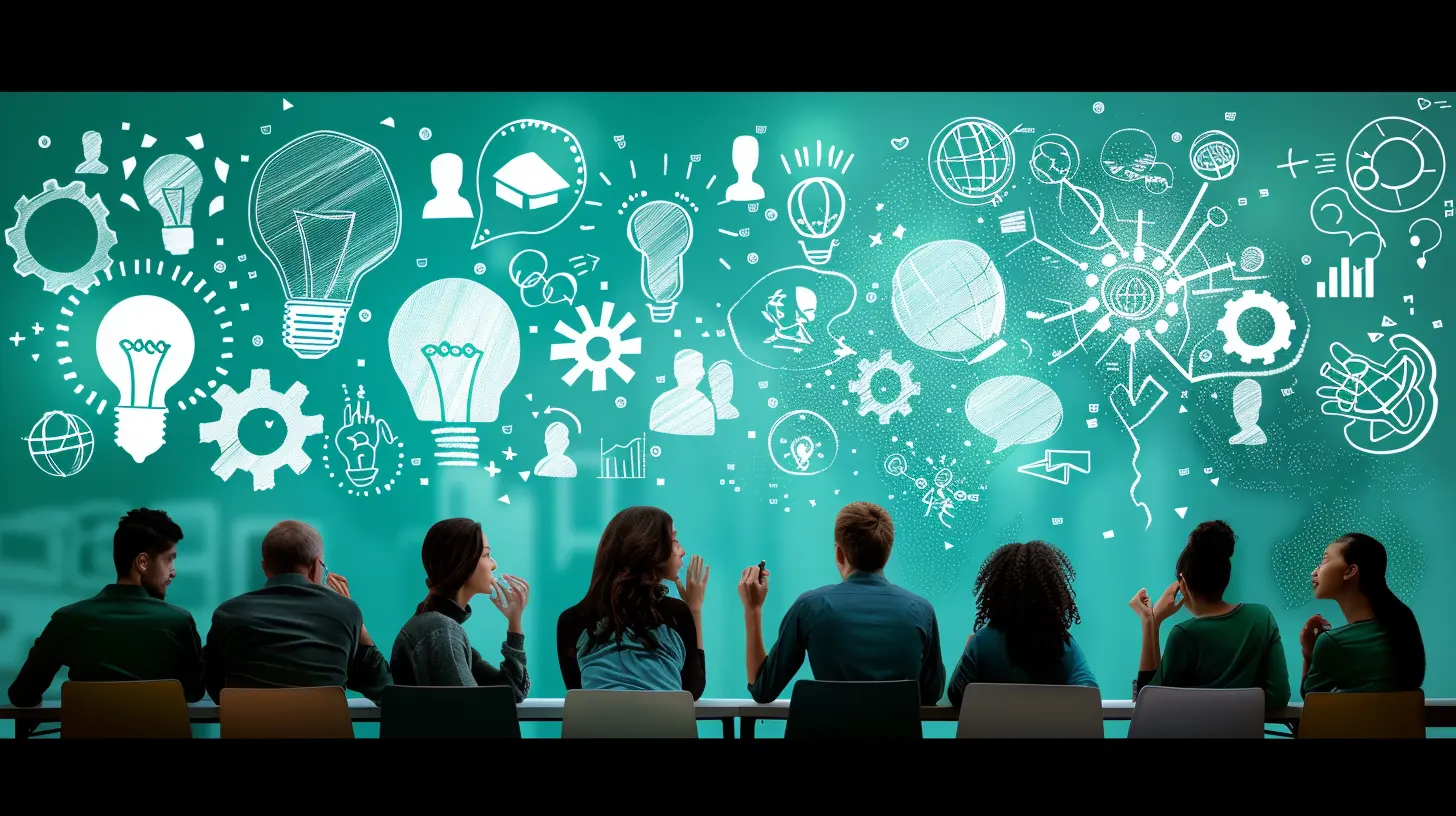
The Psychological Foundation of Peer Learning
So, why is peer learning such a game-changer? Psychology gives us several compelling answers.1. Social Constructivism: We Build Knowledge Together
Lev Vygotsky, a big name in educational psychology, introduced the idea of the “Zone of Proximal Development” (ZPD). Sounds fancy, but it boils down to this: there's a sweet spot between what you can do alone and what you can do with help.He argued that we learn best when we're nudged slightly beyond our comfort zone—with guidance. In peer learning, your buddy is that guide. They help you get things you couldn’t grasp on your own.
2. The Protégé Effect: Teaching Helps the Teacher
Ever explained something to someone and realized you understood it better after you taught it? That’s the protégé effect in play. When you're preparing to teach, your brain processes the material at a deeper level.So, the person explaining actually gains just as much—sometimes more—than the one being taught. Teaching forces us to organize our thoughts, find clearer words, and anticipate questions.
In peer learning, everyone wins.
3. Mirror Neurons: I Learn By Watching You Learn
Neuroscience tells us our brains are wired to learn from others. Mirror neurons fire up not just when we do something, but when we see someone else do it. When your classmate solves a math problem, your brain lights up as if you did it yourself.In short, learning doesn’t always need to be hands-on. Sometimes just observing can create deep understanding.
Psychological Benefits Beyond Academics
It’s not just about mastering equations or writing killer essays. Peer learning shapes how we think and who we become.1. Boosts Confidence
Helping others and being helped in return creates a safe space. You’re not afraid to ask “silly” questions. You start believing in your ability to figure things out. That kind of confidence carries over into life beyond the classroom.2. Increases Motivation
Working with peers creates a sense of belonging. You’re not alone in the struggle. And when you see your friend hustle, it subtly pushes you to put in more effort too. It’s like having a gym buddy—learning becomes a team sport.3. Builds Communication & Empathy
Explaining ideas requires clear communication. Asking for help demands vulnerability. Listening needs empathy. Peer learning sharpens all these soft skills that employers can’t get enough of.
Different Ways Peer Learning Works
Peer learning isn’t one-size-fits-all. There are multiple ways it can unfold, each with its own twist.a. Reciprocal Peer Tutoring
This is when students take turns playing the teacher role. One explains while the other listens, then they switch. It's casual but potent.b. Peer Instruction
Championed by Professor Eric Mazur at Harvard, this approach uses conceptual questions during class. Students first answer individually, then discuss with peers, and answer again. The gains? Astounding.c. Study Groups
Classic and still golden. Small groups working through topics together. They brainstorm, argue (productively!), and teach one another.d. Peer Assessment
When students review and provide feedback on each other’s work, they learn to evaluate critically. Giving feedback helps refine their own understanding too.Why Peer Learning Sometimes Works Better Than Traditional Teaching
Not to throw shade at professional educators—teachers are invaluable—but sometimes peers just click in ways teachers can’t.- Language Match: Peers speak the same “student language”. They use simpler words and relatable examples.
- Shared Struggles: They remember what it felt like to be confused, so they explain with empathy.
- Less Intimidating: Let’s face it. Asking a classmate a question feels less scary than raising your hand in front of everyone.
It’s like Google Translate for education. Peers help “translate” teacher-talk into something more digestible.
Challenges of Peer Learning (and How to Handle Them)
Okay, let’s be real. Peer learning isn’t sunshine and rainbows all the time.✔ Knowledge Gaps
If both partners are confused, that’s just the blind leading the blind. The fix? Combine peer learning with teacher checkpoints.✔ Dominant Personalities
Sometimes, one person takes over too much. Set clear roles or rotate responsibilities to keep things balanced.✔ Lack of Accountability
Group work sometimes becomes group slack. To avoid free riders, set shared goals and individual tasks.Making Peer Learning Work: Some Practical Tips
Want to get the most out of peer learning? Here’s how.✅ Set Clear Goals
Don’t just “study together”. Decide what topics you’ll cover, what questions you’ll tackle, and for how long.✅ Embrace Mistakes
Mistakes are gold. When someone gets it wrong, it opens the door for real discussion. Don’t gloss over them—lean in.✅ Mix It Up
Rotate partners. Bring in different perspectives. Each person has something unique to offer.✅ Reflect After
Take five minutes at the end to talk about what worked and what didn’t. This helps you refine your approach over time.Peer Learning in the Digital Age
With online classes and remote learning becoming the norm, how does peer learning evolve?Thanks to tech, peer learning is more accessible than ever.
- Online Study Groups: Platforms like Discord, Zoom, and Google Meet make group study easy.
- Peer Learning Apps: Tools like Brainly, Quizlet, and Edmodo encourage collaborative learning.
- Forums and Communities: Reddit, Stack Exchange, or course-specific forums are goldmines for peer-led discussions.
The trick? Stay active. Lurking silently won’t cut it. Ask questions. Share ideas. Comment on others’ thoughts.
The Bigger Picture: Preparing for a Collaborative World
Look around. The real world doesn’t work in silos. Whether it’s in the workplace, in relationships, or in solving global challenges—collaboration is key.Peer learning trains us for that world. It’s not just about content mastery—it’s about building future-ready skills:
- Listening actively
- Explaining clearly
- Respecting different viewpoints
- Working through disagreements
These are the traits of effective leaders, empathetic coworkers, and thoughtful humans.
So, Is It Time to Rethink How We Learn?
Absolutely. Education isn’t just about absorbing knowledge. It’s about sharing it, shaping it, and building it together.Peer learning reminds us that everyone has something valuable to contribute. That the smartest person in the room is the whole room. And that success is sweeter when it's shared.
So next time you're stuck on a concept? Don’t just Google it.
Ask a buddy.
Get a group together.
Teach what you know.
In that moment, you won’t just be learning—you'll be shaping your mind, your relationships, and your future.
Final Thoughts
The power of peer learning lies not just in better academic outcomes, but in the way it transforms the learning experience. It’s social, it’s dynamic, and it’s deeply human. And at a time when connection and collaboration matter more than ever, maybe peer learning isn’t just an educational strategy—it’s a life skill.all images in this post were generated using AI tools
Category:
Educational PsychologyAuthor:

Eva Barker
Discussion
rate this article
2 comments
Beau Kane
This article beautifully highlights the transformative impact of peer learning on student engagement and motivation. By exploring its psychological underpinnings, it emphasizes the importance of social interaction in education. Encouraging collaboration not only enhances understanding but also fosters a supportive learning environment that benefits all participants. Great insights!
April 21, 2026 at 11:08 AM
Eva Barker
Thank you for the kind words! I'm glad you found the insights on peer learning and social interaction impactful.
Melody Kline
Peer learning: where understanding math is just a study buddy away, and group projects turn into competitive snack sessions! Who knew the secret ingredient to mastering psychology was simply sharing “Aha!” moments over pizza? Remember, knowledge may be power, but friends make learning a whole lot tastier! 🍕📚
April 10, 2026 at 4:10 AM
Eva Barker
Absolutely! Peer learning not only enhances comprehension but also makes the process enjoyable and collaborative, turning challenges into shared experiences that foster deeper connections and insights. 🍕📚