Collaborative Classrooms: Connecting Students Across Continents
18 December 2025
In today's digital world, the idea of a classroom has evolved far beyond the four walls of a school building. Classrooms are now going global. Imagine a student in Tokyo working on a science project with a classmate in Paris. Sounds cool, right? That’s exactly what collaborative classrooms are all about—breaking down borders and building learning bridges across continents.
So, grab your virtual passport because we’re diving deep into how collaborative classrooms are reshaping education in amazing ways!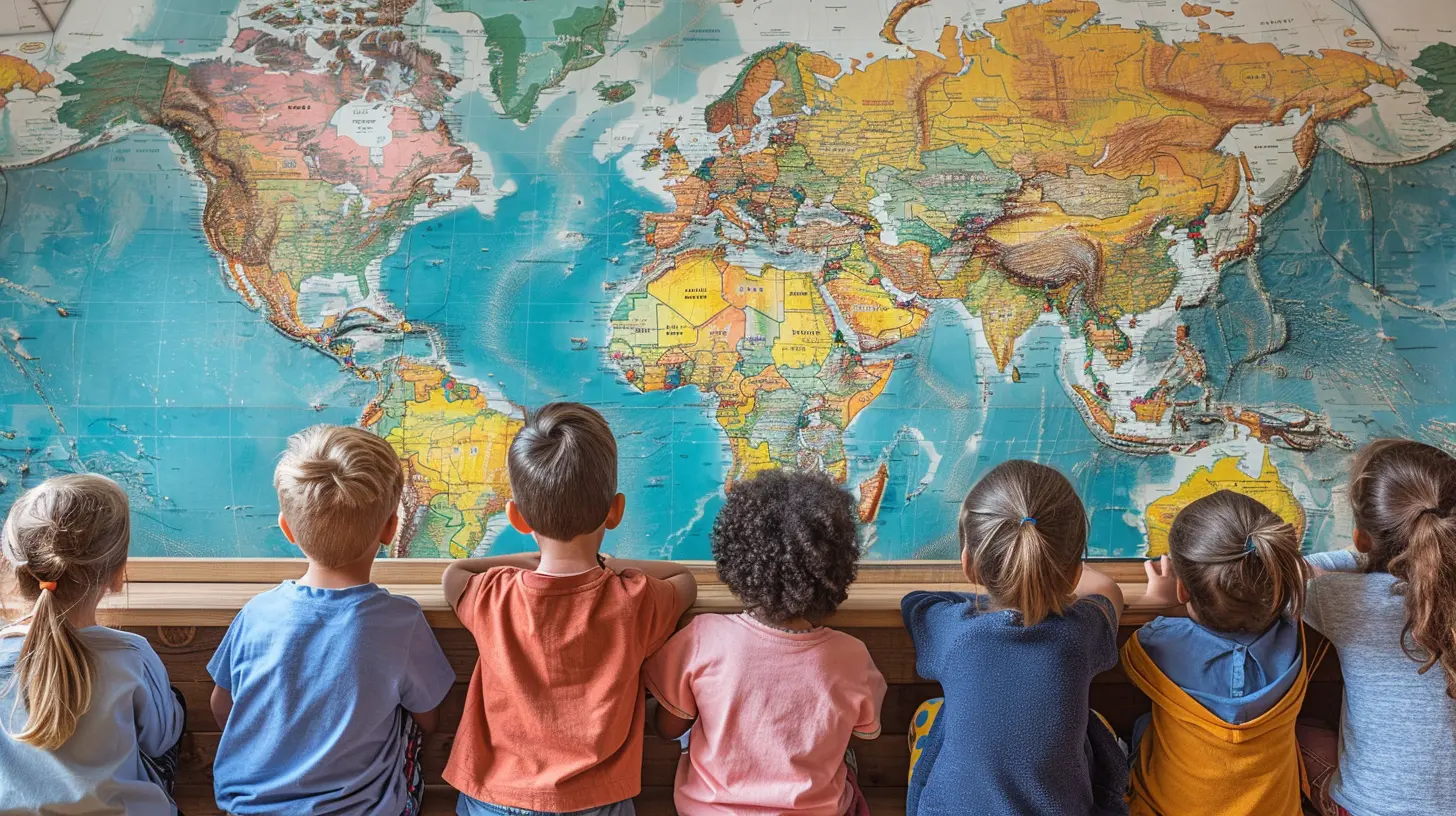
What Are Collaborative Classrooms?
Let’s start with the basics. Collaborative classrooms are learning environments where students work together—not just with their peers in the same room, but with students across the globe. Thanks to technology (hello Zoom, Google Meet, Padlet, Flipgrid, and more!), students can collaborate in real-time from different parts of the world.But it’s not just about video calls or group chats. It’s about sharing ideas, solving problems together, and seeing the world from different perspectives. It’s the kind of learning that textbooks alone can’t offer.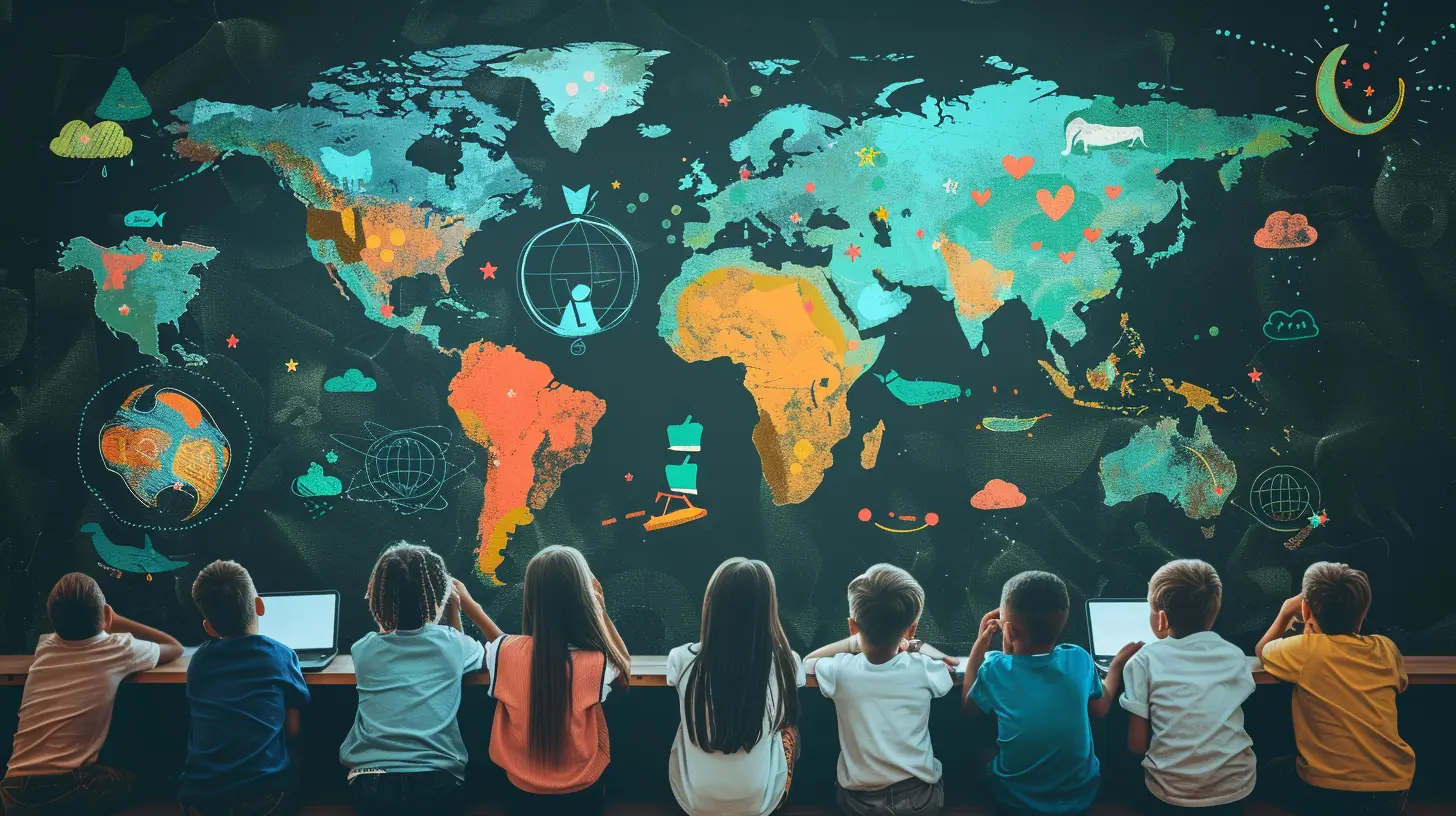
Why Go Global with Learning?
You might wonder, “What’s the big deal with connecting students from different countries?” Well, here’s the thing—when students interact with peers from other cultures, they don't just exchange facts, they exchange life experiences. That’s powerful.Here are a few reasons why global collaboration matters:
- 🌍 Cultural Awareness: Students step into someone else’s shoes and gain a better understanding of different customs, traditions, and points of view.
- 💬 Communication Skills: Talking with someone who doesn’t share your first language is a fun challenge—and it boosts both listening and speaking skills.
- 🤝 Teamwork: Real-world problems are rarely solved alone. Collaborative classrooms mimic real-life scenarios where teamwork is key.
- 🌐 Global Citizenship: Students don’t just learn about the world—they start to see themselves as part of it. That’s a major mindset shift.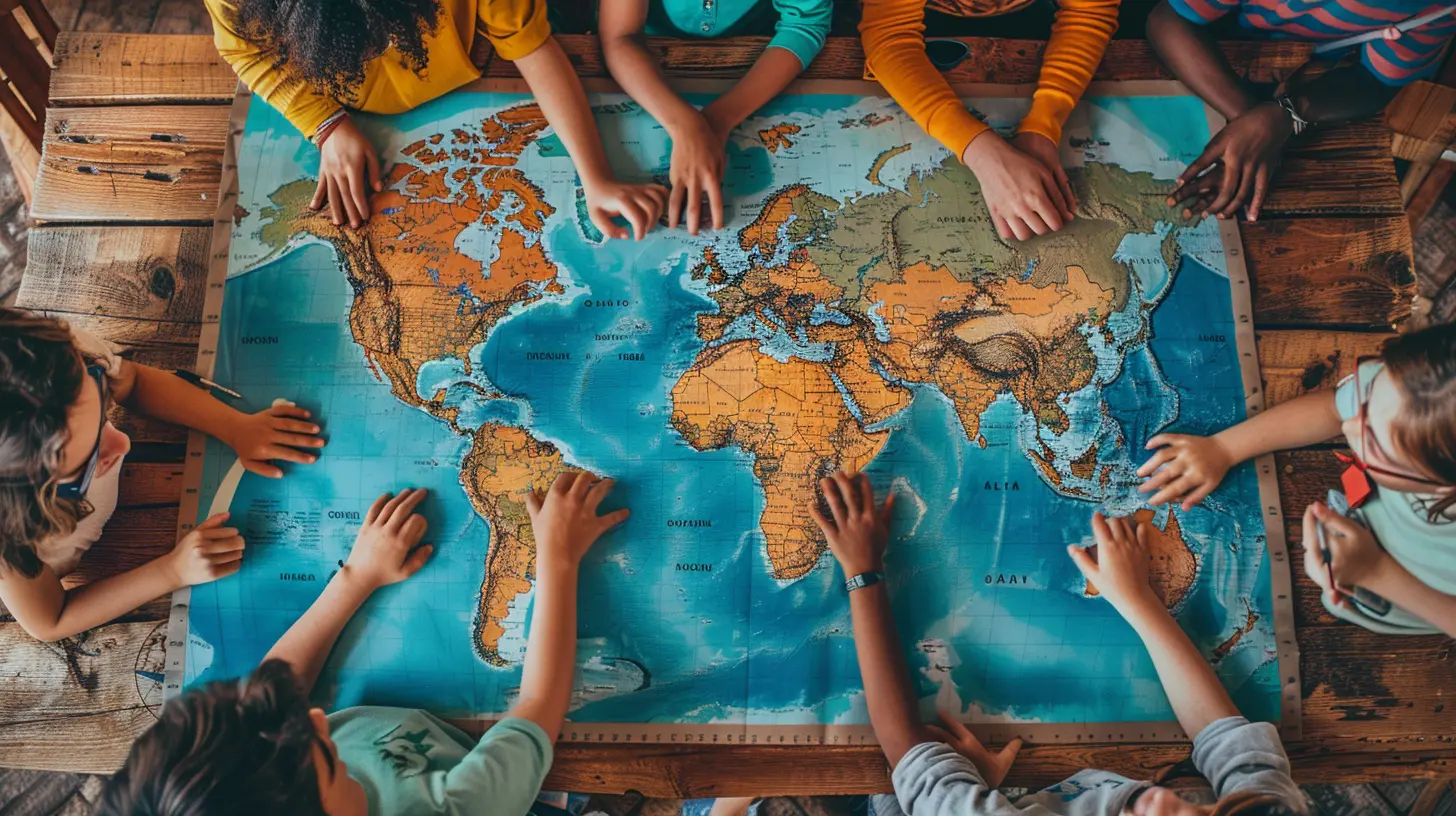
Tech That Makes It Happen
Now, creating a globe-spanning classroom might sound tricky. But with the right tools, it’s actually easier than you think. Here are some of the top tools teachers and students are using to connect across continents.1. Video Conferencing Tools
- Zoom, Skype, and Google Meet let students interact face-to-face, no matter the distance.- Many virtual exchange programs host live debates, cultural exchanges, and even virtual field trips!
2. Collaboration Platforms
- Google Docs and Microsoft Teams allow students to co-write essays, solve problems, and create presentations together in real time.- Padlet is great for virtual brainstorming. Think of it as a giant sticky-note board that everyone can see and add to.
3. Language Translation Tools
- Tools like Google Translate, DeepL, and Immersive Reader help break down language barriers, making international collaboration much smoother.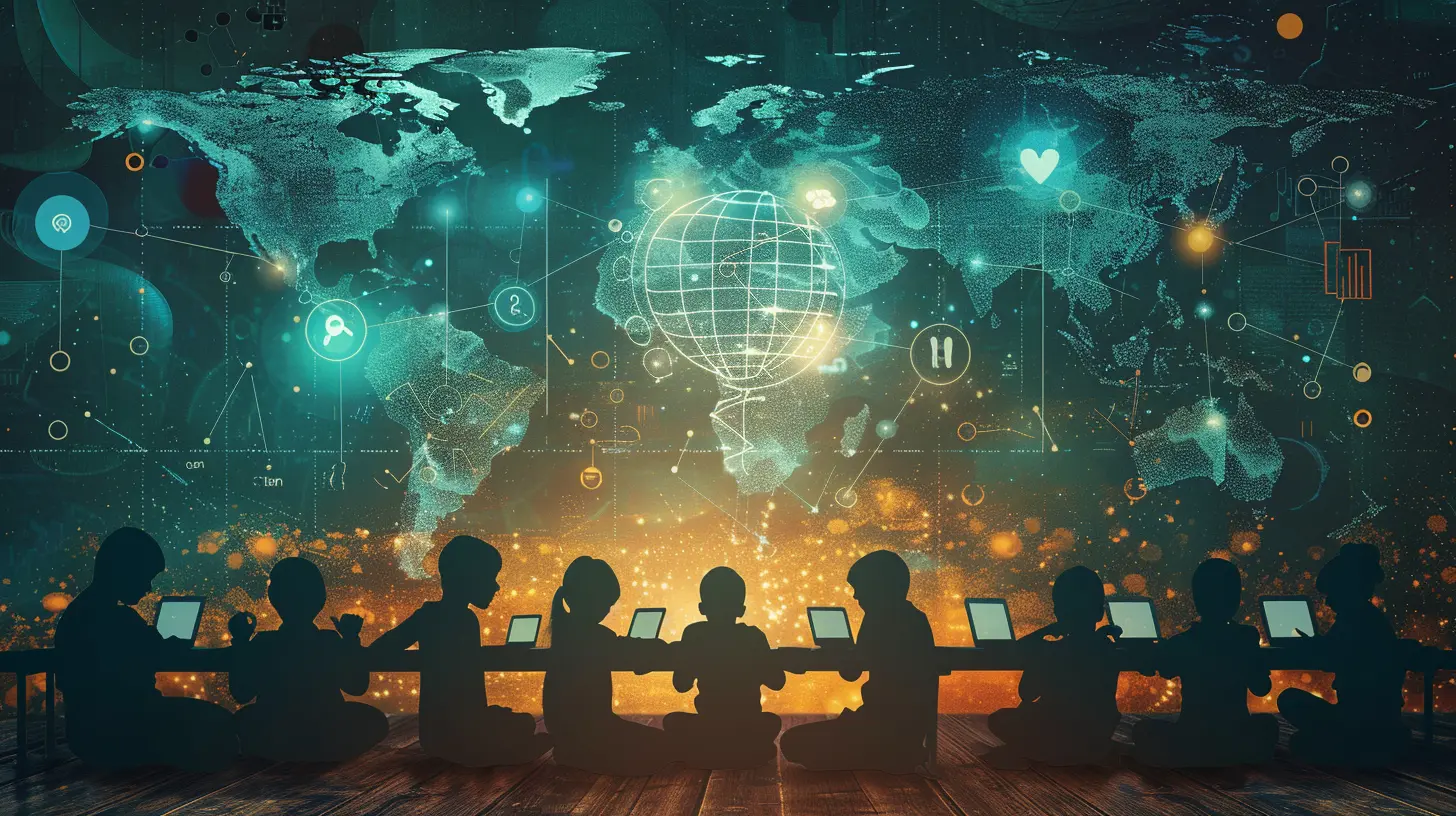
Real-Life Examples of Collaborative Classrooms
Let’s bring this idea to life with some real-world stories.The “Global Read Aloud” Project
Started in 2010, the Global Read Aloud connects classrooms around the world through a shared reading experience. Students from different countries read the same book at the same time and connect online to discuss characters, plot twists, and personal reflections. It’s reading, but with a worldwide book club twist.Flat Connections Projects
Founded by Dr. Julie Lindsay, these projects bring students together to work on solving global issues like climate change, poverty, and education rights. Imagine middle schoolers from Brazil and Canada teaming up to brainstorm eco-friendly solutions. How cool is that?ePALS and PenPal Schools
Digital pen-pal programs have taken the old-school letter exchange and upgraded it for the 21st century. Students email, message, or even video chat with their pen pals. They practice writing skills, learn about each other’s lives, and build meaningful cross-cultural friendships.Benefits That Go Beyond the Classroom
Sure, collaborative classrooms are great for academics. But the magic lies in the “extras”—the soft skills and life lessons that students pick up without even realizing it.1. Confidence Booster
When students share their ideas with international peers, they learn to trust their voices. Presenting to people around the world? That takes guts—and builds serious confidence.2. Problem-Solving Prowess
Global collaboration often involves solving real-world challenges. This teaches students not just what to think, but how to think. They learn to listen, disagree respectfully, and find common ground.3. Broader Worldview
Many students spend years surrounded by people who share similar backgrounds. Collaborative classrooms open their eyes to new perspectives and help them understand that there’s more than one “right” way to look at an issue.4. New Friends, New Stories
Let’s be honest—connecting with someone halfway across the planet is just plain fun. Students trade stories about their daily lives, friendships spark, and sometimes, lifelong connections are born.Challenges (And How to Overcome Them)
Okay, it’s not all sunshine and rainbows. Like any great idea, collaborative classrooms come with their fair share of challenges. But hey, no mountain too high, right?🌐 Time Zones
Trying to schedule a live session between students in New York and Sydney? Yikes. The solution? Asynchronous collaboration through videos, shared documents, or discussion boards.🗣️ Language Differences
Not everyone speaks English fluently. But that’s part of the learning! Translation tools, slow-paced conversations, and visual aids can do wonders.💻 Access to Technology
Not every classroom has high-speed internet or the latest devices. Teachers can look for grant programs or partner with organizations that support global education initiatives.🧭 Curriculum Alignment
Different schools, different curricula. But the beauty of global collaboration lies in focusing on common goals—like teamwork, critical thinking, or tackling global issues.Tips for Teachers: How to Get Started
Feeling inspired? Ready to take your classroom global? Here are some easy steps to help you dive in:1. Start Small: Maybe connect with just one classroom to begin with. A short-term project works great for first-timers.
2. Find a Partner: Check out platforms like iEARN, Empatico, or Teacher2Teacher to find classrooms looking to collaborate.
3. Set Clear Goals: What do you want students to gain? Language skills, cultural awareness, research experience? Knowing your goals helps shape the project.
4. Use Project-Based Learning: Collaborative global projects work best when they’re rooted in real-world problems students are passionate about.
5. Reflect and Share: After the project, give students time to share what they learned. Reflection deepens the experience and builds lasting memories.
The Future of Learning Is Global
We’re heading into a world where everything is connected—jobs, cultures, economies, and people. Shouldn’t our classrooms reflect that? Collaborative classrooms aren’t just a trend; they’re the future of education. They prepare students for a world where collaboration isn’t optional—it’s essential.And the best part? You don’t need a fancy passport, lots of money, or a plane ticket to join. All you need is curiosity, Wi-Fi, and a willingness to connect.
So whether you’re a teacher, student, or just someone who cares about the future—know this: the classroom no longer has a ceiling. It's as big as the world itself.
Final Thoughts: One World, Many Classrooms
Think about your best group project ever. Now, imagine that experience multiplied across countries, cultures, and continents. That’s the magic of collaborative classrooms.They turn the world into one giant shared learning space. They make education more human, more connected, and way more exciting.
So let’s keep building those bridges—one classroom at a time.
all images in this post were generated using AI tools
Category:
Global EducationAuthor:

Eva Barker
Discussion
rate this article
2 comments
Reagan McDonald
Who knew geography class would turn into a global group chat? Just wait until students start debating time zones—'No, it's not 5 PM here, it's 9 AM in my world!' Let the cross-continental chaos begin!
December 23, 2025 at 5:03 AM
Eva Barker
Absolutely! It's amazing how technology turns geography into a real-time dialogue. Embracing those time zone debates will only enrich the learning experience!
Grey McGuffin
This article beautifully highlights the power of collaboration in education! By connecting students across continents, we nurture empathy, cultural understanding, and innovative thinking. Let’s embrace these opportunities to create a richer learning experience and inspire the next generation of global citizens.
December 22, 2025 at 12:38 PM
Eva Barker
Thank you for your thoughtful comment! I'm glad you appreciated the article and the importance of collaboration in fostering global citizenship.