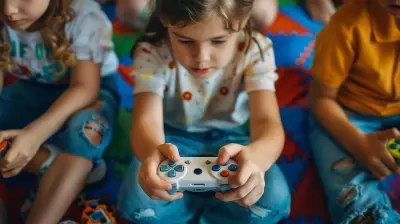
The Importance of Extracurriculars in Early Childhood Development
23 June 2026
When we think about early childhood development, our minds often jump to the basics—reading, writing, and counting. But here’s the thing: early learning goes way beyond ABCs and 123s. There’s a whole other side to it that doesn't get talked about enough—extracurricular activities. Yup, those after-school clubs, music lessons, dance classes, and playgroups actually play a huge role in shaping little ones.
So, why are extracurriculars so important in early childhood development? Let’s break it down.
What Are Extracurricular Activities for Young Kids?
Before we dive in, let’s get on the same page. When we say “extracurriculars,” we're talking about structured activities that happen outside of regular classroom education.For toddlers and preschoolers, this can include:
- Sports (like swimming, soccer, or karate)
- Creative arts (like painting, drawing, or crafting)
- Performing arts (like dancing, acting, or singing)
- Music lessons (learning an instrument or rhythm classes)
- Language clubs (learning a second language through play)
- STEM-based activities (basic science and math playgroups)
These activities might feel like “just playtime,” but there’s so much more going on under the surface.
Why Start So Early?
You might wonder, “Isn’t preschool too soon to worry about extracurriculars?” Actually, early childhood (ages 0-8) is when a child’s brain is most flexible and rapidly developing. It’s prime time for building skills that will stick around for life.Think of kids’ brains like sponges. The earlier you introduce them to new experiences, the more effectively they soak up knowledge and develop abilities. It’s not about turning toddlers into mini-prodigies—it’s about giving them tools to discover and express themselves.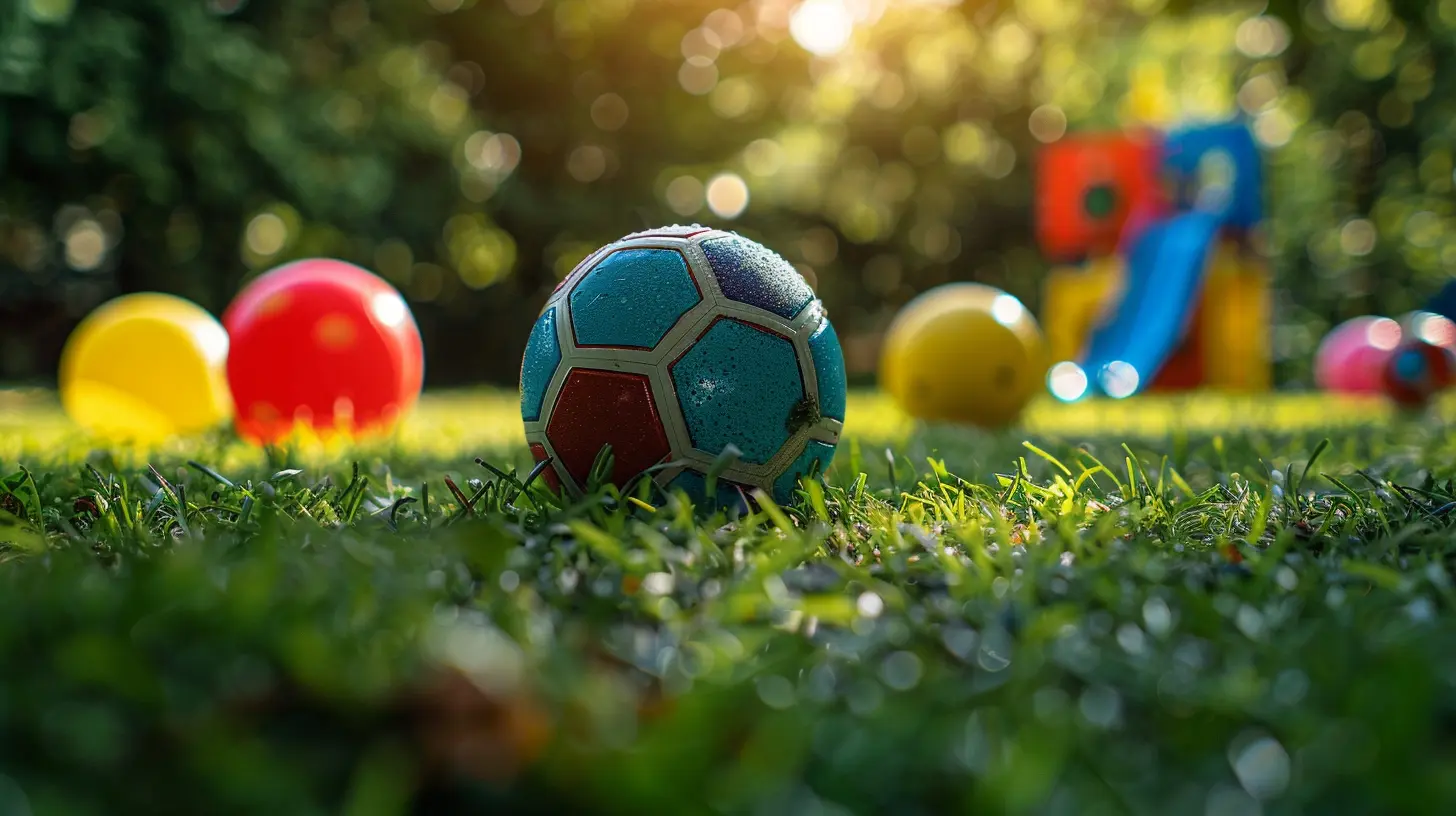
Building Social Skills Through Play
Here’s one of the biggest benefits: social development.When kids take part in extracurriculars—especially group-based ones—they learn how to:
- Share and take turns
- Follow instructions
- Work as part of a team
- Handle conflicts and emotions
You know those life skills we adults still work on? Yeah, kids get a head start through group activities.
Imagine a bunch of 4-year-olds trying to pass a soccer ball to each other. It might look chaotic, but they’re learning about cooperation, patience, and communication all at once. And the best part? They’re doing it while having fun.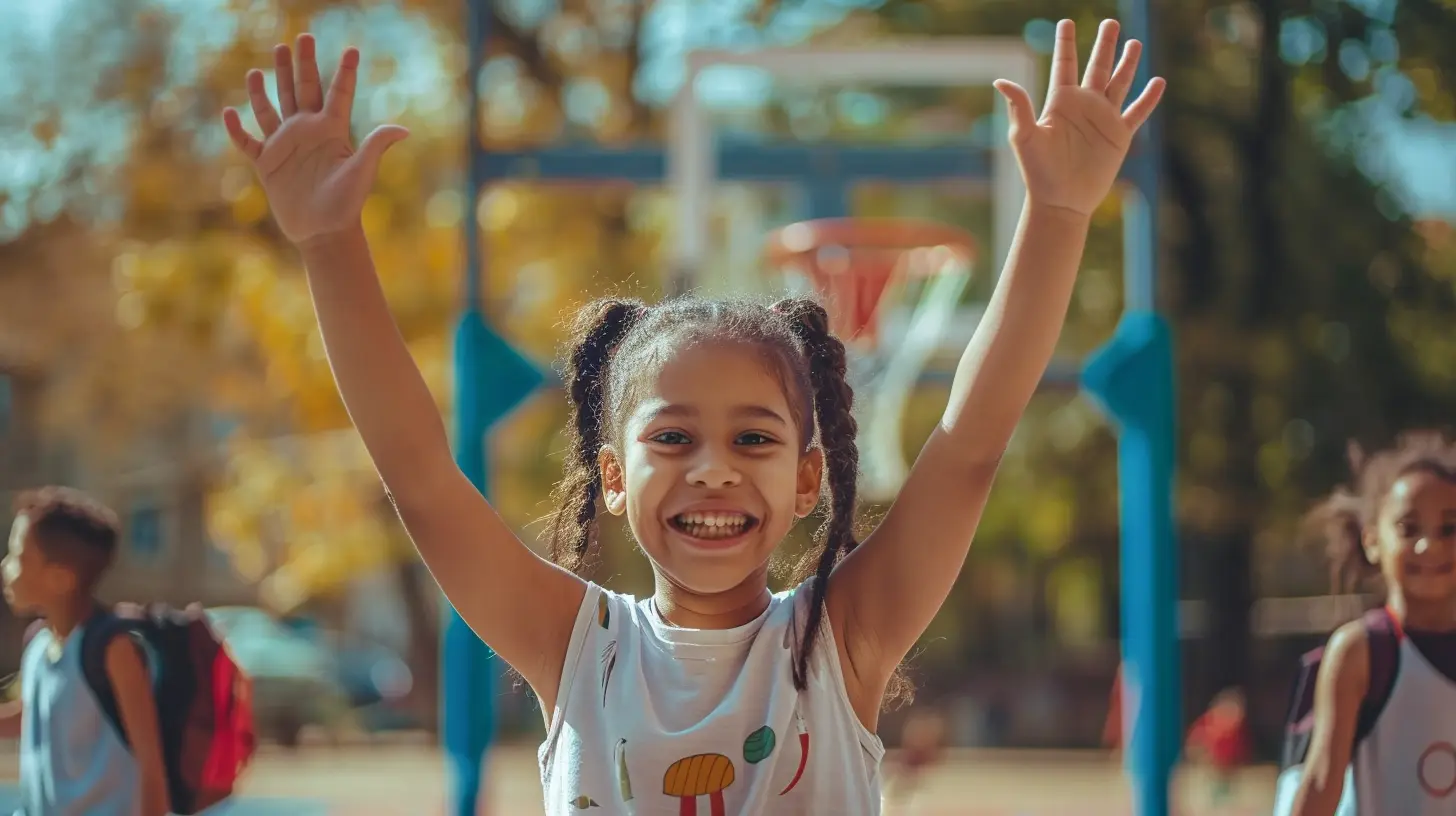
Boosting Confidence and Independence
Whether it’s trying out a new dance move or showing off a crayon masterpiece, extracurriculars give kids the stage to shine (sometimes literally). These wins—big or small—add up and help build self-esteem.Kids start to think:
- “I can do this!”
- “I’m good at something!”
- “It’s okay to try and fail!”
That confidence spills over into everything else. A child who feels proud of building a Lego spaceship is more likely to raise their hand in class or try something new without fear of making mistakes.
Just like a muscle, confidence grows stronger the more kids use it.
Enhancing Cognitive and Academic Skills
Let’s get nerdy for a sec—because extracurriculars do more than spark joy. They engage different parts of the brain and contribute directly to cognitive development.Take music lessons, for example:
- They improve memory, attention span, and pattern recognition
- Kids who learn music often perform better in math
Or consider arts and crafts:
- They encourage problem-solving, creativity, fine motor skills
Even simple play-based STEM activities (like building with blocks or playing with magnets) help kids understand basic math and science concepts early on.
So no, it’s not just busy work—it’s brain food.
Encouraging Healthy Habits Early On
Let’s talk about movement. Physical extracurriculars like dance, gymnastics, or soccer help kids stay active. And when kids enjoy being active at a young age, they're more likely to stick with it as they grow up.Regular movement:
- Builds coordination and strength
- Reduces the risk of obesity
- Helps improve focus and sleep
Plus, physical activity is a great outlet for all that boundless toddler energy. (If you’ve ever met a 5-year-old, you know what we mean.)
Sparking Curiosity and a Lifelong Love for Learning
Extracurriculars give kids a taste of different subjects outside of the classroom. One week they’re learning how plants grow in a science playgroup, the next they’re pretending to run a bakery in a pretend play session.Getting exposed to a wide range of topics allows kids to:
- Discover what they’re passionate about
- Develop hobbies and interests early
- Stay curious and open-minded
When kids associate learning with fun and excitement, they become lifelong learners. And isn’t that the dream?
Creating a Sense of Routine and Responsibility
For young kids, structure matters. Having a weekly activity—like piano class every Tuesday or swim lessons every Saturday—creates predictability. And predictability helps kids feel safe and secure.But beyond that, it teaches responsibility:
- Showing up on time
- Remembering tools (ballet shoes, drumsticks, etc.)
- Committing to a team or group
Sure, they’re still learning. You might have to remind them 18 times to grab their art folder, but hey, it’s a start.
Supporting Emotional Development
Kids experience big emotions in small bodies. They may not always know how to express or manage those feelings. That’s where extracurriculars can step in.Creative activities like music, art, or drama give kids an emotional outlet. They learn to express joy, sadness, frustration, or excitement in healthy ways—whether it's through dancing it out or painting a stormy sky.
Plus, activities help build resilience. When kids face challenges—like losing a game or messing up a performance—they build coping skills and bounce back stronger.
Strengthening Parent-Child Bonds
Here’s a bonus you might not expect—extracurriculars often bring parents and kids closer. Whether you’re watching their first recital, helping with a messy science project, or driving them to karate practice, you’re creating memories.These shared experiences spark conversations and give you a window into their emerging personalities and interests.
Tips for Choosing the Right Activities
Let’s be real—your child can’t (and shouldn’t!) do everything. The goal isn’t to fill every afternoon with structured activities until they’re exhausted. It’s about finding the right fit based on your child’s age, interests, and temperament.Here are a few tips:
- Follow their lead: If your child keeps banging pots and pans, a music class might be worth a try.
- Try before you commit: Many programs offer trial classes—use them!
- Balance is key: One or two activities a week is plenty for young kids.
- Watch for signs of stress: If your child seems overwhelmed or cranky, it might be time to scale back.
Remember, it’s about joy and growth, not pressure and perfection.
Final Thoughts
Extracurriculars aren’t just cute photos for the family album—they’re an essential part of childhood development. From boosting brain power to building confidence, they offer priceless benefits that stick around long after the paint dries or the applause fades.So go ahead—sign up for that music class, join the weekend playgroup, or just play soccer in the backyard. Every little bit counts when it comes to sparking growth and shaping happy, healthy kids.
all images in this post were generated using AI tools
Category:
Extracurricular ActivitiesAuthor:

Eva Barker
Discussion
rate this article
1 comments
Rhiannon McDaniel
Extracurricular activities can truly shape a child's development. They help foster creativity, build friendships, and enhance problem-solving skills. It's heartening to see parents and educators recognize the vital role these experiences play in nurturing well-rounded, confident children ready to explore the world.
July 2, 2026 at 12:28 PM