The Impact of Creative Role Models on Student Development
5 February 2026
Have you ever had a teacher or mentor who blew your mind—not because they had all the answers, but because they thought outside the box? Someone who made you want to do more, be more, and create something totally your own? That’s the power of a creative role model. Now, imagine what would happen if every student had someone like that in their life. Game-changer, right?
In this article, we’ll dive into how creative role models shape students—not just academically, but socially, emotionally, and even spiritually. We’ll talk about why they matter, what makes them effective, and how their influence lingers way beyond the classroom walls. And yep, we’ll link it all back to student development in the most real and relatable way.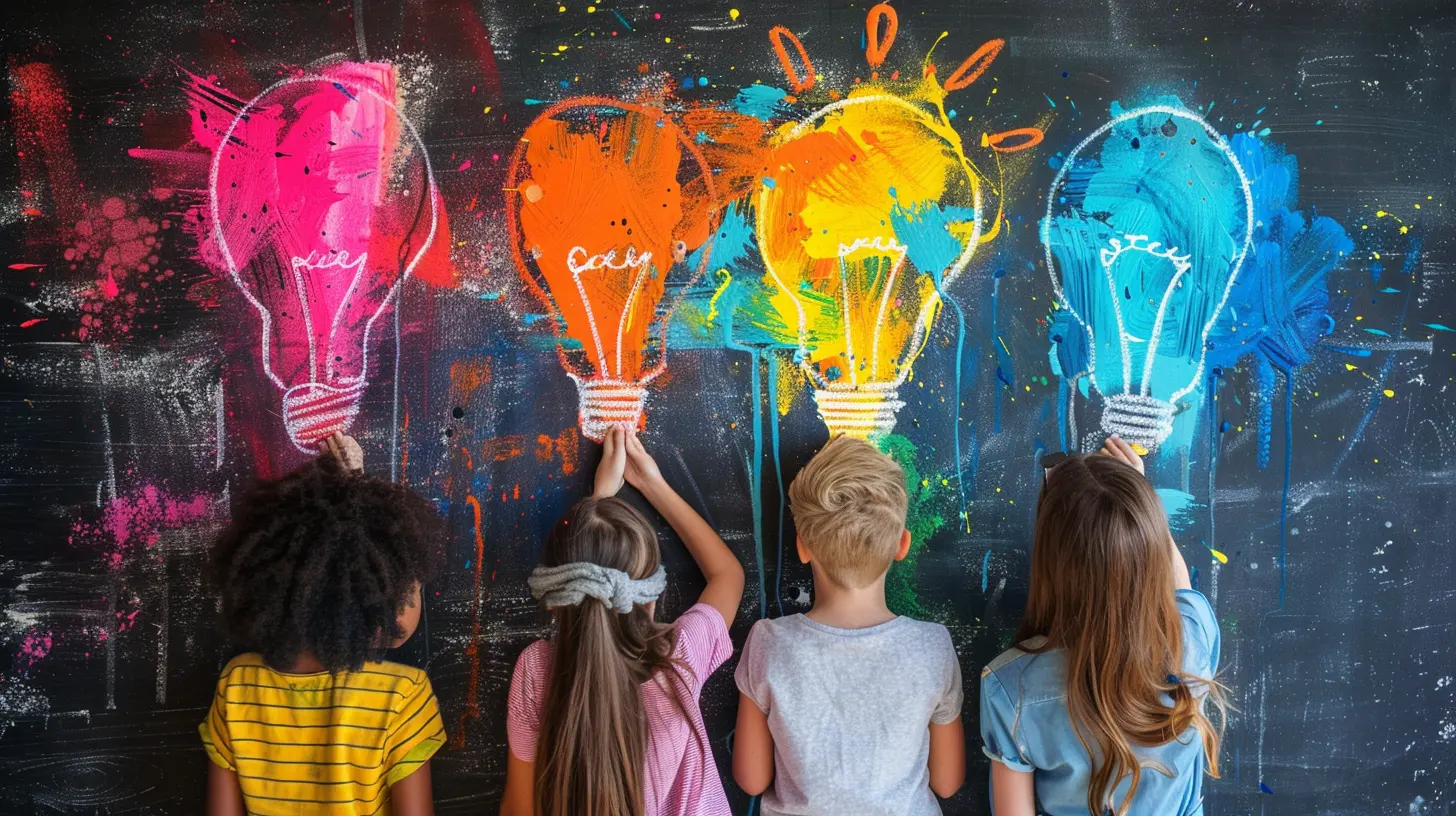
What Is a Creative Role Model Anyway?
Let’s clear the air. A creative role model isn’t just a famous artist or a quirky drama teacher in a beret (though they can be, too!). A creative role model is someone who:- Approaches problems in unique ways
- Encourages self-expression
- Inspires innovation and curiosity
- Challenges norms and dares to be different
They could be teachers, parents, mentors, or even older students. What sets them apart is their ability to ignite the creative spark in others by modeling it themselves.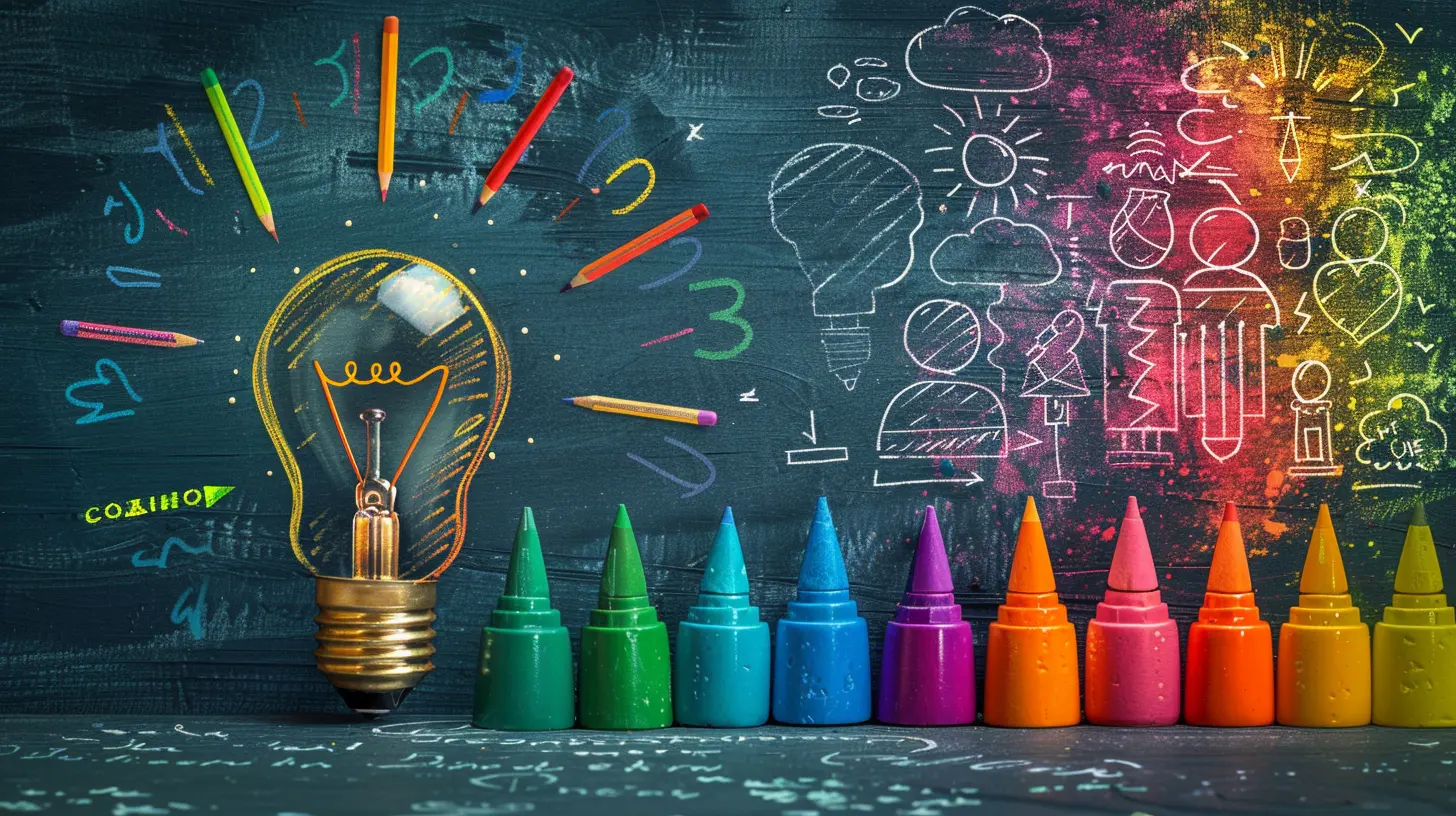
Why Creativity Matters in Student Development
You might be thinking, “Okay, but isn’t school about math, science, and getting good grades?” Sure, those things matter. But creativity plays a massive role in developing other crucial skills, like:- Problem-solving: Creative thinkers can find multiple solutions to the same problem.
- Critical thinking: They ask “why,” “what if,” and “how else.”
- Resilience: Creativity doesn’t always come easy—it teaches students to try, fail, and try again.
And let’s be honest—these are the very skills students need to thrive in the real world, not just pass the next exam.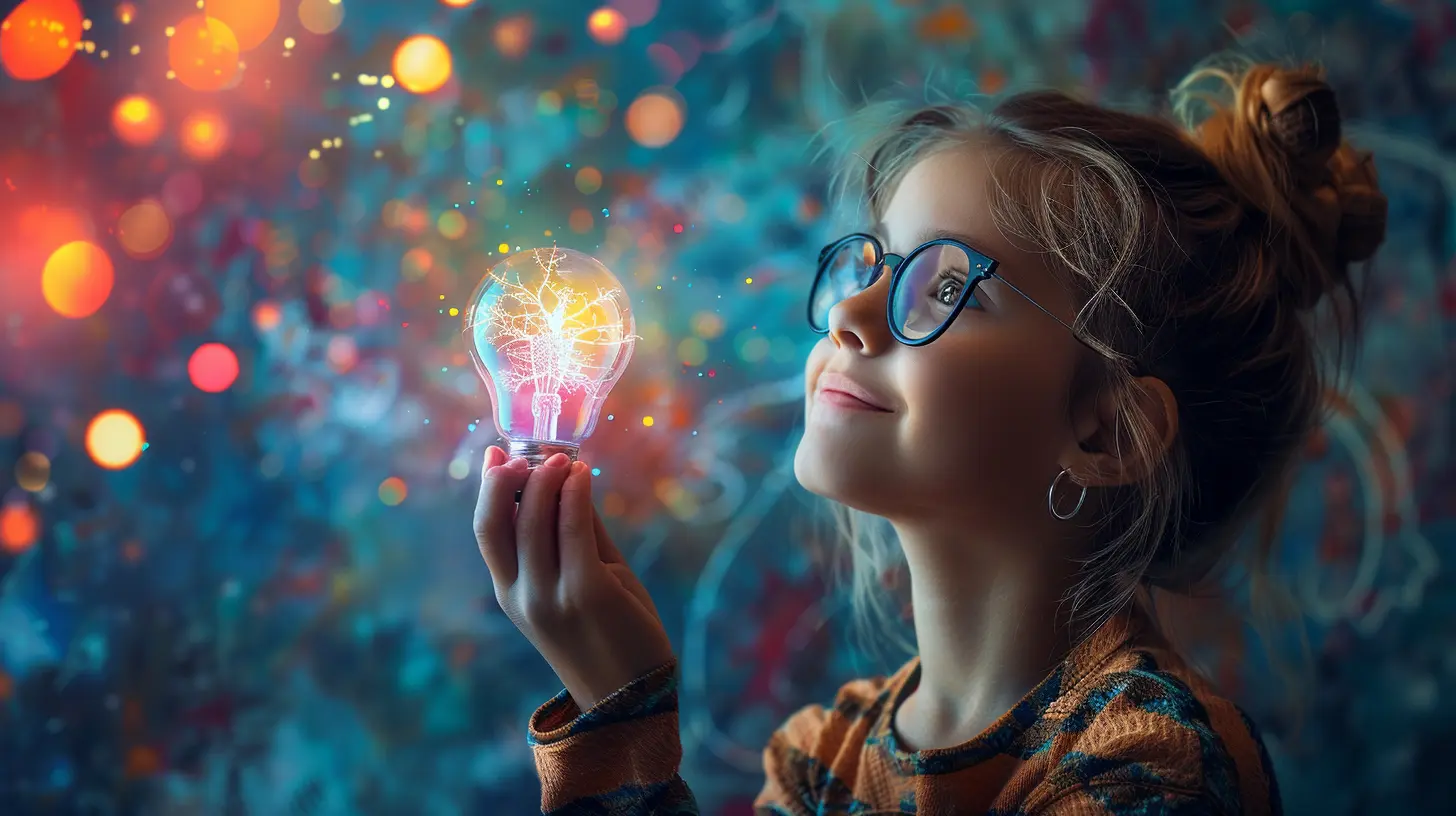
The Psychological Magic Behind Role Models
Let’s dig into a bit of psychology—don’t worry, we’ll keep it chill.Students learn in two main ways: through direct experience and through observation. This is where Bandura’s Social Learning Theory comes into play. Basically, it says we pick up behaviors, attitudes, and emotional reactions by observing others. So when students see someone creatively solving a problem, expressing themselves through art, or innovating in science, they’re more likely to mimic those behaviors.
And here’s the kicker: it’s not just about mimicking what they do—it’s about absorbing their mindset. A creative role model doesn’t just teach. They show students that it’s okay to fail, to color outside the lines, and to chase ideas nobody else understands yet.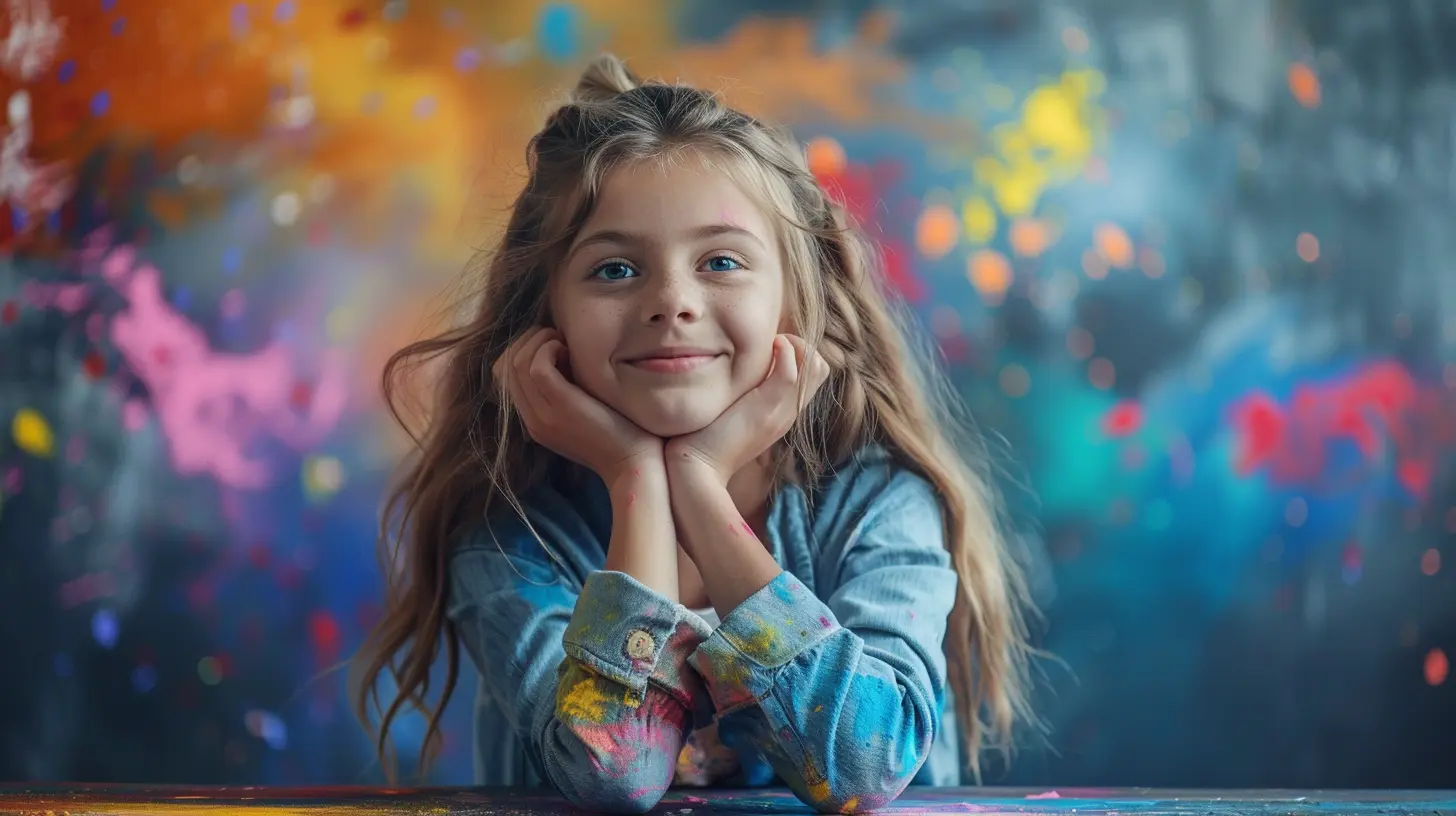
Boosting Student Confidence Through Creative Role Models
Ever notice how students light up when they feel understood—or better yet, when someone believes in their wacky ideas?A great creative role model encourages students to flex their imagination without fear of judgment. This builds something powerful: self-confidence. And when students feel good about expressing themselves, they take more risks. They participate more. They even start to lead projects and inspire others.
In short, creativity + role model = confidence explosion.
Encouraging Identity and Self-Expression
Middle school and high school are messy times. Students are figuring out who they are, what they believe in, and how they want to show up in the world. It’s no small task.Creative role models help students explore their identity through art, music, design, writing, tech—you name it. They create a safe space where self-expression isn’t just allowed, it’s celebrated.
Think about it: how many teenagers get lost in the crowd because they’re afraid to “be different”? Now imagine if they had a mentor saying, “Hey, your voice matters. Your style is dope. Keep being you.” That’s powerful stuff.
Cultivating a Growth Mindset
We’ve all heard it: “I’m just not good at art.” Or coding. Or writing. Sound familiar?Creative role models push back on this fixed mindset. They show students that skills can be developed and that creativity isn’t just for the “gifted” few. They model how struggle and persistence are part of the process.
So instead of “I can’t,” students start saying, “I’ll figure it out.” That shift—from fixed to growth mindset—has a ripple effect on everything from academics to life goals.
Creativity in STEM? Yep, It’s a Thing
Let’s bust a myth while we’re at it: creativity isn’t just for the arts. Some of the most mind-blowing innovations in STEM come from thinking outside the box.Creative role models in science, tech, engineering, and math inspire students to connect dots in unexpected ways. Whether it’s coding an app that solves a personal problem or designing eco-friendly engineering solutions, creativity is alive and well in STEM—mostly because someone modeled how awesome it could be.
Real-World Examples of Creative Influence
Let’s talk real-life role models. Ever heard of:- Maya Angelou: Her words and activism didn’t just inspire writers—they empowered generations to speak their truth.
- Steve Jobs: He wasn’t just a techie. He taught us innovation is an art form.
- Mister Rogers: He used simple storytelling and music to help kids navigate big emotions.
These figures weren’t just successful—they were authentically creative, and their influence shaped society. Imagine what happens when students have access to role models like this in their daily lives.
The Role of Teachers as Creative Mentors
Educators, here’s where you shine.You have the unique power to be that creative spark for your students. Whether you integrate art into science lessons, encourage open-ended projects, or simply listen to a student’s wild idea without shutting it down—you’re shaping the way they think.
Teachers who model creativity in their teaching routines create classrooms that breathe possibility. And when students feel like anything’s possible? That’s when the magic happens.
Parents and Guardians: The Original Role Models
Let’s not forget the home front. Parents who show curiosity, try new things, and encourage experimentation (even if it’s messy) raise kids who feel safe being creative.It’s not about being a professional artist or musician. It’s about showing kids that thinking differently is valuable. That their imagination is worth celebrating.
Parents who ask, “What do you think?” instead of giving all the answers are already winning the creativity game.
How Schools Can Foster Creative Role Models
Now we’re talking system-level change.To really leverage the impact of creative role models, schools need to:
- Offer arts, music, drama, and design as core subjects—not extras
- Invite guest speakers from creative fields
- Provide mentorship programs that connect students with local artists, tech innovators, and entrepreneurs
- Celebrate student-led projects and exhibitions
It’s about creating a culture that values creativity—not just tolerates it.
Long-Term Effects on Student Success
Here’s the cherry on top: creativity doesn’t just make school more fun. It sets students up for success in the long run.Studies show that students who engage in creative activities develop:
- Higher emotional intelligence
- Better communication skills
- More empathy
- Leadership abilities
- Adaptability in a fast-changing world
Whether they go into business, education, healthcare, or the arts, students with creative role models are more prepared to navigate the twists and turns of modern life.
What This Means For All of Us
So, what’s the takeaway here? It’s pretty simple:Creative role models play a massive part in shaping how students think, feel, and grow. They’re not just teaching skills. They’re planting seeds—confidence, curiosity, courage—that bloom over a lifetime.
We need more of them. We need to support them. And if you’re someone who guides students in any capacity, remember this:
You could be that person who changes the game for a kid just by being yourself—imaginative, bold, and a little bit brave.
Final Thoughts: Be the Spark
The world is changing faster than ever, and the jobs of tomorrow haven’t even been invented yet. But one thing’s certain: creativity will always be in demand. Whether it’s solving global problems or building the next big thing, creative thinkers will lead the way.So let’s give students the role models they deserve—not just smart, but imaginative. Not just knowledgeable, but curious. Not just mentors, but magic-makers.
Because the right creative role model doesn’t just show students the way—they light it up.
all images in this post were generated using AI tools
Category:
Creativity In EducationAuthor:

Eva Barker
Discussion
rate this article
2 comments
Lindsey Jackson
Creative role models inspire students, fostering innovation and confidence in their personal and academic journeys.
February 24, 2026 at 4:54 AM
Eva Barker
Thank you for your insightful comment! Indeed, creative role models play a crucial role in inspiring students and nurturing their confidence and innovation.
Kate McKinney
Explore the hidden influence of creative role models—those unseen forces sculpting minds and dreams, igniting passions in the shadows of classrooms. What secrets lie in their inspiring footprints?
February 5, 2026 at 4:51 AM
Eva Barker
Creative role models subtly shape student aspirations, fostering innovation and resilience. Their unseen guidance inspires confidence and passion, leaving an indelible mark on future generations.