Music and Movement: Why Both Matter in Early Learning
6 November 2025
When we think about early childhood education, we often focus on literacy, math, and science. But have you ever considered how music and movement can shape a child’s development?
From the moment babies are born, they respond to music. They move to rhythms before they can walk or talk. And as they grow, music and movement continue to play an essential role in developing their physical, cognitive, and social skills.
But why is this combination so powerful? Let’s dive into how music and movement fuel early learning and why every child should have access to these creative outlets. 
The Link Between Music, Movement, and Brain Development
Ever noticed how toddlers bop their heads or sway when they hear a catchy tune? That’s because music and movement are hardwired into us from birth. But there’s more to it than just fun—science backs it up!Research shows that engaging in musical activities builds neural connections in a child's brain, especially in areas related to language, memory, and emotional regulation. Moving while engaging with music strengthens motor skills and coordination.
Music and movement activate multiple senses at once, allowing children to absorb information more effectively. It’s like giving their brains a full workout without them even realizing it! 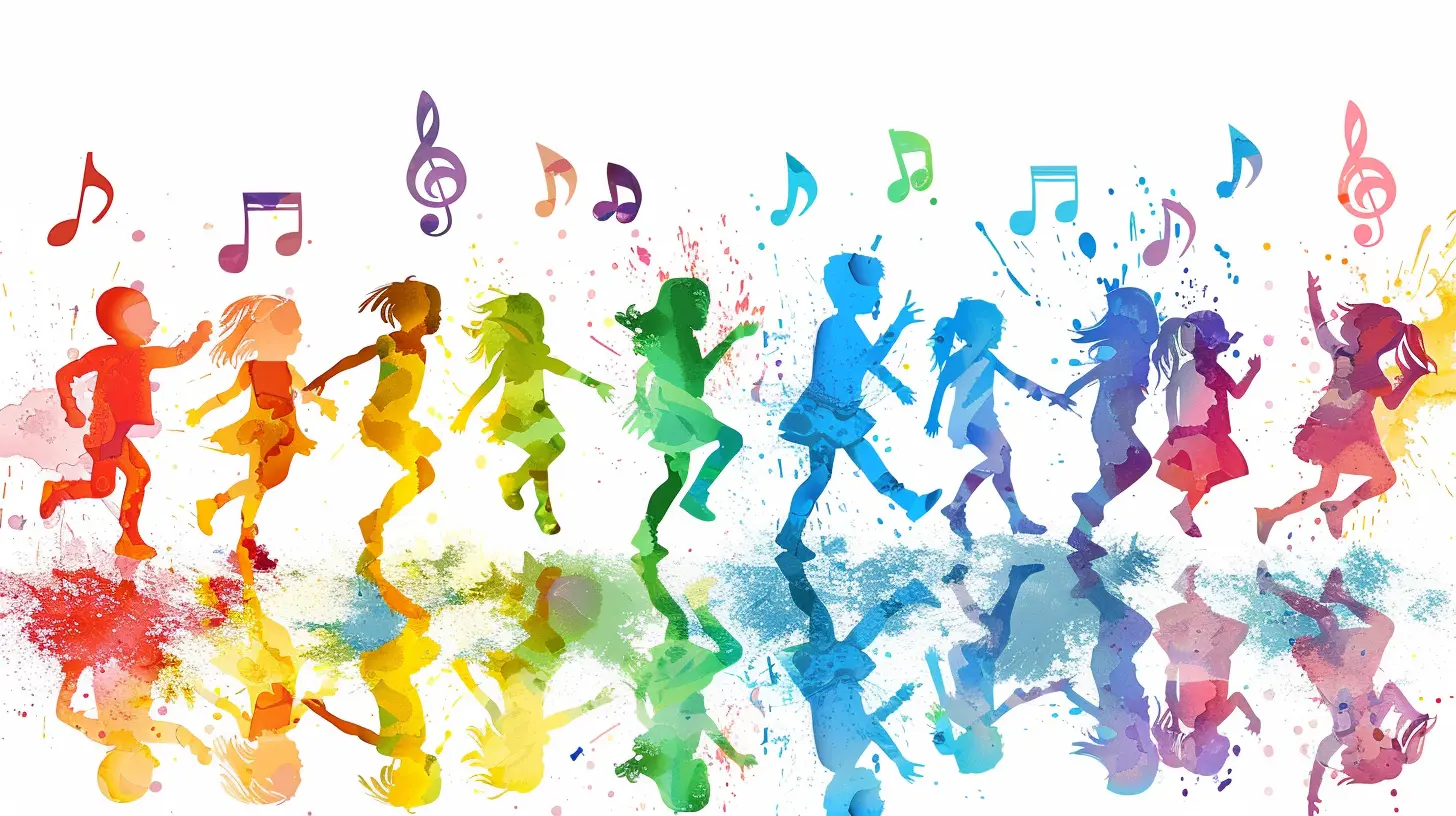
How Music Enhances Early Learning
1. Boosts Language and Communication Skills
Music introduces children to patterns, rhythms, and melodies, which help with speech development. Singing nursery rhymes and songs teaches kids new words and improves pronunciation.Think about it—how did you learn the alphabet? Most likely, through the ABC song! Music makes learning language both fun and memorable.
2. Improves Memory Retention
Ever found yourself remembering a song from years ago word for word? That’s the power of music! Children who engage with music tend to have better memory retention because melodies create strong mental associations.Whether it’s remembering numbers through a counting song or recalling information through a catchy jingle, music cements knowledge in young minds.
3. Encourages Emotional Expression
Children may not always have the words to express how they feel, but music gives them an outlet. A happy tune can lift their mood, while a slower melody can help them relax.Music also teaches kids about different emotions—helping them recognize feelings like happiness, sadness, excitement, and calmness in themselves and others.
4. Enhances Social Skills
Ever watched a group of kids singing together? They naturally start taking turns, following cues, and even helping each other out. Group musical activities teach teamwork, patience, and the importance of listening.Singing in a group or participating in a dance routine fosters a sense of belonging and helps kids develop positive relationships with peers. 
The Role of Movement in Learning
1. Develops Motor Skills and Coordination
When children dance, jump, or clap along to music, they’re strengthening their gross and fine motor skills. Actions like hopping, skipping, and balancing improve coordination, balance, and flexibility.These motor skills are critical for tasks like writing, tying shoelaces, and even holding a pencil correctly. Movement activities lay the foundation for smooth physical development.
2. Boosts Focus and Attention
Children are naturally energetic, and expecting them to sit still for long periods can be unrealistic. Movement-based learning gives them a chance to channel their energy productively.By incorporating actions, such as clapping while counting or stomping to syllables, kids stay engaged and absorb information more effectively.
3. Reinforces Concept Learning
Movement isn’t just about exercise—it strengthens learning across subjects. For instance, acting out a story through movement helps with comprehension, while physically forming letters with their bodies aids letter recognition.When kids physically engage with a lesson, they internalize concepts better. It transforms abstract ideas into tangible experiences.
4. Improves Listening and Following Directions
Think about games like "Simon Says" or "Freeze Dance." These activities require kids to listen carefully and follow instructions. Over time, they become better at focusing, processing auditory cues, and responding appropriately.This skillset not only prepares them for school success but also helps in everyday interactions. 
Ways to Integrate Music and Movement in Early Learning
You don’t need fancy equipment or structured lessons to bring the magic of music and movement into a child’s life. Here are some easy and fun ways to incorporate them into daily routines:1. Sing Daily Songs
Make singing a part of your child’s day—whether it’s a morning welcome song, a cleanup tune, or a bedtime lullaby. Songs create structure and make transitions smoother.2. Add Dance Breaks
Turn on some lively music and encourage kids to dance freely. Not only does this burn energy, but it also enhances coordination and creativity.3. Use Instruments or Household Items
Let kids experiment with simple instruments like tambourines, maracas, or even homemade shakers. Engaging with musical instruments strengthens hand-eye coordination and rhythm.4. Play Movement-Based Games
Games like "Musical Chairs," "Freeze Dance," or "The Hokey Pokey" encourage children to move their bodies while improving listening skills.5. Incorporate Movement into Learning
Use actions while singing songs (e.g., making hand motions for "Twinkle, Twinkle, Little Star"). This helps children associate movement with meaning, reinforcing their learning.6. Do Story-Based Movement Activities
Acting out stories with movement enhances comprehension and creativity. For example, kids can hop like bunnies while reading a book about animals.7. Introduce Yoga or Stretching
Simple yoga poses or stretches set to calming music help with flexibility, body awareness, and relaxation—helpful for winding down before nap times.Music and Movement: A Lifelong Impact
The benefits of music and movement in early learning don’t just fade away after childhood. These activities lay the groundwork for lifelong skills like creativity, problem-solving, and emotional intelligence.Children who grow up with exposure to music and movement tend to have better concentration, memory, and social adaptability. They also develop a natural love for learning—something every parent and educator hopes to instill.
So next time you see a child twirling to a song or tapping their hands to a beat, remember—they’re not just playing, they’re learning in the most joyful way possible!
Conclusion
Music and movement aren’t just side activities—they’re powerful learning tools that support cognitive, emotional, and physical development. By incorporating these elements into early education, we help children build essential skills that set them up for success.Whether it’s through singing, dancing, or engaging in movement-based games, every child deserves the opportunity to experience the magic of music and movement. So, turn on the music, get moving, and watch young minds flourish!
all images in this post were generated using AI tools
Category:
Music EducationAuthor:

Eva Barker
Discussion
rate this article
1 comments
Mistral Kane
Love this insight on music and movement in education!
November 11, 2025 at 11:35 AM
Eva Barker
Thank you! I'm glad you found the insights valuable!