The Impact of Climate Change on University Campuses by 2026
16 April 2026
Picture your university campus. Maybe it’s that iconic quad under a canopy of ancient oaks, the bustling plaza between lecture halls, or the serene path by the campus pond. Now, imagine that familiar landscape not in a decade, but in just a couple of short years—by 2026. How is it changing? The answer, increasingly, is shaped by a single, powerful force: climate change.
This isn’t a distant, abstract threat for future generations to solve. It’s a present-day reality that is actively redesigning the very fabric of higher education. From the buildings we learn in to the air we breathe between classes, climate change is no longer a topic confined to environmental science syllabi. It’s knocking on the dorm room door, flooding the basement of the library, and turning the spring semester into a haze of pollen and heat. By 2026, the university campus as we’ve known it will have undergone a profound, tangible transformation. Let’s take a joyful, if earnest, walk through this future quad and see what’s taking root.
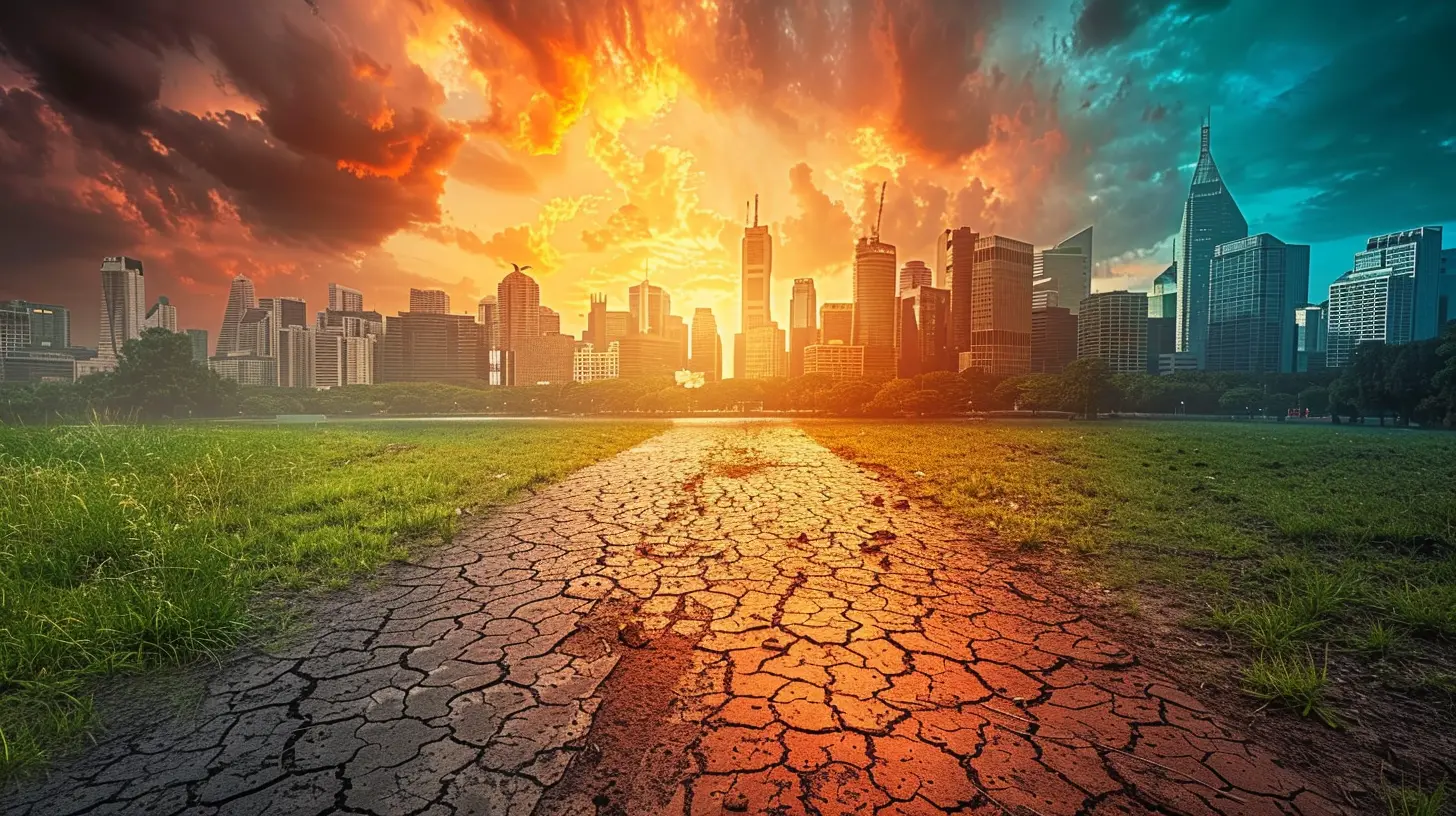
The Campus as a Living Laboratory: Beyond the Textbook
First off, let’s flip the script. What if the biggest impact of climate change isn’t just a problem, but the ultimate pedagogical opportunity? By 2026, forward-thinking campuses won’t just be teaching about sustainability; they will be the lesson. The entire university grounds are morphing into a dynamic, living laboratory.Think about it. Engineering students aren’t just modeling flood plains in software; they’re installing and monitoring the real sensor network that protects the arts building from stormwater overflow. Agriculture and biology majors are tending not just to isolated test plots, but to the resilient native canopy that cools the entire south campus. Sociology and public policy classes can gather data on social heat equity by studying the temperature difference between the shaded, green-rich faculty housing and the paved, tree-barren student parking lots.
This shift is monumental. It moves climate education from the theoretical to the tactile, from passive learning to active problem-solving. The campus itself becomes the most important professor, offering daily, real-world lectures in resilience, adaptation, and interdisciplinary innovation. The boundary between "class" and "campus" is blurring, and that’s a thrilling development for hands-on learning.
Greening the Concrete Jungle: Infrastructure Gets a Makeover
Now, let’s talk about the stage where this all plays out: campus infrastructure. By 2026, the gray, concrete-dominated campus will be a relic of the past. Universities are in a race to retrofit, and the changes are both visible and visceral.The Roof Over Your Head (Literally): Get ready for a skyline of green. Rooftop gardens and solar panel arrays are becoming as standard as lecture halls. These aren’t just for show. A green roof on the student center acts like a giant sponge during heavy rains, reduces the urban heat island effect (making the building cheaper to cool), and provides serene study nooks. Solar panels? They’re not just on remote fields anymore. They’re elegant canopies over parking lots, providing shade for cars and pumping clean energy directly into the grid, often making campuses net-zero energy hubs.
Water, Water Everywhere (And We’re Learning to Store It): Flash floods are a major climate risk. Campuses are responding with beautiful, functional ingenuity. You’ll see more bioswales—those gorgeous, landscaped ditches along pathways filled with water-loving plants. They’re not just decoration; they’re nature’s filtration system, slowing and cleaning stormwater. Rain gardens and permeable pavements will turn every downpour into a resource, recharging groundwater instead of overwhelming city sewers. The campus pond might just become a crucial water retention basin.
The Buildings That Breathe: New constructions, and retrofitted old ones, will be hyper-efficient. Think smart windows that tint automatically to manage heat, geothermal heating and cooling systems tapping into the earth’s stable temperature, and buildings made with materials that reflect sunlight. The iconic, drafty historic hall? It’s getting a stealthy, high-tech makeover to preserve its charm but slash its carbon footprint.

The Academic Calendar in a Warming World
Remember the simple rhythm of fall semester, winter break, spring semester, summer? Climate change is composing a new, more unpredictable tune, and universities are having to learn the steps.The "Heat Semester": Extreme heat waves are disrupting the traditional start of the fall semester. By 2026, it’s likely we’ll see more universities adopting flexible academic calendars or "heat recess" days, much like snow days. Orientation week might involve distributing cooling center maps alongside campus maps. Outdoor convocations? They might be scheduled for evenings only, or moved to air-conditioned spaces. The very timing of education is adapting to the new climate reality.
Air Quality & The "Indoor Semester": Wildfire smoke, like an uninvited guest, can drift thousands of miles. Semesters once marked by crisp autumn air might now be punctuated by "code red" air quality days. Campuses are responding by upgrading HVAC systems with advanced filtration, creating certified clean-air buildings, and developing protocols for remote learning during prolonged smoke events. The ability to pivot seamlessly between physical and digital classrooms is becoming a core component of institutional resilience.
The Changing Face of School Spirit: Homecoming parades, football games, and outdoor concerts are the heart of campus culture. Event planners are now part-time climatologists, with contingency plans for extreme weather baked into every permit. You might see more shaded stadiums, misting stations at outdoor events, and a new tradition of "resilience festivals" that celebrate sustainability efforts alongside athletic triumphs.
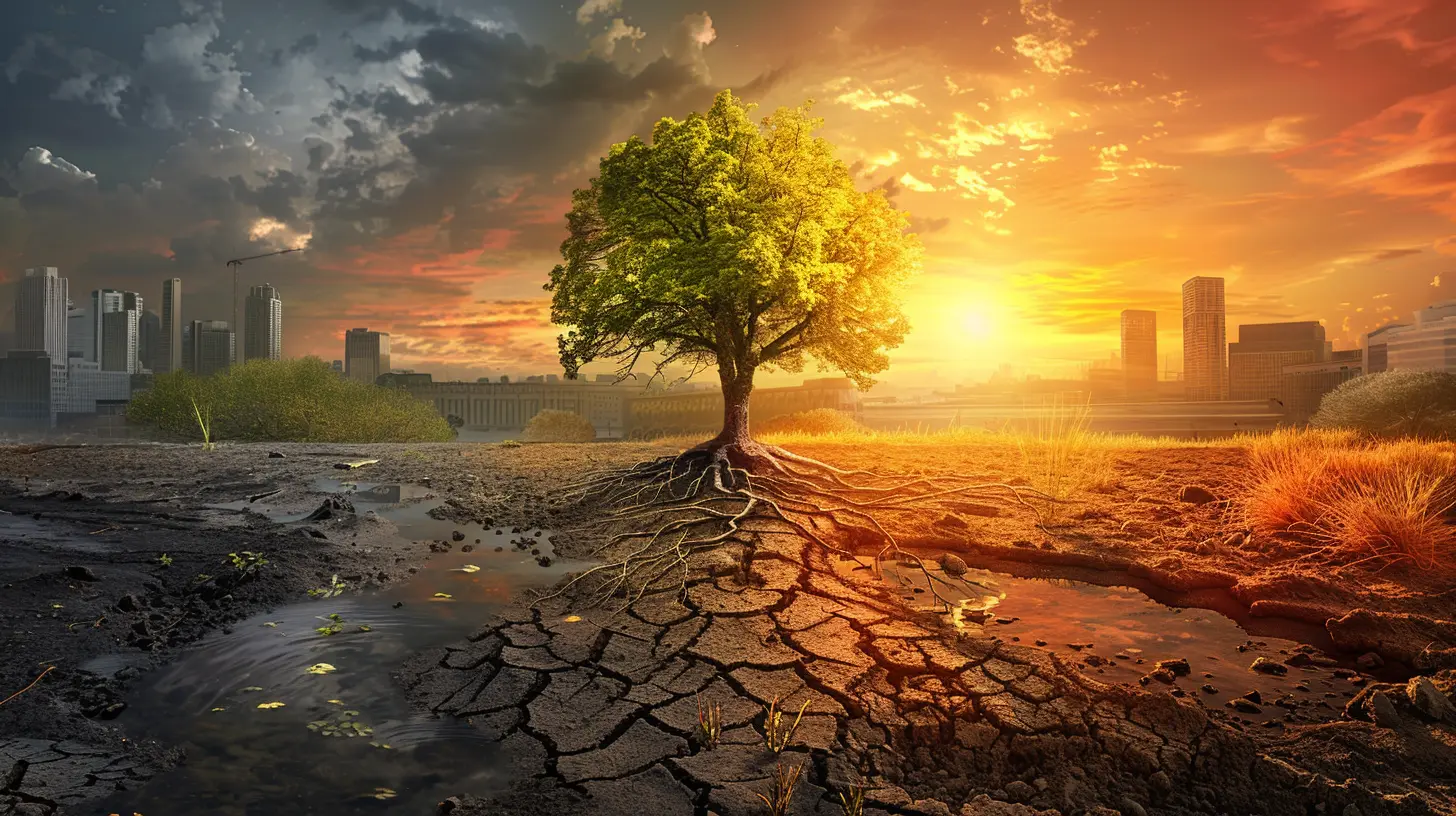
The Human Element: Student Life Reimagined
Alright, let’s get personal. What does this mean for you, the student, living through this? The impact is felt in the day-to-day, in ways both challenging and empowering.Housing & Health: Dorm life is changing. New residences are being built with passive cooling, cross-ventilation, and backup power for climate emergencies. Universities are investing in student health services equipped to handle an increase in climate-related issues: heat stress, asthma exacerbated by poor air quality, and even anxiety related to eco-distress. Mental health support is explicitly weaving in "climate anxiety" counseling, recognizing the emotional burden on this generation.
A New Kind of Activism: Student activism has found a powerful, tangible focus. It’s no longer just about demanding change; it’s about implementing it. Students are sitting on sustainability committees, managing green funds, and running campus farms that supply dining halls. The divestment movement has matured into an investment movement—pushing endowments to fund green infrastructure on campus. This is hands-on, real-world civic engagement with immediate, visible results.
The "Climate-Conscious" Graduate: Here’s the most exciting part. Every graduate, regardless of major, will be a climate-adapted citizen by 2026. A business major will understand sustainable supply chains. A literature student will analyze climate narratives. A computer scientist will consider the energy footprint of algorithms. This pervasive literacy is the ultimate impact—arming a generation not with doom, but with the tools, knowledge, and lived experience to build a more resilient world.
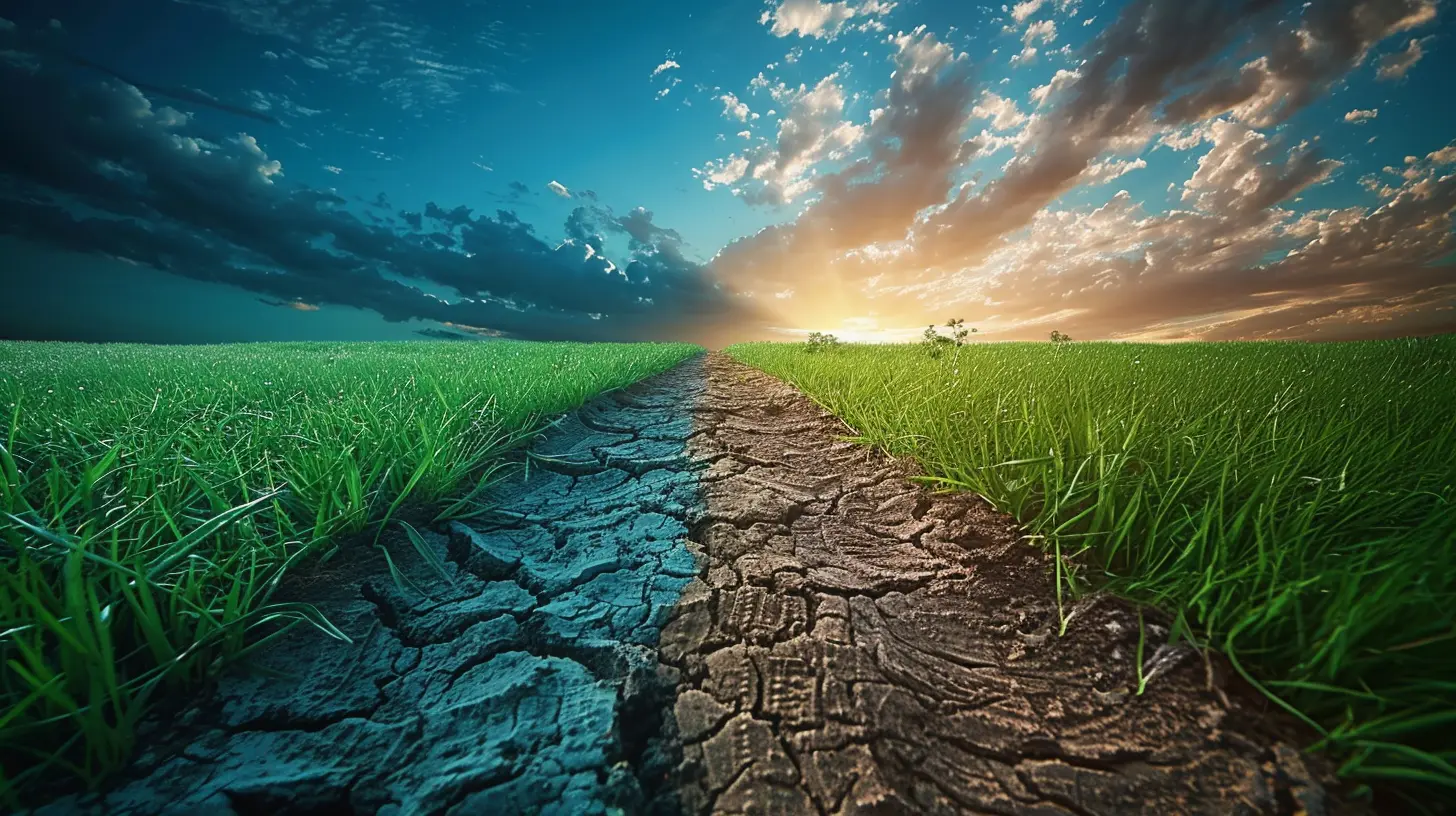
Conclusion: The Resilient Campus of 2026
So, by 2026, the university campus will be a different place. It will be greener, smarter, and more adaptable. It will face very real challenges—from budgetary pressures of retrofitting to the logistical headaches of weather disruptions. But in facing these challenges head-on, campuses are becoming something even more important: beacons of pragmatic hope.They are proving that adaptation can be innovative, that resilience can be woven into the community, and that education is the most powerful tool we have to meet this moment. The campus of 2026 isn’t a fortress hiding from the climate; it’s a thriving ecosystem learning to dance with it. The ancient quad might have new, drought-resistant trees, and the path to the library might be a permeable one that filters rainwater. But the core mission—the pursuit of knowledge, community, and a better future—will not only endure but be strengthened by this great, global lesson happening right outside the classroom window. The future of education is green, resilient, and already under construction. Class is in session.
all images in this post were generated using AI tools
Category:
Higher LearningAuthor:

Eva Barker
Discussion
rate this article
2 comments
Tenley McConnell
By 2026, our campus might be more like a tropical resort—think palm trees in the quad and students studying by the pool. Just remember to pack sunscreen with that textbook! Who knew 'going green' would include actually going green...and possibly swimming?" 🌴📚☀️
April 18, 2026 at 11:09 AM
Cora McAuley
In the heart of academia, whispers of change resound, As climate's embrace reshapes our sacred ground. By 2026, green dreams intertwine with strife, On campuses where knowledge fuels the fight for life. Let us nurture hope, sow seeds of care, For a sustainable future, together we dare.
April 16, 2026 at 3:23 AM
Eva Barker
Thank you for sharing such a poignant reflection. Your words capture the urgency of our mission to create sustainable campuses. Let's keep pushing for those green dreams.