Best Practices for Building a Strong School Music Program
5 December 2025
Music education plays a crucial role in a student’s academic and personal development. A well-structured school music program not only enriches students' lives but also enhances their creativity, teamwork, and discipline. However, building a strong music program requires careful planning, dedication, and the right strategies.
In this guide, we’ll dive into the best practices for developing a thriving school music program that benefits students, educators, and the entire school community.
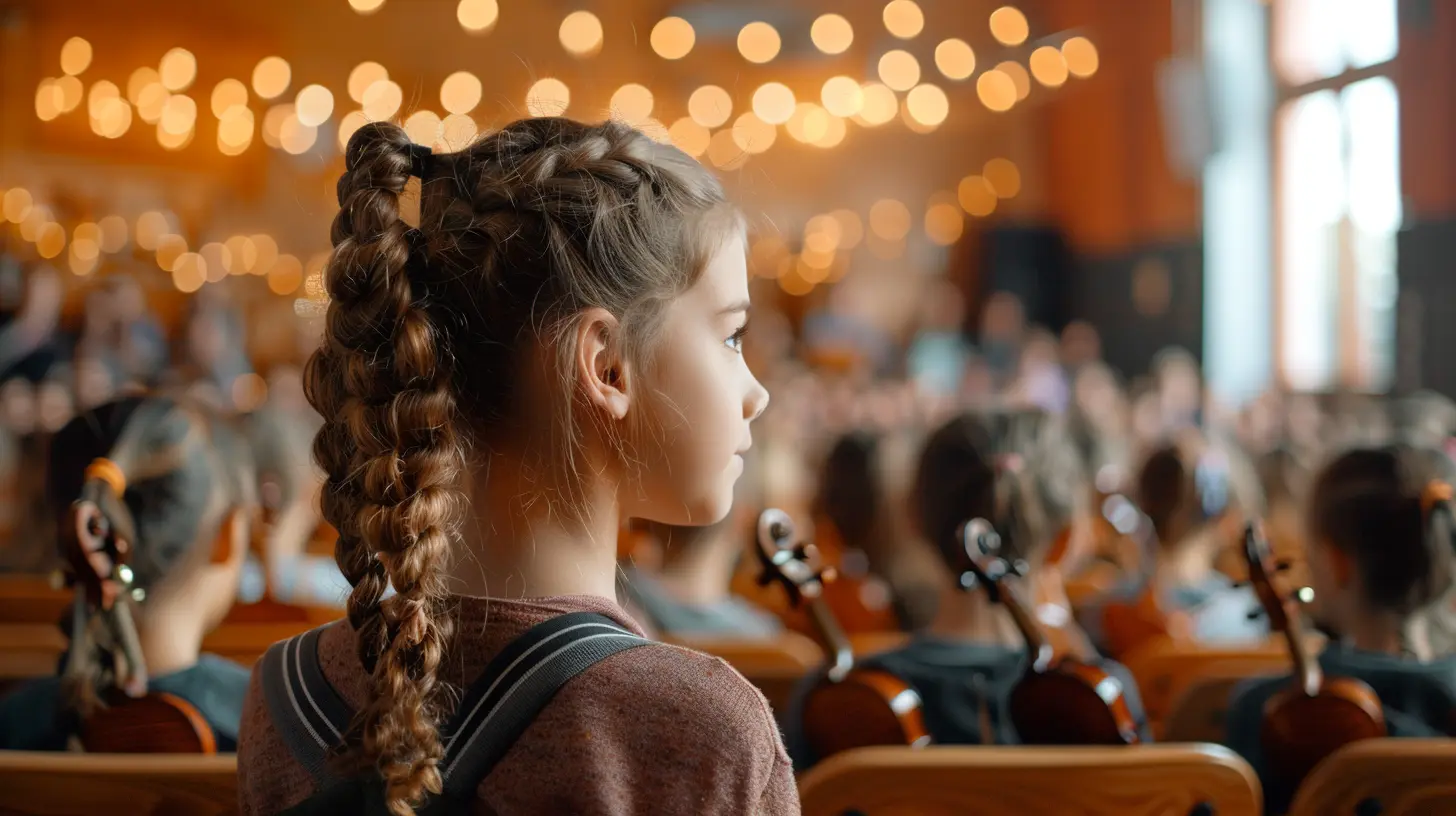
1. Establish a Clear Vision and Goals
Before starting or improving a music program, it’s essential to have a clear vision and set achievable goals. Ask yourself:- What do you want students to gain from the program?
- How does the music program align with the school's overall mission?
- What styles and genres of music should the program cover?
Having well-defined goals helps teachers, students, and administrators work towards a common objective.
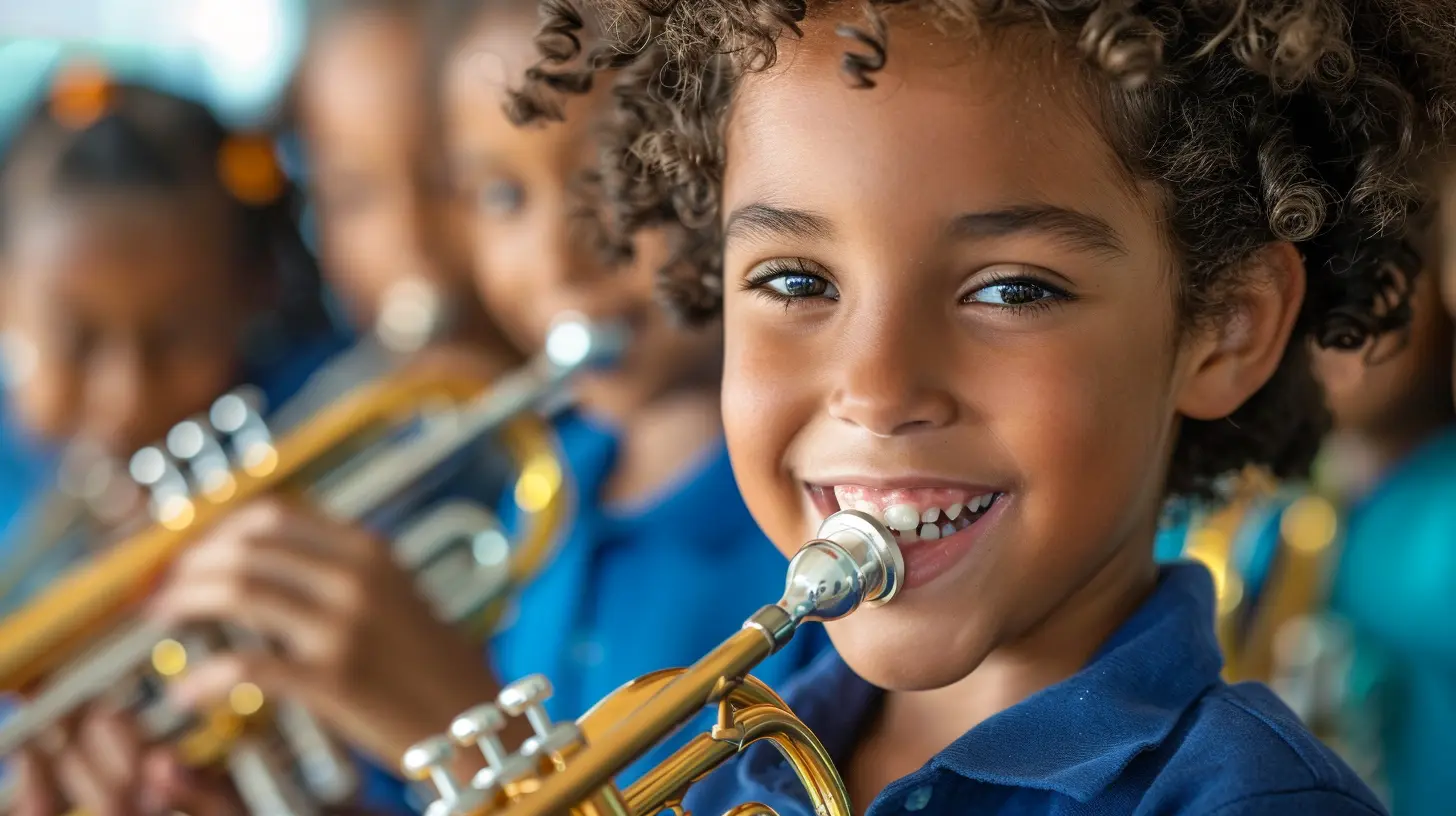
2. Gain Support from School Leadership and Community
A music program thrives when it has strong backing from school leaders, parents, and the community. Here's how to garner support:- Engage School Administrators – Show them the academic and social benefits of music education. Highlight research that links music to improved cognitive skills and test scores.
- Involve Parents – Parents are often the biggest advocates for music programs. Keep them informed about concerts, lessons, and fundraising opportunities.
- Connect with the Community – Partner with local music organizations, churches, and businesses to secure funding and resources.

3. Secure Funding and Resources
Running a successful school music program requires funds for instruments, sheet music, and trips. If the school’s budget is limited, here are some ways to get the necessary funding:- Apply for Grants – Many organizations offer music education grants. Research and apply for as many as possible.
- Host Fundraisers – Concerts, bake sales, and crowdfunding campaigns can provide much-needed financial support.
- Seek Donations – Ask local businesses, alumni, and music stores for donations of instruments or financial contributions.

4. Hire Passionate and Skilled Music Educators
A strong music program starts with great educators. Look for teachers who not only have musical expertise but also a passion for teaching. A good music teacher should:- Inspire and motivate students.
- Adapt their teaching methods to suit different learning styles.
- Be knowledgeable about a variety of musical genres and instruments.
- Continuously seek professional development to stay updated on new teaching techniques.
5. Offer Diverse Musical Opportunities
Students have different musical interests, so it’s crucial to offer a variety of opportunities. A well-rounded music program should include:- Band and Orchestra – Traditional ensembles that teach teamwork and discipline.
- Choir – Helps students develop vocal techniques while fostering unity.
- General Music Classes – Introduction to music theory, history, and appreciation.
- Modern Music Groups – Jazz bands, rock bands, or electronic music production classes can appeal to students with contemporary interests.
By catering to different musical preferences, you'll keep students engaged and excited about music.
6. Create a Safe and Inclusive Environment
Music should be accessible to all students, regardless of skill level or background. Establish an environment where students feel comfortable expressing themselves.- Encourage All Skill Levels – Welcome beginners and advanced musicians alike.
- Promote Diversity – Include musical traditions from different cultures in the curriculum.
- Foster Teamwork – Emphasize collaboration rather than competition to build a sense of community.
When students feel supported, they’re more likely to participate wholeheartedly.
7. Integrate Technology into Music Education
Technology has revolutionized music education. Integrating tech tools can enhance learning and make music more interactive. Consider using:- Music Composition Software – Programs like GarageBand, Finale, or Sibelius allow students to compose their own music.
- Online Learning Resources – Websites like SmartMusic and Musictheory.net offer valuable lessons and exercises.
- Recording and Editing Tools – Teaching students how to record and edit their performances improves their musical skills and technical knowledge.
Blending traditional teaching with modern technology can make music education more dynamic and engaging.
8. Encourage Performance and Public Engagement
Nothing boosts students' confidence like performing for an audience. Regular performances provide motivation, improve stage presence, and strengthen community ties.- School Concerts – Host annual or seasonal concerts showcasing student talent.
- Community Events – Encourage students to perform at local events, festivals, or nursing homes.
- Competitions and Workshops – Participation in regional and national competitions can inspire students to improve their skills.
The more opportunities students have to perform, the more they grow as musicians.
9. Develop Strong Feeder Programs
To ensure continuity in your school’s music program, work on building connections with elementary and middle schools. Strong feeder programs help students transition smoothly into higher-level ensembles.- Visit Lower-Grade Schools – Hold music demonstrations to inspire younger students.
- Offer Summer Music Camps – Provide early training opportunities before they enter middle or high school.
- Mentorship Programs – Pair older students with younger ones to foster learning and mentorship.
Building a pipeline of young musicians ensures the long-term sustainability of your school’s music program.
10. Continually Evaluate and Improve the Program
A great music program evolves over time. Regularly gather feedback from students, parents, and staff to assess what’s working and what needs improvement.- Conduct Surveys – Ask students about their experiences and suggestions for improvement.
- Assess Student Progress – Use regular assessments to track growth and adjust the curriculum accordingly.
- Stay Updated on Trends – Music education is always changing. Attend workshops, conferences, and connect with other educators to stay ahead.
By consistently refining the program, you ensure students receive the best possible music education.
Final Thoughts
Building a strong school music program takes time, effort, and dedication, but the rewards are well worth it. Music enriches students’ lives, builds confidence, and fosters creativity. By setting clear goals, securing resources, hiring passionate educators, and continuously improving, schools can create a vibrant music program that impacts students for years to come.Whether you’re just starting a music program or looking for ways to enhance an existing one, these best practices will set you on the path to success.
all images in this post were generated using AI tools
Category:
Music EducationAuthor:

Eva Barker
Discussion
rate this article
2 comments
Kendall Scott
Great article! Building a strong school music program requires a blend of passionate leadership, community support, and a diverse curriculum. Highlighting student engagement and fostering collaboration among teachers can truly enhance the musical experience. These best practices are essential for nurturing talent and inspiring a lifelong love for music in students.
December 15, 2025 at 10:00 PM
Eva Barker
Thank you for your insightful comment! I completely agree that passionate leadership, community support, and collaboration are key to enhancing student engagement and nurturing talent in school music programs.
Zevin McMillan
Engage students early and foster a collaborative environment.
December 7, 2025 at 5:57 AM
Eva Barker
Absolutely! Early engagement and collaboration are key to nurturing student enthusiasm and building a supportive community in music education.