The Benefits of Flipped Classrooms for Language Learners
4 June 2026
Learning a new language isn’t always a walk in the park. Traditional classroom settings often leave students overwhelmed, struggling to absorb grammar rules, pronunciation, and vocabulary all at once. But what if there was a better way? Enter the flipped classroom model—a teaching approach that’s revolutionizing how language learners tackle new languages.
Instead of the usual lecture-heavy classes followed by homework, the flipped classroom reverses the process. Students learn new material at home—usually through videos, articles, or interactive tools—and class time is dedicated to discussions, practice, and problem-solving. This approach has gained popularity in language learning for a reason!
So, why is flipping the classroom such a game-changer for language learners? Let's break it down.
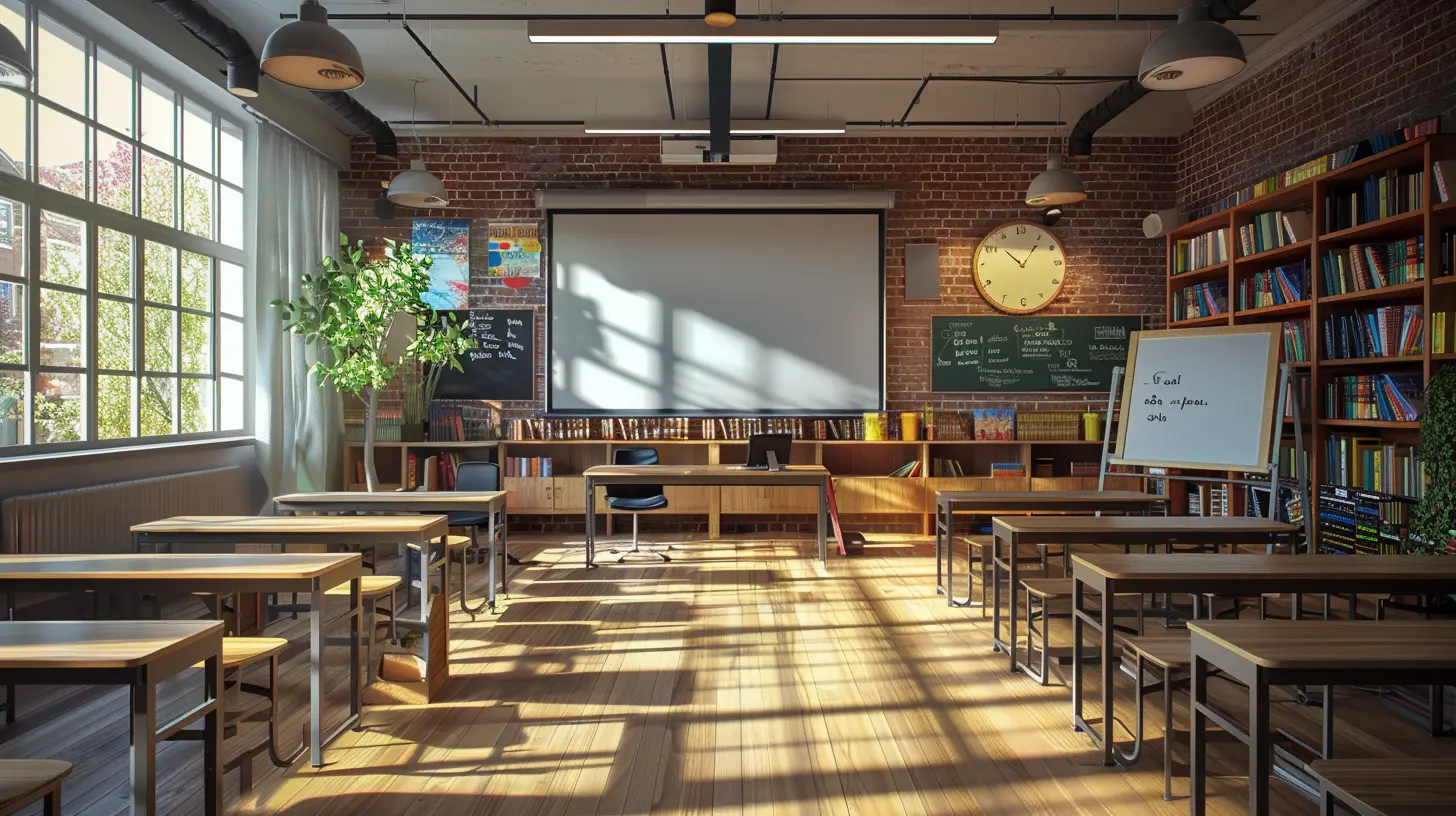
1. More Time for Real Conversations
One of the biggest struggles for language learners is speaking practice. In traditional classrooms, most of the time is spent on lectures, leaving little room for actual conversations.With a flipped classroom, students come to class already familiar with the material, allowing valuable face-to-face time to be used for:
- Practicing pronunciation
- Engaging in spontaneous discussions
- Participating in role-playing exercises
- Receiving instant feedback from teachers
This hands-on approach mimics real-life conversations, helping students gain confidence and fluency faster.
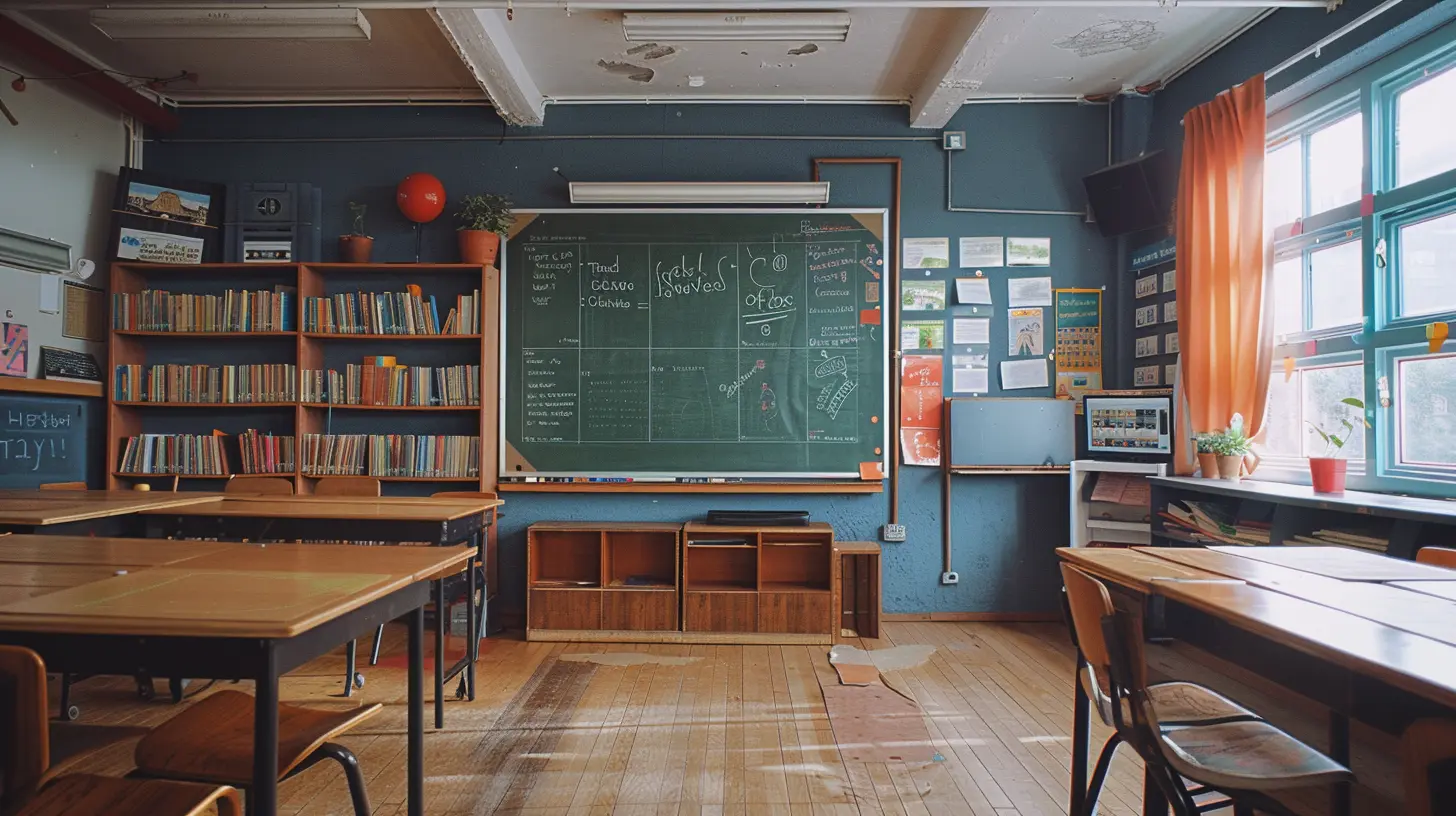
2. Learning at Your Own Pace
Ever felt lost in class because the lesson moved too fast? Or maybe bored because you already understood the concept? That’s a huge issue in traditional classrooms.With flipped learning, students control how they absorb new material. Since the core lessons are available as videos, podcasts, or other resources, learners can:
- Pause and rewind to review difficult concepts
- Skip ahead if they already grasp the content
- Revisit materials anytime for revision
This personalized learning helps students absorb information at their own speed, making it much more effective than cramming everything into a single class session.
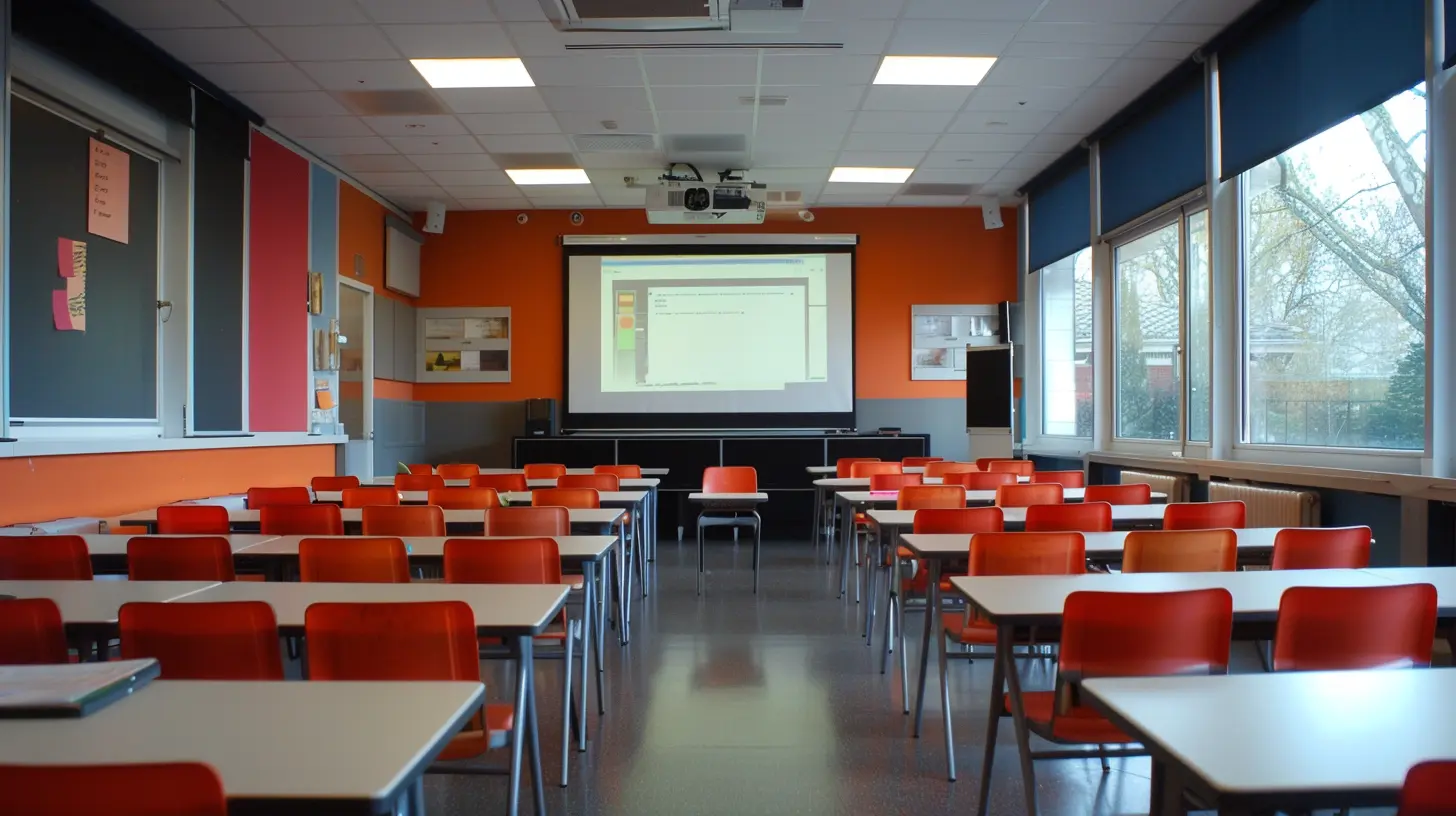
3. Improved Retention Through Active Learning
Studies show that students retain information better when they actively engage with it instead of just passively listening. In a flipped classroom:- The first exposure to material happens at home, through videos and readings.
- When students arrive in class, they reinforce their learning through activities like group work, debates, or Q&A sessions.
By using information instead of just memorizing it, students solidify their understanding, making it easier to recall later.
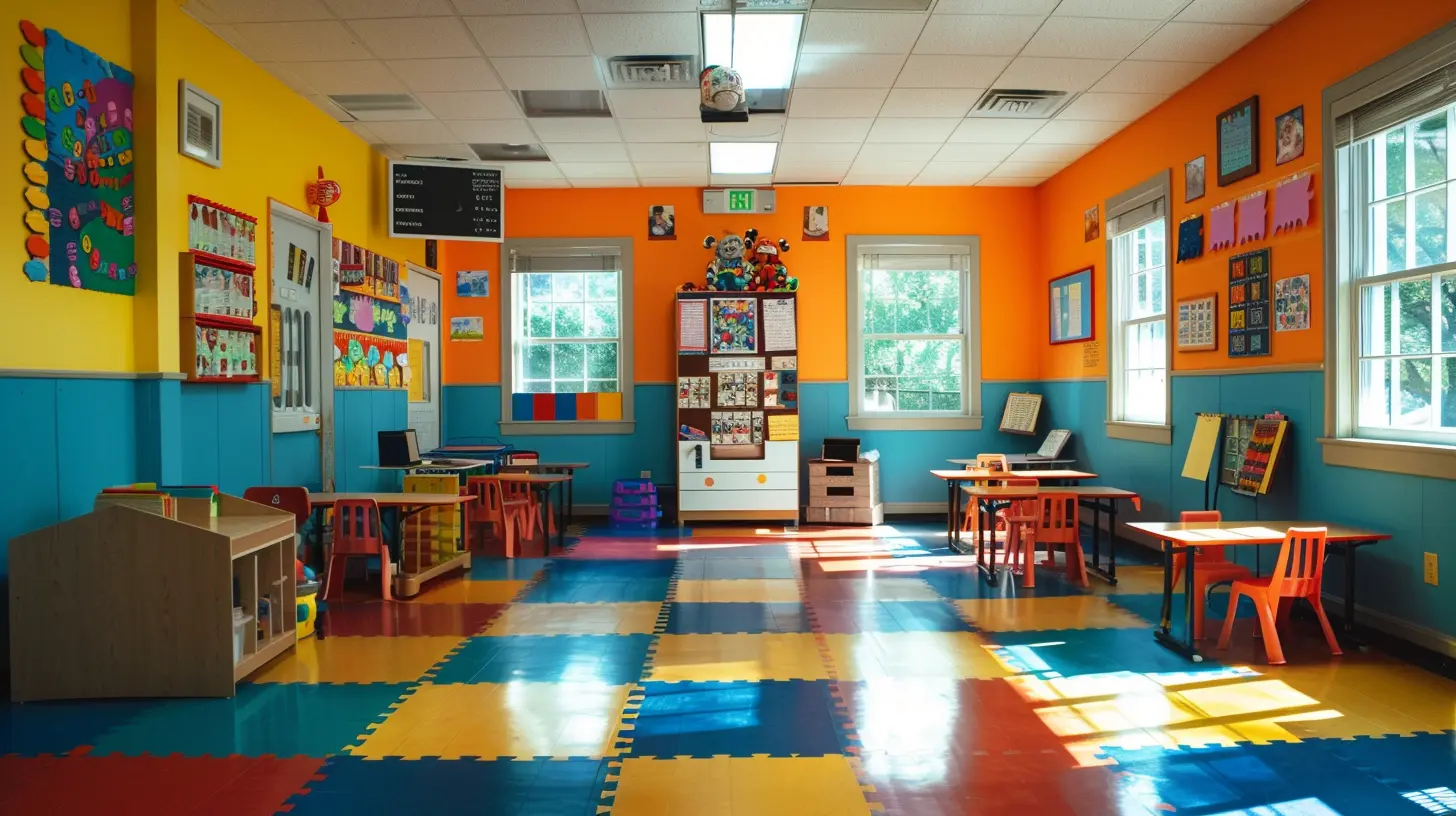
4. More Engaging and Interactive Lessons
Let’s be honest—traditional lectures can sometimes be, well, boring. The flipped classroom ensures that valuable class time is engaging and interactive. Teachers get the chance to:- Use fun activities like games, storytelling, and cultural immersion
- Encourage group collaboration and peer teaching
- Implement technology like language learning apps, virtual reality, or AI chatbots for conversation practice
This makes learning more dynamic and enjoyable, keeping students motivated to continue improving their skills.
5. Encourages Independent Learning and Responsibility
Flipped classrooms push students to take charge of their own learning. Since lessons are studied beforehand, students develop self-discipline and independent learning skills—essential traits for mastering a new language.Instead of relying on the teacher for every explanation, learners:
- Actively seek answers to their questions
- Experiment with different study techniques
- Take ownership of their language learning journey
This approach prepares students for real-world language use, where they won’t always have a teacher guiding them.
6. More Effective Use of Classroom Time
Traditional classes often waste time on explanations that students could easily learn on their own. In a flipped classroom, this precious time is used for actual language practice, like:- Pronunciation drills
- Grammar-focused speaking exercises
- Interactive storytelling
- Conversational activities
Since students aren’t sitting through lengthy explanations, every minute in class is productive and centered around practical language use.
7. Enhances Listening and Comprehension Skills
Since flipped classrooms rely on audio and video materials, students naturally improve their listening and comprehension skills. Instead of only hearing their teacher’s voice, they engage with a variety of:- Native speaker dialogues
- Podcasts and interviews
- Movies and TV clips
This exposure to different accents and speech patterns helps learners develop their ears for the language—a crucial skill in real-life conversations.
8. Customizable Learning Experience
Everyone learns differently, and flipped classrooms allow for personalized learning experiences. Students can choose:- The resources they prefer (videos, podcasts, articles, interactive apps)
- The pace at which they learn
- The methods that work best for them (note-taking, summarizing, practicing aloud)
This flexibility helps students stay engaged and motivated, making language learning more enjoyable and effective.
9. Makes Learning More Accessible
Flipped classrooms benefit learners from all walks of life. Whether you're a student, a professional, or someone learning a new language for fun, this approach makes it easier to fit language study into your schedule.All you need is access to the learning materials, which can be:
- Videos or podcasts you can listen to on the go
- E-books or notes you can read at any time
- Practice exercises you can complete when convenient
This flexibility is perfect for busy learners trying to juggle education with work, family, or other commitments.
10. Encourages Active Participation
In traditional classes, some students might hesitate to participate due to fear of making mistakes. Flipped classrooms remove that anxiety because learners have already reviewed the material before class.As a result, students feel more confident in contributing to discussions, asking questions, and practicing the language—leading to faster improvement and better retention.
Final Thoughts
Flipped classrooms are transforming the way we approach language learning. By shifting the focus from passive learning to active participation, students get to speak more, practice more, and retain more.This student-centered approach not only boosts fluency but also builds confidence, independence, and motivation—everything you need to master a new language!
If you're struggling with traditional methods, maybe it’s time to flip your learning experience and see how much faster you progress. Who knows? The next time you travel, you might find yourself effortlessly chatting with locals!
all images in this post were generated using AI tools
Category:
Flipped ClassroomAuthor:

Eva Barker
Discussion
rate this article
1 comments
Penelope Patterson
Flipped classrooms empower language learners by fostering ownership of their education, enabling personalized exploration of content, and enhancing collaboration in meaningful ways...
June 6, 2026 at 2:42 AM
Eva Barker
Absolutely, flipped classrooms really do shift the focus to students, allowing them to take charge of their learning and engage more deeply with the material. It's exciting to see how collaboration and exploration can enhance their language skills.