How to Create a Positive Learning Environment Using Psychology
14 July 2026
Education is not just about books and exams—it's about creating an atmosphere where students feel valued, motivated, and eager to learn. A positive learning environment can make all the difference in a student's academic success and personal growth. But how do we achieve that? The answer lies in psychology!
By understanding how the human mind works, educators, parents, and students themselves can foster supportive and effective learning environments. In this article, we'll dive deep into psychological principles and techniques that can transform classrooms and study spaces into thriving centers of knowledge. 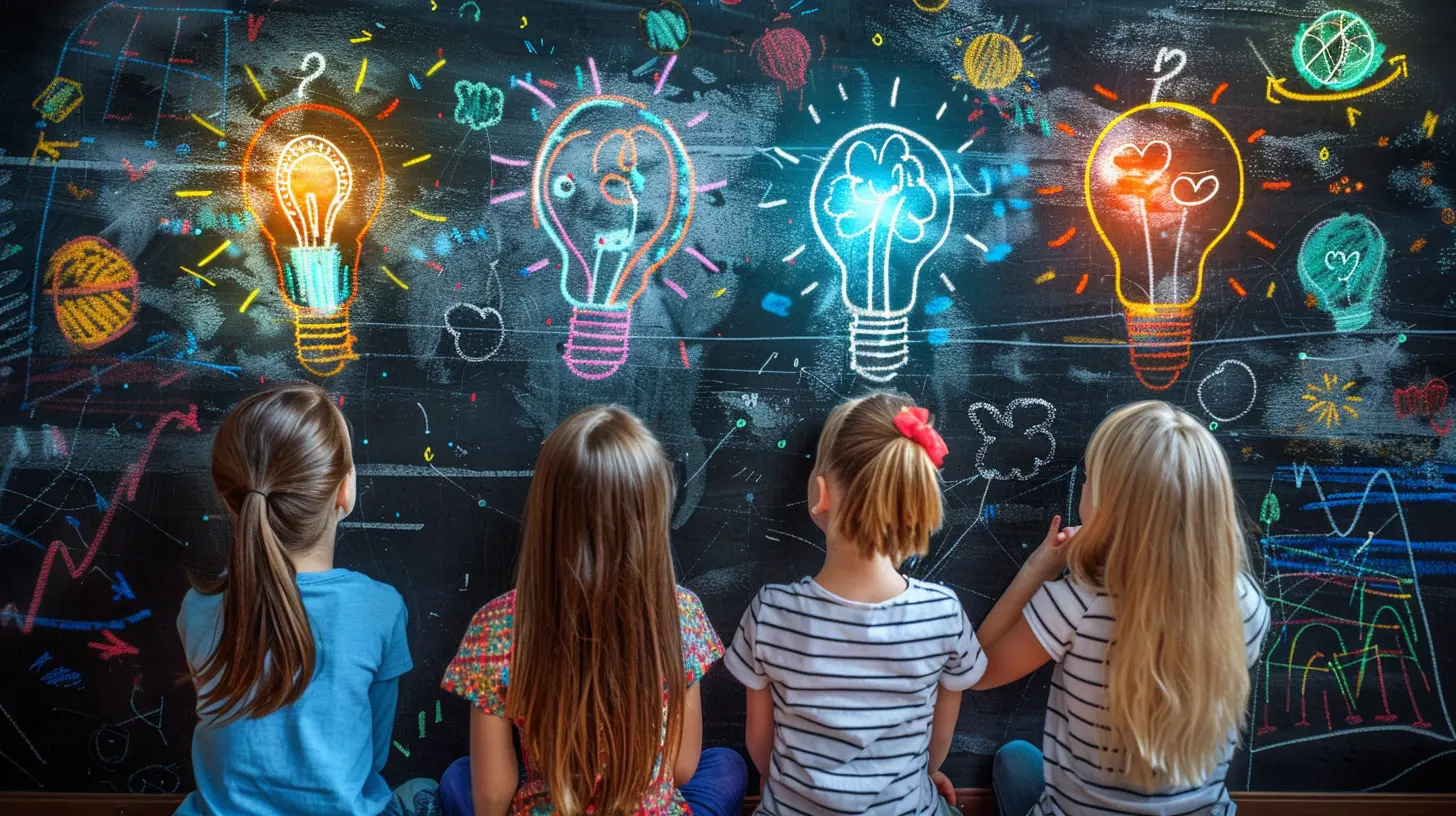
Why Does a Positive Learning Environment Matter?
Before we get into the how, let's talk about the why. A positive learning environment affects more than just academic performance. It impacts:✔ Motivation – Students are more likely to engage with the material.
✔ Confidence – When learners feel safe, they take risks and participate more.
✔ Emotional Well-being – A stress-free space promotes mental health.
✔ Collaboration – A supportive atmosphere encourages teamwork and respect.
Now, let’s explore how psychology can help create such an environment. 
1. Establish a Growth Mindset Culture
Ever heard of the growth mindset? It’s a concept developed by psychologist Carol Dweck, which suggests that intelligence and abilities can be developed with time and effort. Compare that to a fixed mindset, where people believe abilities are static.How to Promote a Growth Mindset in Learning
✅ Praise Effort, Not Just Results – Instead of saying, "You're so smart!", say, "I love how much effort you put into this!"✅ Encourage Challenges – Emphasize that struggles are part of learning, not signs of failure.
✅ Normalize Failures – Teach students that mistakes are stepping stones to success.
When students develop a growth mindset, they see learning as a journey rather than a test of their worth. 
2. Build Strong Teacher-Student Relationships
People don’t learn well from those they don’t trust. A positive relationship between educators and learners fosters engagement and motivation.Psychological Techniques for Strong Relationships
? Active Listening – Show genuine interest in students' thoughts and concerns.? Show Empathy – Understand students' struggles and support their emotional needs.
? Personalized Feedback – Generic comments like "Good job!" don’t cut it—give meaningful, constructive feedback.
A strong relationship creates a sense of safety, making students more open to learning. 
3. Create a Low-Stress Learning Space
Stress is one of the biggest barriers to effective learning. The human brain shuts down higher-order thinking when overwhelmed by stress.How to Reduce Stress in Learning Environments
? Mindfulness and Relaxation – Short breathing exercises or mindfulness activities can calm the mind.? Clear Expectations – Ambiguous instructions create anxiety—provide clear guidelines.
? Encourage Breaks – The brain needs rest. The Pomodoro Technique (25 minutes study, 5-minute break) is a game-changer.
Creating a stress-free zone allows students to focus, absorb, and retain information better.
4. Utilize Positive Reinforcement
B.F. Skinner, the behavioral psychologist, introduced positive reinforcement, where desired behaviors are rewarded, leading to repeated positive actions.Ways to Use Positive Reinforcement in Education
? Verbal Praise – A simple “Great effort!” can boost morale.? Reward Systems – Stickers, bonus points, or even a fun class activity as a reward can keep students motivated.
? Recognition of Progress, Not Just Perfection – Acknowledge improvements, not just top performances.
By reinforcing good behaviors, we can help students develop positive habits that stick.
5. Foster a Sense of Belonging
Psychologist Abraham Maslow’s Hierarchy of Needs states that after basic needs like food and safety, people strive for belonging. In education, students must feel they belong before they can truly focus on learning.How to Create a Sense of Belonging
? Encourage Teamwork – Group activities and discussions build connections.? Value Every Voice – Let every student contribute and feel heard.
? Celebrate Diversity – Acknowledge different backgrounds, cultures, and perspectives.
When students feel included, they engage more, which naturally enhances learning.
6. Make Learning Fun and Interactive
The brain craves novelty and engagement. Passive learning (just listening to a lecture) leads to boredom and forgetfulness. But active learning? That sticks!Techniques to Make Learning More Engaging
? Gamification – Use quizzes, competitions, or reward-based challenges.? Hands-On Learning – Science experiments, debates, or project-based activities enhance understanding.
? Storytelling – Humans absorb lessons better through stories rather than dry facts.
Turn learning into an adventure, and students will stay eager and curious.
7. Encourage Self-Regulation and Independence
While guidance is essential, students should also develop independence and self-motivation.How to Promote Independent Learning
? Set Personal Goals – Encourage students to define their own learning objectives.? Teach Time Management – Simple strategies like planners or digital tools can prevent procrastination.
? Develop Critical Thinking – Instead of spoon-feeding answers, ask thought-provoking questions.
When students take charge of their learning, they build confidence and resilience.
8. Use the Power of Social Learning
Albert Bandura’s Social Learning Theory tells us that people learn by observing and imitating others. This means the social environment plays a huge role in education.How to Leverage Social Learning
? Lead by Example – Teachers and mentors should model enthusiasm, curiosity, and respect.? Peer Learning – Group studies, mentoring, and discussions can enhance understanding.
? Encourage Role Models – Bring in guest speakers or showcase inspiring figures relevant to the subject.
When students see real-life applications of what they're learning, it becomes much more meaningful.
Final Thoughts
Creating a positive learning environment using psychology isn’t about expensive tools or complicated strategies. It comes down to understanding human behavior and making small but powerful changes.Whether you're a teacher, student, or parent, these psychological techniques can transform any learning space into a thriving hub of curiosity, motivation, and success. After all, education isn’t just about absorbing facts—it’s about shaping minds, building confidence, and fostering a lifelong love for learning.
So, why wait? Start implementing these strategies today and witness the magic of psychology in learning!
all images in this post were generated using AI tools
Category:
Educational PsychologyAuthor:

Eva Barker