The Benefits of Extracurricular Activities for Middle Schoolers
7 April 2026
Alright, let's not kid ourselves—middle school is a wild ride. One minute your kid is obsessed with space dinosaurs (yes, that’s a thing), and the next, they’re battling epic homework piles and hormonal chaos. And in the middle of this glorious teen tornado, parents are wondering... “Is joining the drama club really worth it?”
Spoiler alert: it is. Big time.
Extracurricular activities are more than just a “nice-to-have” on a future college application—they’re secret weapons for personal growth, confidence, social skills, and yes, even academic success. So, buckle up. We’re diving deep into why letting your middle schooler find their thing—be it robotics, basketball, or chess club—can seriously shape their future.

What Are Extracurricular Activities, Anyway?
Before we start tossing the confetti around, let’s clear the air. Extracurricular activities are basically anything your child does outside of regular classroom hours that isn’t a nap or scrolling TikTok. We're talking clubs, sports, volunteering, music, art, debate, coding—you name it.It's learning without the stiff desks and squeaky whiteboard markers.

Why Middle School? Why Now?
You might be wondering, "Why push for extracurriculars when they're still figuring out how to spell 'photosynthesis'?" Well, middle school is a golden window. It’s that awkward, amazing time when kids are developing their identities, discovering interests, and learning how to handle responsibilities. Getting involved early plants the seeds for some serious life skills.Think of it as building a "life toolkit"—confidence wrench, time-management hammer, social screwdriver—you get the idea.
1. Boosts Confidence and Self-Esteem
Let’s face it, middle school can be a self-esteem battlefield. But here’s the good news: winning a match, nailing that choir solo, or just mastering a new skill gives kids that "I got this" vibe.Extracurriculars provide safe spaces where kids can fail, try again, and succeed—all without the pressure of a GPA hanging over their heads.
Picture this: Little Jamie joins the art club, discovers a knack for watercolor, and suddenly starts strutting around the house like Picasso with a paintbrush. Iconic.
2. Enhances Academic Performance (Yes, Really)
“Wait, won’t extracurriculars distract my kid from schoolwork?” That's a myth older than dial-up internet.In reality, kids who are involved in activities learn how to juggle priorities like tiny CEOs. Time management, focus, responsibility—these skills spill right into their academics.
Studies show that students involved in extracurriculars tend to have higher grades, better attendance, and improved behavior. Why? Because they feel connected. Engaged students = motivated students.
3. Teaches Teamwork Like Nothing Else
Throw a tween into a group project, and you might witness a mini soap opera. But plop them into a robotics team or soccer squad? Magic happens.Extracurriculars teach kids how to collaborate, communicate, and compromise. Whether it’s passing the basketball or co-writing a drama script, they learn that success is sweeter when shared.
And guess what? These teamwork skills follow them for life—into college, relationships, and, eventually, the workplace.
4. Fosters Friendships and Social Bonds
Middle school can sometimes feel like the social Hunger Games. Making real friends? Stressful.Enter extracurricular activities. These are natural breeding grounds for friendships because they bring together kids with shared interests.
Whether it's geeking out over anime in an after-school club or sweating buckets in track practice, connections form fast. It’s like social glue—without the awkward lunchroom silences.
5. Sparks Passion and Curiosity
Here’s the truth: school curriculums can only cover so much. What if your kid has a hidden talent for theater or an obsession with space exploration?Extracurriculars give them the playground to explore new passions without pressure. They might fall in love with coding through a STEM club or discover a poetic soul in a writing workshop.
It’s like opening the door to a secret garden of interests that school alone might never reveal.
6. Encourages Leadership and Responsibility
Middle schoolers + responsibility = not always a love story. But give them a role in their favorite activity? Oh, they’ll rise.Running for student council, organizing a fundraiser, mentoring younger members—they’ll step into leadership roles and OWN them.
Leadership isn’t always about being the loudest in the room. Sometimes it’s about setting a quiet example, solving problems, and showing up. Extracurriculars give kids the chance to lead in their own way.
7. Helps With Stress and Emotional Health
We don’t talk about this enough: middle schoolers get stressed. Between school pressure, body changes, and social drama, mental health can seriously take a hit.That’s why having a creative, physical, or just plain fun outlet matters. Whether it's dancing out the drama, journaling in a writing club, or kicking goals on the field, extracurriculars help kids blow off steam and feel emotionally balanced.
Think of it as therapy with less talking and more doing.
8. Builds College and Career Readiness Early
Now, we’re not saying your 12-year-old needs to have a five-year plan, but it doesn't hurt to build those future-ready muscles.Colleges and employers LOVE to see well-rounded individuals. Someone who can hit deadlines, lead a team, and balance multiple commitments? Yes, please.
Extracurriculars subtly develop exactly these skills. Plus, they give middle schoolers a taste of what they might want to pursue later. It’s like a practice round for real life.
Types of Extracurricular Activities That Rock
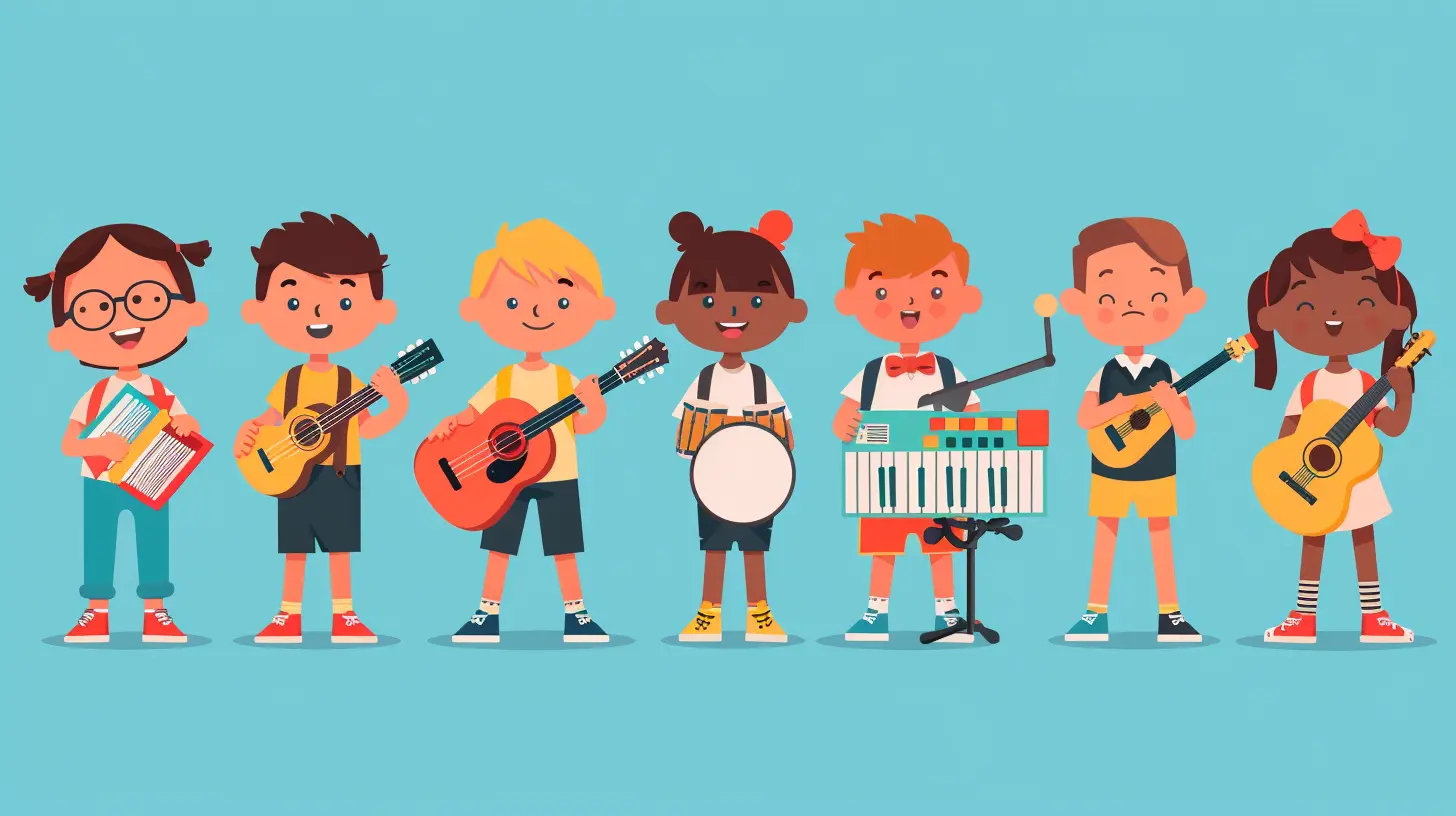
There’s no one-size-fits-all here. The key is finding something that excites your child. Here are some awesome options:🎭 Arts & Culture
- Drama Club- Music Band or Choir
- Dance
- Visual Arts
These help unlock creativity and confidence. Who knows? Your kid might be the next Broadway star or Picasso.
🏀 Sports & Physical Activity
- Soccer, Basketball, Track, Swimming- Martial Arts
- Gymnastics
They learn teamwork, resilience, and how to pick themselves up after literal (and figurative) falls.
💻 STEM & Academics
- Math Club- Robotics Team
- Science Fairs
- Coding Clubs
Yes, it’s cool to be a nerd. These activities grow problem-solving skills like crazy.
🗣️ Speech & Leadership
- Debate Club- Student Government
- Model United Nations
Perfect for the kids who always have something to say (in the best way possible).
❤️ Service & Volunteering
- Environmental Clubs- Animal Shelter Volunteering
- Tutoring Programs
Great for building empathy and showing kids they can make a difference—right now.
But What If They Don’t Know What They Like?
Totally normal. Middle schoolers are still figuring themselves out. The trick? Encourage them to try.Start with low-commitment clubs or trial weeks. Let them dabble, mess up, switch it up. It’s not about being the best—it’s about being curious.
Think of extracurriculars like a buffet. Try the weird salad (origami club), go back for more of the chicken tenders (drama), and maybe skip the shrimp (debate). It’s all good.
Tips for Parents: Be the Cool Guide, Not the Bossy Coach
Here’s how to help your child without turning extracurriculars into a chore:- Ask what excites them—not what you think is cool.
- Be open-minded. Maybe fencing club is their jam.
- Help them manage their time and avoid burnout.
- Celebrate effort, not just wins.
- Don’t panic if they change activities. It’s part of the journey.
And remember: your kid doesn’t need to be a superstar to get the benefits. Showing up is enough.
Final Thoughts: Let Them Fly, Fall, and Freakin’ Shine
Extracurriculars in middle school aren’t just about padding a future resume. They’re about exploration, growth, and joy. They teach kids how to be humans—empathetic, bold, connected, balanced humans.So if your middle schooler wants to join a quirky club, sign up for debate, try out for basketball, or even start their own podcast—cheer them on. They’re building more than hobbies. They’re building themselves.
And that? That’s worth every pickup, practice, and pizza night.
all images in this post were generated using AI tools
Category:
Extracurricular ActivitiesAuthor:

Eva Barker
Discussion
rate this article
2 comments
Mila McLanahan
Extracurricular activities offer middle schoolers invaluable opportunities to develop essential skills such as teamwork, leadership, and time management. Engaging in these activities enhances academic performance, boosts self-esteem, and fosters social connections, making them vital for holistic development during these formative years.
April 12, 2026 at 3:35 AM
Eva Barker
Thank you for highlighting the crucial role of extracurricular activities in fostering essential life skills and enhancing overall development in middle schoolers! Your insights perfectly capture their importance.
Porter Velez
Extracurricular activities play a crucial role in the holistic development of middle schoolers. They enhance social skills, foster teamwork, and improve time management. Furthermore, participation in diverse activities can boost academic performance and self-esteem, providing a well-rounded educational experience that prepares students for future challenges and opportunities.
April 7, 2026 at 4:26 AM
Eva Barker
Thank you for highlighting the essential benefits of extracurricular activities! They truly enrich students' lives and contribute significantly to their overall development.