How Music Education Builds Confidence and Self-Esteem
13 December 2025
Have you ever felt a rush of joy after singing your heart out in the shower or jamming to your favorite playlist? Now imagine that same feeling, multiplied by a hundred — that’s what music education can do for a young person’s confidence and self-esteem. It’s not just about hitting the right notes or playing the perfect chord. It’s about self-expression, building resilience, and unlocking inner potential.
In this article, we’re diving deep into how music education doesn’t just shape musicians — it builds strong, confident individuals ready to face the world. So whether you're a parent, teacher, or student, stick around. You’re about to see music in a whole new light.
What Is Music Education, Really?
Before we jump into its benefits, let’s break it down. Music education isn’t just about learning scales and reading sheet music. It includes:- Singing
- Playing instruments
- Composing music
- Listening and analyzing pieces
- Performing in front of an audience
Whether it's through school programs, private lessons, or community groups, music education helps young minds engage creatively and emotionally.
The Connection Between Music and Confidence
Think About It — What Happens When You Master a Song?
When you practice and finally master a difficult song, what do you feel? Pride. Accomplishment. That "I did it!" moment is powerful. It teaches you that with effort and persistence, you can achieve something meaningful. That’s the foundation of confidence.Performance Builds Courage
Getting up in front of a crowd to sing or play? That takes guts. But every time a student performs, no matter how big or small the audience, they’re chipping away at fear. Over time, stage fright turns into stage presence. It’s like exposure therapy — but fun!
Music Education Encourages Self-Expression
Kids (And Adults!) Need a Voice
Let’s face it: everyone needs a way to express themselves, especially kids and teens. Sometimes, words just don’t cut it. Music becomes that outlet — a bridge between feelings and the outside world.Whether it's writing lyrics, improvising a solo, or just letting loose on the drums, music gives students permission to be unapologetically themselves.
Safe Space for Emotions
In a world full of expectations and pressures, music class can be a sanctuary. It's a place where you can feel sadness, joy, excitement, and even confusion — and turn those emotions into something beautiful. That freedom? It breeds self-worth.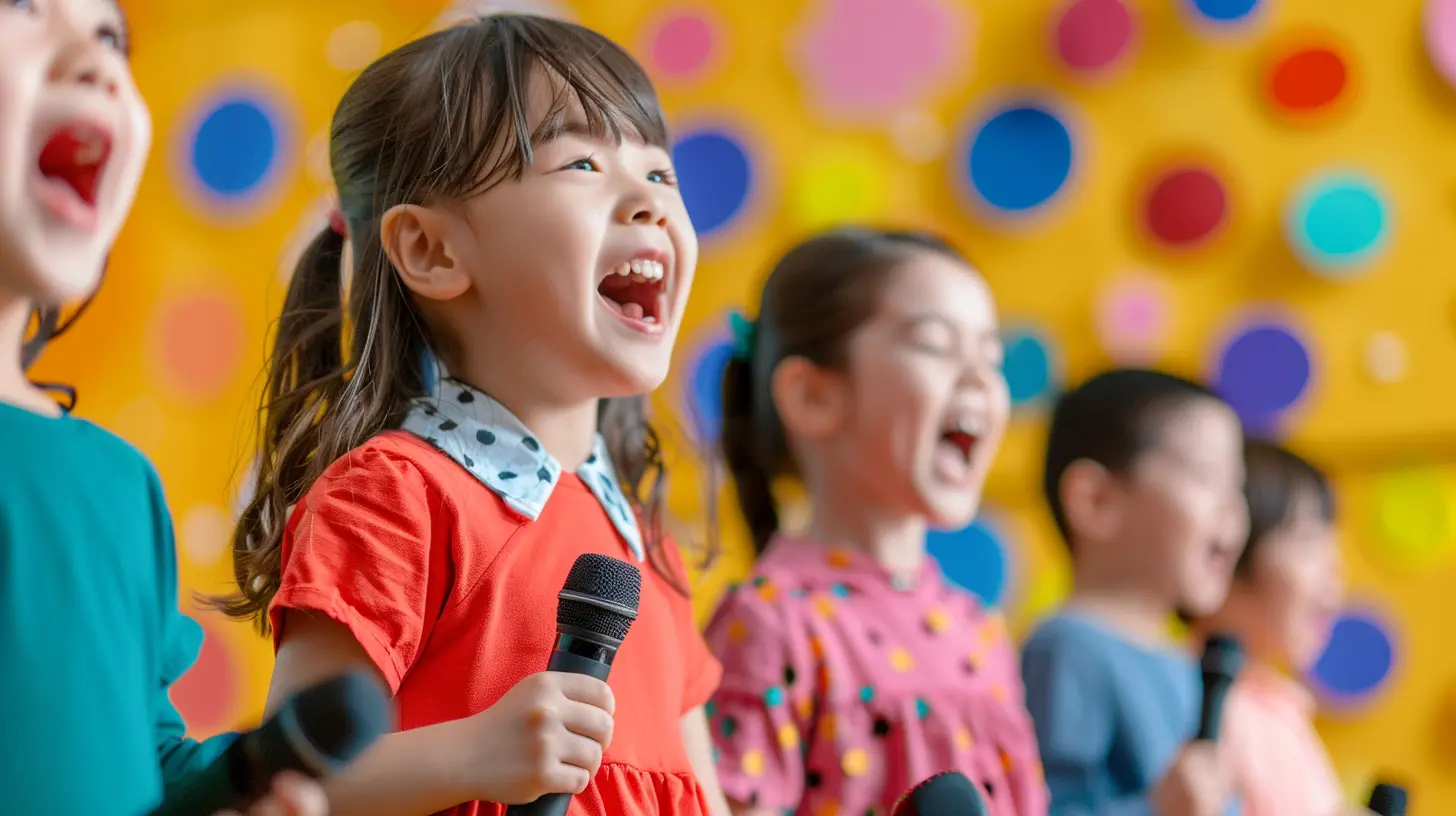
Teamwork and Social Skills: Hidden Confidence Builders
Bands, Choirs, and Orchestras = Built-In Community
Think of any music group — they all require teamwork. Whether it’s blending voices in a choir or syncing rhythms in a drumline, students learn to listen, compromise, and rely on each other.It teaches them a valuable life lesson: you’re stronger together. And knowing you’re part of something bigger? That fuels both confidence and belonging.
Supportive Environment
Music classes often nurture more collaborative, less competitive spaces compared to traditional classroom settings. Students cheer each other on during performances and celebrate progress, not just perfection. That sense of encouragement builds a confident mindset without the fear of failure.Achieving Goals, One Note at a Time
Consistent Practice = Visible Progress
Unlike some subjects where progress can feel abstract, music offers immediate feedback. You practice a difficult passage repeatedly — and one day, you nail it. That kind of progress is visible, tangible, and so rewarding.Every achieved goal, whether it’s playing a tricky riff or memorizing a piece, reinforces the belief: “I can do this.” That belief spills over into other areas of life, too.
Discipline That Pays Off
Practicing music also instills discipline and patience. It's not a once-and-done kind of deal — it's a journey. And sticking with it teaches that hard work leads to improvement. That’s a lesson that builds both self-discipline and inner strength.Overcoming Challenges Builds Resilience
Mistakes Are Part of the Process
Let’s be honest — messing up a note in front of an audience can be embarrassing. But music teaches one of the most important life lessons: mistakes don’t define you. They grow you.Over time, students become more comfortable with making and recovering from those mistakes. That’s what resilience is all about. And resilient people? They stand tall with confidence.
Constructive Feedback Builds Character
In music education, students often get feedback from teachers and peers. Learning to accept critique without crumbling helps them build a thicker skin and a stronger sense of self. They begin to value growth over perfection, and that mindset is pure gold.Personal Identity and Individual Growth
Finding Your Unique Voice
Every musician, whether a beginner or a pro, has a unique sound. Through music, students start to discover what makes them... well, them. Maybe it’s a preference for jazz over classical, or a knack for songwriting rather than performing.This journey of self-discovery strengthens identity — a key part of building long-term confidence.
Ownership Over Creativity
When students compose or interpret music in their own way, they're taking ownership of their creative process. That sense of control and authorship boosts self-esteem. It's like saying, “This is my voice, and it matters.”Academic and Cognitive Benefits Add to the Mix
Success in One Area Inspires Others
Research shows that students involved in music do better academically. Why? Because music sharpens memory, attention, and problem-solving skills. So when students succeed in music, that academic boost further enhances self-belief.It’s a positive loop: confidence in music equals confidence in school equals confidence in life.
Multitasking Mastery
Music learning requires doing multiple things at once — reading notes, listening, coordinating movement. Mastering this complexity gives students a sense of intellectual empowerment. They realize they can handle big challenges — and that’s where self-esteem skyrockets.Music Education Helps With Mental Health
Mood Regulation Magic
It's no secret that music is therapeutic. Playing or listening to music reduces stress and releases feel-good hormones like dopamine. Students who find emotional relief in music naturally feel more in control of their emotions, which enhances self-assurance.Reduces Anxiety and Depression
Multiple studies suggest that music participation can significantly reduce symptoms of anxiety and depression among youth. As mental clarity improves, so does confidence. Having a safe outlet – like music – makes it easier to face the ups and downs of life.Real-Life Stories That Inspire
Ever heard of someone who started off shy and unsure, but came out of their shell through music? There are thousands of these stories — from the quiet kid who found their voice in a school musical to the teen who overcame anxiety through drumming.Music doesn't just change notes. It changes lives.
Tips on Encouraging Music Education for Confidence
- Start early: The earlier kids are exposed to music, the more likely they are to benefit socially and emotionally.- Let them choose: Encourage students to explore instruments or styles that genuinely interest them.
- Celebrate effort: Applaud progress, not just perfection.
- Make it fun: Keep the experience light-hearted and joyful. That’s when confidence soars.
Final Thoughts
So, does music education build confidence and self-esteem? Absolutely. It's more than just a class — it's a transformative experience.When students engage with music, they’re not just learning about rhythm and melody. They’re learning about themselves. They’re growing, expressing, failing, trying again, and ultimately thriving.
And in a world that's often loud with criticism and comparison, music offers something powerful — a stage to stand tall, a voice to be heard, and a rhythm that says, "You’ve got this."
So go ahead — pick up that instrument, hum that tune, or support a budding musician. Because with every note, a stronger, more confident individual is being born.
all images in this post were generated using AI tools
Category:
Music EducationAuthor:

Eva Barker
Discussion
rate this article
2 comments
Bianca Rosales
This article beautifully captures the profound impact of music education. It's inspiring to see how it nurtures confidence and self-esteem in every student.
December 16, 2025 at 1:35 PM
Eva Barker
Thank you! I'm glad you found the article inspiring and that it highlights the vital role of music education in fostering confidence and self-esteem.
Fay Carter
“Playing an instrument: where confidence grows faster than a sunflower!” 🌻🎶
December 13, 2025 at 5:32 AM
Eva Barker
Absolutely! Music education empowers students to express themselves and thrive, fostering confidence that blossoms beautifully. 🌻🎶