"The Benefits of Emotional Intelligence for Teachers and Educators
22 July 2026
Teaching is more than just equations, grammar rules, and pop quizzes. It’s about connection, empathy, and understanding human behavior — and that’s where emotional intelligence steps in. If you’re an educator or someone curious about the teaching profession, you’ve probably heard the buzz around emotional intelligence (EI or EQ). But what does it really mean in the classroom? And how can it make a real difference in your teaching, your students' learning, and even your own mental well-being?
Let’s dive deep into the world of emotional intelligence and see why it’s not just a "nice-to-have" but a "must-have" for every teacher out there.
What Is Emotional Intelligence, Anyway?
Before we unpack the benefits, we’ve got to know what we’re talking about. Emotional intelligence is the ability to identify, understand, manage, and use emotions in a positive way. It’s not about being overly emotional or suppressing feelings. It’s about navigating emotions—your own and others'—with a bit of finesse.Think of emotional intelligence as your inner compass or emotional GPS. It guides your reactions, decisions, and interactions. In a school setting where emotions run high (hello, teenage hormones and stressed-out teachers), this kind of intelligence is worth its weight in gold.
Daniel Goleman, one of the pioneers in this field, breaks EI down into five key components:
1. Self-awareness
2. Self-regulation
3. Motivation
4. Empathy
5. Social skills
Sounds like soft skills? Sure. But in education, these are power tools.
Why Emotional Intelligence Matters in Education
Let’s be honest: teaching is a roller coaster. One moment you’re basking in the glow of a student’s "aha!" moment, the next you're calming down a classroom in chaos. This job isn’t just academic—it’s emotional.That’s where emotional intelligence changes the game. It arms teachers with the emotional agility to stay calm under pressure, form better relationships with students, and foster a classroom culture that promotes learning and growth.
1. Building Stronger Teacher-Student Relationships
Ever had a teacher who just got you? That wasn't just good teaching—it was emotional intelligence at work.When you understand your students emotionally, you connect on a deeper level. You sense when something’s off. You know when to push and when to pull back. And students can feel that. They’re more likely to engage, participate, and trust you.
Kids don’t learn well when they’re anxious or disconnected. Emotional intelligence helps teachers create a safe space where students feel seen and heard.
2. Better Classroom Management
Let’s face it, managing a classroom isn’t a walk in the park—unless that park is full of hyperactive squirrels. Emotions, both student and teacher, can run wild. But teachers who have high emotional intelligence don’t just react—they respond.Instead of shouting back, emotionally intelligent educators pause, assess, and choose a response that de-escalates the situation. They can sense tension before it peaks and act accordingly. That leads to fewer blow-ups and more breakthroughs.
And guess what? Students mirror this behavior. When they see calm, they learn calm. It’s like emotional modeling 101.
3. Reducing Teacher Burnout
Teaching is deeply rewarding, but let’s not sugarcoat it—it’s also exhausting. Emotional fatigue is real, and burnout is a lurking shadow for many in the profession.Teachers with stronger EQ are better at recognizing their own stress signals. More importantly, they have the tools to manage it—whether that’s setting boundaries, asking for help, or simply taking a breather before reacting.
Think of emotional intelligence as your internal support system. It helps you stay grounded and resilient in the face of daily challenges.
4. Enhancing Collaboration with Colleagues
Teachers don’t work in isolation (well, not all the time). Schools are ecosystems where collaboration is key. Whether it's co-teaching, team meetings, or working with parents, strong communication is a must.Educators with emotional intelligence pick up on non-verbal cues, navigate conflicts smoothly, and foster a spirit of cooperation. They don’t just talk—they connect.
5. Supporting Students’ Emotional Growth
Kids learn more than math and grammar at school. They learn how to deal with life. And a teacher’s emotional intelligence plays a huge role in that.By modeling self-awareness, empathy, and emotional regulation, teachers become living examples of emotional intelligence in action. Students pick that up. They learn how to name their feelings, handle stress, and interact respectfully. That’s a life skill no test can measure.
Real-Life Scenarios Where EI Makes a Difference
Let’s bring it to life. Imagine this:- A student walks into class clearly upset. An emotionally unaware teacher might ignore it or scold them for not paying attention. But a teacher with emotional intelligence? They’ll pull the student aside, check in, and offer support. That tiny moment could change a student’s entire day.
- Or what about a staff meeting where tensions rise? Instead of getting defensive, an emotionally intelligent teacher listens, acknowledges different perspectives, and helps steer the conversation toward solutions.
You see? It’s not about big, dramatic moments. It’s the daily human interactions that EI makes better.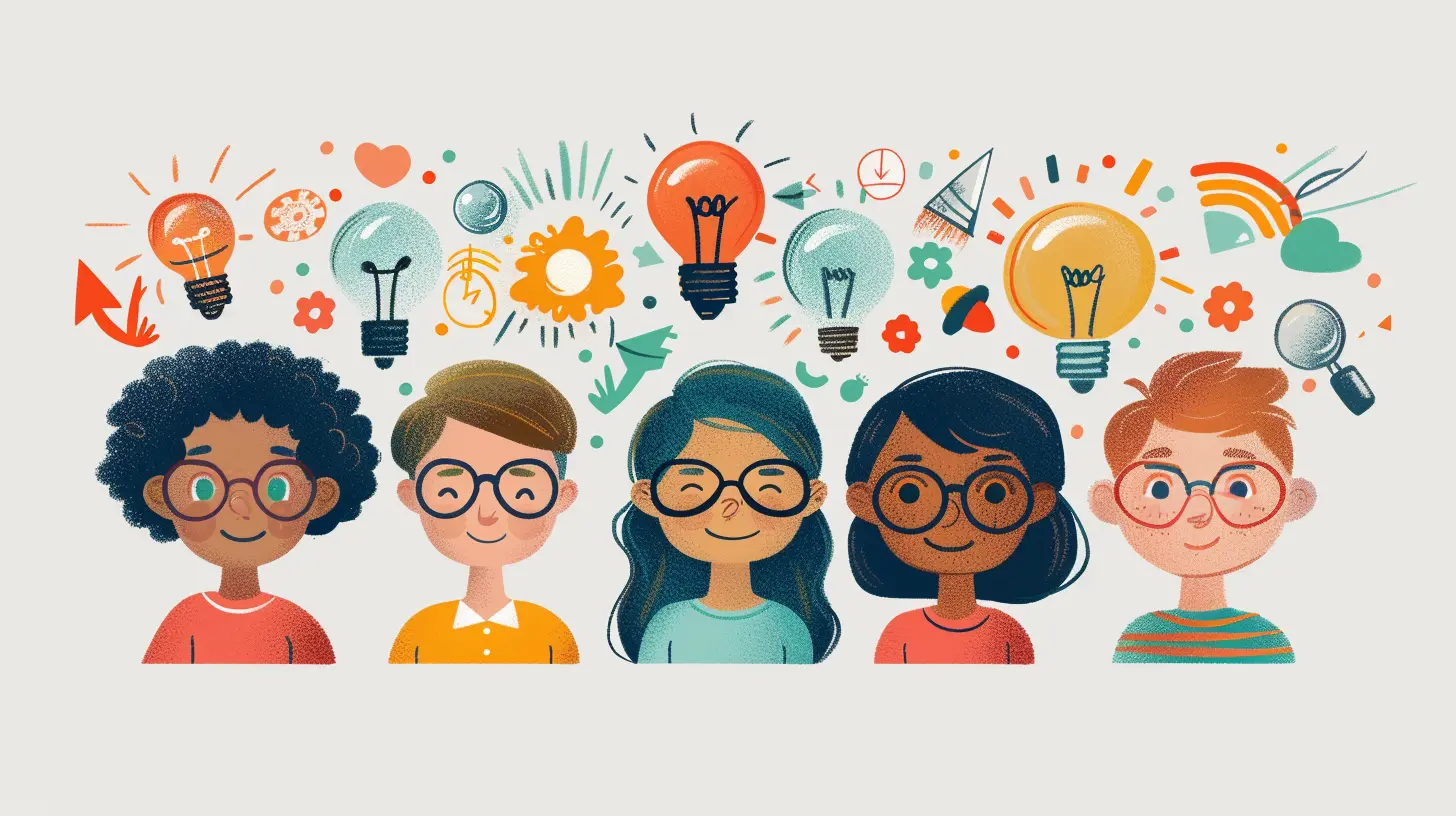
How Teachers Can Develop Emotional Intelligence
The good news? Emotional intelligence isn’t a fixed trait. It’s a skill—and skills can be learned.Here’s how teachers can build their emotional muscle:
1. Practice Self-Reflection
At the end of the day, ask yourself: How did I handle my emotions today? Did I react or respond? What could I do differently next time?Self-reflection isn’t about judging yourself; it’s about understanding yourself. Journaling, mindfulness, or simply a quiet moment with your thoughts can work wonders.
2. Learn Active Listening
This means really hearing what someone is saying—without planning your response while they’re still talking. Active listening builds empathy and makes others feel valued.Tip: Try repeating back what someone says to confirm understanding. It shows you’re tuned in.
3. Work on Stress Management
Stress is inevitable, but your response is optional. Breathing exercises, physical activity, or even quick meditations can help you reset.Also, don’t hesitate to seek support. Talking to a peer or counselor isn’t a sign of weakness—it’s smart self-care.
4. Develop Empathy Deliberately
Put yourself in your students’ shoes. What might they be going through? Empathy isn’t about agreeing—it’s about understanding.Books, podcasts, and even storytelling exercises can help you see the world from different lenses.
5. Attend Emotional Intelligence Workshops
Many schools offer PD (professional development) sessions on EI. If yours doesn't, advocate for it. Or seek out online courses. EQ is just as important as pedagogy or curriculum planning.The Long-Term Impact on the Education System
Emotionally intelligent teachers don’t just improve their classrooms—they gradually shift the culture of the entire school.Schools with emotionally intelligent staff:
- Experience fewer behavioral issues
- See higher student engagement
- Foster more collaborative and respectful environments
- Retain teachers longer due to better workplace wellness
So, yeah, it’s a ripple effect. One emotionally intelligent teacher can influence dozens of students every year. Multiply that by an entire staff, and you’ve got a powerhouse for positive change.
A Quick Reality Check
Now, does being emotionally intelligent mean you’ll never have a bad day or lose your cool? Nope. We’re human. But it does mean you’ll bounce back faster, handle things more thoughtfully, and set the tone for your students.You’re not just teaching content—you’re teaching humans. And humans are emotional beings. Mastering emotional intelligence might just be your most important teaching tool.
The Bottom Line
In a world that often values test scores and academic benchmarks, emotional intelligence reminds us of the heart in education. It’s the glue that holds relationships together, the anchor that keeps teachers balanced, and the spark that keeps students engaged.So, whether you’re just starting out in teaching or you’ve been in the trenches for years, boosting your emotional intelligence isn’t fluff—it’s foundational. It makes you a better educator, a better colleague, and frankly, a happier human being.
And at the end of the day, that’s what great teaching is all about.
all images in this post were generated using AI tools
Category:
Emotional IntelligenceAuthor:

Eva Barker