Proven Strategies to Create a Positive Classroom Environment
30 December 2025
Creating a positive classroom environment isn’t just a “nice-to-have”—it’s a must. Think about it: students spend nearly 1,000 hours a year in school. That’s a huge chunk of their young lives! If the classroom doesn’t feel safe, welcoming, and encouraging, how can we expect students to truly thrive?
So, how do we flip the switch from chaos or indifference to calm, focus, and growth? Let’s walk through some proven strategies that help cultivate a classroom where students feel included, respected, and inspired to learn. And no, it's not all rainbows and bulletin boards—this is about intentional actions, every single day.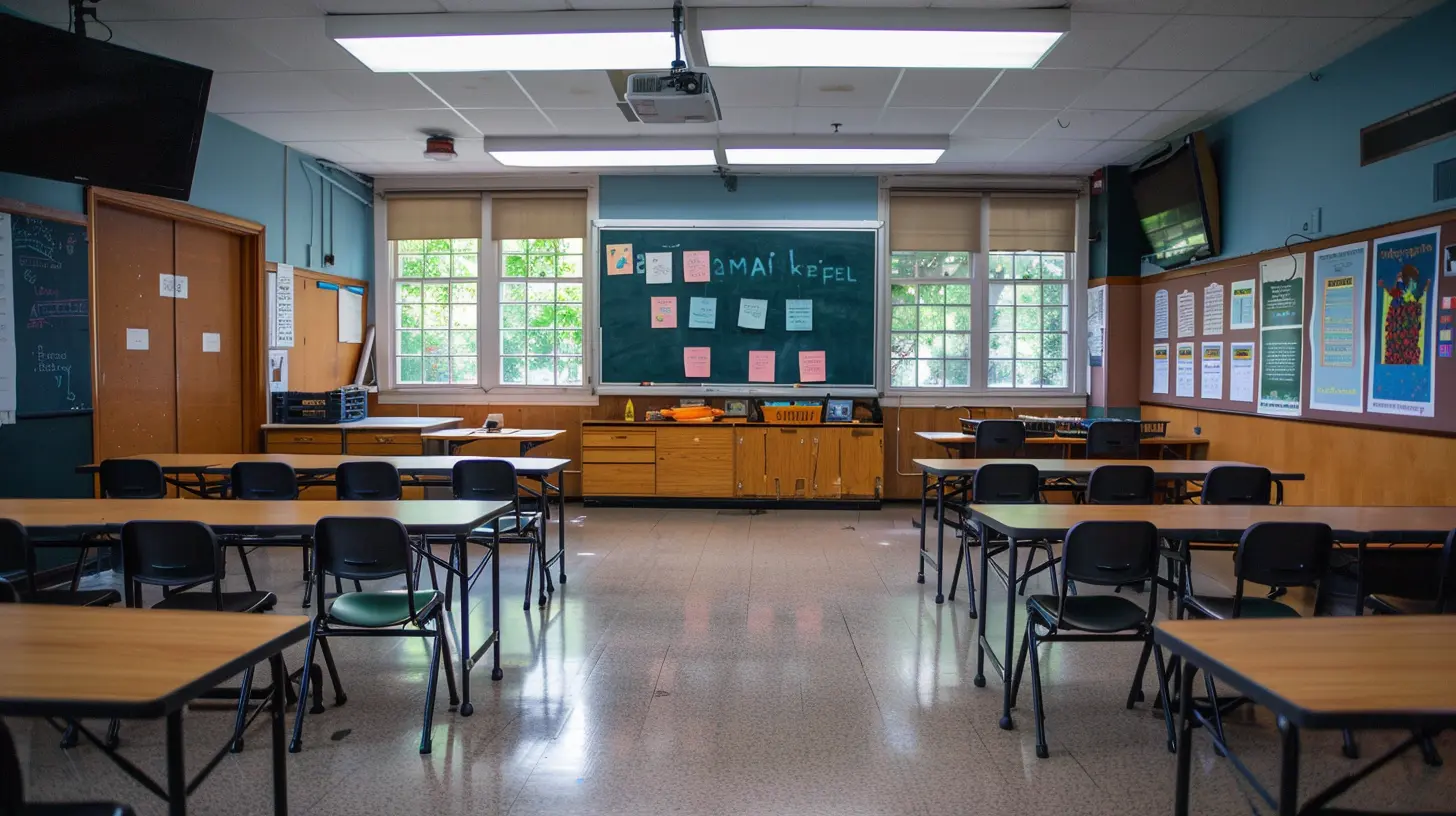
Why a Positive Classroom Matters More Than You Think
Ever walked into a room and instantly felt your mood shift—for better or worse? The same thing happens in classrooms. That vibe (or “classroom climate,” if you want to sound fancy) sets the tone for everything, from behavior and participation to how deeply students care about learning.A positive environment does a few big things:
- Reduces anxiety and behavioral issues
- Boosts student engagement and motivation
- Builds strong teacher-student relationships
- Encourages collaboration and mutual respect
- Improves academic outcomes
Not too shabby, right?
Strategy 1: Build Relationships First—Always
Let’s be honest: you wouldn’t take advice from someone you barely know or trust. Neither will your students.Taking time to build relationships is step number one. It might not feel like “instruction,” but it’s an investment, and the returns are massive.
How To Do It:
- Greet students by name every day (yes, every single one)- Ask about their interests, hobbies, and favorite TikTok trends
- Share appropriate personal stories to show you're human too
- Use features like “Student of the Week” or spotlight sessions
- Conduct regular one-on-one check-ins—just 3-5 minutes can go a long way
When students feel seen and heard, they’re more likely to engage, behave, and be their authentic selves.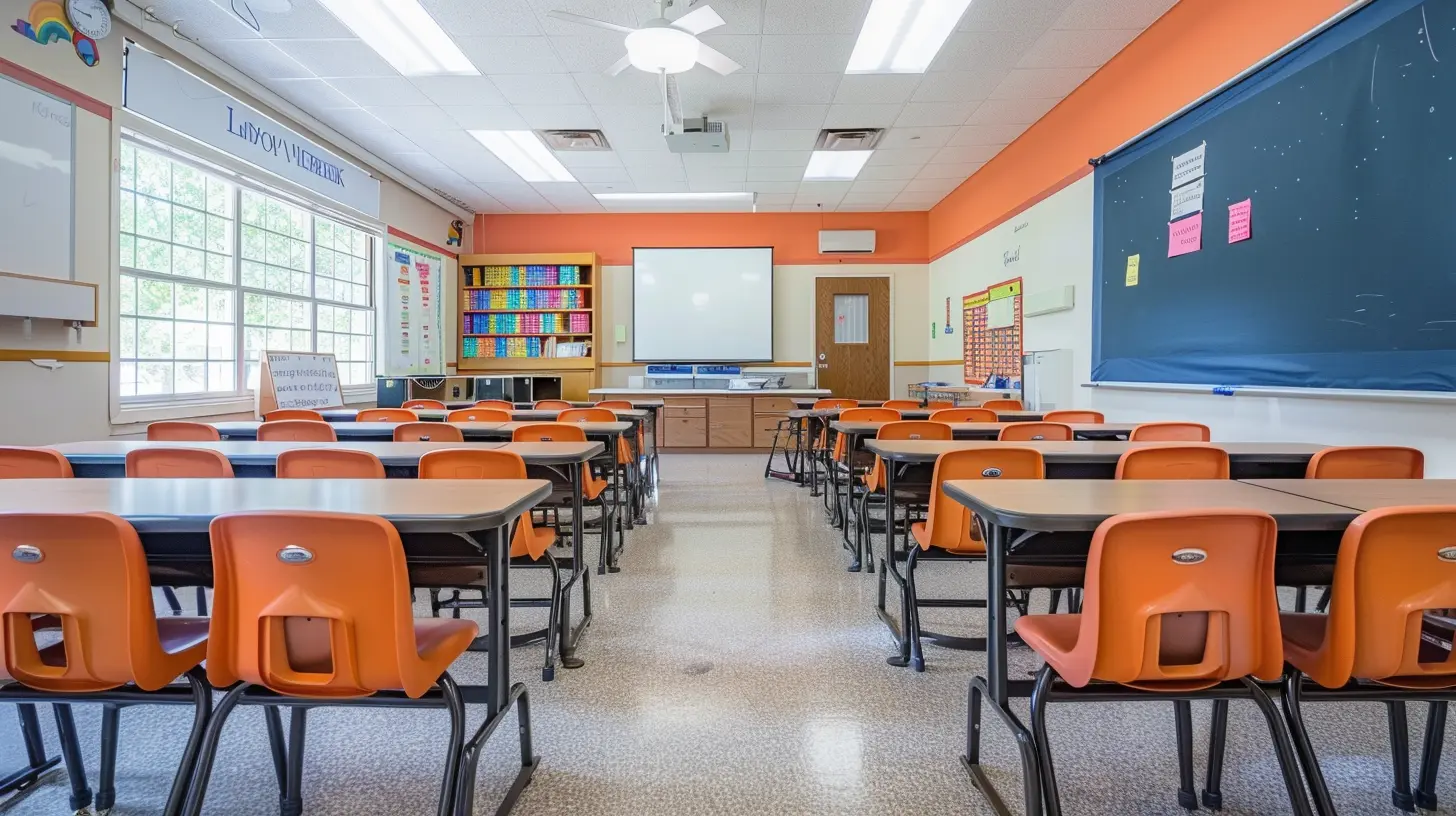
Strategy 2: Set Clear, Consistent Expectations
Imagine playing a board game where no one tells you the rules. Frustrating, right? Classrooms work the same way. Students need structure, and they actually crave it (even if it doesn’t seem like it!).How To Do It:
- Co-create class rules with the students at the beginning of the year- Post expectations clearly in the classroom
- Revisit the norms regularly, especially after breaks
- Be consistent: if the rule is “No phones during lessons,” stick to it
The goal isn’t to control students—it’s to empower them. When they know what’s expected, they feel safe and confident to participate.
Strategy 3: Promote Student Voice and Choice
No one likes being micromanaged—not even kids. Giving students a say in their learning gives them ownership, and ownership builds motivation.How To Do It:
- Allow choice in assignments (e.g., write an essay OR create a video)- Encourage students to suggest classroom activities or projects
- Use anonymous surveys to get feedback on teaching methods
- Let students lead morning meetings or discussions
When students feel their opinions matter, they become partners in learning—not just passive recipients.
Strategy 4: Create a Physically Comfortable and Inviting Space
The environment around us plays a big role in how we feel. Would you rather work in a beige cubicle under flickering lights or a cozy space with natural light and colorful posters?Classroom design can influence behavior, energy levels, and focus.
Tips That Make a Difference:
- Use flexible seating when you can—bean bags, floor cushions, stools- Add personal touches like student artwork or inspirational quotes
- Keep the room clean and clutter-free (visual chaos = mental chaos)
- Incorporate calming colors and natural elements like plants
- Adjust lighting—natural light beats fluorescent bulbs any day
You don't need a Pinterest-perfect room, but aiming for comfort and warmth goes a long way.
Strategy 5: Use Positive Reinforcement
Here’s the truth: people (yes, even adults) thrive on praise and recognition. A little positivity can completely shift the classroom dynamic.Effective Ways to Reinforce Positivity:
- Use specific praise: “I love how you helped your classmate without being asked,” not just “Good job.”- Implement a reward system (stickers, points, or shout-outs)
- Celebrate milestones—birthdays, academic growth, acts of kindness
- Write positive notes home—you’ll win parents over, too!
This isn’t about bribing students to behave. It’s about highlighting what’s going right, so that becomes the norm.
Strategy 6: Teach and Model Social-Emotional Skills
Academics are important, but emotional intelligence? That’s the real MVP.Students need help managing emotions, resolving conflict, and building empathy—all crucial for a positive classroom.
Easy Integration Ideas:
- Start the day with a feelings check-in (a simple thumbs up/down works)- Use role-playing activities to practice conflict resolution
- Introduce mindfulness exercises (even 3 minutes of deep breathing)
- Address incidents promptly and restoratively—not punitively
- Model calm behavior, even when things get stressful
Kids mirror what they see. The more you model emotional regulation and compassion, the more they’ll reflect it back.
Strategy 7: Encourage Collaboration Over Competition
A little healthy competition can be fun, sure—but if it’s overdone, it creates resentment and anxiety. On the flip side, collaboration builds community and communication skills.Group Activities That Work:
- Think-pair-share exercises- Team-based problem-solving tasks
- Peer tutoring or mentoring systems
- Cooperative games and STEM challenges
- Group projects with rotating roles
When students work together, they learn to listen, lead, and compromise—real-world skills they’ll use far beyond the classroom.
Strategy 8: Address Behavior with Empathy, Not Anger
Classroom management doesn’t mean barking orders or handing out detentions like candy. It’s about guiding students to self-regulate and make better choices.Shift Your Lens:
- Understand the “why” behind the behavior (Is the student hungry? Stressed? Avoiding failure?)- Use restorative approaches: focus on repairing harm, not punishing
- Speak privately, not publicly, when correcting behavior
- Give students a chance to reset (think: peace corner or calming routine)
- Be firm, but kind—students respect boundaries, not power trips
Remember, behind every behavior is a need. Meet the need, and you’ll often see the behavior change.
Strategy 9: Celebrate Diversity and Foster Inclusion
Every student brings a story into the classroom. Honoring those stories builds a culture of respect and belonging.Your DEI (Diversity, Equity, Inclusion) To-Do List:
- Incorporate diverse books, voices, and perspectives in your materials- Celebrate cultural holidays and traditions
- Use inclusive language and pronouns
- Address microaggressions and stereotypes when they arise
- Encourage students to share their backgrounds and identities
When students feel accepted for who they truly are, their confidence and engagement soar.
Strategy 10: Reflect and Adapt Regularly
Here’s a secret: even the most experienced teachers don’t have all the answers. Being open to change is essential.How to Reflect:
- Set aside time weekly to ask: “What worked? What didn’t?”- Collect student feedback and actually act on it
- Talk to fellow educators—collaboration isn’t just for students!
- Stay up to date on teaching practices and mental health strategies
Progress, not perfection, is the name of the game.
Wrapping It All Up: Your Classroom, Your Culture
Creating a positive classroom environment isn’t a one-time fix—it’s an ongoing journey. It’s showing up every day with intention. It’s listening to your students and being willing to pivot. It’s about progress over perfection.When students walk into a room where they feel safe, challenged, and supported, magic happens. And you, dear educator, are the magician. 🪄
So, start small. Pick one or two strategies from this list and give them a go. You don’t need to overhaul your whole classroom overnight. But as you build momentum, so will your students—and that’s what education is all about.
all images in this post were generated using AI tools
Category:
Classroom ManagementAuthor:

Eva Barker
Discussion
rate this article
2 comments
Indigo McQuillan
Creating a positive classroom environment is essential for student engagement and learning. Implementing strategies such as clear expectations, positive reinforcement, and collaborative activities fosters a supportive atmosphere.
January 24, 2026 at 5:43 AM
Eva Barker
Thank you for your insightful comment! I completely agree that clear expectations and positive reinforcement are key to fostering engagement and collaboration in the classroom.
Elowis McKellar
Empower, inspire, and transform: Create the classroom of dreams!
January 13, 2026 at 4:50 AM
Eva Barker
Thank you! Together, we can make every classroom a place of growth and inspiration.