Restorative Practices: Building Community in the Classroom by 2027
27 April 2026
You know that feeling when you walk into a classroom and something just feels off? Maybe it’s the tension hanging in the air like a fog after a heated argument. Or the silence that screams louder than any shout. Or perhaps it’s the way some kids shrink into their seats while others dominate the space, leaving a trail of resentment behind. Traditional discipline—detentions, suspensions, lectures—has been the go-to for decades. But let’s be honest: how often does that actually fix the root problem? It’s like putting a Band-Aid on a broken bone. Sure, it covers the wound, but the fracture remains.
By 2027, the conversation around classroom management is shifting. And it’s shifting fast. The buzzword you’ll hear everywhere? Restorative practices. Not just a trendy term, but a genuine, research-backed approach to building community, repairing harm, and fostering accountability. If you’re an educator feeling overwhelmed by behavioral challenges, disengaged students, or a fractured classroom culture, this article is your roadmap. We’re going to unpack what restorative practices really look like, why they matter more than ever, and how you can start implementing them today—so that by 2027, your classroom isn’t just a place of instruction, but a thriving community.
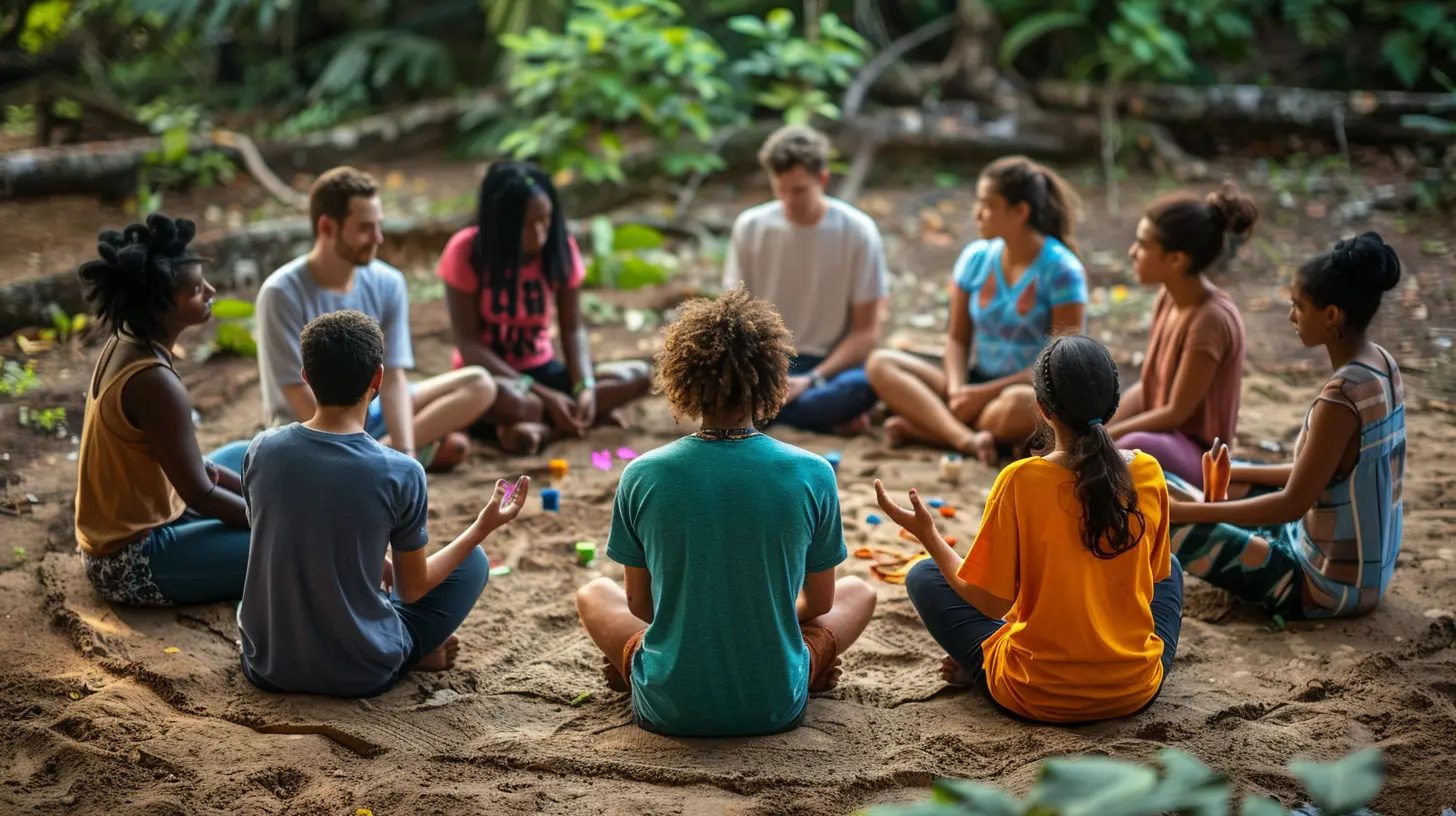
Why Traditional Discipline Falls Short
Let’s start with a quick reality check. Think back to your own school days. Remember when someone got sent to the principal’s office for talking back? Or when a whole class lost recess because a few kids couldn’t stop whispering? Traditional discipline relies on punishment—taking something away, isolating the offender, or imposing consequences that often feel arbitrary. The problem? Punishment doesn’t teach. It doesn’t heal. It doesn’t build relationships.Instead, it creates a cycle of shame and resentment. The student who gets suspended often returns angrier, more disconnected, and less likely to trust authority. Meanwhile, the rest of the class learns a dangerous lesson: that conflict is something to be avoided or resolved by an external authority, not by the people involved. Sound familiar? That’s because we’ve been running on this model for generations, and it’s failing.
By 2027, we simply can’t afford to keep doing the same thing and expecting different results. The data is clear: punitive discipline disproportionately affects marginalized students, increases dropout rates, and does nothing to improve school climate. We need a paradigm shift. Enter restorative practices.

What Exactly Are Restorative Practices?
Restorative practices are not a program you buy off the shelf or a script you follow robotically. They are a philosophy—a way of being with students that prioritizes relationships over rules, and healing over punishment. At its core, restorative practice is about building, maintaining, and repairing relationships within a community.Think of it like tending a garden. You don’t just wait for weeds to appear and then yank them out violently. You water the soil, nurture the plants, and check for early signs of trouble. When a weed does appear, you address it carefully, understanding that the root system matters. Restorative practices work the same way. You proactively build a strong classroom community so that when conflict arises—and it will—you have the trust and tools to resolve it together.
The Three Pillars of Restorative Practices
1. Proactive Community Building – This is the most important pillar, yet it’s often overlooked. Before any harm occurs, you intentionally create a classroom culture where every student feels seen, heard, and valued. This includes community circles, check-ins, and shared agreements.2. Responsive Repair – When harm does happen (a fight, a disrespectful comment, a broken trust), you move away from blaming and punishing. Instead, you bring the affected parties together to discuss what happened, who was impacted, and how to make things right. This is often done through restorative circles or conferences.
3. Reintegration – After a serious incident, the goal isn’t to exile the student permanently. It’s to help them return to the community with a restored sense of belonging and accountability. This might include a re-entry circle or a plan for making amends.
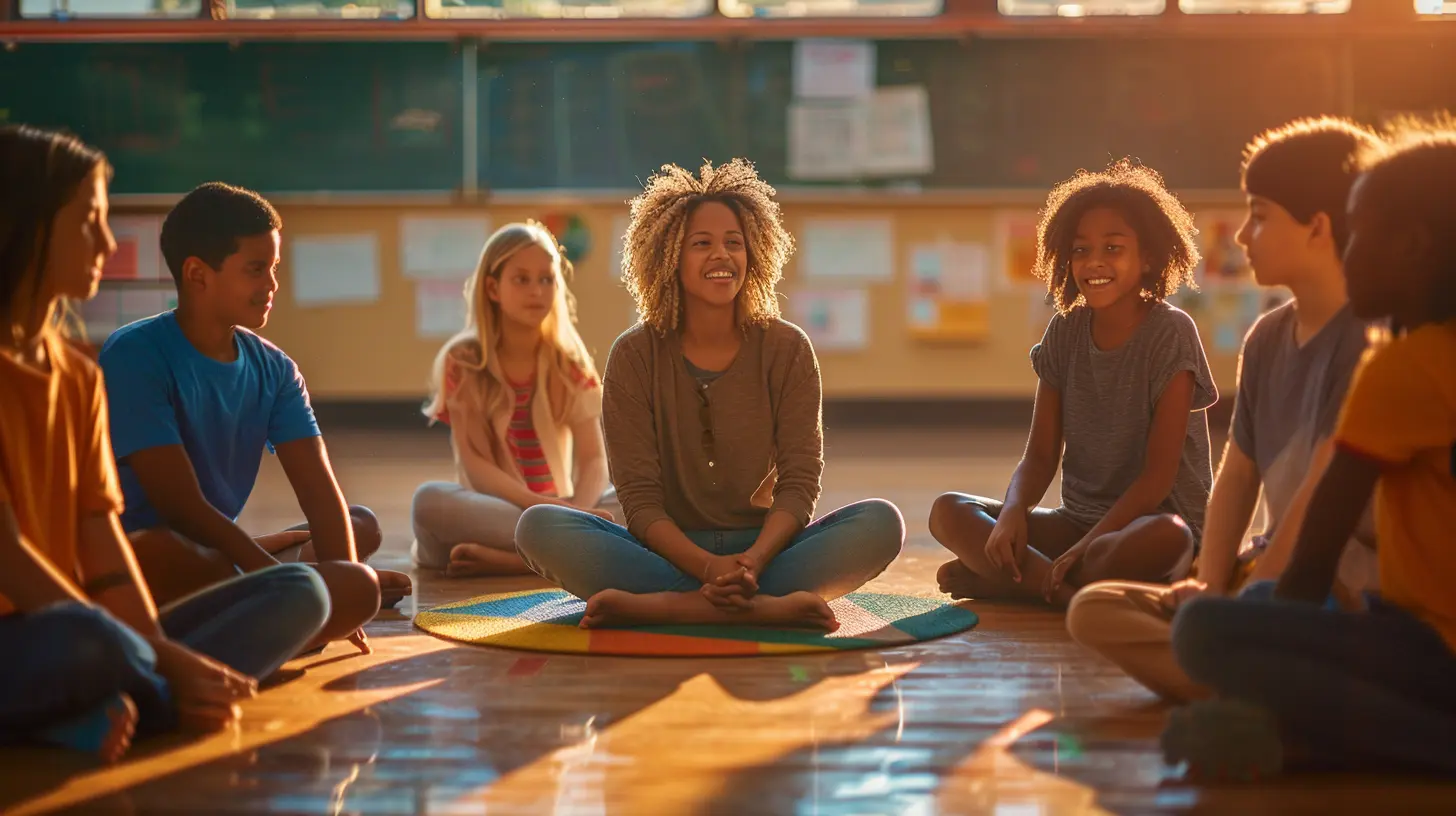
The Shift from “What Rule Was Broken?” to “Who Was Harmed?”
Here’s a simple but profound question that changes everything: Instead of asking, “What rule did you break?” ask, “Who was harmed, and how can we make it right?” This subtle shift in language reorients the entire conversation. It moves from a transactional, punitive mindset to a relational, restorative one.Imagine a student named Alex who blurts out a hurtful comment during a group project. In a traditional classroom, you might give Alex a warning, send him to the hallway, or deduct points. But what does Alex actually learn? Maybe that speaking up has consequences. Maybe that authority figures are unfair. But does he learn empathy? Does he understand the impact of his words? Probably not.
In a restorative classroom, you’d pause the activity, bring Alex and the affected student together (with your facilitation), and ask questions like:
- “What happened from your perspective?”
- “How did that affect you?”
- “What do you need to move forward?”
- “What can Alex do to repair the harm?”
This isn’t about letting Alex off the hook. It’s about holding him accountable in a way that actually builds character. He’s not just punished; he’s engaged in a process that requires reflection, empathy, and action.

Why 2027 Is the Tipping Point
You might be wondering, “Why is 2027 the magic year?” It’s not arbitrary. Several converging trends are making restorative practices not just desirable, but necessary.1. The Post-Pandemic Classroom
Let’s be real: the pandemic didn’t just disrupt academics. It disrupted social-emotional development. Students spent months isolated, behind screens, missing out on crucial face-to-face interactions. As a result, we’re seeing higher rates of anxiety, conflict, and disconnection. By 2027, the students who were in elementary school during lockdown will be entering middle and high school. They need more than content delivery; they need community rebuilding.2. The Mental Health Crisis
According to the CDC, more than 40% of high school students report feeling persistently sad or hopeless. Traditional discipline, with its emphasis on exclusion, only worsens these feelings. Restorative practices, on the other hand, provide a sense of belonging and support—a proven protective factor against mental health struggles.3. Equity and Inclusion
Research consistently shows that Black and Brown students are disproportionately suspended and expelled. Restorative practices offer a way to disrupt these disparities by focusing on understanding and repair rather than punishment. By 2027, schools that ignore this equity imperative will be left behind.4. Teacher Retention
Burnout is at an all-time high. One major cause? The constant stress of managing behavior in a punitive system. Restorative practices actually reduce teacher workload over time because they create a self-regulating community. When students feel connected and accountable, you spend less time policing and more time teaching.How to Start Building a Restorative Classroom Today
You don’t need a grant or a district mandate to start. You can begin tomorrow morning. Here’s a step-by-step guide to weaving restorative practices into your daily routine.Step 1: Start with Morning Meetings or Check-In Circles
This is the low-hanging fruit. Spend 10-15 minutes each day sitting in a circle (physically or virtually) where every student has a chance to share. Use a talking piece (a stuffed animal, a rock, anything) to ensure everyone gets a turn. Ask simple prompts like:- “How are you feeling today on a scale of 1-10?”
- “What’s one good thing that happened this week?”
- “What’s something you’re worried about?”
The goal isn’t therapy; it’s connection. Over time, these circles build trust and normalize vulnerability. By 2027, this should be as routine as taking attendance.
Step 2: Create Classroom Agreements Instead of Rules
Instead of posting a list of rules (No talking, Raise your hand, Be respectful), co-create agreements with your students. Ask them: “What do we all need to feel safe, respected, and ready to learn?” Write down their ideas and have everyone sign it. When someone violates an agreement, you can refer back to it without sounding punitive. “Hey, remember when we agreed to listen without interrupting? How can we get back to that?”Step 3: Use Affective Statements
This is a simple but powerful tool. Instead of saying, “Stop interrupting,” say, “When you interrupt, I feel frustrated because it makes it hard for others to share their ideas.” Notice the difference? The first is a command. The second is an expression of impact. It invites reflection rather than defensiveness.Step 4: Practice Restorative Questions
When conflict arises, have a set of questions ready. Post them on the wall if needed:- What happened?
- What were you thinking at the time?
- What have you thought about since?
- Who has been affected by what happened?
- What needs to happen to make things right?
These questions guide the conversation away from blame and toward understanding.
Step 5: Implement Restorative Circles for Harm
When a significant incident occurs, gather the involved parties in a circle. This isn’t a punishment; it’s a facilitated dialogue. The person who caused harm gets to explain their perspective. The person harmed gets to express how they feel. Together, they brainstorm ways to repair the harm—an apology, a favor, a change in behavior. This process can be emotional, but it’s far more effective than a lecture or a detention.
Real-World Examples (With Names Changed)
Let me share a quick story from a teacher I worked with. Ms. Rodriguez had a student, Jamal, who constantly disrupted her class. He’d make jokes during instructions, argue with peers, and sometimes walk out of the room. Traditional discipline had failed—he’d been suspended twice, and it only made him more defiant.She decided to try a restorative circle. She invited Jamal, two classmates he often clashed with, and a school counselor. She started with the basic questions. Jamal admitted he felt like no one listened to him at home, and he acted out because it was the only way to get attention. His classmates shared that his jokes sometimes hurt their feelings. Together, they agreed on a plan: Jamal would signal Ms. Rodriguez when he felt the urge to disrupt, and she’d give him a quick break. In return, Jamal agreed to apologize to the classmates he’d hurt.
It wasn’t a magic fix overnight. But over weeks, the dynamic shifted. Jamal felt heard for the first time. The class felt safer. And Ms. Rodriguez felt like she was actually teaching, not just managing chaos.
Common Misconceptions (Let’s Bust Them)
“Restorative practices are soft on discipline.”Absolutely not. Holding a circle and asking someone to face the person they harmed is often harder than a detention. It requires courage and accountability.
“They take too much time.”
Yes, initially. But so does dealing with repeated conflicts. Think of it as an investment. Ten minutes in a circle can save hours of drama later.
“They only work in elementary school.”
Nope. High school students need connection just as much, if not more. The language changes, but the principles remain.
The Role of the Teacher: From Enforcer to Facilitator
This is the biggest mindset shift. In a traditional classroom, you’re the judge, jury, and executioner. In a restorative classroom, you’re a facilitator, a guide, a community builder. You don’t solve problems for students; you solve problems with them.Does that mean you lose authority? Actually, no. You gain a different kind of authority—one based on trust, not fear. When students know you care about them as people, they’re far more likely to respect your leadership.
Challenges You’ll Face (And How to Overcome Them)
Let’s be real: this isn’t easy. You’ll face resistance from colleagues who think it’s “touchy-feely.” You’ll have days when a circle feels like a disaster. You’ll have students who refuse to participate. That’s okay. Start small. Celebrate wins. Find a like-minded colleague to collaborate with. Remember, this is a journey, not a destination.By 2027, restorative practices won’t be an experiment. They’ll be the standard. Schools that adopt them will see lower suspension rates, higher academic engagement, and stronger relationships. Schools that don’t will continue to struggle with the same problems we’ve seen for decades.
A Final Thought: The Ripple Effect
When you build a restorative classroom, you’re not just changing your little corner of the world. You’re teaching students a skill they’ll carry for life: how to handle conflict with empathy, how to take responsibility without shame, and how to be part of a community. Imagine a generation of adults who know how to listen, apologize, and repair. That’s the world we’re building, one circle at a time.So, are you ready? The year 2027 is closer than you think. Let’s start today.
all images in this post were generated using AI tools
Category:
Classroom ManagementAuthor:

Eva Barker
Discussion
rate this article
2 comments
Misty Rios
This article highlights the vital role of restorative practices in fostering a supportive classroom environment. By prioritizing community building, we can create spaces where all students feel valued and heard. I appreciate the insights shared here and look forward to seeing how these practices evolve in the coming years.
May 8, 2026 at 3:02 AM
Rowan Pruitt
This article highlights the transformative power of restorative practices in education, emphasizing their role in fostering community and connection among students by 2027. By prioritizing empathy and open communication, educators can create inclusive environments that enhance student well-being and promote constructive conflict resolution, ultimately leading to a more harmonious classroom atmosphere.
April 27, 2026 at 12:41 PM
Eva Barker
Thank you for your insights! I'm glad the article resonated with you. Restorative practices truly have the potential to transform our classrooms.