Personalizing Learning through the Flipped Classroom Model
15 August 2026
Education is changing—fast. The days of one-size-fits-all lectures and passive note-taking are gradually fading into the rearview mirror. So, what’s replacing them? One of the most promising shifts we’re seeing is the move toward personalized learning, and at the heart of it lies the powerful and flexible flipped classroom model.
In this article, we’ll unpack what the flipped classroom really is, why it's gaining traction, and how it’s making personalized learning not just a buzzword but an actual reality in classrooms. Whether you're an educator, student, parent, or just curious about how education is evolving, buckle up—we’re flipping the script on traditional teaching.
What Exactly Is the Flipped Classroom?
Let’s start by flipping your idea of a typical school day.In a traditional classroom, students spend hours listening to lectures, then they head home to do assignments—often feeling confused and without support. The flipped classroom turns this upside down.
Here’s how it works:
- Students watch instructional videos or go through reading materials at home. This is your typical lecture—delivered digitally.
- Class time is used for active learning. Students participate in discussions, group work, collaborative projects, or get one-on-one help from their teacher.
It’s a bit like cooking at home with a YouTube video and showing up to class ready to taste-test and refine your dish with a chef.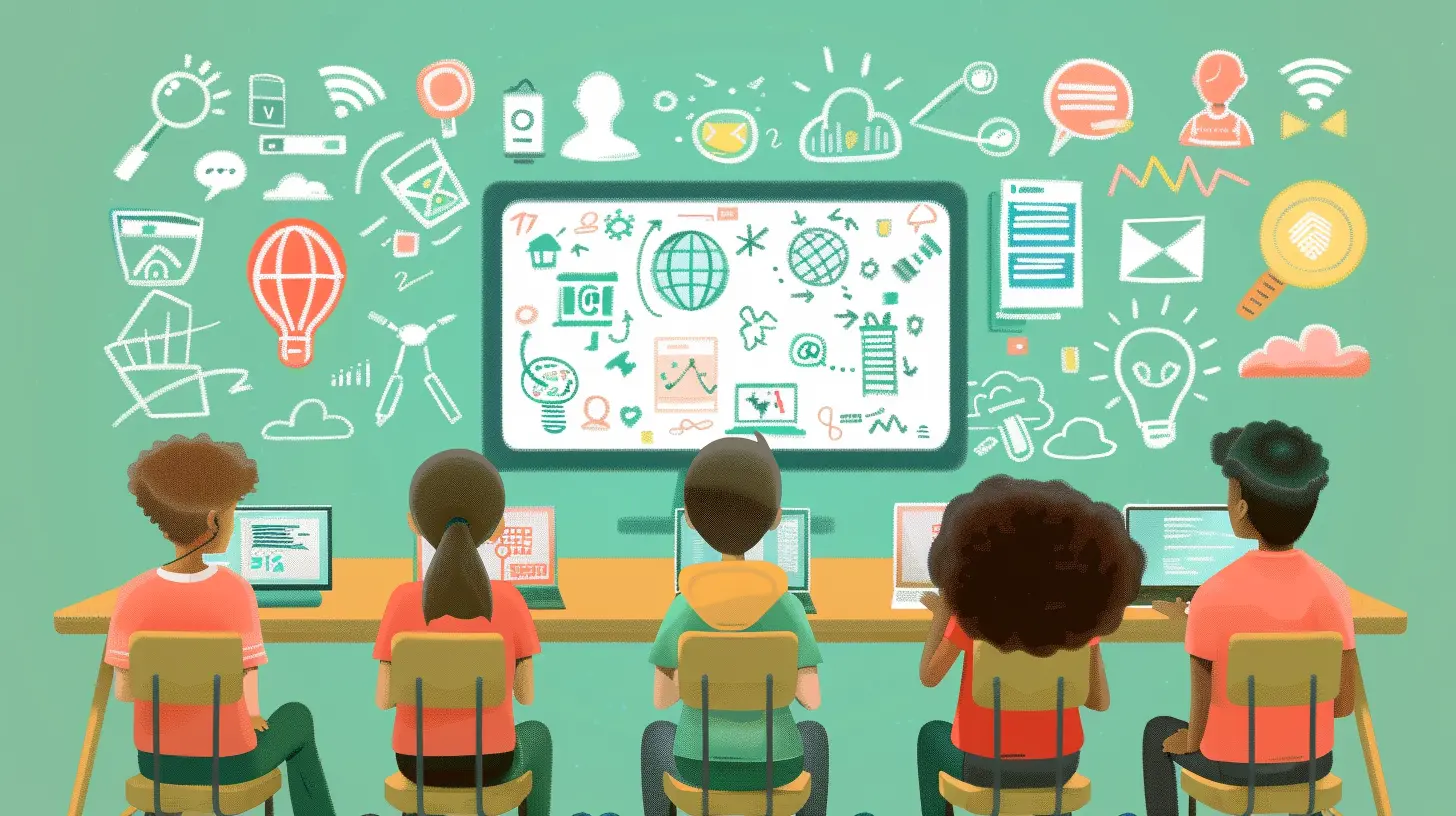
Why Flipping Works: It’s All About Personalization
Imagine trying to run a marathon with everyone wearing the same size shoes. That’s what traditional education often feels like—forcing every student into the same mold.The flipped model says, “Hold on, let’s fit the shoe to the runner.”
1. Students Learn at Their Own Pace
Some students are sprinters—they grasp concepts quickly. Others are marathoners—they need more time and space to understand. Pre-recorded lessons let students pause, rewind, or re-watch as often as they need. That’s huge! It gives every learner the ability to absorb information at their own rhythm without feeling overwhelmed or left behind.2. Teachers Become Coaches, Not Lecturers
Instead of delivering the same lecture to everyone, teachers in flipped classrooms act more like guides. Class time becomes a coaching session. Students ask questions, solve real problems, and get help right when they need it. Teachers finally get to truly interact with their students—understanding not just what they know, but how they think.3. More Room for Real-World Skills
You know what students desperately need? Time to build skills like critical thinking, collaboration, and problem-solving. These don’t come from passively sitting through a lecture. They come from doing, experimenting, and making mistakes. And that’s exactly what flipped learning fosters.
The Customization Goldmine: Personalizing Learning Like Never Before
Let’s dig deeper into why this model is a goldmine for personalization.Tailored Content
Teachers can provide different video resources to different students based on their strengths or gaps. Maybe Student A needs a refresher on Algebra basics, while Student B flies ahead with quadratic equations. Flipped learning makes that flexibility possible.Real-Time Support
Since class time is now interactive, teachers can spot where students are struggling—and help, right there and then. It’s not about waiting a week to get graded homework back. It's personalized, real-time feedback.Use of Data and EdTech Tools
EdTech platforms used alongside the flipped model allow teachers to track how much time students spend on videos, which parts they rewind, and which concepts consistently trip them up. In short, data becomes a superpower for personalization.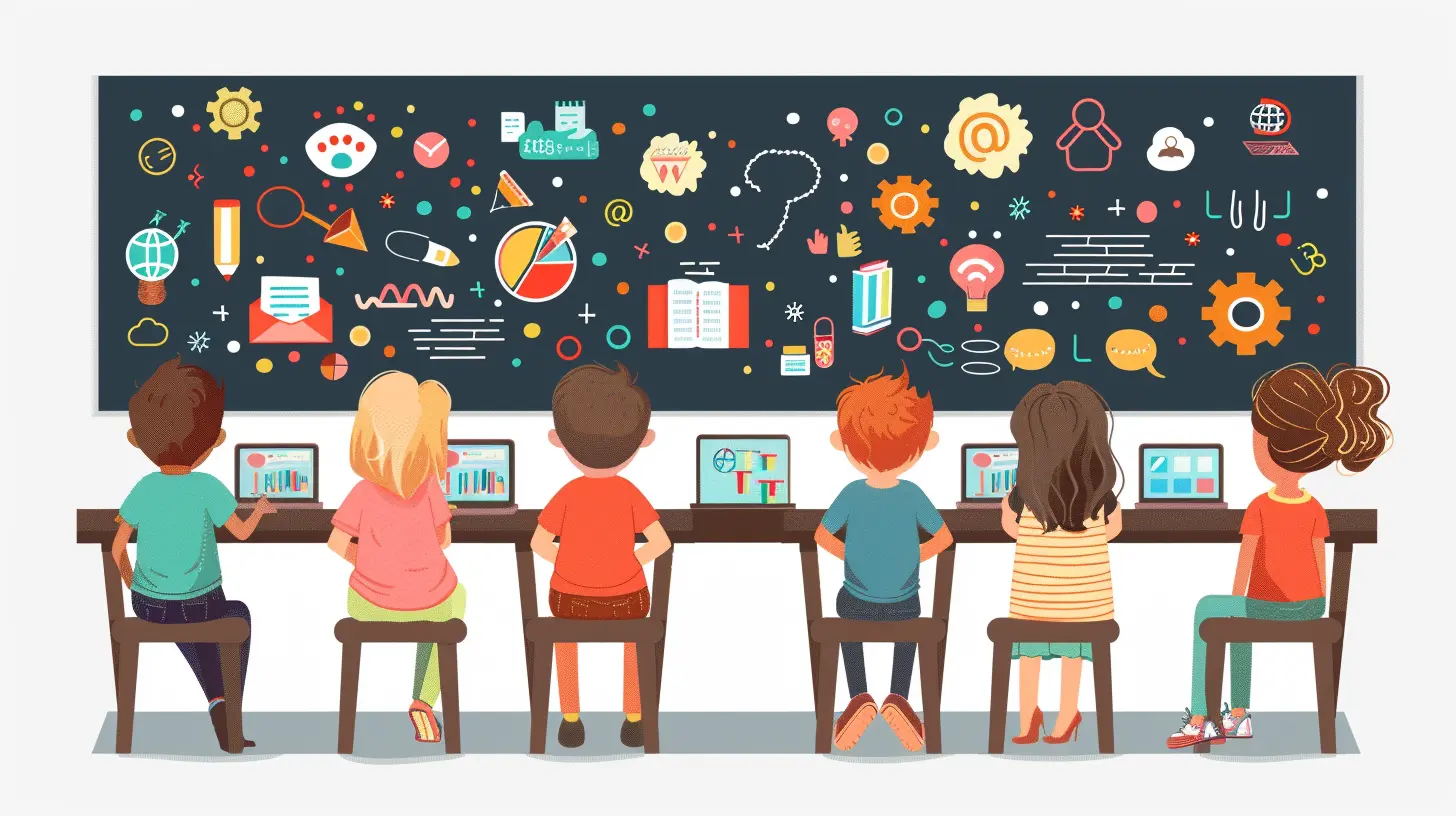
Challenges of Flipping: Let’s Be Honest
Okay, let’s not sugarcoat it. Flipping a classroom isn’t all rainbows and unicorns. Like anything worth doing, it comes with its set of challenges.Not All Students Have Access
A big one—technology access at home. If students don’t have reliable internet or devices, watching videos before class becomes a barrier, not a benefit. Schools need to address this digital divide before flipping classrooms fully.Initial Time Investment
Creating quality videos and curating resources? That takes time. Teachers often have to put in extra hours up front. But here’s the silver lining: once these materials exist, they can be reused and even improved over time.Resistance to Change
Both students and teachers can feel unsure or resistant. Students might miss the structured comfort of lectures; teachers may be wary of releasing control. But with patience and support, this resistance usually softens as they see the benefits unfold.Real Teachers, Real Impact: Stories from the Frontline
Let’s bring this down from theory to reality.Mrs. Lopez’s Middle School Math Class
Mrs. Lopez, a middle school math teacher, started flipping her class two years ago. She noticed right away that her quieter students—the ones who rarely raised their hands—started coming to class more confident and prepared. Why? They could watch the lesson multiple times at home, without judgment.When class time rolled around, these same students were leading group discussions and tackling practice problems head-on. Their test scores improved, but more importantly, their confidence skyrocketed.
Mr. Patel’s High School History Class
Mr. Patel assigned short video lectures with embedded quiz questions. In class, students did debates, timeline projects, and even mock trials. History came alive. Students weren’t just memorizing dates—they were actively engaging with the material. Some even started doing extra research, purely out of curiosity. That’s learning that sticks.Tips for Getting Started with the Flipped Classroom
Thinking about trying it out? Whether you’re a teacher or an administrator, here are some practical steps to make the transition smoother.Start Small
You don’t have to flip your entire curriculum overnight. Pick one unit or subject first. Get feedback. Then expand.Use Existing Resources
You don’t have to reinvent the wheel. Websites like Khan Academy, Edpuzzle, and YouTube EDU offer high-quality educational videos across subjects. Use them to ease the burden of content creation.Keep Videos Short and Engaging
Aim for 5–10 minute videos. Students are far more likely to watch and retain information from concise, focused lessons.Encourage Accountability
How do you ensure students actually watch the videos? Add quick quizzes, reflections, or journal entries. These small check-ins keep everyone on track.Build a Supportive Classroom Culture
Explain the “why” behind the flip. Get student buy-in. Involve parents too. Make it clear that this model is about helping them succeed, not giving them more work.The Future of Learning is Flip-Friendly
Here’s the bottom line—the flipped classroom isn’t just a trendy teaching method. It’s a window into the future of education. One where students take more ownership of their learning. One where teachers become more than content deliverers—they become mentors, allies, and learning designers.As we continue walking this path toward education that’s personalized, engaging, and effective, the flipped classroom is a powerful step in the right direction.
Final Thoughts: It’s Time to Flip the Narrative
If we want to meet the diverse needs of today’s learners, we can’t keep using yesterday’s methods. The flipped classroom offers a way to make learning more personal, meaningful, and impactful.Sure, it’s a shift. And shifts can be scary. But the reward? A generation of students who are more empowered, more invested, and better prepared for the real world.
So, are you ready to flip the switch?
all images in this post were generated using AI tools
Category:
Flipped ClassroomAuthor:

Eva Barker
Discussion
rate this article
1 comments
Kason McLaughlin
The flipped classroom model flips the script on traditional learning. By empowering students to learn at their own pace, we create a tailored experience that fosters deeper understanding and engagement. It's about making education as unique as each learner.
August 15, 2026 at 4:44 AM