Creative Strategies for Engaging Students in 2027
2 May 2026
Let me ask you something: have you ever felt like you're teaching to a room full of ghosts? Students are physically there, but their minds are somewhere else entirely. Maybe they're scrolling through a video feed, answering a text, or daydreaming about the latest AI tool that just dropped. If that sounds familiar, you're not alone. The classroom of 2027 is a different beast. It's not just about keeping kids quiet anymore; it's about keeping them curious, connected, and genuinely excited to learn. So, how do we do that without turning into a circus performer or a drill sergeant? Let's dive into some fresh, creative strategies that actually work in this wild new world.

The Attention Economy Is Real
First, we need to admit something: attention is currency. In 2027, students are bombarded with notifications, short-form videos, and instant gratification from every direction. Your lesson is competing with dopamine hits from platforms designed to be addictive. So, stop fighting that current. Instead, ride it. Think of your classroom as a live show, not a lecture hall. Every session should have a hook, a rhythm, and a payoff. If you start with a boring roll call, you've already lost. Try starting with a provocative question, a weird fact, or a quick challenge. "What if I told you that gravity isn't a force, but a curvature of spacetime? And no, that's not a line from a sci-fi movie." Boom. You've got them.
Flip the Script: Students as Creators
Here's a shift that's huge in 2027: stop being the only expert in the room. Your students have access to information that you didn't at their age. They can Google, query AI, and find video tutorials in seconds. So, instead of feeding them knowledge, give them problems to solve. Let them become the creators. For example, instead of teaching a history lesson about the Industrial Revolution, ask them to build a TikTok-style video series from the perspective of a factory worker. Or, have them design a podcast episode debating whether AI will replace human artists. When students own the output, they invest in the input. You become the guide, not the gatekeeper.
Gamification Without the Cringe
Gamification is not new, but it's often done poorly. Slapping a leaderboard on a worksheet doesn't cut it. In 2027, students are savvy. They can smell fake engagement from a mile away. The trick is to build systems that feel like actual games, not like chores with points. Use narrative arcs. Create a class storyline where each unit is a "level." Give them "power-ups" for collaboration or creative thinking. Let them earn "badges" that unlock real-world perks, like choosing the next topic or skipping a homework assignment. The key is that the game must have stakes that matter to them. And please, avoid the cringe. No cheesy sound effects. No forced team names. Let the game emerge from the content itself.
The Power of "Why" and "What If"
Curiosity is a muscle, and it atrophies without exercise. In 2027, students are often told the "what" and the "how" but rarely the "why." Start asking more questions that don't have easy answers. "Why do we still use fossil fuels when we have solar power?" "What if we could teleport? How would that change economies?" These aren't just fun diversions; they train students to think critically and connect dots. Use what I call "provocation sprints." Spend five minutes at the start of class with an outrageous "what if" scenario. Let them argue, debate, and dream. It wakes up their brains before the heavy lifting begins.Micro-Learning Bursts
Attention spans in 2027 aren't short; they're selective. Students can binge-watch a complex series for hours, but they'll check out after ten minutes of a lecture. So, break your content into micro-bursts. Teach for eight minutes, then do a quick activity. This could be a pair-share, a quick quiz, or a "draw what you heard" exercise. Then, teach another burst. Think of it like a workout. You don't lift the same muscle for an hour straight. You alternate. Your students' brains need the same variety. This also helps with retention. When they switch gears, they process what they just learned.
Embrace the Tools, Not the Distractions
Technology is not the enemy, but it's also not the savior. In 2027, every student likely has a device. The mistake is trying to ban them or, worse, let them run wild. Instead, integrate tools with purpose. Use AI as a brainstorming partner. Have students generate ideas with a chatbot, then critique those ideas. Use collaborative documents for real-time feedback. Use polling apps to check understanding without raising hands. The goal is to make the tech invisible, just a tool for deeper thinking. When a student says, "Can I use my phone to look that up?" the answer should always be, "Yes, and tell me what you find."Emotional Check-Ins Matter More Than Ever
Here's something that often gets overlooked: engagement is emotional. A student who is anxious, hungry, or lonely cannot learn. In 2027, mental health is a huge conversation. Start your class with a quick emotional check-in. This doesn't have to be therapy. Just a simple "How are you feeling today on a scale of 1 to 5? And why?" Use anonymous polls so they're honest. Then, adjust your lesson accordingly. If the energy is low, do a movement activity. If they're stressed, give them a quiet reflection moment. When students feel seen, they feel safe. And safe students are engaged students.
Real-World Connections That Stick
Students often ask, "When will I ever use this?" Don't dodge that question. Answer it with real examples. In 2027, the world is changing fast. Jobs that exist today might be gone tomorrow. Connect your lessons to current events, future careers, or even their hobbies. Are you teaching math? Show them how algorithms work in their favorite social media app. Teaching literature? Compare a character's journey to a modern influencer's rise and fall. The more you bridge the gap between the classroom and their world, the more they'll care.The Art of the Unexpected
Routine is comfortable, but it's also sleep-inducing. Throw in surprises. Have a "mystery guest" join via video call. Do a lesson outside, even if it's just the hallway. Use props. Wear a costume for a history lesson. Hand out random objects and ask students to connect them to the topic. The brain loves novelty. When you do something unexpected, you create a memory anchor. Years from now, they might not remember the date of a battle, but they'll remember the day you brought in a medieval helmet and let them try it on.
Collaboration That Actually Works
Group work can be a nightmare. One person does all the work, while others coast. In 2027, we need smarter collaboration. Use "jigsaw" methods where each student becomes an expert on a piece of the puzzle. Then, they teach each other. Use roles that rotate: the researcher, the presenter, the timekeeper, the skeptic. And don't just grade the final product; grade the process. Have students reflect on how they worked together. What did they learn from each other? This builds soft skills that are more valuable than any test score.Let Them Teach You
This might be the most powerful strategy: give students the chance to teach. Ask them to prepare a five-minute mini-lesson on something they're passionate about. It could be about gaming, a hobby, or a skill. Then, let them present to the class. Watch how their confidence grows. They become experts, and you become a student. This flips the power dynamic in a beautiful way. It also shows that learning is lifelong, not just something that happens in a desk.
The Feedback Loop
Feedback in 2027 should be fast and frequent. Don't wait until the end of the semester to tell a student how they're doing. Use quick check-ins, one-on-one chats, and digital tools that give instant feedback. But here's the trick: make it specific and kind. Instead of "good job," say "I loved how you connected that idea to the previous lesson." Instead of "needs improvement," say "What if you tried adding a counterargument here?" Feedback is a conversation, not a verdict. When students feel like you're on their side, they'll take risks.The Role of Play
Play is not just for kindergarten. In 2027, play is a serious engagement tool. Use role-playing, simulations, and creative challenges. Have a "Shark Tank" day where students pitch ideas. Have a "courtroom" where they debate a historical figure's guilt. Play lowers the stakes and raises creativity. It also builds community. When students laugh together, they learn together. So, don't be afraid to be silly. Your dignity is less important than their engagement.
The Long Game
Engagement isn't a switch you flip. It's a garden you tend. Some days, it will rain. Some days, it will be sunny. The key is consistency. Show up with energy. Listen more than you talk. Admit when you don't know something. Ask for their opinions. In 2027, students are hungry for authenticity. They can spot a fake from a mile away. So, be real. Be curious. Be human. And remember, you're not just teaching a subject; you're teaching people how to think, how to question, and how to care.So, the next time you walk into a classroom, take a breath. Look at those faces. They're not just students; they're future innovators, artists, and leaders. And with a little creativity, a lot of patience, and a willingness to try something new, you can engage them in ways that will stick long after the bell rings.
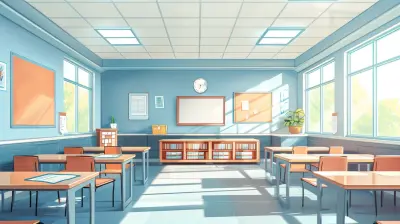
all images in this post were generated using AI tools
Category:
Lesson PlansAuthor:

Eva Barker
Discussion
rate this article
2 comments
Lisa Scott
This article offers insightful approaches for fostering student engagement. The innovative strategies outlined can inspire educators to create dynamic and inclusive learning environments that resonate with today's learners and prepare them for the future.
May 9, 2026 at 3:27 AM
Eva Barker
Thank you! I'm glad you found the strategies inspiring. Engaging students is key to their success, and I'm excited to see how these ideas can be implemented in classrooms.
Yasmeen McDowney
In 2027, let curiosity drive engagement, not just curriculum. Innovate or stagnate!
May 6, 2026 at 4:41 AM