"Mindfulness Practices to Enhance Emotional Intelligence in Students
12 July 2026
In today’s fast-paced, tech-driven world, it’s easy for students to get overwhelmed, emotionally reactive, or simply checked out. But what if we could help them gain more control over their emotions, build stronger social connections, and handle stress like a pro? That’s where mindfulness steps in. Mindfulness practices aren't just for yogis or meditation experts—they can be a game-changer for students looking to boost their emotional intelligence.
Whether you're a teacher, parent, or student yourself, understanding how mindfulness can improve emotional intelligence (EQ) is a powerful tool for academic success and lifelong well-being. Let’s break it all down and look at how you can bring these two powerful concepts together.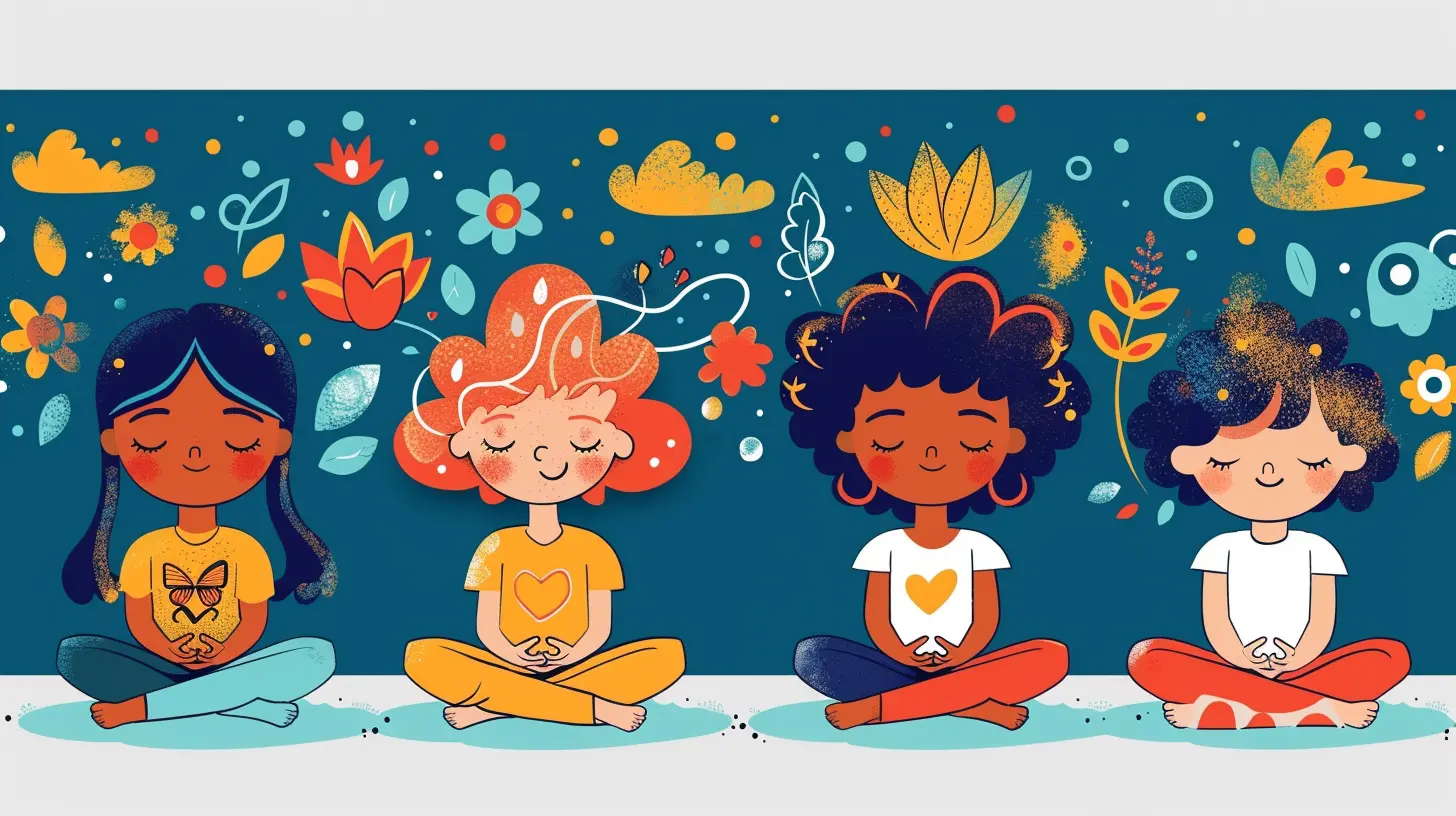
What is Emotional Intelligence, Anyway?
Before diving into mindfulness, let’s get cozy with emotional intelligence (EQ). Emotional Intelligence is all about recognizing, understanding, and dealing with your emotions—and the emotions of others. It's like having emotional superpowers.High EQ helps students:
- Navigate social situations smoothly
- Handle criticism without melting down
- Feel empathy toward others
- Stay calm under pressure
- Make thoughtful decisions instead of impulsive ones
The big five parts of EQ are:
1. Self-awareness
2. Self-regulation
3. Motivation
4. Empathy
5. Social skills
Basically, emotional intelligence is the soft skill that makes the hard skills matter.
Mindfulness 101: What’s the Hype?
Mindfulness is the practice of being present—like really present—in the current moment. Not thinking about what happened five minutes ago or what’s coming up tomorrow. Just here, right now. It's about observing your thoughts and emotions without judging them.Sounds simple, right? But with distractions coming from all directions (hello smartphones and TikTok), being truly present is harder than it looks.
Mindfulness helps students:
- Focus better
- Reduce anxiety
- Improve mood
- Sleep more soundly
- Respond thoughtfully instead of reacting impulsively
It’s like hitting the pause button on life, taking a breather, and then moving forward with clarity.
The Incredible Link Between Mindfulness and Emotional Intelligence
Here’s where it really gets interesting. Mindfulness and emotional intelligence aren't two separate things—they feed off each other. Practicing mindfulness is like going to the gym for your emotional brain.Here’s how it works:
- Self-awareness improves because you're more in tune with your thoughts and feelings
- Self-regulation becomes easier because you notice your triggers before you blow up
- Empathy increases because you're more attuned to others’ emotions
- Social skills get a boost because you're more present in conversations
In short, mindfulness equips students with the emotional toolkit to succeed—not just in school, but in life.
Mindful Practices to Build Emotional Intelligence
Let’s talk action. How can students actually start using mindfulness to grow their EQ muscles? Here are practical, easy-to-implement mindfulness exercises that fit right into a student’s world.1. Mindful Breathing
This is the bread and butter of mindfulness. Just a few deep breaths can calm the storm inside.How to do it:
- Sit comfortably, close your eyes
- Inhale slowly through your nose for 4 seconds
- Exhale through your mouth for 6 seconds
- Focus only on the breath—how it feels, sounds, and moves
Why it works: It slows down the nervous system, making it easier to respond instead of reacting emotionally.
2. The “Name It to Tame It” Technique
Sometimes we feel “bad” but don’t really know why. Encouraging students to name their emotions helps shrink their power.How to do it:
- Ask: “What am I feeling right now?”
- Identify the emotion (e.g., frustrated, nervous, excited)
- Say it out loud or journal it
Why it works: Labeling emotions activates the rational parts of the brain and calms down the emotional surge.
3. Body Scan Meditation
This helps students become aware of tension or feelings held in their body.How to do it:
- Lie down or sit comfortably
- Close your eyes
- Focus attention on each part of the body, starting from the toes
- Notice any tightness, pain, or discomfort—without judgment
Why it works: Teaches awareness and acceptance, key parts of emotional intelligence.
4. Mindful Journaling
Dumping thoughts on paper can be surprisingly therapeutic.How to do it:
- Set a 5-minute timer
- Write without editing or filtering
- Focus on emotions, thoughts, experiences
Why it works: Enhances self-awareness and reflection, both core parts of EQ.
5. Gratitude Practice
Turning the focus from what’s wrong to what’s right can shift a student’s whole emotional outlook.How to do it:
- Every day, write 3 things you're grateful for
- Be specific (e.g., “my friend helped me with homework”)
Why it works: Promotes positive emotions and increases empathy.
6. Mindful Listening Activities
Students often listen to respond, not to understand. Mindful listening changes that.How to do it:
- Pair up students
- One person talks for 1-2 minutes about their day
- The other listens—no interrupting, no advice, just pure attention
- Then switch roles
Why it works: Builds empathy and stronger social connections.
Integrating Mindfulness Into the School Day
Now you might be thinking, “All this sounds great, but where do we find the time during a packed school day?” Good news—it doesn’t have to take a full class period. Integrating mindfulness can be quick, easy, and even fun.Morning Mindfulness Minute
Start the day with a deep breath and short reflection. Just 60 seconds can set the tone.Mindful Bell or Chime
Use a soft bell or chime to signal transitions or breaks. Students pause, breathe, and refocus.Mindful Moments Before Tests
Before a quiz or test, take one minute for deep breathing. Helps reduce anxiety and boost clarity.Include in SEL Curriculum
Tie mindfulness practices into social-emotional learning (SEL) time. It’s a natural fit.Challenges and How to Overcome Them
Let’s be honest—students won’t always love mindfulness right away. Some might roll their eyes. Others might struggle with sitting still. That’s okay. It’s all part of the learning curve.Here’s how to keep it engaging:
- Keep it short and sweet
- Use guided audio or apps like Headspace or Calm
- Make it age-appropriate and relatable
- Incorporate movement for students who hate sitting
- Celebrate small wins and progress
The goal isn’t perfection—it’s progress.
Real Results: What the Research Says
Still skeptical? Science has our back. Multiple studies show that mindfulness improves attention, reduces stress, and increases emotional regulation in students.One study published in Mindfulness Journal found that students who practiced mindfulness had improved emotional clarity and decreased aggression.
Another study in The Journal of Abnormal Child Psychology showed that mindfulness training led to better school performance, reduced anxiety, and even better relationships with peers.
The evidence is loud and clear—mindfulness is more than a buzzword. It’s a legit brain hack.
Making Mindfulness a Lifelong Habit
The best part? These skills don’t just stay in the classroom. Mindfulness and emotional intelligence are tools students can carry into adulthood, careers, relationships, and beyond.Think of it this way: you're giving students a user manual for their own brain. That's an incredible gift.
Here are a few tips to make it stick:
- Encourage consistency over intensity
- Lead by example—practice mindfulness yourself
- Foster a judgment-free zone
- Praise effort, not just outcomes
Patience is key. Just like learning to ride a bike, emotional intelligence takes practice, falls, and getting back up.
Final Thoughts
Mindfulness and emotional intelligence are more than just school buzzwords—they're essential life skills. When students learn how to check in with themselves, stay calm in chaos, and understand others' emotions, they become not just better students, but better humans.Whether you’re starting with just one minute of mindful breathing or building an entire curriculum around these concepts, every little bit counts.
So, are you ready to bring mindfulness into your classroom or home life? Trust me, your students' brains—and hearts—will thank you.
all images in this post were generated using AI tools
Category:
Emotional IntelligenceAuthor:

Eva Barker