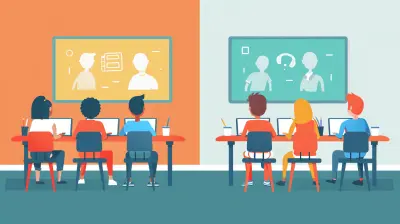
How Social Interaction Influences Learning Outcomes
29 June 2026
Ah, learning—every student’s favorite pastime, right? Who doesn’t love burying their nose in a textbook for hours on end, absorbing knowledge like a sponge in the ocean? (Spoiler alert: Almost nobody.) But here’s the thing—learning isn’t just about reading pages of dry material or memorizing useless facts you’ll probably forget by next Tuesday. Nope! The true magic happens when social interaction enters the equation.
Yep, talking to other humans can actually make you smarter. Shocking, right? Turns out, brains work better when they’re not stuck in isolation. So, let’s break down how a good-old-fashioned conversation—or even a heated debate—can turn you into an academic rock star! 
Why Learning In Isolation Is About As Exciting As Watching Paint Dry
Sure, self-study has its moments. Sometimes, locking yourself in a room with a cup of coffee and a pile of notes can be productive. But let’s be honest—after an hour of staring at the same sentence, even the most dedicated student starts questioning their life choices.When you learn alone, you’re limited to your own understanding and perspective. If you get stuck on a concept, you either Google it (and end up watching cat videos instead) or just accept your fate and move on. There’s no discussion, no alternative explanations—just you, your textbook, and an ever-growing sense of confusion.
Meanwhile, interacting with others adds a whole new dimension to learning. Conversations spark curiosity, questions lead to deeper understanding, and different perspectives challenge the way you think. Suddenly, a boring topic becomes a lively discussion. 
The Science Behind Social Learning (Yes, There’s Science!)
Social interaction isn’t just great for keeping you awake during study sessions—it’s backed by science! Psychologists and educators have been screaming from the rooftops about the benefits of social learning for years.Vygotsky’s Theory: Because Teamwork Makes The Dream Work
Ever heard of Lev Vygotsky? If not, don’t worry—I promise this isn’t a history lesson. Vygotsky was a psychologist who believed that learning is a social process. He introduced the concept of the Zone of Proximal Development (ZPD)—a fancy way of saying that people learn best when they’re slightly outside their comfort zone but still have guidance from others.Think about it like this: If you’re trying to learn how to ride a bike, you’ll probably struggle if you’re completely on your own. But with a friend holding the bike steady or showing you how it’s done? Boom—you’re a cyclist in no time.
The Brain Loves Socializing
Neuroscientists have found that human brains actually process information better when engaged in social activities. When you’re discussing ideas, debating topics, or even teaching someone else, your brain strengthens neural connections. In simpler terms? You remember stuff better when you talk about it.Ever noticed that explaining something to a friend suddenly makes it clearer in your own mind? That’s because teaching forces you to organize your thoughts and fill in gaps. So, next time you’re struggling with a concept, grab a study buddy and teach them—it might just save your grade. 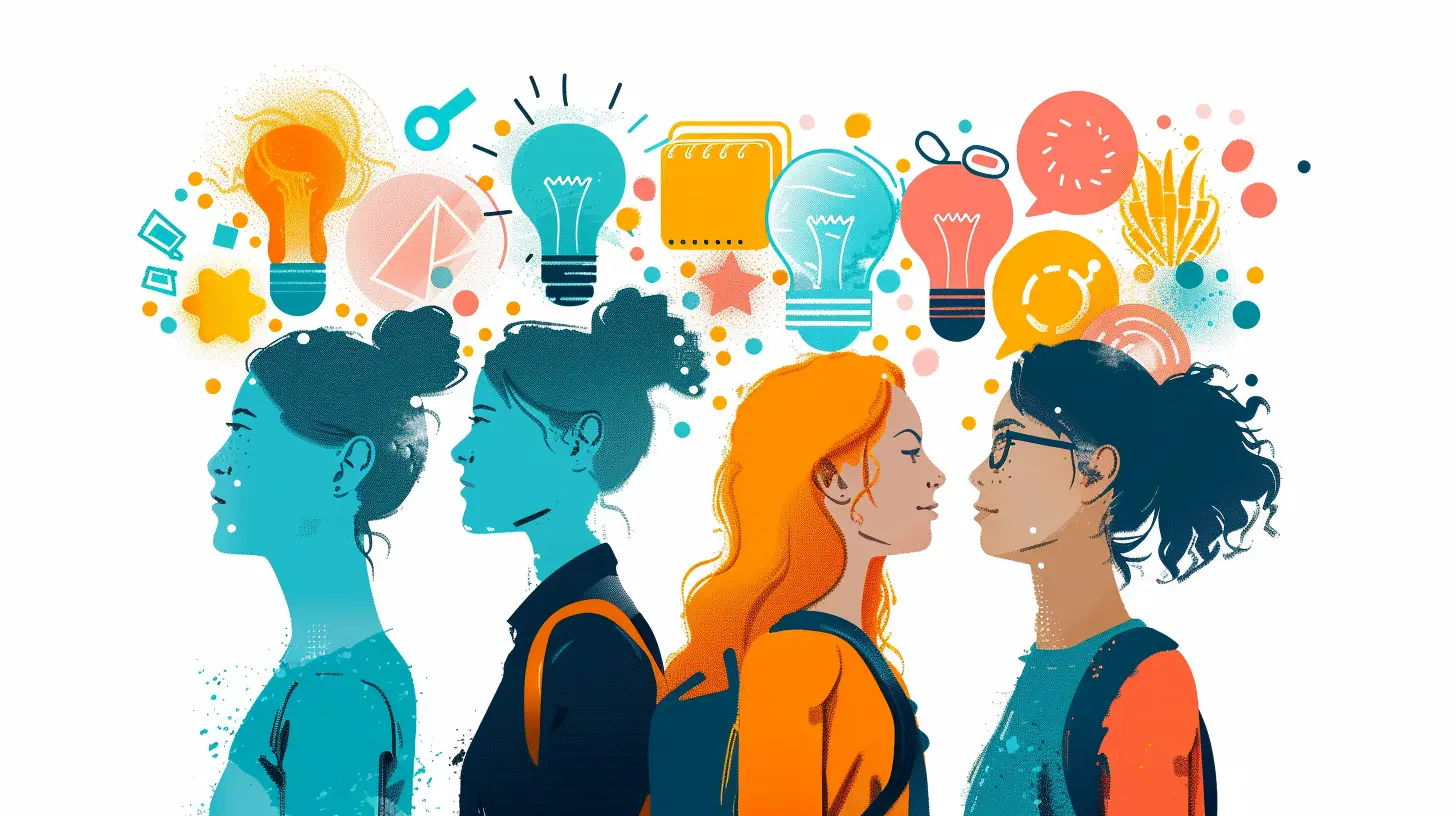
How Social Interaction Improves Learning Outcomes
So, we’ve established that socializing isn’t just for fun (although, let’s be honest, it’s way more entertaining than solo studying). But how exactly does interacting with others enhance learning?1. Discussions Force You to Think Critically
Ever had a debate where someone challenged your opinion, and suddenly you had to defend yourself like a lawyer on a high-profile case? That’s critical thinking in action!When you engage in discussions, you’re forced to analyze different viewpoints, refine your arguments, and sometimes even change your perspective (gasp!). It’s an intellectual workout that makes your brain sharper.
2. Learning Becomes Less Painful (And More Engaging!)
Let’s be honest—most of us have suffered through subjects that felt like pure torture (cough calculus cough). But when you study with a group, even the driest topics become bearable.Joking around, sharing real-life examples, or even turning something into a game makes learning gasp—dare I say—fun. And when you enjoy what you’re learning, you're more likely to retain the information.
3. Social Learning Fills Knowledge Gaps
No one (aside from maybe robots and child prodigies) knows everything. When you study with others, you get exposed to different ways of understanding and solving problems.Maybe you missed a key point in class that your friend caught. Or maybe you understand one topic really well but struggle with another that someone else excels at. By sharing knowledge, everyone benefits.
4. Collaboration Prepares You for Real Life
Hate to break it to you, but school isn’t just about memorizing facts—it’s supposed to prepare you for the real world. And guess what? The real world is all about teamwork.Whether you end up in a corporate job, running your own business, or working in any field, you’ll need to collaborate with others. Developing social learning skills now will give you a head start on navigating group projects, office meetings, and even life in general.
5. Motivation Levels Go Way Up
Have you ever noticed that when you study alone, your motivation disappears faster than a free pizza at a college party? That’s because self-study can feel overwhelming.But when you’re part of a group, there’s an element of accountability. You don’t want to be the one slacking off while everyone else is putting in the effort. Plus, seeing your peers succeed pushes you to do better. 
Ways To Incorporate Social Interaction Into Learning
Alright, so we’ve established that social interaction is the secret sauce of effective learning. But what if you don’t naturally have a study group or love socializing? No worries—there are plenty of ways to integrate it into your learning routine.Join or Create Study Groups
Find classmates who actually care about learning (yes, they exist) and set up regular study sessions. Bonus points if you make them fun—think Quizlet battles, mock debates, or even rewards for participation.Use Online Forums and Communities
Not a fan of in-person groups? No problem! There are countless online communities where students discuss topics, ask questions, and help each other out. Reddit, Discord, and even Facebook groups can be great for this.Engage in Peer Teaching
Teaching someone else is one of the best ways to reinforce what you’ve learned. Pair up with a friend and take turns explaining concepts to each other. If they don’t get it, you’ll be forced to find a better explanation (which, surprise, helps you understand it better too).Participate in Class Discussions
Okay, speaking up in class might not be everyone’s idea of fun, but it genuinely helps. Asking questions or contributing to discussions keeps your brain engaged and makes the material stick.Find a Mentor or Tutor
Having someone more experienced guide you can make all the difference. Whether it’s a teacher, tutor, or even an older student, getting one-on-one explanations can fill in gaps faster than struggling alone.Final Thoughts: Talk More, Learn More
At the end of the day, learning is a social process. Sure, cracking open a book is necessary, but real understanding comes from discussion, interaction, and collaboration. So next time you're struggling with a topic, don’t just sit there in silent misery—grab a friend, join a group, or start a conversation.Because, let’s face it—learning alone is overrated.
all images in this post were generated using AI tools
Category:
Educational PsychologyAuthor:

Eva Barker
Discussion
rate this article
1 comments
Victoria McDaniel
If you think learning is solo, you're missing the magic of conversation. Get social or get stuck!
June 29, 2026 at 4:44 AM
Eva Barker
Absolutely! Conversation sparks new ideas and enhances understanding. Engaging with others truly enriches the learning experience.