Flipped vs. Traditional: Which Classroom Model Works Best?
23 February 2026
Education isn't what it used to be—and that's not a bad thing. Over the past couple of decades, we've seen a shift in how knowledge is shared, tested, and absorbed. One trend that’s been making waves in recent years is the rise of the flipped classroom model. But that brings up a big question: Is it better than the traditional classroom we all grew up with?
If you’re a student, teacher, parent, or just someone curious about where education is headed, this article breaks down both teaching strategies, side-by-side. By the end, you’ll have a clearer understanding of what makes each model tick—and which one might just come out on top.
What is a Traditional Classroom?
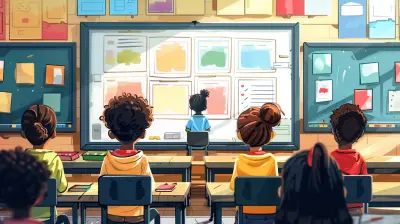
Before we flip anything, let’s look at the classroom model most of us are familiar with.In the traditional classroom, teachers stand at the front, deliver a lecture, and students listen (or try to). Lessons happen during school hours, and homework follows at home to reinforce what was covered. This model has been around for centuries—and for better or worse, it's what most people still picture when they think of school.
Pros of the Traditional Classroom
- Structure and routine. It's predictable, which some students need to stay focused.- Teacher-centered learning. The teacher guides the class, ensuring students stay on track.
- Easier classroom management. Everyone’s in the same physical space doing the same thing.
- Face-to-face interaction. Social learning and instant feedback are baked into the method.
Cons of the Traditional Classroom
- Passive learning. Students often sit and absorb rather than engage.- One size fits all. It doesn’t cater to different learning speeds or styles.
- Limited use of technology. Many classrooms still rely on textbooks and whiteboards.
- Homework struggles. Students may not fully understand the material when working solo.
What is a Flipped Classroom?
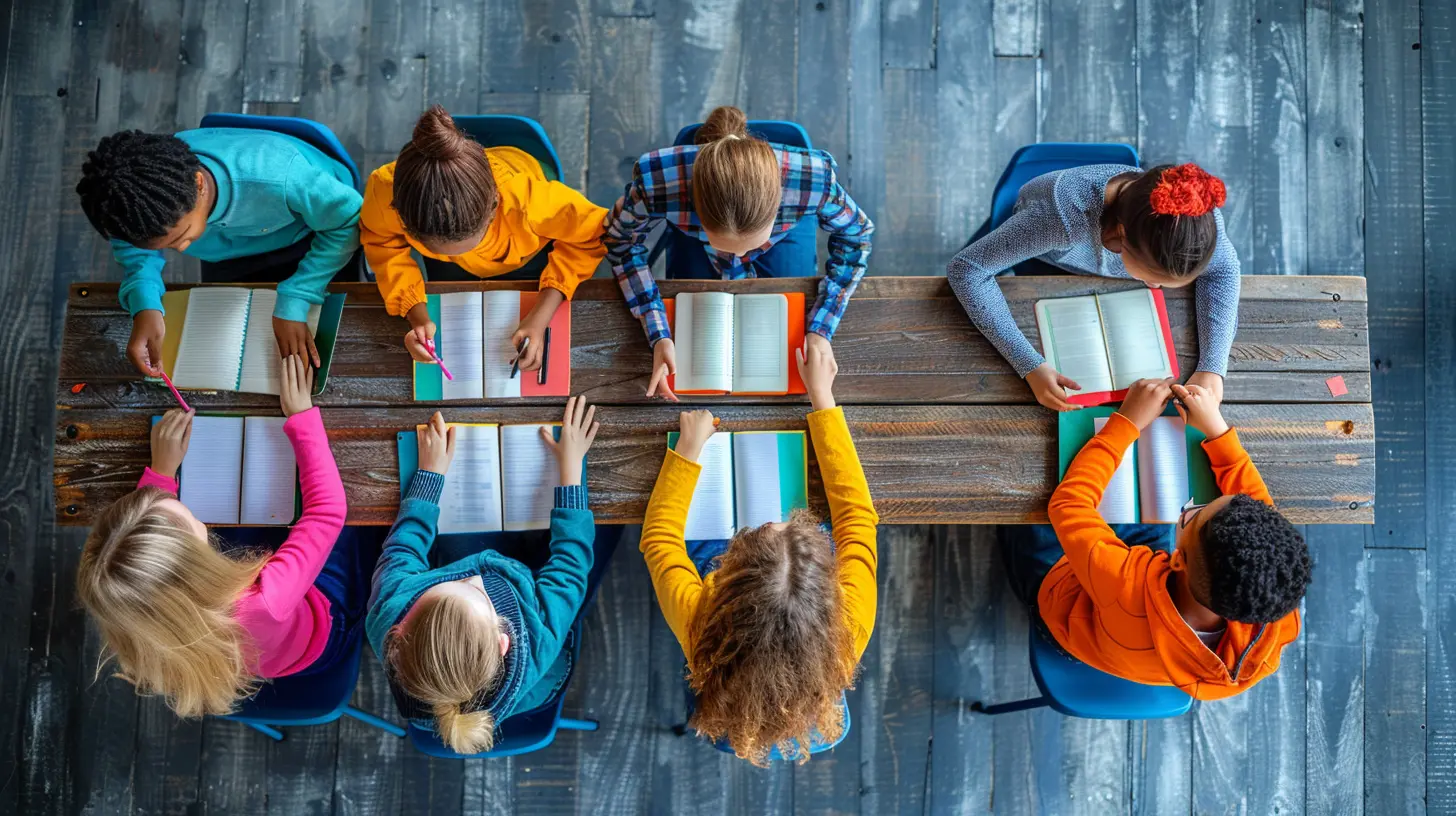
Now, let’s flip the script—literally.In a flipped classroom, students do what would traditionally be homework at school and what was traditionally lectured in class at home. Confused yet? Don’t worry, it’s not as complicated as it sounds.
Here’s how it usually works: Students watch pre-recorded lectures or go through reading materials before class. Then, when they come to school, they do the “homework” or practice activities during class time—with the teacher available to guide, not just talk.
Pros of the Flipped Classroom
- Active learning. Class time is spent solving problems, not just listening.- Self-paced content. Students can pause, rewind, and rewatch video lectures.
- More classroom interaction. Students collaborate, discuss, and apply their knowledge.
- Increased teacher availability. Teachers provide help when students need it most—during problem-solving.
Cons of the Flipped Classroom
- Access to technology. Not all students have reliable internet or devices at home.- Pre-class preparation is crucial. If students skip watching the lecture, they’ll be lost in class.
- Requires teacher effort upfront. Creating video content and planning activities takes time.
Key Differences Between Flipped and Traditional Classrooms
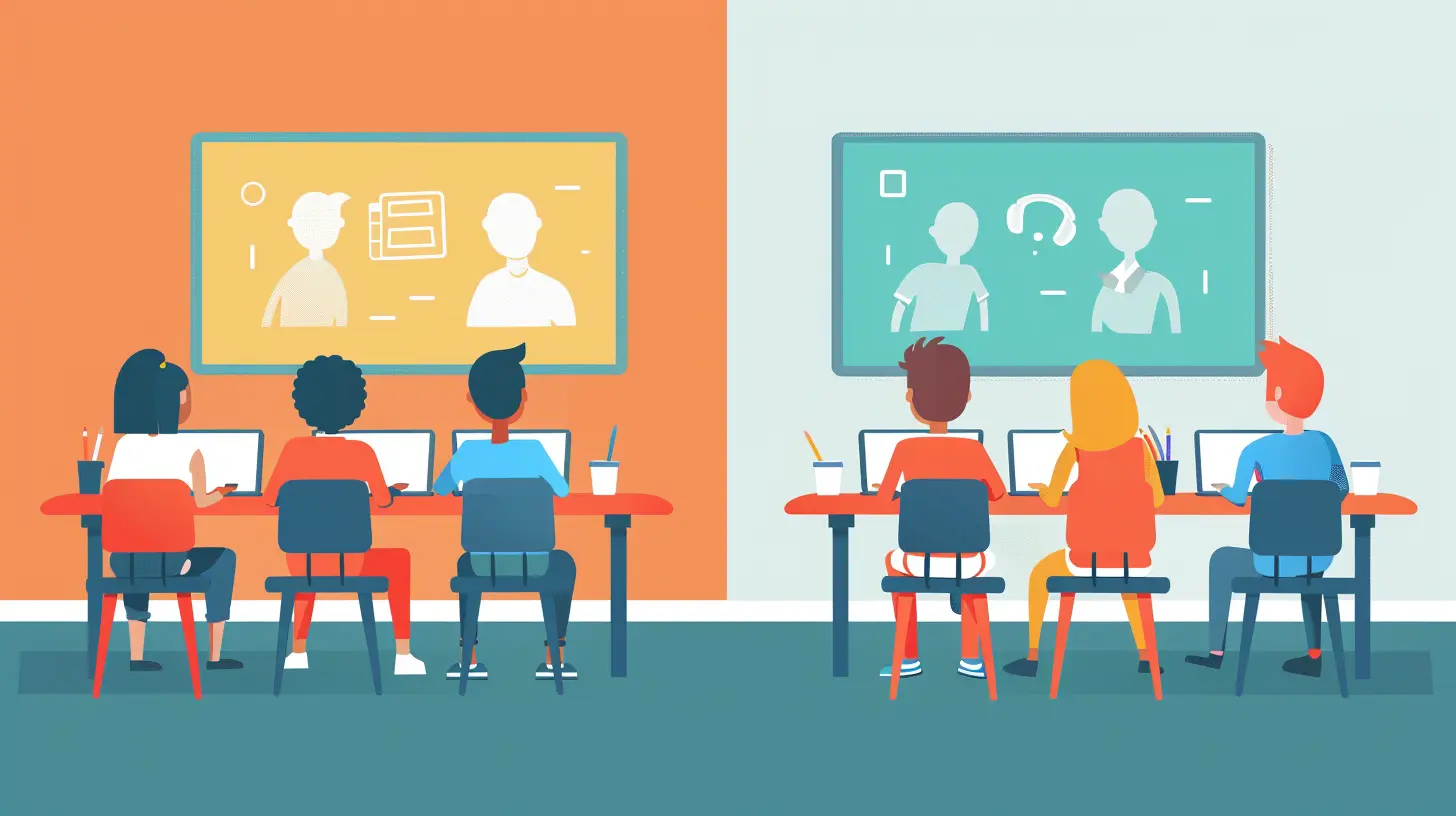
| Factor | Traditional Classroom | Flipped Classroom ||--------|-----------------------|-------------------|
| Lectures | During class | At home |
| Homework | At home | During class |
| Teacher Role | Knowledge deliverer | Facilitator and guide |
| Student Role | Passive listener | Active participant |
| Technology Use | Limited | High |
| Customization | Minimal | High (self-paced learning) |

Which Works Better for Different Learning Styles?
Let’s be real—students are not all the same. Some are visual learners, others are kinesthetic. Some love group work, others fly solo. So how do these models cater to different needs?Traditional Classrooms Suit:
- Auditory learners who benefit from listening to lectures.- Students who need structure and routine to thrive.
- Those without reliable tech access at home.
Flipped Classrooms Benefit:
- Visual learners who love diagrams, videos, and infographics.- Self-motivated students who enjoy taking control of their learning.
- Collaborative learners who flourish in hands-on group activities.
What Do Teachers Think?
Teachers are split. Some swear by the flipped model, praising how it boosts engagement and frees up time for deeper learning. Others find it tough to manage, especially when students come to class unprepared.One high school math teacher shared, “I love the flipped model because it turns my classroom into a workshop. My students solve real problems, and I get to support them when they need it most.”
Another said, “It’s hard to get everyone to do the pre-class work. If even a few students fall behind, the whole lesson can fall apart.”
So, it’s not a one-size-fits-all solution. It really depends on the group of students and the subject being taught.
Student Perspectives: Which Do They Like More?
Ask a group of students, and you'll hear mixed opinions.Some love the flipped model because it gives them control. Need to watch that tricky physics explanation five times? No problem. Others struggle with motivation. When there’s no teacher in the room to make you focus, it’s easy to zone out.
What often determines student preference is their learning style—and let’s be honest—their level of self-discipline.
How Do Outcomes Compare?
Now for the big question: Which model leads to better results?Studies have shown that flipped classrooms can improve:
- Grades
- Engagement
- Retention of material
- Critical thinking skills
But—and it’s a big 'but'—these benefits only show up when the flipped model is done right. That means students actually watch the materials before class and the in-class time is used effectively.
Traditional classrooms, while often seen as outdated, still produce solid outcomes. Especially when paired with effective teaching techniques, they’re far from obsolete.
Subjects That Favor Flipped Models
Not all classes fit the flipped model like a glove. It's especially powerful in:- STEM courses, where problem-solving is key
- Language learning, where in-person conversation is crucial
- Advanced subjects, where deeper discussion and analysis are needed
On the flip side, subjects that rely heavily on in-the-moment discussion or creativity (like drama or philosophy) might benefit more from traditional face-to-face teaching.
Can We Combine Both Models?
Why not take the best of both worlds?Some educators are blending traditional and flipped methods. For example, they might flip one or two lessons per week to boost engagement, while still keeping a structured routine for the rest. This hybrid approach can ease both students and teachers into the flipped world without a full commitment.
It’s like mixing old-school vinyl records with Spotify—you get the warmth of the old and the convenience of the new.
Barriers to Adopting the Flipped Model
Let’s not ignore the elephant in the room: Flipped classrooms sound great on paper, but they hit some real-world roadblocks.1. Digital Divide
Not every student has access to high-speed internet or a quiet place to study. This can widen education gaps, especially in low-income areas.2. Teacher Training
Creating engaging video content isn’t as easy as pressing ‘record.’ Teachers need training, tools, and time to make it work.3. Student Accountability
If students aren’t motivated or don’t have support at home, they may skip the prep work, leading to a chaotic class.These aren’t insurmountable problems, but they do need real solutions before flipping becomes the norm.
So… Which Model Wins?
Here's the honest answer: It depends.There’s no universal “best” model. Some students and subjects thrive in the traditional classroom. Others soar in a flipped environment. What matters most is how the model is implemented.
If you’re a parent or teacher trying to figure out what's best, take a close look at your child's or students' learning styles, resources, and motivation. Try a hybrid model and see what sticks. Education should be flexible, not fixed.
At the end of the day, whether it’s flipped or traditional, a great teacher and a motivated student can make any classroom a success.
Final Thoughts
Education is evolving, and that’s exciting. The flipped classroom is a bold step toward student-centered learning, but it’s not a magic bullet. Like any tool, it requires the right conditions to shine. Meanwhile, the traditional classroom still holds its ground, offering structure and familiarity.Maybe the future lies not in choosing one over the other but blending them to create a new kind of classroom—one that meets students where they are and pushes them forward, together.
So, flipped or traditional? The best model might just be the one that adapts to the learner.
all images in this post were generated using AI tools
Category:
Flipped ClassroomAuthor:

Eva Barker
Discussion
rate this article
2 comments
Greta McDermott
Great article! It’s fascinating to see the strengths of both models. Ultimately, the best approach may depend on individual student needs and learning styles.
March 7, 2026 at 3:34 AM
Eva Barker
Thank you for your insight! I completely agree that individual student needs and learning styles play a crucial role in determining the best classroom model.
Rex McCloud
Ultimately, the best classroom model depends on student needs and learning styles. Flexibility and adaptation are key to success.
February 27, 2026 at 3:29 AM
Eva Barker
Absolutely! Tailoring the classroom model to fit diverse student needs is essential for fostering effective learning. Flexibility ensures that all students can thrive.