"How Emotional Intelligence Prepares Students for Future Careers
14 March 2026
Let’s face it—most of us didn’t learn taxes, how to do laundry without turning our white shirts pink, or how to talk to people without sounding like a robot in school. But here's the kicker: one sneaky little skill could make all the difference in how students navigate life—and spoiler alert—it’s not algebra. It's Emotional Intelligence (EQ). 🎭
Now, before you yawn and scroll away thinking this is another fluffy “feelings” article, hold on. Because EQ isn’t just about crying during sad movies or giving your friends a pep talk. Nope. It’s about thriving in your future career, whether you're building the next social media empire or wrangling spreadsheets as a data wizard.
So, buckle up! We're diving into how emotional intelligence transforms mere mortals (a.k.a. students) into career superheroes. 🦸♀️🦸♂️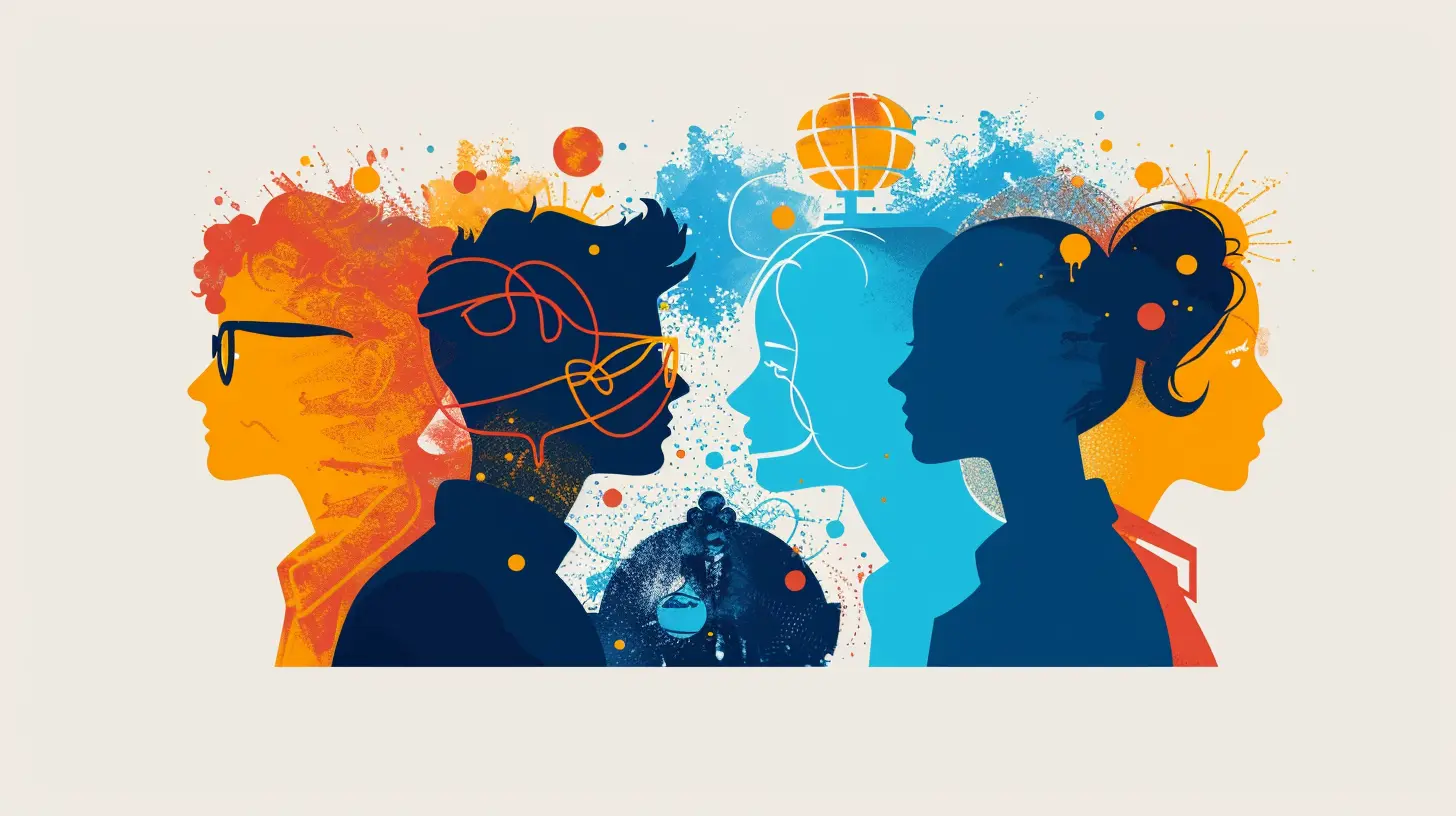
What is Emotional Intelligence Anyway?
Let’s break it down without turning this into a psychology lecture.Emotional Intelligence is basically your brain's way of saying, "Hey! I’m not just smart with numbers—I’m smart with people too." It’s your ability to understand, manage, and express your own emotions, AND to handle relationships empathetically.
Daniel Goleman (a.k.a. the EQ Guru) broke EQ down into five main parts:
1. Self-awareness – Knowing what you’re feeling and why.
2. Self-regulation – Keeping your cool when all you wanna do is scream.
3. Motivation – That fire in your belly that keeps you going even when Netflix is calling.
4. Empathy – Understanding what others are feeling, without needing a crystal ball.
5. Social skills – Not sounding like a potato in a group project.
Sounds simple? Maybe. But mastering EQ takes time, and it’s a total game-changer.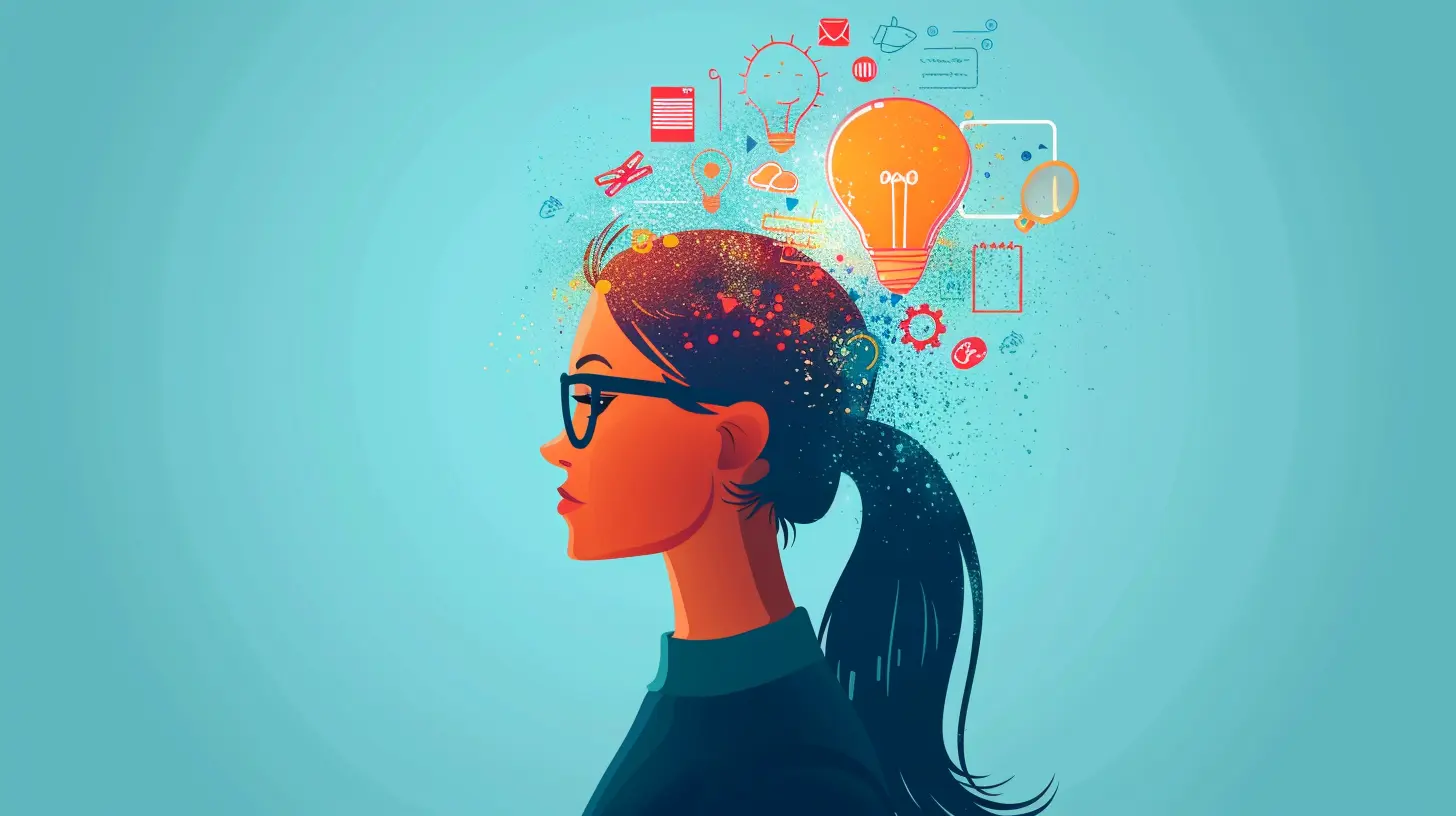
Why Should Students Even Care About Emotional Intelligence?
Okay, here’s the reality check—employers aren’t just looking for walking encyclopedias. They want people who can work in teams, handle pressure, adapt to change, and navigate workplace drama without causing a scene.A high GPA is cool and all, but if you can’t handle feedback or freak out every time someone disagrees with you, it’s going to be a bumpy ride. 🚗
Let’s put it in perspective:
👉 Ever seen someone absolutely brilliant but can't work with others?
👉 Or someone who's always "just being honest" but crushes everyone’s soul in the process?
👉 Better yet, tried group work with someone who ghosts the team and shows up last minute?
Yup. That’s low EQ in action. And nobody wants to work with that person.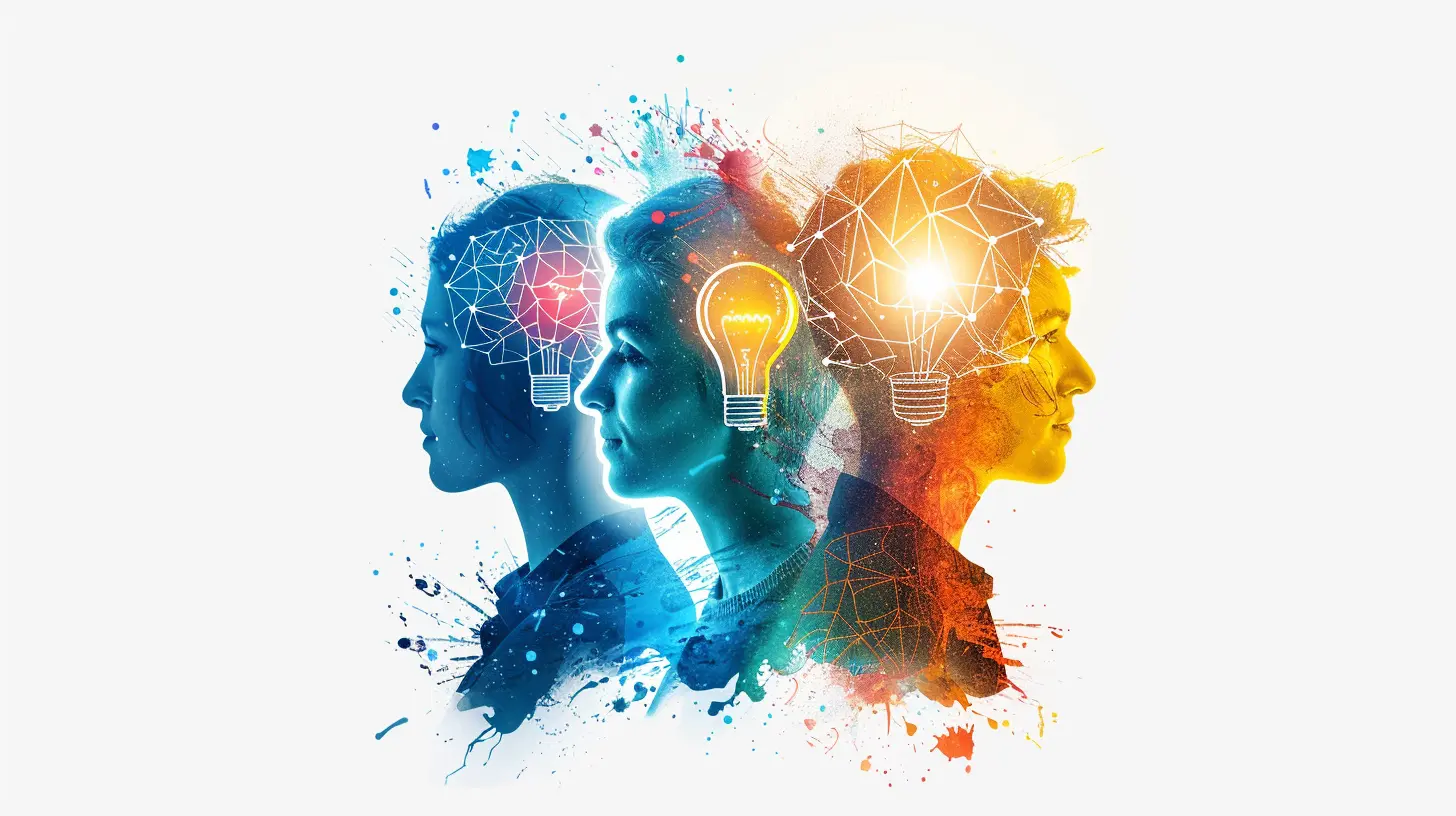
The Career-Ready Magic of Emotional Intelligence
Now to the tasty part. How does EQ actually prepare students for future careers? Grab a snack because we’re about to break this down like a late-night study session.1. Better Communication = Less Awkward Conversations
Whether you're presenting to your boss or just trying to explain why you accidentally CC’d the CEO on a meme chain—communication matters.EQ teaches students how to:
- Listen actively (instead of planning what to say next).
- Read the room (a.k.a. realizing when sarcasm isn't welcome).
- Express themselves clearly without starting drama.
In a world where emojis often replace actual words, being able to REALLY communicate is like having a superpower.
2. Conflict Resolution Without the Meltdown
Conflicts happen. Even in dream jobs with ping-pong tables and kombucha on tap.But instead of flipping desks or passive-aggressively slamming doors, emotionally intelligent students know how to:
- Stay calm during chaos 😌
- Understand both sides of the story
- Look for solutions, not blame
That’s pure gold in any workplace.
3. Leadership that Doesn’t Feel Like a Power Trip
You don’t have to be a manager to be a leader. EQ helps students show leadership through empathy, encouragement, and accountability.Think about it. Do you want to follow someone who barks orders or someone who understands your struggles and helps you level up?
Exactly.
4. Building Stronger Team Dynamics
High EQ students are the glue of any team.They’re the ones who:
- Notice when someone’s struggling (and offer help, not judgment).
- Inspire cooperation (instead of chaos).
- Balance humor and hustle (because who doesn’t love a good pun during group work?)
These students become the team members everyone secretly hopes they get paired with.
5. Adaptability in the Face of Change (A.K.A. Adulting)
Let’s be real—change is the only constant. Between new technologies, shifting industries, and unexpected life turns, being rigid won’t help.Emotional intelligence equips students with:
- Resilience to bounce back from failure (and not cry under their desk forever).
- Openness to feedback (even the kind that stings).
- The ability to handle uncertainty without spiraling into panic mode.
In short, EQ is the best GPS for navigating the bumpy terrain of adult life.
6. Decision-Making with a Human Touch
Ever met someone who makes decisions like a robot? Logical but cold? Not ideal when you’re working with, you know, actual people.EQ allows for:
- Ethical decision-making
- Consideration of emotional impact
- Knowing when to lead with logic and when to lean into empathy
It’s the magic combo of head and heart.
How Can Schools & Teachers Help Build EQ?
If schools had a class called “Feeling Things 101,” we’d all be better off. But even without formal coursework, EQ can be nurtured.Here’s how our education system can turn students into emotional ninjas:
- Encourage reflective writing – Journals aren’t just for angsty poetry.
- Model emotionally intelligent behavior – Teachers can’t just talk the talk.
- Incorporate group projects and real talk – Let students work through conflict (safely!).
- Offer SEL (Social Emotional Learning) programs – More breathing exercises, less busywork.
And hey, even something as simple as checking in on how students feel during the day? That’s a win.
Students, Here’s How You Can Boost Your EQ Today
Don’t wait until you're in a cubicle (or Zoom call) to start working on EQ. Here are some power moves to build emotional smarts now:1. Practice self-awareness – Check in with yourself like a nosy best friend. “Why am I feeling this way?” goes a long way.
2. Pause before reacting – Channel your inner Zen master 🧘♂️.
3. Listen to understand, not reply – Revolutionary stuff, I know.
4. Seek feedback – Yes, even the "ouch" kind.
5. Celebrate empathy – Try putting yourself in someone else’s shoes. (Figuratively. Nobody likes random foot-swapping.)
Emotional Intelligence: The Secret Sauce for the Future
We’re in an era where AI is writing emails, robots are flipping burgers, and self-driving cars are finally a thing (albeit slightly terrifying). So what sets humans apart?You guessed it. EQ. 👏
While machines handle tasks, people with emotional intelligence will be the ones leading, connecting, and creating workspaces that don’t feel like an episode of “The Office.”
In fact, according to the World Economic Forum, emotional intelligence is one of the top skills employers want by 2025. So yeah—it’s kind of a big deal.
TL;DR — Emotional Intelligence is the High-Key Career Hack
Let’s wrap it up like a burrito of brilliance:- EQ isn’t soft—it’s smart.
- Future jobs aren’t just about what you know, but how you work with others.
- Emotional intelligence helps students navigate relationships, stress, change, and communication like seasoned pros.
- It builds leaders, not just workers.
- The earlier students develop EQ, the smoother their career (and life) ride will be.
So whether you're studying marine biology, graphic design, or interpretive dance—emotional intelligence is your secret weapon. And hey, it might just help you survive your next awkward team project too.
all images in this post were generated using AI tools
Category:
Emotional IntelligenceAuthor:

Eva Barker
Discussion
rate this article
2 comments
Haven Lopez
Emotional intelligence equips students with essential skills for career success.
March 18, 2026 at 4:48 AM
Eva Barker
Absolutely! Emotional intelligence fosters key skills like empathy, communication, and resilience, which are crucial for navigating today's dynamic work environments and achieving career success.
Lena McVeigh
Emotional intelligence is essential; it shapes resilient, adaptable leaders ready to thrive in any career.
March 15, 2026 at 11:37 AM
Eva Barker
I completely agree. Emotional intelligence equips students with the skills to navigate challenges and foster positive relationships, vital for success in any career.