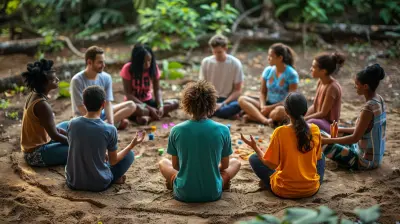
Handling Conflict in the Classroom: Best Practices for Teachers
28 February 2026
Let’s be real — no matter how awesome your classroom environment is, conflict happens. It’s inevitable. Whether it’s between students, or even between a student and a teacher, friction can spark unexpectedly. The good news? Conflict doesn’t have to be a classroom killer. In fact, if handled the right way, it can become an opportunity for growth, empathy, and stronger relationships.
In this article, we’re diving into the heart of classroom conflict management. You’ll get practical tips, proven strategies, and a better understanding of how to navigate tense situations with confidence and compassion. Ready to turn those classroom clashes into teachable moments? Let’s get into it.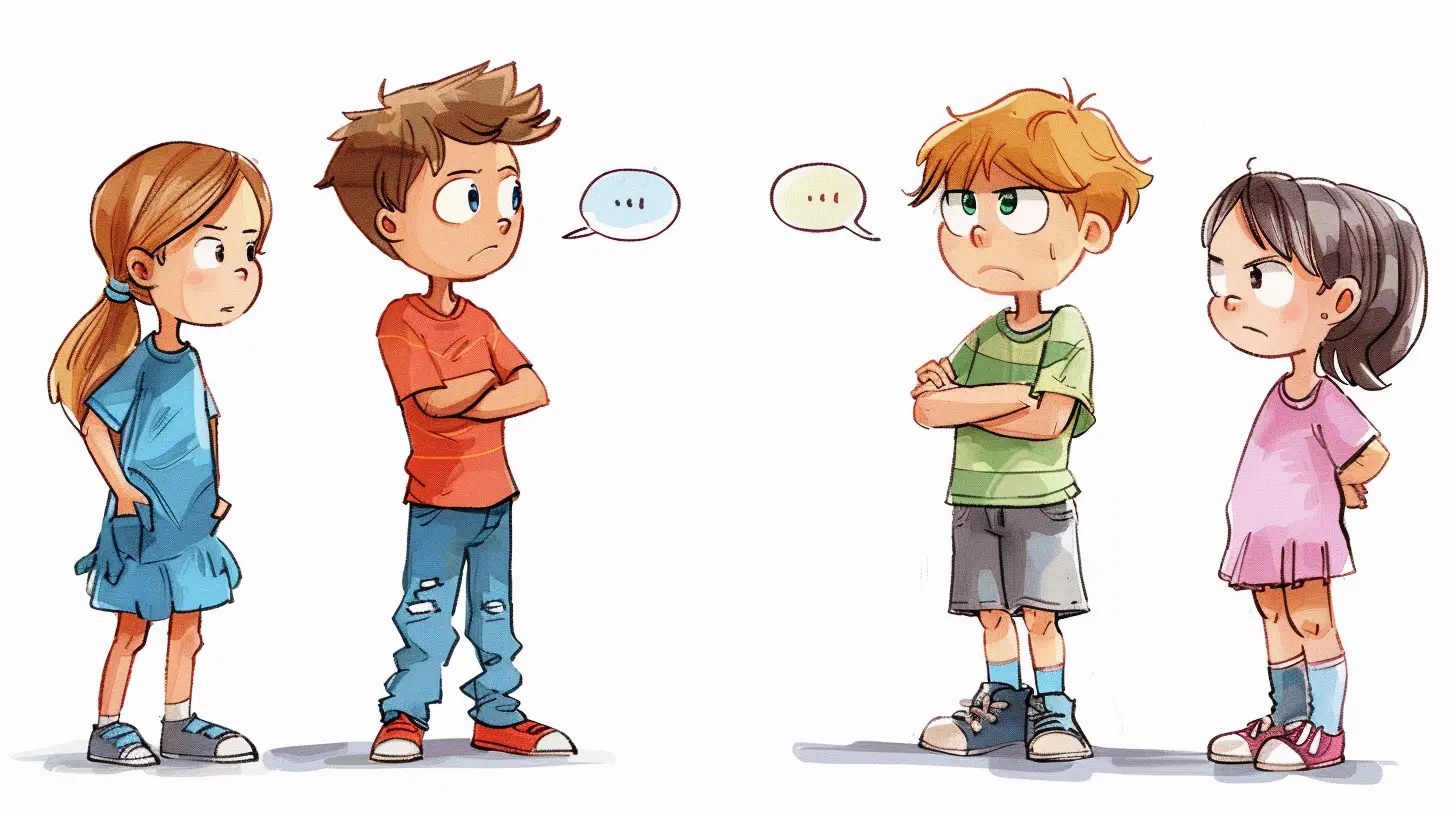
Why Conflict Happens in the Classroom
Before we jump into the “how,” let’s first talk about the “why.” If we understand the root causes of conflict, we’re already one step ahead when it’s time to handle them.Here are a few common reasons why conflicts pop up in classrooms:
- Different backgrounds and perspectives – Let’s face it, kids come from all sorts of home environments, and they bring their values, emotions, and experiences with them.
- Developmental stages – Younger students are still learning social skills, and older ones are testing boundaries. It’s totally normal.
- Miscommunication – Sometimes, it’s as simple as a misunderstood joke or a sarcastic comment taken the wrong way.
- Competition and jealousy – Whether it’s for the teacher’s attention or for the top grade, competition can get heated.
- Emotional stress – Kids have a lot going on outside of school. That stress can show up as anger or defiance in class.
Understanding these triggers helps teachers respond with empathy, rather than frustration.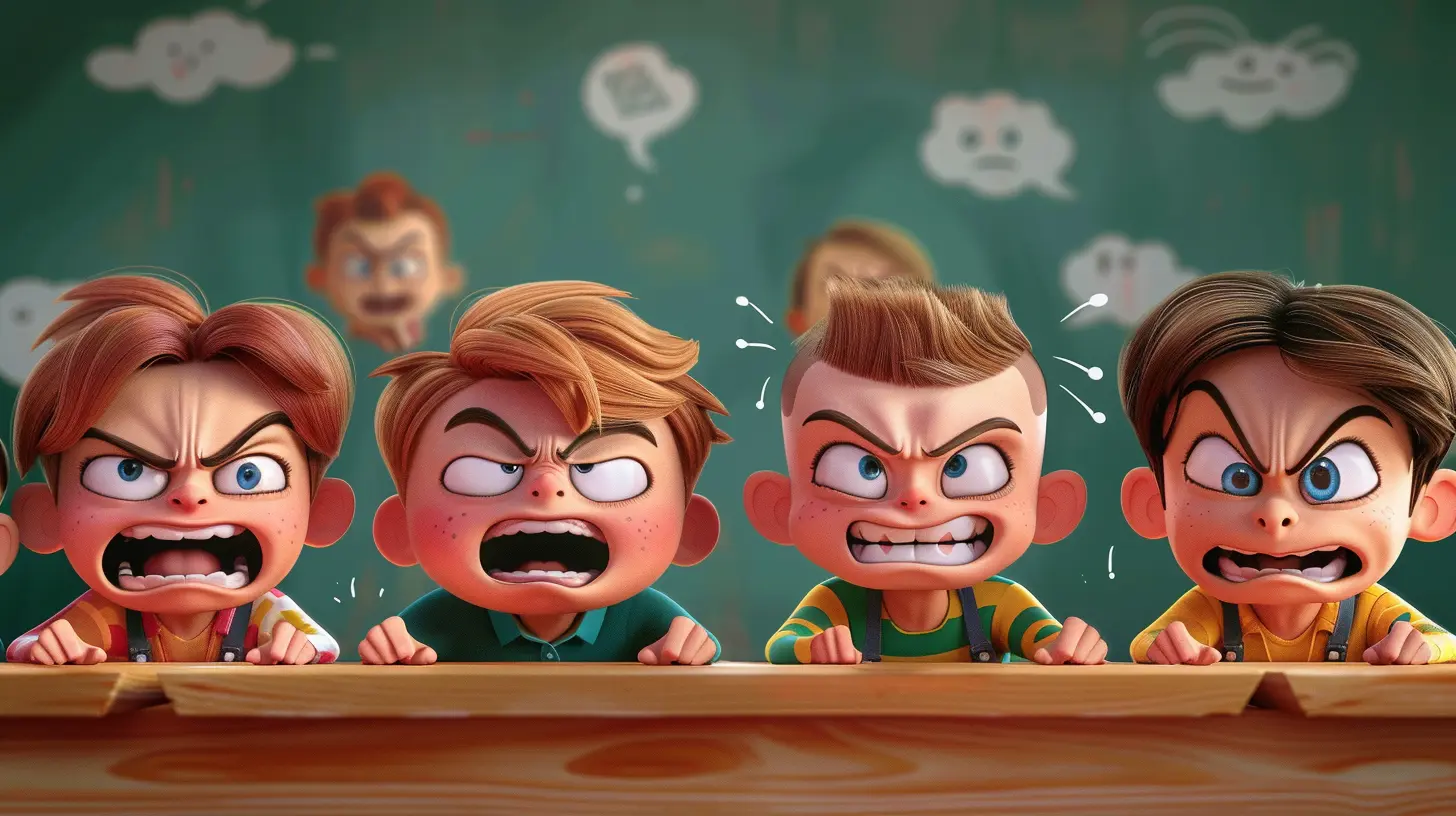
The Importance of Conflict Resolution in Education
Let’s be honest: ignoring conflict isn't a strategy — it's a ticking time bomb.Conflict resolution in the classroom isn’t just about keeping the peace. It’s about teaching vital life skills: communication, empathy, negotiation, and self-regulation.
When teachers guide students through the process rather than just punishing the behavior, they're doing more than solving today’s problem. They’re shaping tomorrow’s emotionally intelligent adults.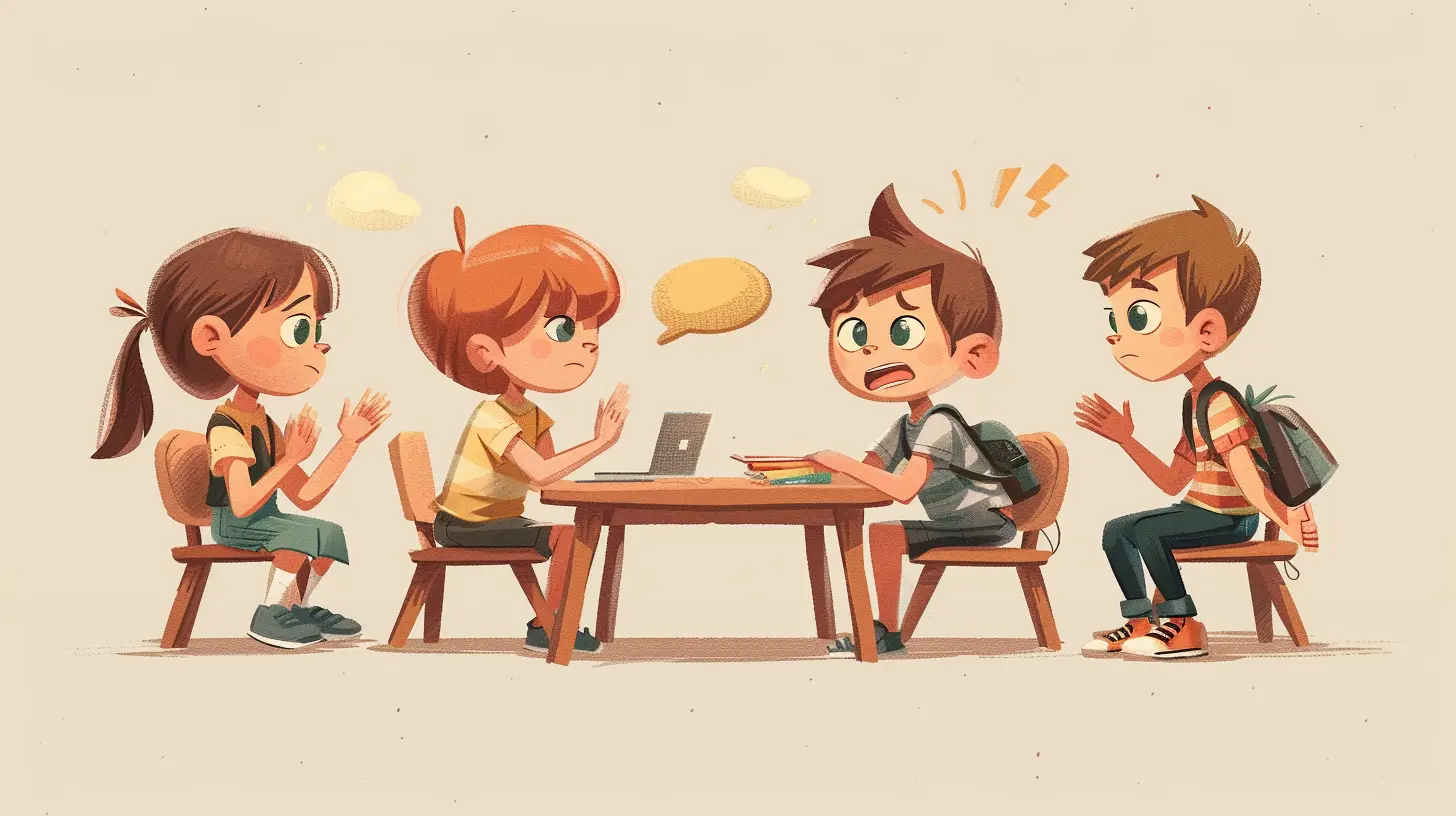
Best Practices for Handling Conflict in the Classroom
Now that we’ve covered the “why” and the “why it matters,” let’s get down to the good stuff — how to actually handle it.1. Stay Calm and Composed (Even When You Want to Scream)
Your emotional response sets the tone for everything that follows.When kids are yelling or being disrespectful, staying calm isn’t easy. But it’s crucial. Think of yourself as the thermostat in the room — if you stay cool, the temperature stays manageable. If you escalate, so does everyone else.
Pro Tip: Take a few deep breaths before reacting. Use a calm, steady voice, and maintain open body language. Students will mirror your energy.
2. Address the Conflict Sooner Rather Than Later
Don’t let problems simmer. Unresolved conflicts tend to grow, not fade.If you overhear a heated comment or notice tension between students, step in sooner than later. You don’t have to make a spectacle — sometimes a private chat works best — but don’t sweep it under the rug.
Why it matters: Nipping it in the bud prevents small misunderstandings from becoming big blowouts.
3. Listen First, Talk Later
We often jump into “fix-it” mode, but the best first step? Listening.Give everyone a chance to share their side. And really listen — not just for their actions, but also their emotions. Sometimes students are just looking to be understood.
Try saying: “Help me understand what happened from your point of view.”
This opens the door for reflective conversation instead of defensive back-and-forth.
4. Create a Classroom Culture of Respect
Prevention beats cure — every time.Build a positive classroom culture where kindness, respect, and empathy are the norm. Set clear expectations early on, model respectful behavior, and celebrate positive interactions.
It’s like planting a garden — if you nurture the soil with values, the weeds (aka conflict) have a harder time growing.
Ideas to try:
- Use class meetings to talk about emotions and empathy.
- Role-play conflict resolution scenarios.
- Have a “peace corner” where students can cool off.
5. Teach Conflict Resolution Skills Explicitly
Just like math or reading, conflict resolution is a skill — not something kids pick up automatically.Show students how to express themselves without blame, how to listen actively, and how to find a win-win solution.
Simple conflict resolution steps for students:
1. Cool off.
2. Use “I” statements (e.g., “I felt hurt when…”).
3. Listen without interrupting.
4. Brainstorm a fair solution together.
5. Agree on next steps.
Practice these in class! Try mock role-plays — not every kid’s favorite, but super effective.
6. Don’t Pick Sides — Be the Mediator
Your role isn’t to be the judge; it’s to be the guide.Avoid siding with one student over another, even if it seems obvious who’s “right.” Doing so can create resentment and deepen the divide.
Instead, get curious. Ask open-ended questions, and help both sides understand each other’s perspectives.
Think of yourself as a translator between two people speaking different emotional languages.
7. Know When to Step Back
Not every conflict needs teacher intervention.If you’ve created space for students to solve smaller disagreements on their own, let them. Giving them autonomy builds confidence and problem-solving skills.
But keep an eye out. If things get disrespectful, physical, or emotionally harmful, that’s your cue to step in.
8. Use Restorative Practices Over Punishment
We’ve all been there — a student blows up and your instinct is to hand out a detention. But punishment doesn’t always lead to change. In fact, it can make things worse.Restorative practices focus on repairing harm and restoring relationships.
Ask reflective questions instead of giving orders:
- “What were you thinking at the time?”
- “Who was affected by what happened?”
- “What can you do to make things right?”
This approach teaches responsibility over rebellion.
9. Collaborate with Parents and Staff
You’re not in this alone. When conflict escalates, loop in others who can help.Parents, counselors, and fellow teachers can offer insight and support. Don’t wait until it’s a full-blown crisis. Keep the lines of communication open.
Pro tip: Frame conversations around shared goals — everyone wants what's best for the student.
10. Reflect, Rewind, and Re-Strategize
When the dust settles, take a moment to think: What went well? What could’ve gone differently? Each conflict is a learning opportunity — not just for students, but for you too.Journaling your thoughts or talking it through with a mentor helps you refine your conflict management style over time.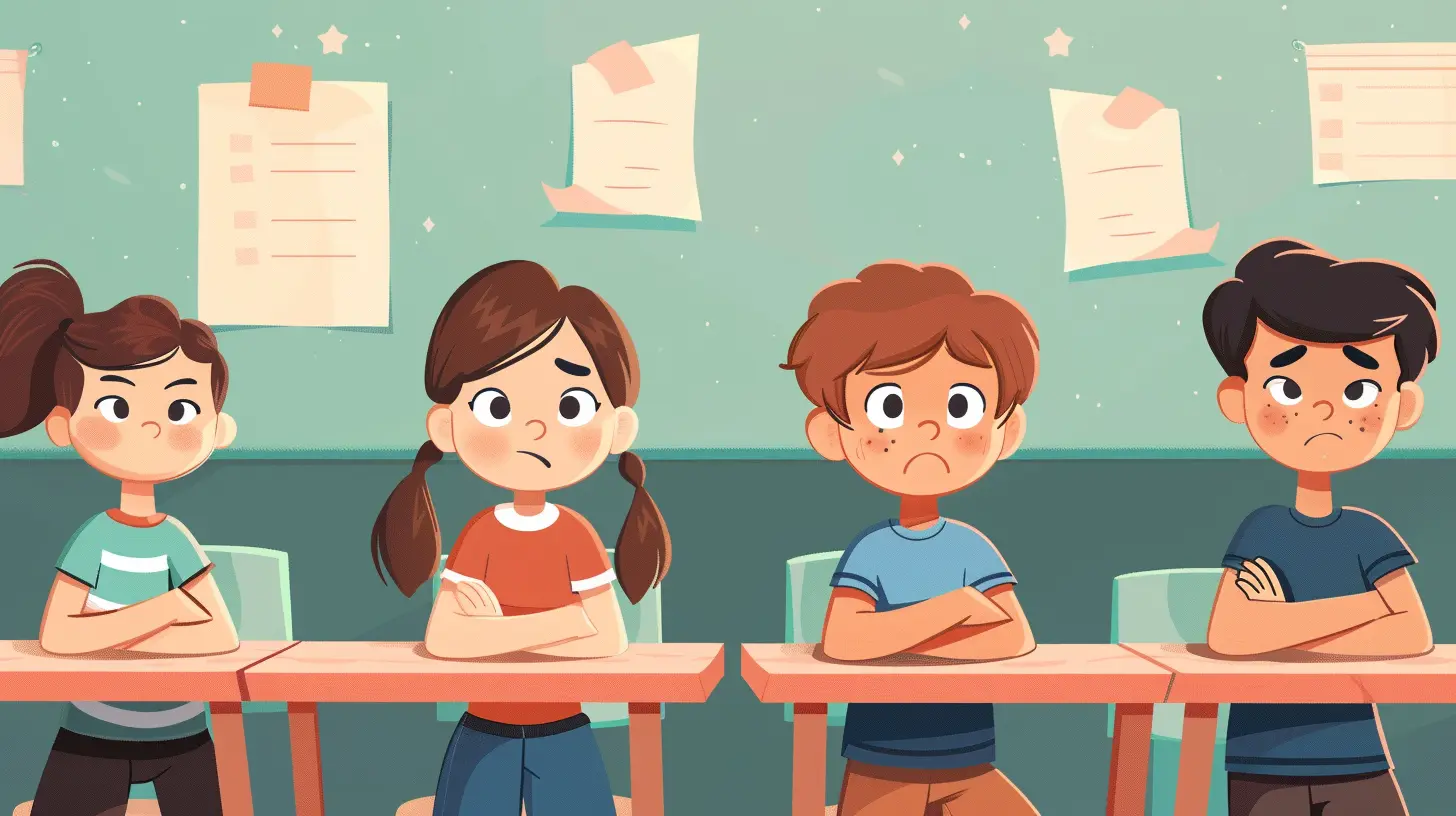
What About Student-to-Teacher Conflict?
Yep, that happens too — and it can be tough. When a student challenges your authority or lashes out, it’s easy to take it personally. But try to remember: students often act out when they feel out of control.The key here is to balance firmness with empathy. Acknowledge their emotions, but stick to your boundaries.
Try saying something like: “I want to understand why you’re upset, but I can’t let you speak to me that way. Let’s talk when we’re both calm.”
This keeps the door open without letting disrespect slide.
Creating a Long-Term Conflict Management Plan
Consistency is everything. A one-time strategy won’t cut it. What you need is a long-term classroom plan. Here’s how to build it:1. Have clear rules and expectations posted and reviewed regularly.
2. Build strong relationships with your students — they’re less likely to lash out at someone they trust.
3. Use SEL (Social Emotional Learning) activities to teach emotional awareness.
4. Establish routines that create a sense of safety and predictability.
5. Find your calm-down strategies so you’re ready when chaos comes knocking.
Final Thoughts: Turning Conflict into Connection
Conflict in the classroom isn’t a sign of failure — it’s a sign of humanity. You’re working with dynamic, emotional, curious little humans who are testing limits and figuring things out.Your role is part teacher, part coach, part peacekeeper. And while it’s challenging, it’s also deeply rewarding.
Every time you help a student navigate a dispute in a healthy way, you’re giving them a skill that will serve them for life. Not bad for a day’s work, right?
all images in this post were generated using AI tools
Category:
Classroom ManagementAuthor:

Eva Barker
Discussion
rate this article
2 comments
Stacey Larsen
Great tips for tackling classroom conflicts!
March 8, 2026 at 3:56 AM
Eva Barker
Thank you! I'm glad you found the tips helpful!
Zorina Vance
This article offers valuable insights into managing classroom conflicts effectively. I appreciate the emphasis on empathy and communication; these tools can truly transform challenging situations. It’s a reminder that fostering a positive environment is essential for both students and teachers. Thank you for sharing these best practices!
March 1, 2026 at 11:43 AM
Eva Barker
Thank you for your thoughtful feedback! I'm glad you found the insights on empathy and communication valuable for creating a positive classroom environment.