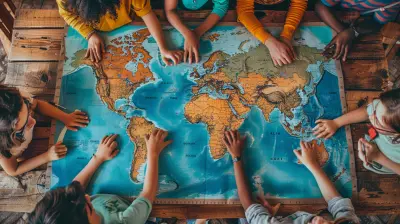
Global Literacy Initiatives: Combating Illiteracy Across Borders
28 May 2026
Literacy is more than just the ability to read and write; it's a fundamental skill that empowers individuals, strengthens communities, and drives economic and social progress. Yet, millions of people worldwide, particularly in underprivileged regions, still lack access to basic education. Fortunately, global literacy initiatives are stepping up, working tirelessly to bridge this gap and ensure that everyone, regardless of their background, has a fair shot at a brighter future.
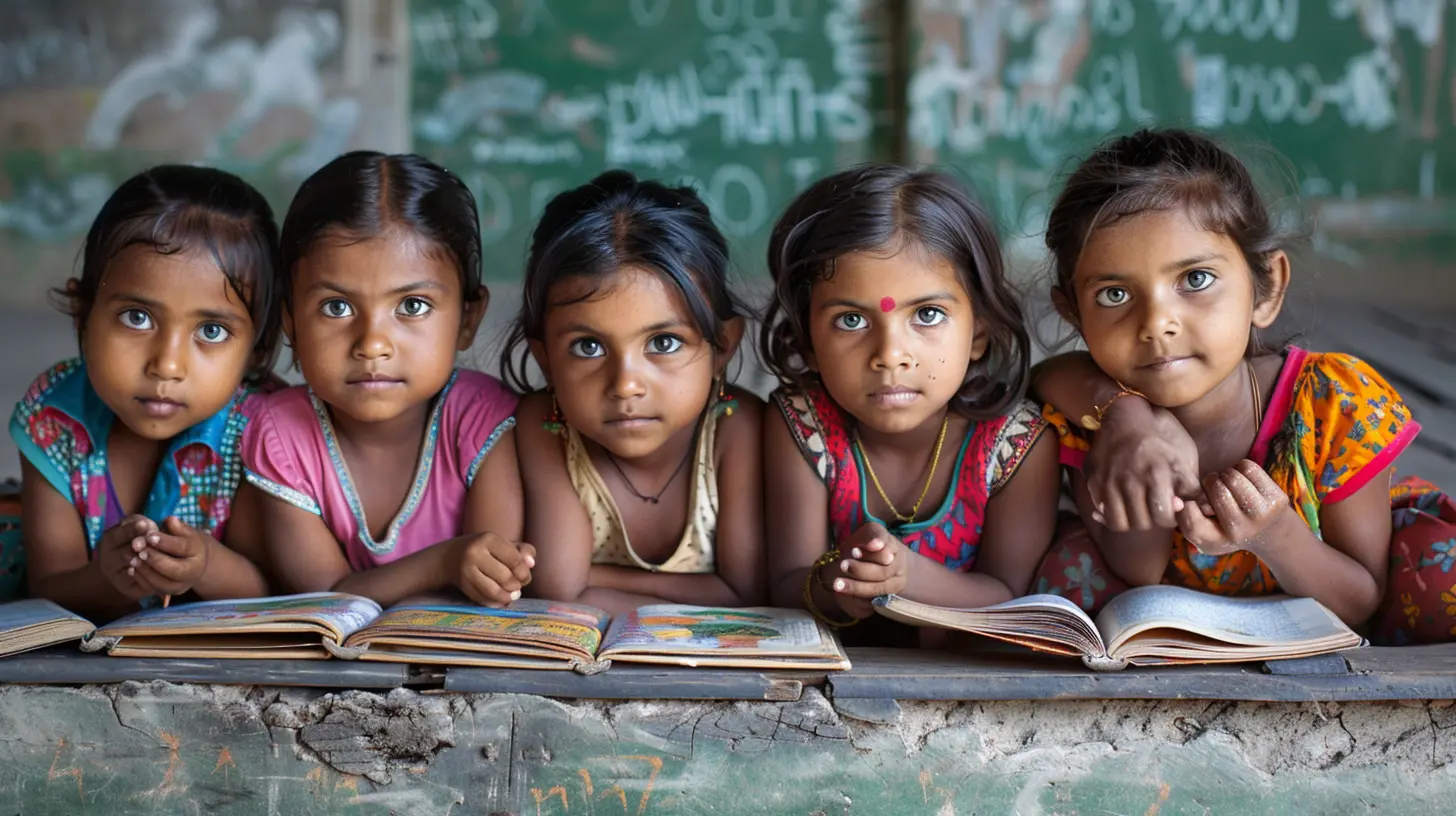
Understanding the Global Literacy Crisis
Before we dive into solutions, let's grasp the scale of the problem. According to the UNESCO Institute for Statistics, approximately 773 million adults worldwide lack basic literacy skills, with women making up nearly two-thirds of this number. This crisis isn't just about education; it affects employment, healthcare, and even political engagement.Why Does Illiteracy Persist?
There are several reasons why illiteracy remains a challenge:- Lack of Access to Education – Millions of children don’t attend school due to poverty, conflict, or gender discrimination.
- Poor Educational Infrastructure – Many regions lack trained teachers, quality learning materials, and even proper school buildings.
- Economic Barriers – Families facing financial struggles often prioritize work over schooling for their children.
- Political Instability & Conflicts – Wars and displacement disrupt education systems, leaving generations without proper learning opportunities.
Now, let's explore the initiatives fighting to turn the tide.
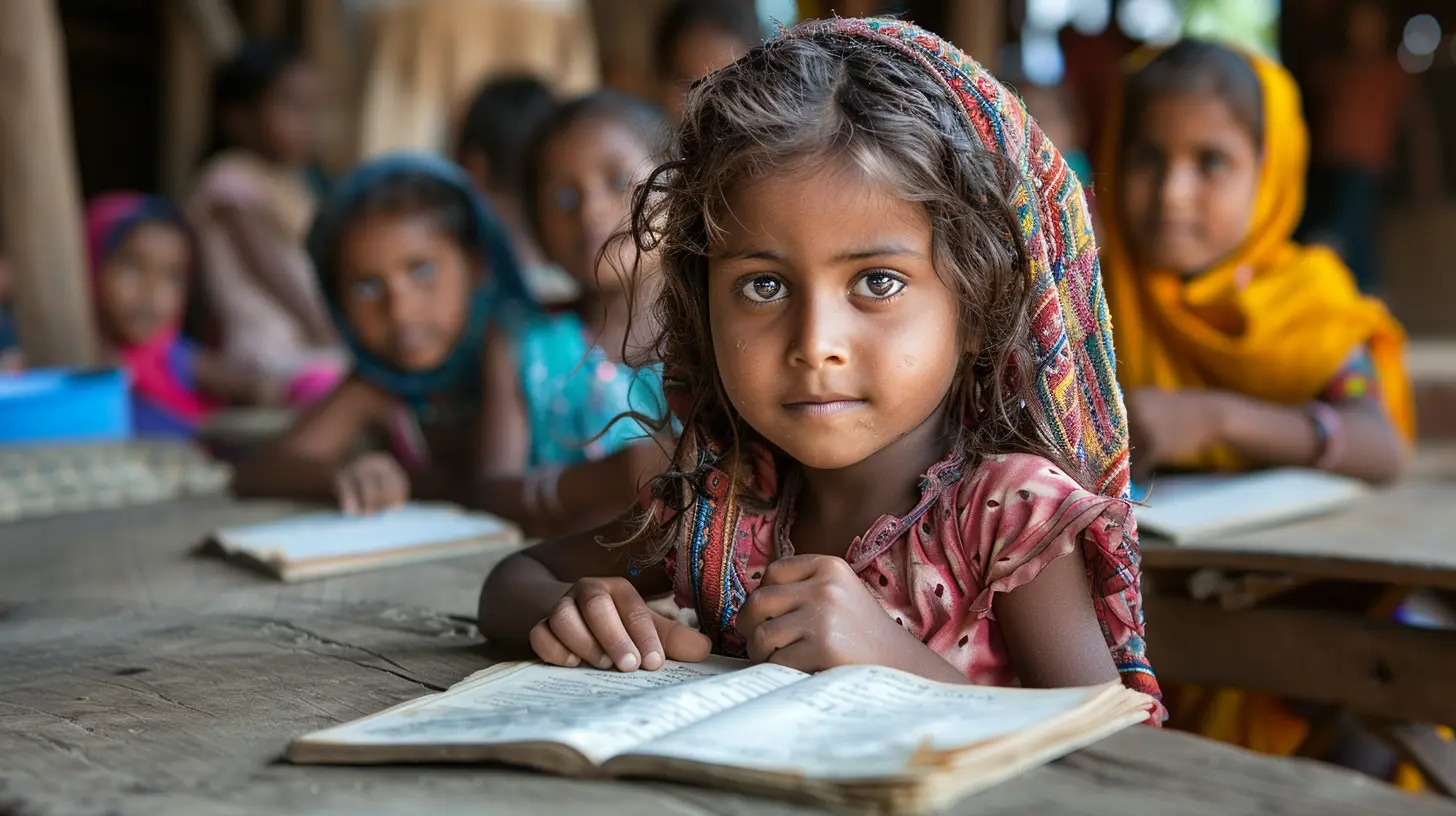
Major Global Literacy Initiatives
Different organizations, governments, and non-profits are working relentlessly to combat illiteracy. Some of the most remarkable literacy programs include:1. UNESCO’s Global Education Monitoring (GEM) Report
UNESCO plays a pivotal role in promoting literacy across the globe. Its GEM Report tracks educational progress and provides policy recommendations to governments and stakeholders. By analyzing data, UNESCO helps shape strategies that tackle literacy issues at their roots.2. World Literacy Foundation (WLF)
The World Literacy Foundation focuses on fighting illiteracy by providing educational resources, teacher training, and digital learning platforms. Their Sun Books initiative, for instance, delivers solar-powered tablets preloaded with educational content to children in remote communities.3. Room to Read
This non-profit believes that "world change starts with educated children." Room to Read operates in various developing countries, improving literacy and gender equality in education. Their Reading Program provides books, reading materials, and trained educators to enhance early childhood literacy.4. Dolly Parton’s Imagination Library
Famous singer Dolly Parton isn’t just a music icon—she’s also a literacy champion. Her Imagination Library sends free books to children from birth to age five, encouraging early literacy and a lifelong love for reading. Since its inception, it has donated over 200 million books worldwide.5. Global Partnership for Education (GPE)
The GPE works with governments in developing nations to strengthen education systems. By funding education programs and infrastructure, they make literacy more accessible across the globe.6. Pratham’s ‘Read India’ Movement
In India, Pratham is making waves with its Read India campaign. This grassroots initiative focuses on improving reading levels among underprivileged children through community-driven learning methods.7. The Library Project
This initiative provides books, libraries, and reading corners to schools and orphanages in developing countries. By improving access to reading materials, it encourages literacy development in underserved communities.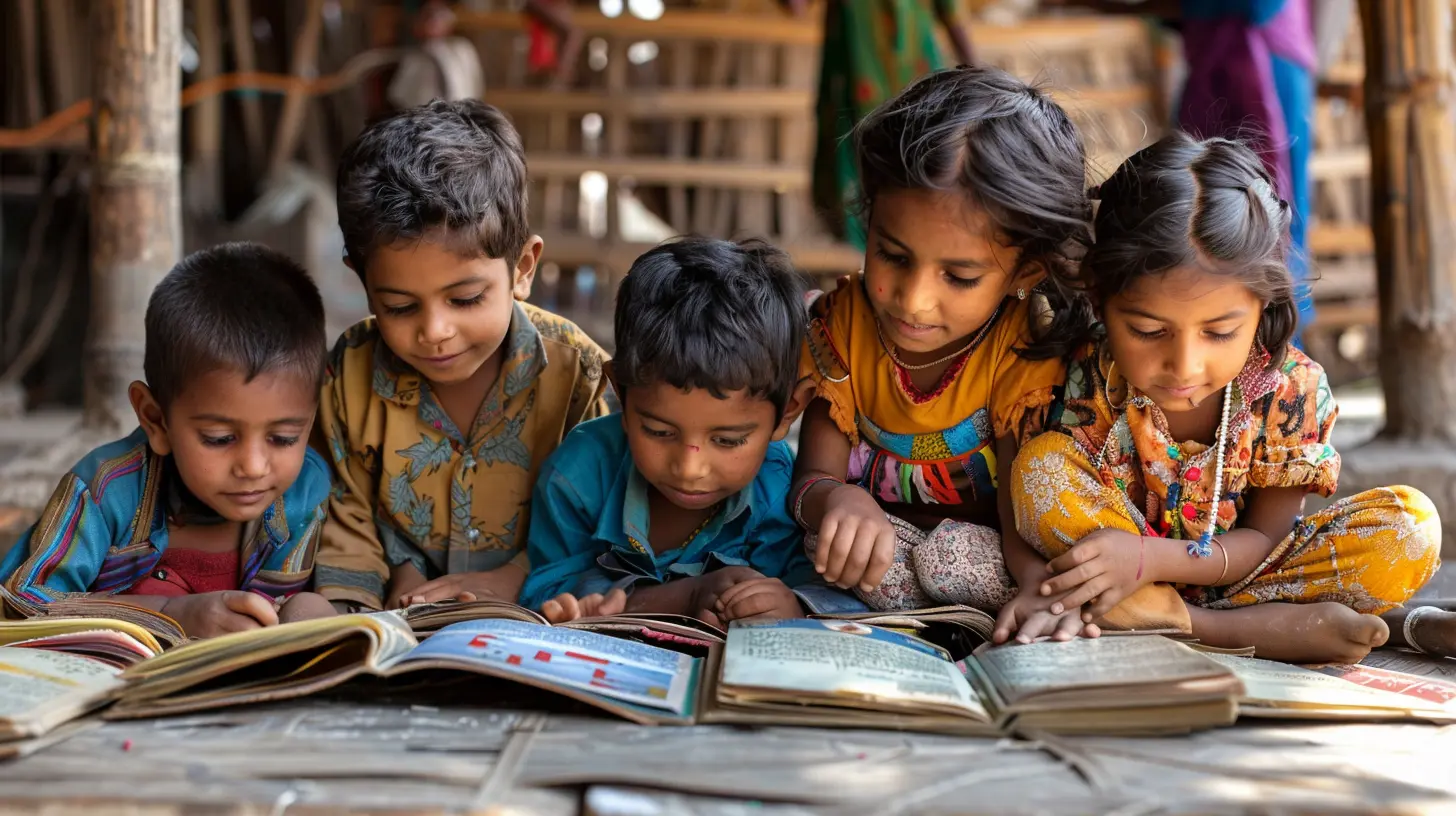
Challenges in Implementing Literacy Programs
Despite these efforts, challenges remain. Some of the most significant barriers literacy initiatives face include:1. Cultural Resistance
In some societies, education—especially for girls—is not a priority. Deep-seated traditions and beliefs can hinder literacy efforts, requiring social change efforts alongside educational programs.2. Funding Shortages
Many literacy programs rely on donations and government funding. Unfortunately, economic downturns and shifting political priorities often lead to budget cuts, leaving these initiatives struggling to survive.3. Language Barriers
Many literacy programs operate in global languages like English or French, which may not always align with indigenous languages. Literacy materials must be available in native languages to be truly effective.4. Technological Gaps
With technology driving modern education, access to digital learning tools remains limited in many rural areas. Lack of internet access, electricity, and devices can hinder literacy progress.
The Role of Technology in Boosting Literacy
Technology has become a game-changer in the fight against illiteracy. Here’s how digital innovations are making an impact:1. E-Learning Platforms
Apps like Duolingo, Khan Academy, and Coursera offer free courses that help millions improve literacy skills from anywhere in the world.2. Mobile Learning
With the increase in global mobile phone usage, literacy apps are now reaching marginalized communities. Programs like Cell-Ed provide text and voice-based learning for low-literacy adults.3. AI-Powered Literacy Tools
AI-based apps like Google's Read Along use speech recognition technology to assist children in reading, making learning more interactive and effective.4. Open Educational Resources (OERs)
Accessible digital libraries, such as Worldreader, provide free educational books to students in resource-limited areas.How You Can Contribute to Global Literacy
You don’t have to be a teacher or policymaker to make a difference. Here’s how anyone can contribute:1. Donate Books & Educational Resources
Many literacy programs seek donations of books, school supplies, and digital learning tools. Your old books could fuel someone else’s education.2. Support Literacy Organizations
Financial contributions to literacy-focused organizations help fund essential programs and reach more people in need.3. Volunteer as a Tutor
Many organizations offer remote tutoring programs where volunteers help children and adults improve their reading and writing skills.4. Raise Awareness
Use your voice—whether through social media, blogs, or in your community—to promote the importance of literacy and advocate for better education policies.5. Encourage a Reading Culture
Whether at home or in your community, promoting reading and storytelling can create a lifelong love for books among children and adults alike.
The Road Ahead: What More Needs to Be Done?
While global literacy efforts have made significant strides, the battle isn’t over. Governments, organizations, and communities must work collaboratively to:- Invest in teacher training to ensure quality education.
- Develop inclusive policies that prioritize education for marginalized groups.
- Expand digital learning access in rural and low-income areas.
- Encourage local-language literacy programs to make learning more relatable.
Literacy isn’t just a privilege—it’s a right that unlocks countless opportunities. By continuing to push for widespread literacy, we pave the way for a more informed, empowered, and prosperous world.
all images in this post were generated using AI tools
Category:
Global EducationAuthor:

Eva Barker
Discussion
rate this article
1 comments
Rebecca McFarlane
Global literacy initiatives play a crucial role in bridging educational divides. By addressing cultural, economic, and technological barriers, these programs empower individuals and communities, fostering lifelong learning and contributing to social and economic development across borders. The impact is profound.
June 20, 2026 at 2:51 AM
Eva Barker
I appreciate your insights. Global literacy initiatives not only break down barriers but also create lasting change in communities. Their impact truly is profound.