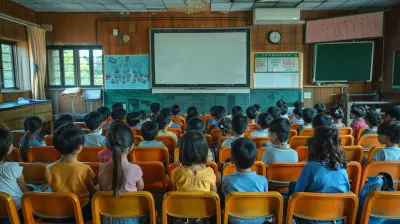
Flipped Classroom: A Modern Approach to Active Learning
10 August 2026
Ever sat through a lecture wondering why you couldn’t just watch the video at home and spend class time actually doing stuff? Well, that’s basically the idea behind the flipped classroom. This modern twist on traditional teaching flips the way we think about learning. Instead of passively soaking up information in class and struggling alone through homework later, students do the “learning” at home and the “doing” in class.
Sounds like common sense, right? That’s because it kind of is. But this shift is more than just swapping homework and lectures—it’s about creating a more engaging, supportive, and student-centered learning environment. So let’s break it down and see why the flipped classroom has become such a hot topic in modern education.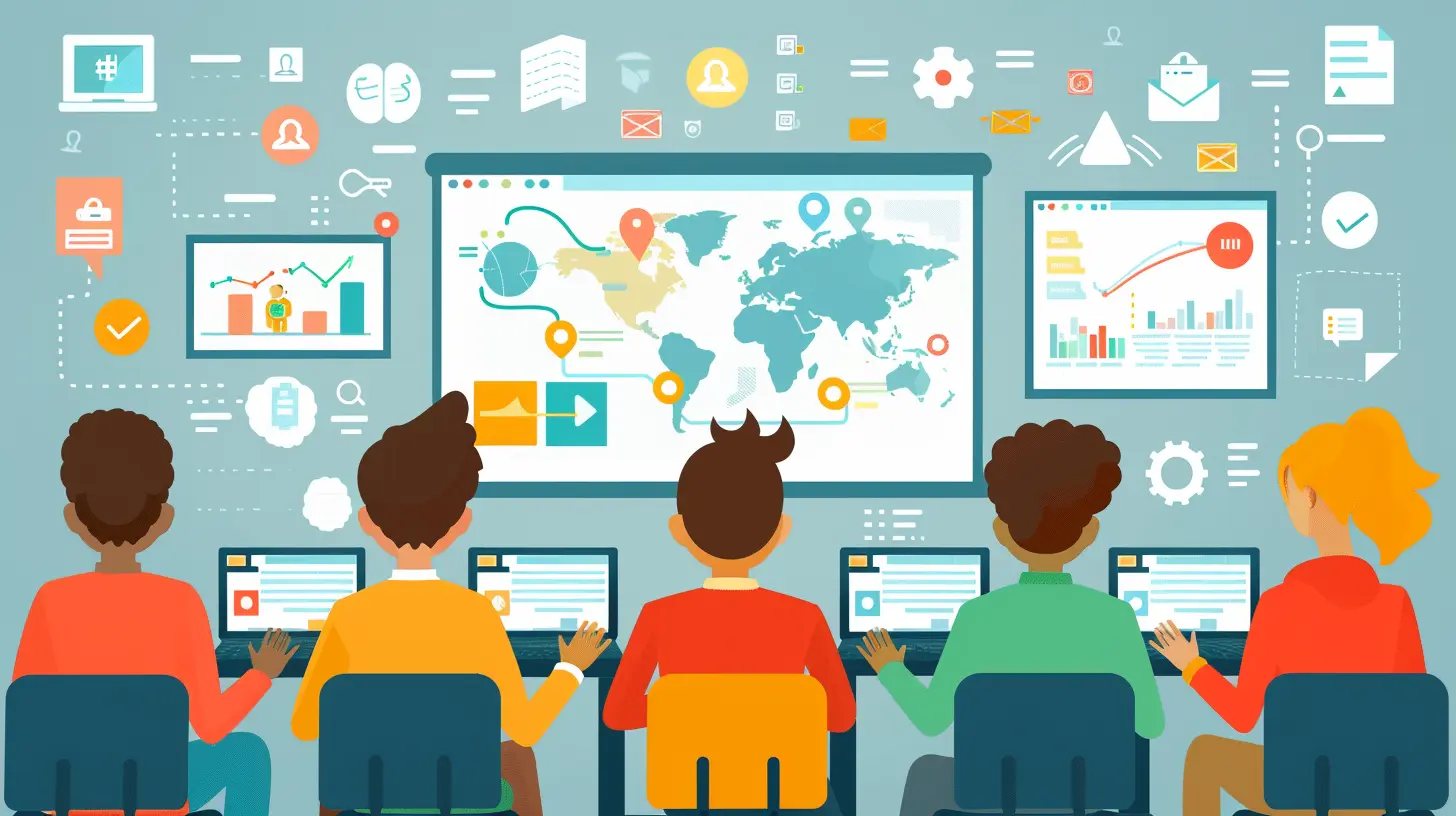
Table of Contents
- What Is a Flipped Classroom?- Traditional vs. Flipped: What’s the Difference?
- Why the Flipped Model Works
- Benefits of Flipped Classrooms
- Challenges and Misconceptions
- How to Flip a Classroom (Without Flipping Out)
- Tech Tools That Make Flipping Possible
- Real-Life Success Stories
- Final Thoughts: Is Flipping Right for You?

What Is a Flipped Classroom?
Alright, let’s start with the basics. A flipped classroom is an instructional model where students read, watch, or listen to lectures at home and use classroom time for hands-on learning. Think videos instead of textbooks, collaboration instead of note-taking, and active learning instead of passive listening.So instead of a teacher standing in front of the class talking for 45 minutes while students scribble notes, students watch that lecture online before class. Then, they come to school ready to discuss, ask questions, do experiments, work in groups, or apply the concepts in projects.
It flips the “tell me then show me” approach to “let me explore and then help me understand.”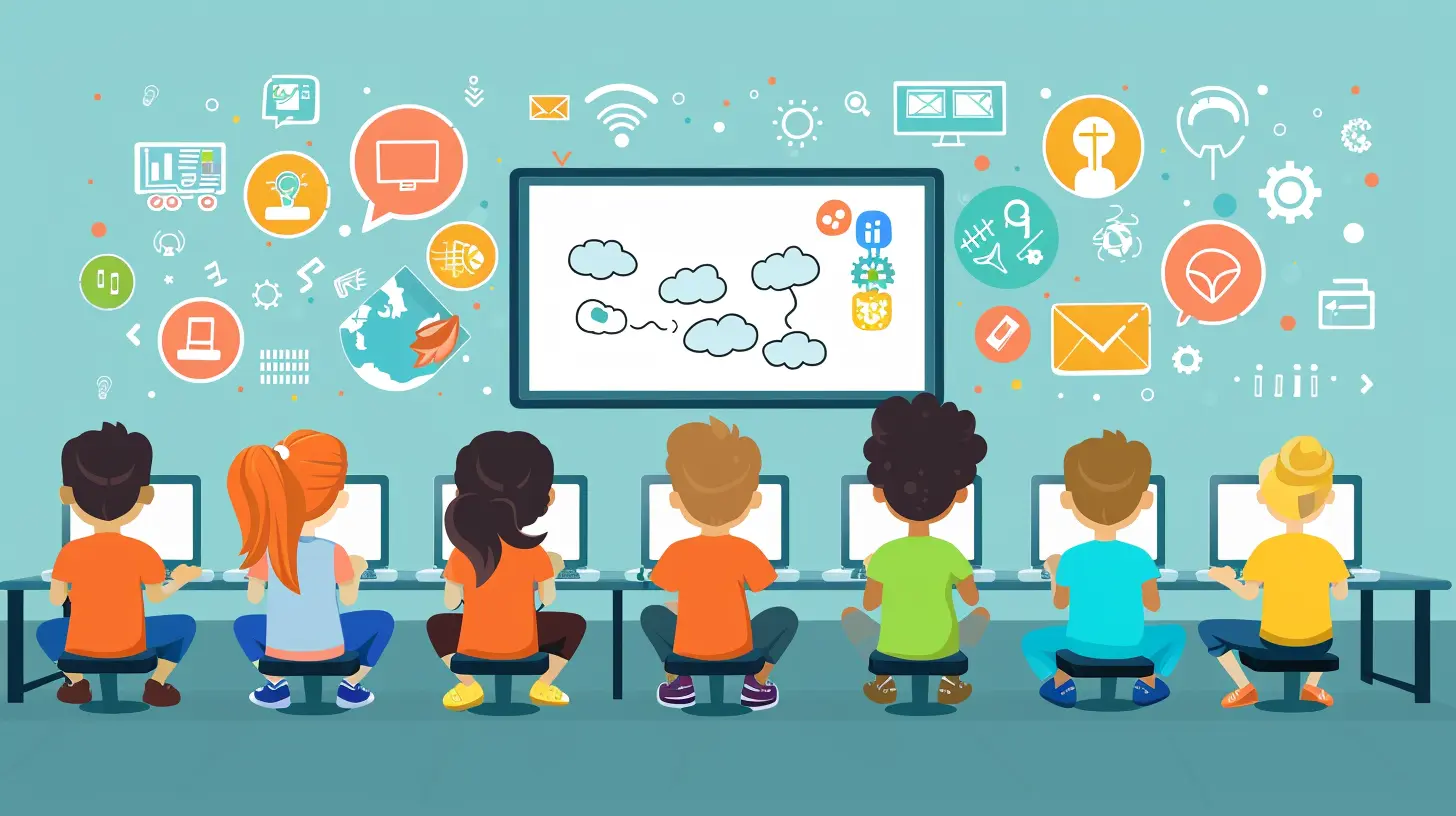
Traditional vs. Flipped: What’s the Difference?
Let’s do a side-by-side comparison to make this 100% clear.| Traditional Classroom | Flipped Classroom |
|--------------------------|------------------------|
| Teacher lectures during class | Students watch/read lectures at home |
| Students do homework after class | Students solve problems during class |
| Passive learning | Active learning |
| One-size-fits-all pace | Learn at your own pace |
| Limited time for application | Class time used for practice and feedback |
See the difference? The flipped model isn’t just about switching when things happen—it’s about how they happen and creating a better experience.
Why the Flipped Model Works
The flipped classroom isn’t just a gimmick. There's solid educational theory behind it. It appeals to different learning styles, encourages deeper understanding, and invites students to own their learning process.Here’s why it works so well:
- Students learn at their own pace: Pause, rewind, or replay the lecture? No problem.
- More time for interaction in class: Teachers can work with students one-on-one or in small groups.
- Encourages active learning: Solving problems and doing projects helps students apply knowledge right away.
- Frees up time for creativity: Teachers can integrate real-world challenges, peer discussions, and simulations.
Plus, with today’s tech, flipping a classroom is easier than ever. YouTube, Google Classroom, Edpuzzle—you name it, there are tools galore.
Benefits of Flipped Classrooms
Let’s break down some of the biggest wins for students, teachers, and even parents.1. Better Student Engagement
Instead of zoning out during lectures, students engage with content through videos, podcasts, or interactive platforms. They feel more involved and find learning a lot less boring.2. Improved Understanding
When students apply what they learn during class with support from the teacher, they get immediate feedback. That’s way more effective than trying to fix mistakes after grades are given.3. Flexibility for Different Learning Styles
Visual learners? Auditory learners? Fast processors or slow burners? Flipped classrooms work for everyone. Students can go back over tough material as much as they need.4. More Teacher Support
When teachers aren’t just lecturing, they can spend more time helping students individually. It’s almost like having a tutor in the room.5. Encouragement of Higher-Level Thinking
Class time is used for discussion, problem-solving, debate, and critical thinking. It shifts the focus from memorizing to understanding.Challenges and Misconceptions
Okay, okay, it’s not all rainbows and unicorns. Flipping a classroom comes with its own set of bumps and bruises.1. Not All Students Have Internet Access
Let’s be real—if students don’t have access to technology at home, this model can leave them behind. Teachers need to plan for that.2. It’s Not Just Watching Videos
One common myth? The flipped classroom is "just" watching a lecture video at home. Nope. Flipping is about creating an active learning experience, not just moving the lecture.3. Prep Time for Teachers
Creating good-quality videos and materials takes time. Teachers may need training and support to get started.4. Student Accountability
Will students actually watch the videos? Some might not. That’s where engaging content, short quizzes, or follow-up discussions can help ensure they do.How to Flip a Classroom (Without Flipping Out)
Thinking about flipping your classroom? Here’s a simple roadmap to help you get started without losing sleep.Step 1: Choose Your Content
Pick a lesson or topic that really benefits from in-class practice. Don’t try to flip your entire syllabus in one go.Step 2: Create Engaging Pre-Class Materials
Use short videos, infographics, podcasts, or readings. Keep it bite-sized and focused. Tools like Loom, Edpuzzle, or Khan Academy are super helpful.Step 3: Plan Classroom Activities
This is where the magic happens. Think group work, problem-solving, hands-on projects, or Socratic discussions. Make the lesson come alive.Step 4: Set Expectations
Let students (and parents) know what to expect. Be clear about what they need to do before class and what they’ll do during.Step 5: Reflect and Adapt
What worked well? What didn’t? Ask for feedback and tweak things as you go. Flipping is a flexible model—you can adjust on the fly.Tech Tools That Make Flipping Possible
Here are some teacher-tested tools to make flipping your classroom a breeze:- Loom: Record and share lecture videos.
- Edpuzzle: Add quizzes and notes to videos.
- Khan Academy: Use pre-made lessons for various subjects.
- Google Classroom: Share materials and track assignments.
- Padlet: Collaborate on class discussions and brainstorming.
These tools not only save time but also help you track student engagement and understanding.
Real-Life Success Stories
Still skeptical? Let’s peek into a few real classrooms.Case Study 1: Middle School Math
A math teacher in Texas started flipping her algebra class with short YouTube videos. Result? Class time was full of group problem-solving and one-on-one help. State test scores jumped by 20% in one year.Case Study 2: University Physics
A professor flipped his physics lectures by assigning video lessons before class. In class, students worked on labs and conceptual problems. The failure rate dropped from 30% to 10%.Case Study 3: High School English
An English teacher used flipped learning to assign readings and discussion prompts online. In the classroom, students dove into debates, roleplays, and literary analysis. Motivation levels skyrocketed.Final Thoughts: Is Flipping Right for You?
At the end of the day, the flipped classroom isn't just a trendy teaching method—it’s a mindset shift. It asks: what’s the best use of our time together in the classroom?Maybe you’re a teacher tired of repeating the same lecture. Maybe you’re a student who wants to explore learning on your own terms. Or maybe you're a parent looking for better engagement. Whoever you are, flipping the classroom could be a game-changer.
Sure, it takes some work to get started. But once you see your classroom buzzing with curiosity, creativity, and conversation, you’ll never go back to “sit and get” again.
So, are you ready to flip the switch?
all images in this post were generated using AI tools
Category:
Flipped ClassroomAuthor:

Eva Barker