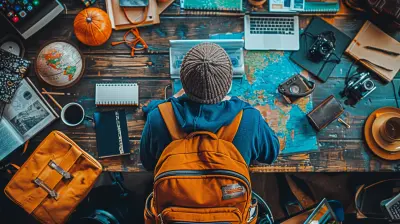
Empowering Students Through International Exchange Programs
5 July 2026
Have you ever imagined waking up in a new country, surrounded by a different culture, speaking a language you’ve only heard in movies, and learning in a classroom where every perspective is different from yours? That’s exactly what international exchange programs offer — an unforgettable adventure that could shape your entire future.
These programs aren’t just about hopping on a plane and seeing the world. They’re about growth, independence, global awareness, and most importantly, empowerment. In today’s fiercely connected world, students need skills beyond textbooks — adaptability, cultural intelligence, communication, and resilience. That’s where international exchanges come to the rescue.
Let’s dive into how these life-changing experiences truly empower students, preparing them to thrive in an ever-evolving global landscape.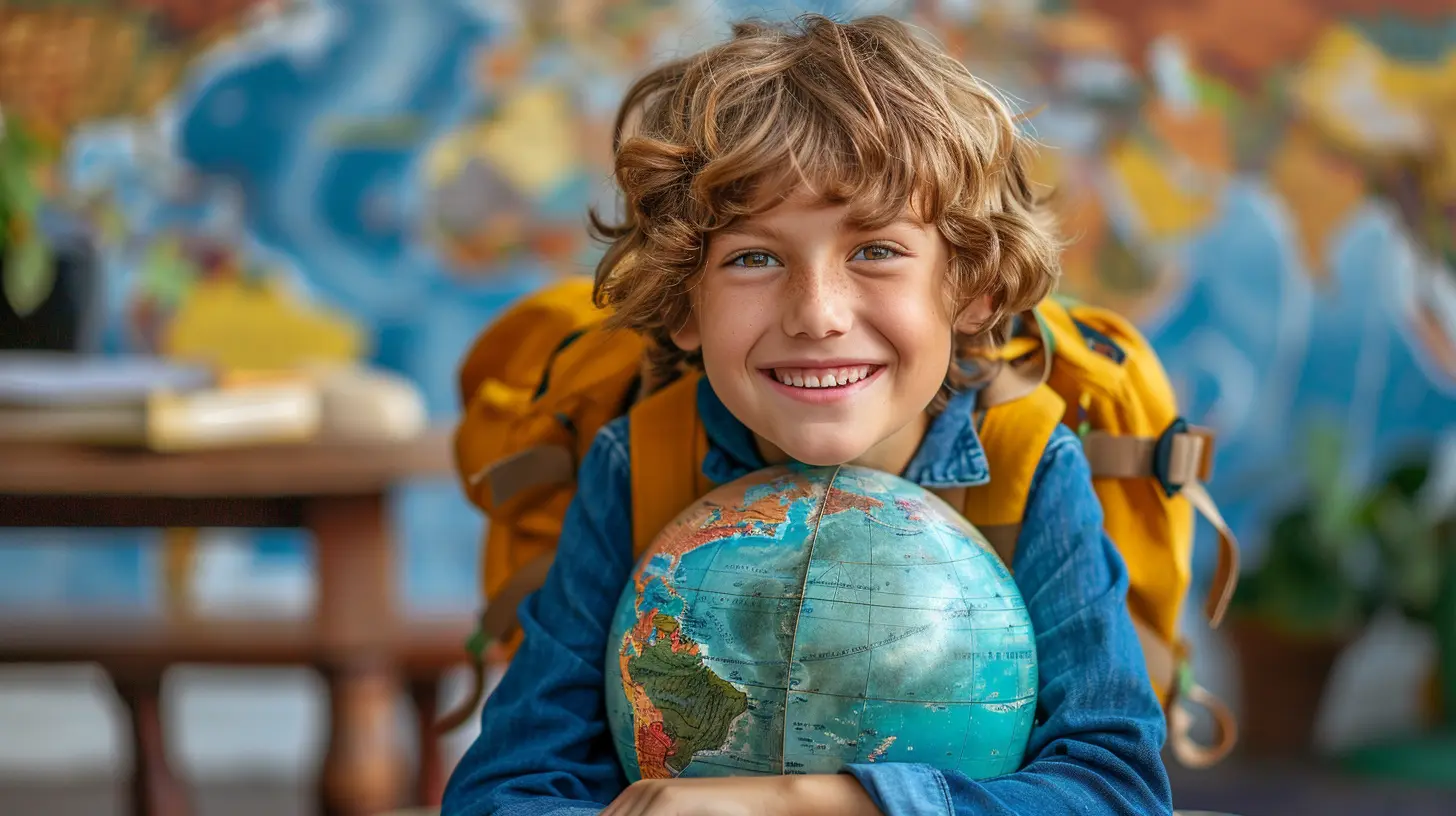
What Are International Exchange Programs?
Okay, let’s break it down. Simply put, international exchange programs are educational initiatives that allow students to travel to another country and study there for a short period — from a few weeks to a year or even longer.These exchanges can be academic (like studying at a partner school or university), cultural (involving homestays and cultural activities), or work-based (internships or volunteer programs abroad). Whether you're a high school student spending a semester in France or a university student doing research in Japan, the aim is the same: to broaden your horizons.
And guess what? It’s not just about education. It’s about stepping out of your comfort zone and stepping into a world of opportunity.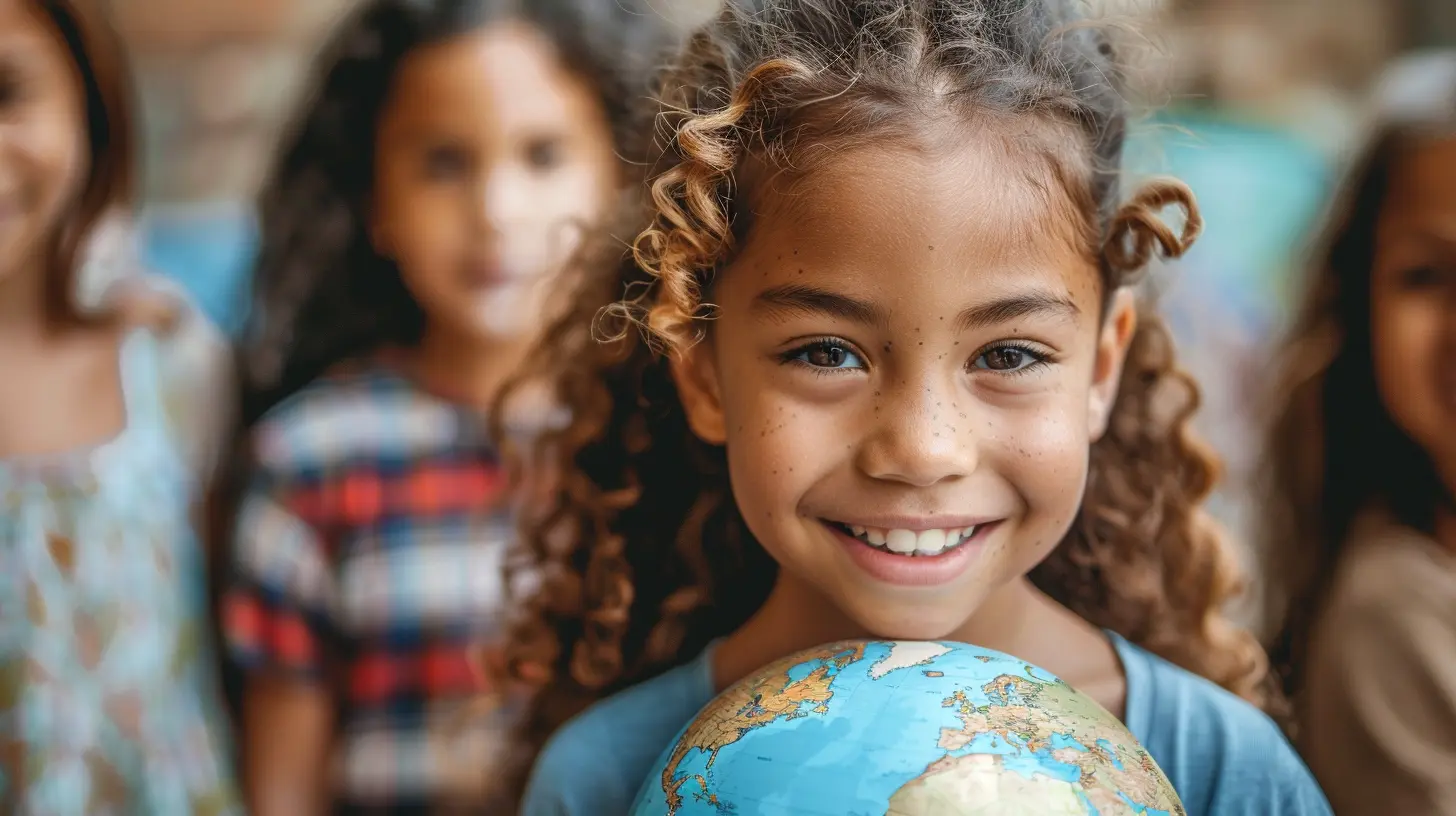
The Magic of Stepping Outside Your Comfort Zone
You know that cozy spot on the couch, your favorite snacks, and your phone — all within arm's reach? That’s your comfort zone. But growth rarely happens there.When students participate in an international exchange, they face challenges they’ve never encountered before — new languages, unfamiliar customs, different teaching methods. At first, it can be scary. But it’s also wildly liberating.
Imagine walking into a classroom in Germany where discussions are more debate-like, or staying with a family in Argentina who has dinner at 10 PM while you’re used to eating at 6! These little “shocks” are actually powerful learning experiences.
Each day abroad pushes students to problem-solve, adapt, and engage. They start seeing differences not as obstacles but as opportunities. That’s where real confidence comes from — learning not just to survive, but to thrive in an unfamiliar world.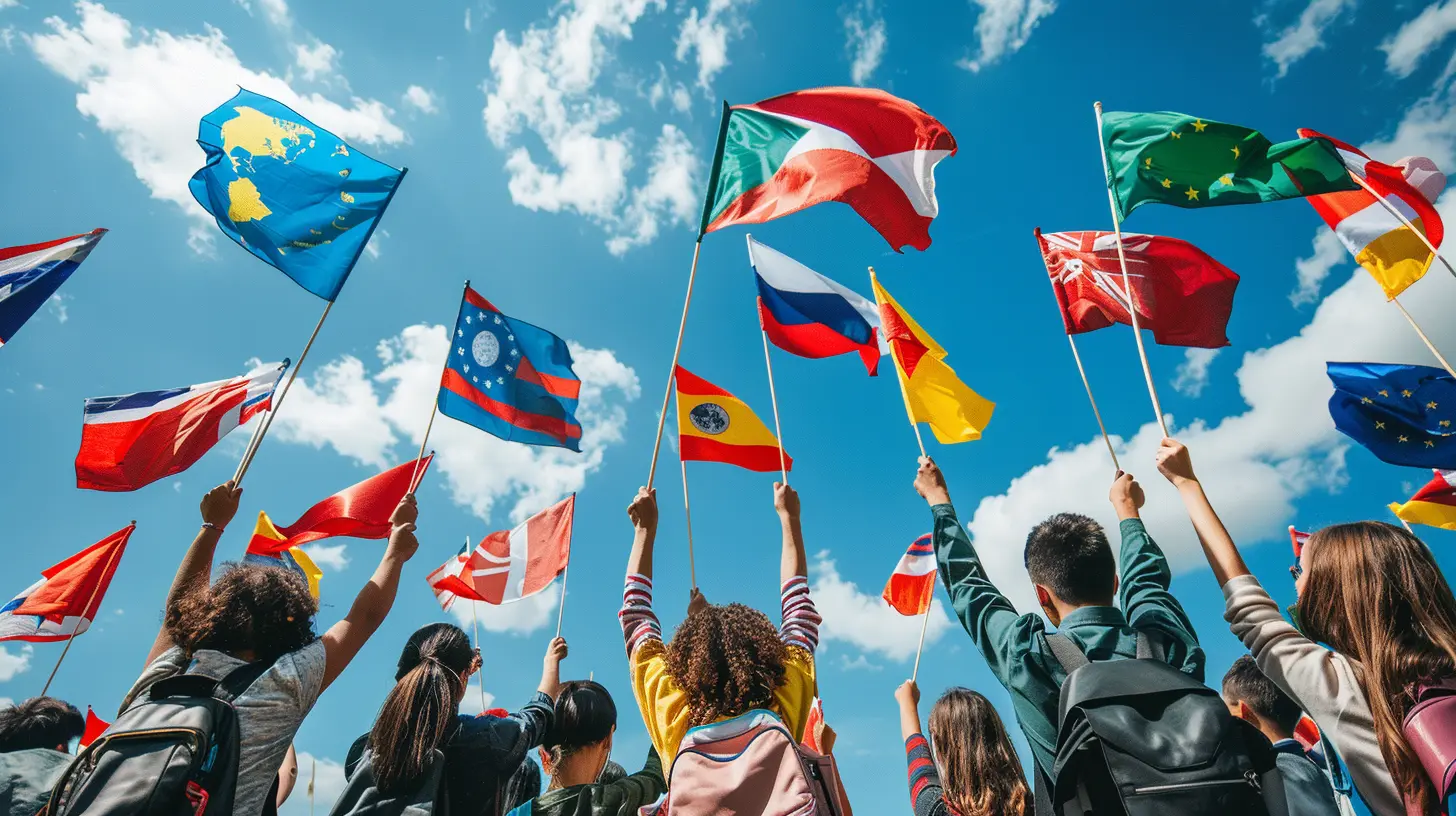
Building Global Citizens, One Experience at a Time
Let’s face it: we live in a globalized world. The problems we face — climate change, inequality, pandemics — don’t stop at borders. So, our solutions shouldn’t either.International exchange programs teach students to think globally. You start realizing that your way isn’t the only way. You gain empathy, cultural awareness, and appreciation for diversity.
Say you’re discussing climate policy with peers from five different countries. You each bring a unique perspective shaped by your country’s challenges. That’s powerful! You’re not just talking about global issues — you’re living them, understanding them from multiple angles, and maybe even coming up with better solutions.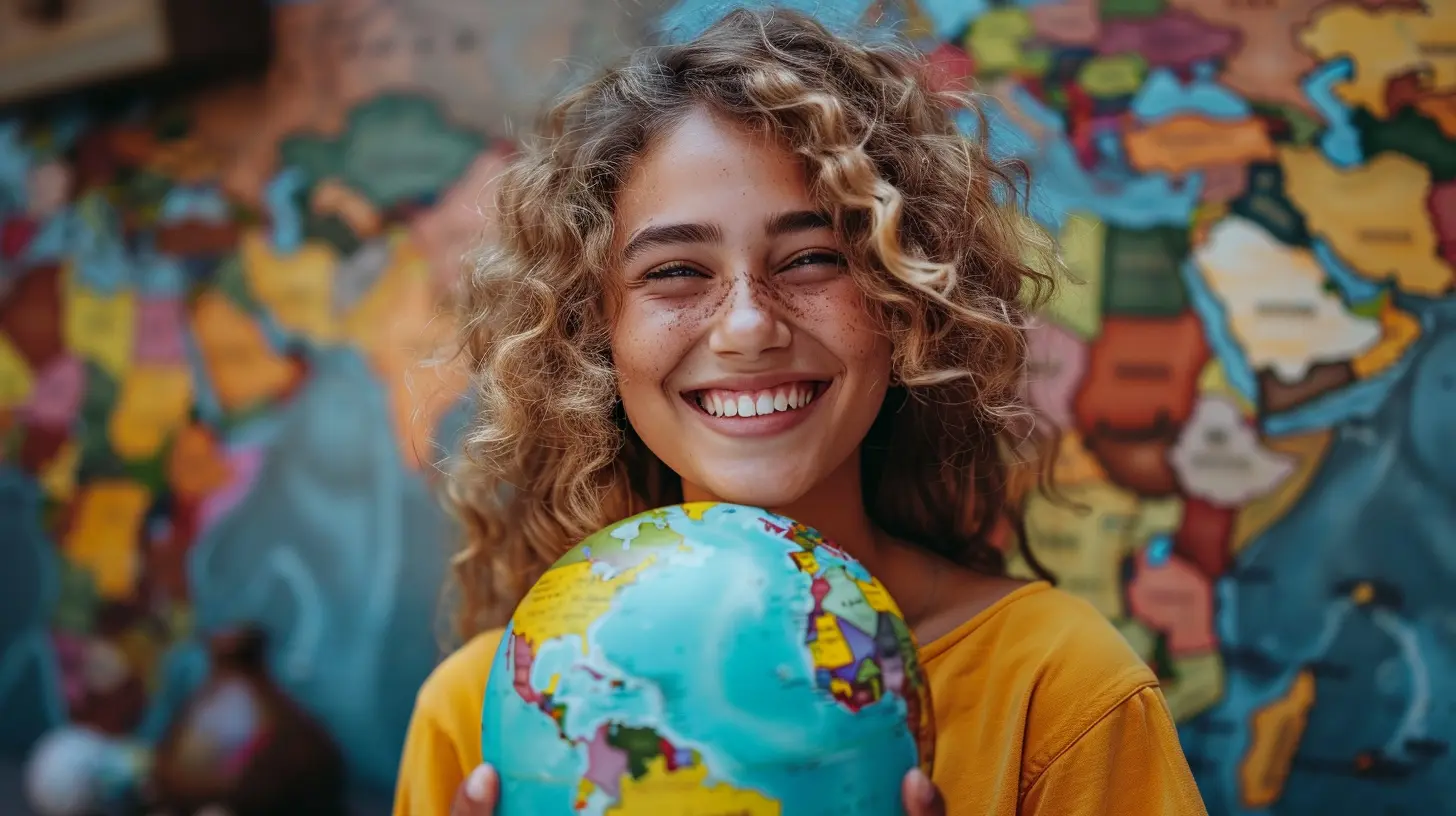
Communication: Beyond Words
Think communication is just about speaking a common language? Think again.While language learning is a huge part of exchange programs (and yes, many students become impressively fluent), communication goes deeper. It’s about picking up on cultural cues, understanding body language, and realizing when to speak — and when to listen.
Students become better communicators overall. They learn patience, active listening, and how to express themselves thoughtfully, especially in challenging situations. These are not just academic skills — they’re life skills, and they’re golden in any career.
Independence: The Superpower You Didn’t Know You Had
Let’s talk real life for a second: cooking your own meals, handling public transportation, budgeting your expenses, and managing your time — all in a foreign country.Sounds intense, right? But here’s the catch: students rise to the occasion. Fast.
Living abroad rewires your brain a bit. You become more resourceful, disciplined, and self-reliant. You stop waiting for someone else to take the lead. And somewhere between getting lost in Tokyo and figuring out how to ask for directions in Portuguese, you discover your independence — your own inner compass.
That kind of personal growth can't be taught in a classroom.
Academics With a Twist
You might be thinking, "What about my studies?" Good question.Many exchange programs allow students to continue their academic paths while integrating local curriculum. That could mean learning European history in Rome, environmental science in Costa Rica, or engineering in South Korea.
Not only do students gain academic knowledge, but they also gain new ways of thinking. Education is not one-size-fits-all, and seeing how other countries approach subjects can be mind-blowing.
Plus, international experience looks seriously impressive on college applications and resumes. It shows initiative, ambition, and a global mindset — traits any university or employer would value.
Friendships That Cross Continents
One of the most heartwarming parts of an exchange program? The friendships.When you’re away from home, every connection matters more. Whether it’s your host family, fellow exchange students, classmates, or neighbors, bonds form quickly — and deeply.
These friendships often last a lifetime. More than that, they give students a personal connection to another culture. Suddenly, international news becomes personal. You care. You're connected.
It’s like weaving your own little web across the globe — and that network can open doors you never even imagined.
Overcoming Challenges: The Real Deal
Let’s be real, though. Exchange programs aren’t all sunshine and sightseeing.Homesickness, culture shock, language barriers, academic stress — they’re part of the package. But here’s where the magic happens. Facing these challenges head-on builds resilience.
Students learn to be patient with themselves. They develop coping strategies. They figure out who they are under pressure. That kind of emotional intelligence? It’s priceless.
It’s not about having a perfect journey. It’s about learning from the messy, awkward, beautifully real moments.
Digital Natives in a Global World
Today’s students grow up with technology at their fingertips — global communication has never been easier. Still, there’s a world of difference between chatting on Zoom and living in another culture.International exchange programs combine digital fluency with real-world experience. Students not only use technology to stay connected, but also learn how to unplug and immerse themselves in real human interaction.
It’s the best of both worlds — being tech-savvy and culturally aware. In a digital economy ruled by global teams and international collaboration, that’s a game-changer.
Seeds of Leadership
Let’s not forget: these students are the leaders of tomorrow.Exchange programs often spark major personal transformations. Shy students find their voice. Curious students find their passion. Many come back with a desire to lead change, support causes or even start their own initiatives.
Why? Because once you realize how big and diverse the world is — and how connected we all are — you can’t help but want to make a difference.
Scholarships and Accessibility
Now, a common misconception is that exchange programs are only for the rich. Not true.There are countless scholarships and funding opportunities out there that aim to make these programs available to students from all backgrounds. Organizations understand the value of diverse participation and are working hard to remove financial barriers.
If you’re a student (or a parent) reading this and think money is a problem — don’t give up. Start researching. Reach out to school counselors. Apply for everything. There’s support out there, waiting for you.
How Schools and Educators Can Support
Educators, this part’s for you.Want to empower your students? Start by promoting exchange programs at school. Bring in guest speakers, create partnerships with international schools, and make cultural diversity part of your curriculum.
Your encouragement can mean the world to a student who’s unsure about taking the leap. Sometimes, all it takes is one teacher saying, “I believe in you.”
Final Thoughts: Growth Beyond Borders
There’s a quote that says, "Travel is the only thing you buy that makes you richer." That’s especially true for students who embark on international exchanges.These programs aren’t just about travel — they’re about transformation. They empower students to see more, do more, and be more. Whether it’s through academic achievement, cultural understanding, or personal growth, the impact is lifelong.
So, if you’re a student, think about where you want to go — not just geographically, but personally. If you’re an educator or parent, think about how you can help light that spark. Because the world is waiting, and every student deserves a chance to find their place in it.
all images in this post were generated using AI tools
Category:
Global EducationAuthor:

Eva Barker
Discussion
rate this article
1 comments
Flint Spencer
International exchange programs offer students valuable experiences that broaden their perspectives and foster cultural understanding. By stepping outside their comfort zones, they gain confidence and skills that will benefit them in the globalized world.
July 6, 2026 at 2:26 AM
Eva Barker
Absolutely, international exchange programs are transformative. They not only enhance students' cultural awareness but also equip them with essential skills for a global society.