"Emotional Intelligence: A Key to Lifelong Learning
2 July 2026
Have you ever wondered why some people seem to breeze through life's challenges while others stumble even with high IQs and impressive academic records? It's not that the former are smarter in the traditional sense. It’s something deeper, something more human — Emotional Intelligence (EI).
We hear the term casually tossed around a lot, but what does it actually mean? And more importantly, how does it tie into the idea of being a lifelong learner? Well, buckle up because we’re going to connect the dots between emotional intelligence and the journey of lifelong learning like never before.

What Is Emotional Intelligence?
Let’s not overcomplicate it. At its core, emotional intelligence is the ability to recognize, understand, manage, and influence emotions — both your own and those of others.There are five key components to emotional intelligence:
1. Self-awareness – Knowing your emotions and how they affect your thoughts and behavior.
2. Self-regulation – Managing your emotions in healthy ways.
3. Motivation – Being driven to achieve for the sake of achievement.
4. Empathy – Understanding the emotions of others.
5. Social skills – Managing relationships to move people in desired directions, whether that’s getting along well or leading effectively.
Think of EI as the grease that keeps the wheels of communication, relationships, and personal development running smoothly. Without it, even the smartest person in the room can find themselves misunderstood, isolated, or stuck.

OK, So What Is Lifelong Learning?
Lifelong learning is exactly what it sounds like — continuously acquiring knowledge and skills throughout your life. This doesn’t just mean formal education. It includes learning from life experiences, books, podcasts, mentors, online courses — even from your own mistakes.And here’s the key: Lifelong learning isn’t just about what’s in your head. It’s about how you grow as a person.
You might pick up coding, brush up your Spanish, or learn how to meditate. Whatever it is, there’s something incredibly empowering about continuously expanding your mind and sharpening your abilities.
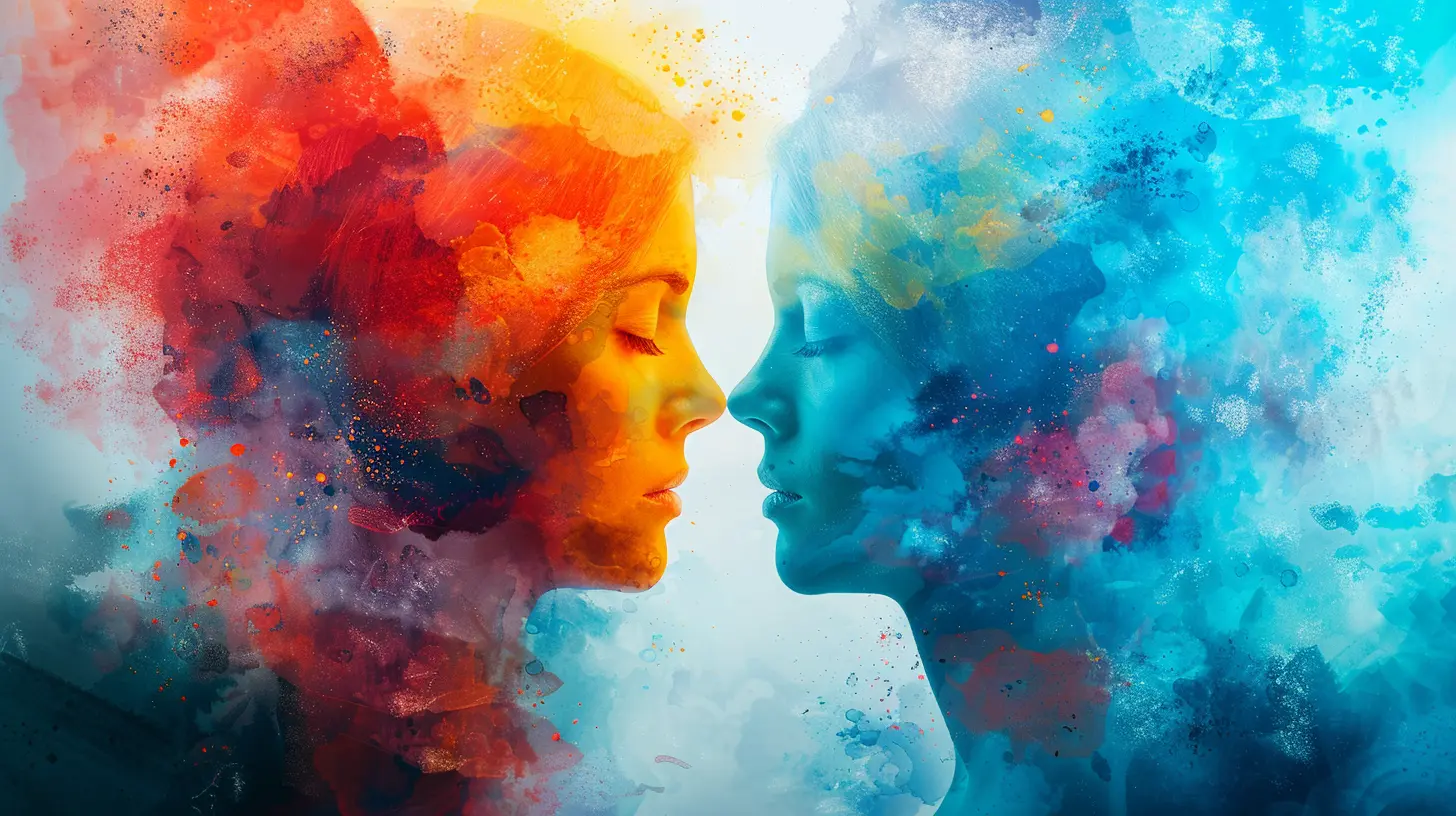
How Emotional Intelligence Fuels Lifelong Learning
Alright, now let’s get to the juicy part: how does emotional intelligence tie into the whole concept of lifelong learning?1. Self-Awareness Helps You Know What You Need to Learn
Ever felt lost or unsure about what you need to work on? That’s where self-awareness comes in. Emotional intelligence encourages us to take a good, honest look at ourselves.When you're self-aware, you can pinpoint your strengths and weaknesses. Maybe you’re an ace at public speaking but struggle with time management. Or perhaps you’re tech-savvy but emotionally distant in group projects. Either way, recognizing these patterns helps you chart a better, more targeted learning journey.
2. Self-Regulation Keeps You Moving When It Gets Tough
Let’s be real for a second — learning anything new is frustrating. There are moments when you want to throw in the towel and binge-watch Netflix.But if you’ve got strong emotional intelligence, you’re better equipped to manage those emotions. Frustration, impatience, even fear of failure — all of these are natural. The trick is not letting them run the show.
EI arms you with the calmness and discipline to push through the rough patches and come out smarter and stronger on the other side.
3. Motivation: Your Inner Cheerleader
You’ve probably noticed that staying motivated over time is one of the hardest parts of lifelong learning.High emotional intelligence helps you stay driven — not by grades, trophies, or other external stuff, but because you genuinely value growth. That’s called intrinsic motivation, and it’s one of the secret ingredients to sticking with your learning goals long-term.
Even when no one's watching, EI keeps you going. Like that little voice in your head saying, “You’ve got this.”
4. Empathy Deepens Your Learning Experience
Let’s flip the script for a second: learning isn't just about you. It’s also about understanding others — especially in something like collaborative learning or team projects.Emotional intelligence helps you be more empathetic, so instead of judging others who learn differently, you become curious. Instead of butting heads during a disagreement, you learn to listen.
When you approach learning with empathy, it becomes richer, more diverse, and way more effective.
5. Social Skills Open the Doors to New Learning Opportunities
This one’s a game-changer. Emotional intelligence enhances your communication and relationship-building, which can lead to mentorships, networking, and group learning experiences.Let’s say you’re trying to switch careers into UX design. You could read all the books on the planet, but talking to someone already in the field could teach you ten times as much in half the time. Good social skills make that possible.
Not to mention, people naturally gravitate towards emotionally intelligent individuals. That opens up doors you didn’t even know existed.
Emotional Intelligence in Formal Education: The Missing Puzzle Piece?
Think back to school. We were taught how to calculate square roots, memorize historical dates, and diagram sentences. But how often were we taught to understand our emotions? To manage stress during exams? To empathize with classmates?Probably not enough.
And this gap is increasingly being recognized. Schools and colleges around the globe are beginning to integrate social-emotional learning (SEL) programs. They’re realizing that a student equipped with emotional intelligence is far more likely to succeed not just in school, but in every part of life — relationships, careers, mental health, and yes, lifelong learning.
Can You Develop Emotional Intelligence?
Absolutely. EI isn’t fixed. It’s not like your eye color or height. You can build it — like a muscle.Here are a few ways to start:
Practice Self-Reflection
Ask yourself simple questions daily:- What emotion did I feel most today?
- How did that emotion affect my behavior?
- Could I have handled a situation differently?
Even journaling for 5 minutes can help you gain powerful insights.
Work on Active Listening
Next time someone talks to you, really tune in. Don’t just wait for your turn to speak. Try to understand where they’re coming from. It’s harder than it sounds but super effective.Learn to Pause
Before reacting emotionally, give yourself a moment to breathe. This small pause can make a big difference in how you respond, whether you're having a tough conversation or receiving critical feedback.Cultivate Curiosity — Especially About Yourself
Be open to feedback. Try new things. Ask questions. The more curious you are, the more emotionally intelligent you become, and the more you grow as a lifelong learner.
Emotional Intelligence in the Real World
Let’s put this into real-life context. Imagine two employees — Emma and John.Both are equally skilled technically. But Emma has high emotional intelligence. She's self-aware, communicates clearly, handles stress well, adapts to change, and gets along with everyone. John, on the other hand, lashes out under pressure, struggles with criticism, and often misreads social cues.
Who do you think will get promoted faster? Build better professional relationships? Stay employable in a changing world?
Exactly. In an age where soft skills are becoming harder to automate, emotional intelligence is more important than ever.
Lifelong Learning in the Age of AI and Automation
Let’s not ignore the elephant in the room — technology is evolving fast. AI is reshaping the job market, automation is replacing repetitive tasks, and the only constant is change.That means if you want to stay relevant — in any field — you’ve got to keep learning.
And here’s where emotional intelligence becomes your superpower. It helps you deal with uncertainty, learn from feedback, and collaborate in human-centric ways that AI can’t replicate.
In short: EI makes you future-proof.
Final Thoughts: Why It All Matters
So, here’s the bottom line — emotional intelligence isn’t just a “nice to have” trait. It’s essential.It’s what helps you navigate learning curves, build meaningful relationships, and keep growing no matter your age or stage in life. Without it, lifelong learning becomes a rocky road. With it, the possibilities are endless.
So the next time you hit a bump in your learning journey, don’t just ask, “What should I study next?” Ask yourself, “How am I feeling?” and “What can I learn from this emotion?”
You might be surprised where it leads you.
all images in this post were generated using AI tools
Category:
Emotional IntelligenceAuthor:

Eva Barker
Discussion
rate this article
1 comments
Georgia Torres
Emotional intelligence lights the path to growth, weaving connections and understanding within us. As we nurture our hearts, we unlock the wisdom needed for a fulfilling journey of lifelong learning.
July 4, 2026 at 1:00 PM
Eva Barker
Thank you for your thoughtful reflection. Emotional intelligence truly is essential for personal growth and enriching our connections. It shapes our journey in profound ways.