Education for Sustainable Development: The Global Approach
30 July 2026
Look, we’ve all heard the phrase “save the planet” a million times. It’s plastered on T-shirts, posters, and Instagram posts. But what does it really mean? And more importantly, how do we actually do it?
Well, one of the most powerful tools we have to make the world a better, greener, more sustainable place is—you guessed it—education. But not just any education. We're talking about Education for Sustainable Development (ESD). And no, it’s not just about hugging trees or cutting down on plastic straws (though those are cool too). It's about equipping people with the knowledge, skills, and mindsets to shape a better future for everyone.
So buckle up, because we’re diving deep (but not painfully) into how the world is taking a global approach to teaching sustainability—and why it might be the most important lesson of our lifetime.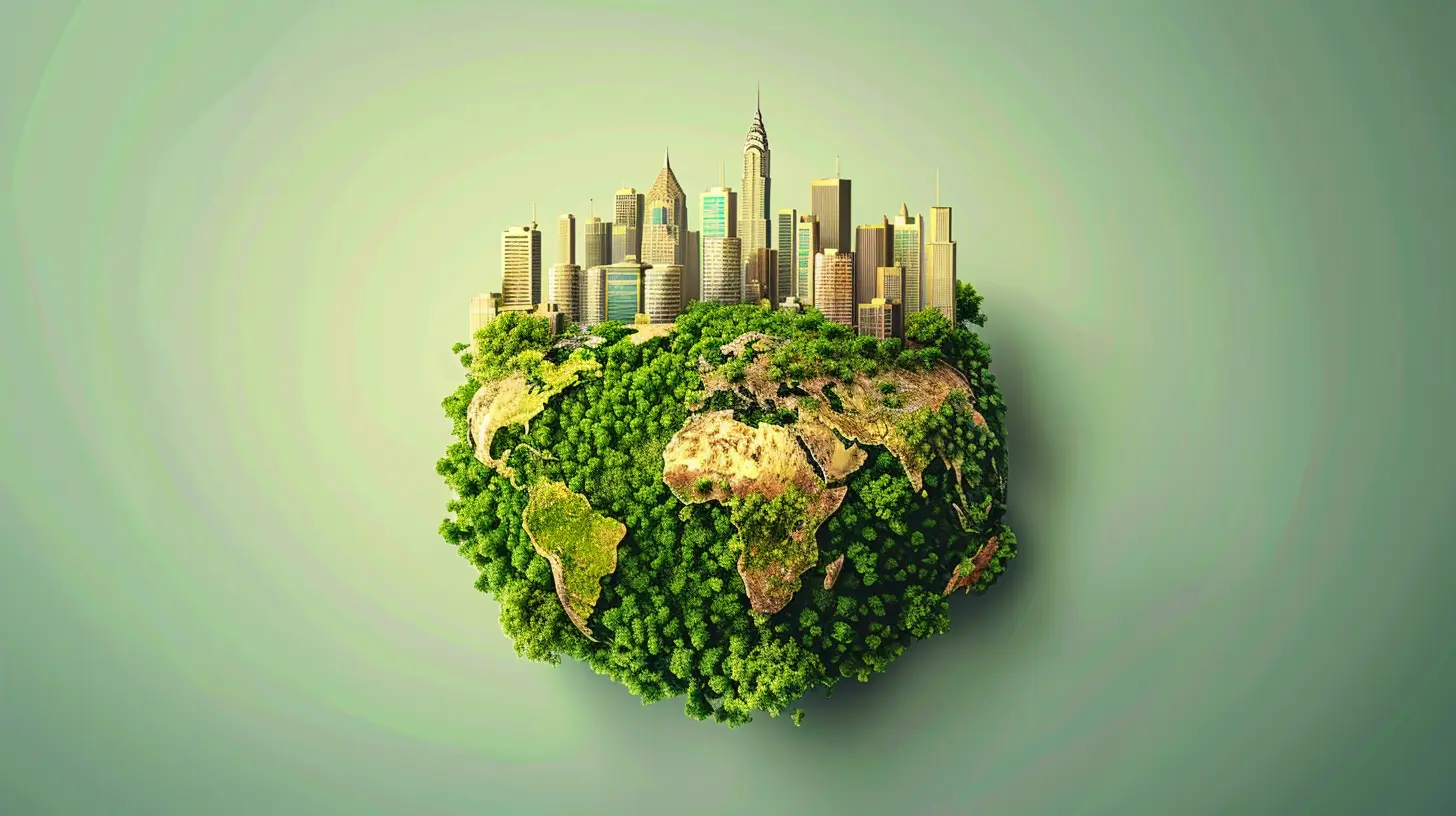
? What Exactly Is Education for Sustainable Development?
Let’s break it down. Education for Sustainable Development (yes, we’ll call it ESD from now on—less mouthful, right?) is a fancy way of saying: “Let’s teach people how to live in a way that doesn’t wreck the planet.”But it’s more than just environmental stuff. ESD covers all the juicy global issues—like poverty, gender equality, health, climate change, clean energy, and peace. It’s about understanding the world holistically and realizing that everything’s connected. Think of it like a giant spider web: tug on one thread (like overfishing), and you shake the whole web (food security, job loss, and ecosystem collapse).
So, in short, ESD = knowledge + skills + values = sustainable future. Easy math.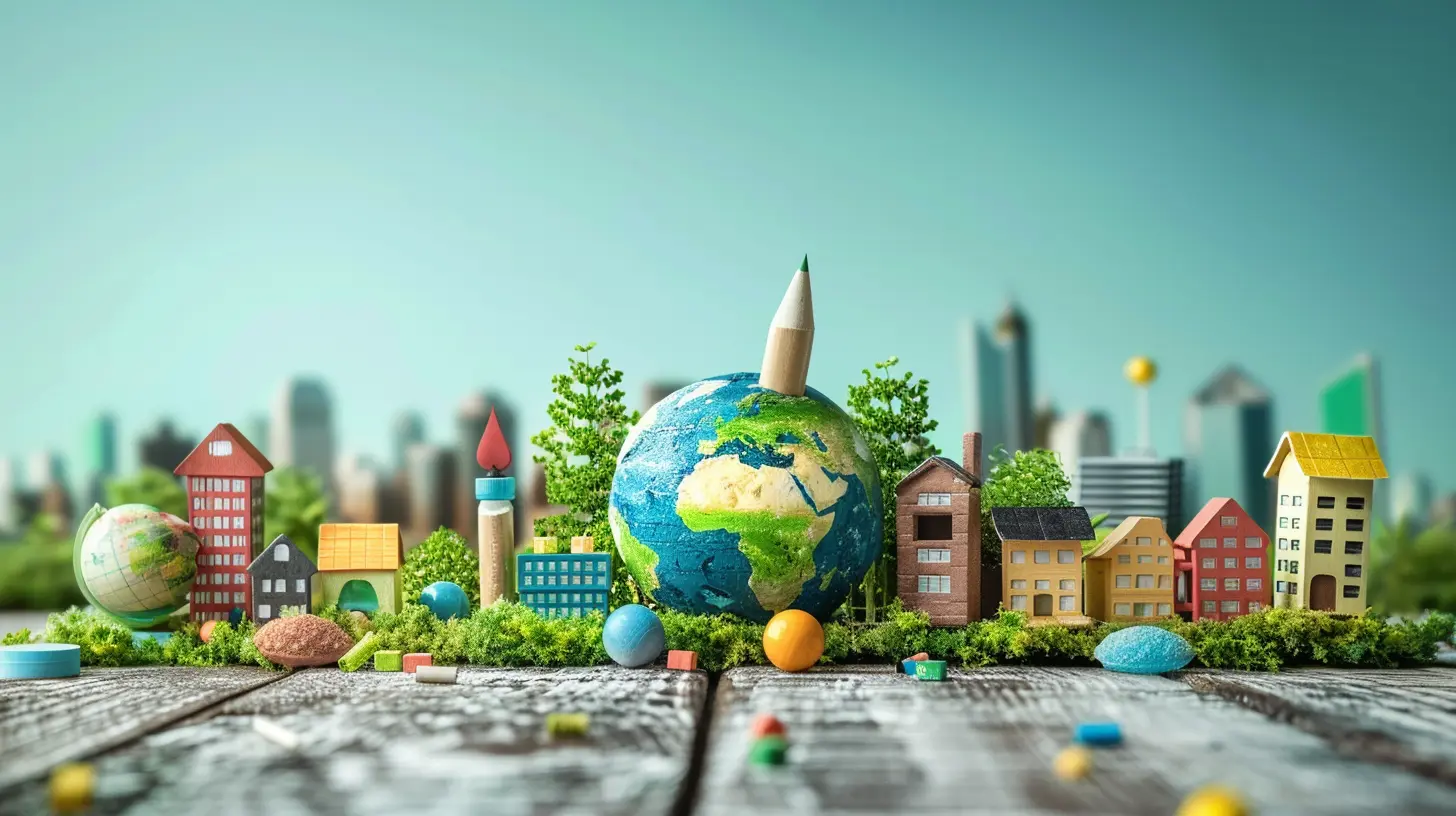
? Why Is There a Global Approach?
Because the planet isn’t divided by classroom walls. What happens in one corner of the world—say rising sea levels in Bangladesh—can totally affect another, like migration spikes in Europe. That’s why countries, organizations, and schools worldwide are joining forces.If we're going to face global issues like climate change and inequality, we need a global mindset. And what’s better than starting with students, teachers, and communities around the globe all aiming for the same goal?
This global approach ensures everyone gets the memo—and no country is left behind. After all, team Earth, right?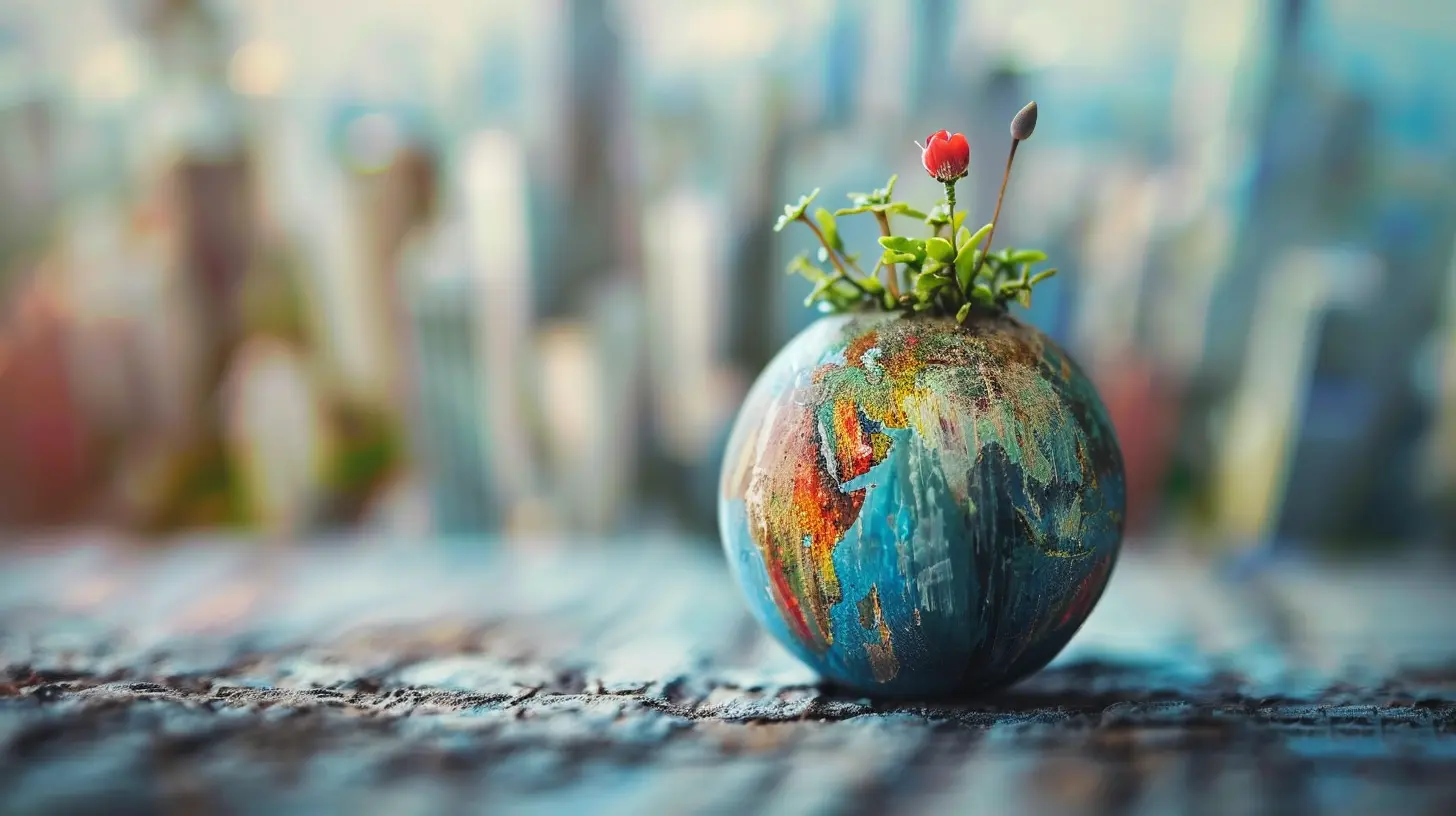
? How Is ESD Different from Traditional Education?
Traditional education often goes like this: Sit. Memorize. Test. Repeat. You might ace a quiz on photosynthesis but have no clue how to grow a plant.ESD flips the script.
It’s all about hands-on learning, critical thinking, problem-solving, and (here’s the kicker) real-world application. It encourages students to ask big questions, connect the dots, and become changemakers.
Instead of “What’s the capital of France?” it’s “How can cities become more sustainable?”
Sure, that sounds like a lot. But kids these days are growing up in a world full of challenges. They need more than textbooks—they need tools to thrive and shape the future.
? Core Themes of Education for Sustainable Development
Alright, let’s get into the meat and potatoes. What exactly does ESD teach?1. Climate Action and Environmental Awareness
From rising temperatures to disappearing species, the planet is calling for help. ESD helps students understand what’s happening—and how they can help. It’s not about doom and gloom. It’s about hope and action.2. Social Equity and Inclusion
Sustainability isn’t just about trees—it’s also about people. ESD tackles issues like inequality, diversity, and human rights. It promotes empathy, understanding, and the idea that everyone matters.3. Economic Responsibility
Money makes the world go ‘round—but not always in a good way. ESD talks about responsible consumption, ethical business practices, and creating economies that benefit everyone—not just the top 1%.4. Cultural Respect and Global Citizenship
We’re all different, and that’s what makes life beautiful. ESD embraces cultural diversity and teaches students to be respectful, open-minded citizens of the world.✏️ How Do Schools Actually Teach ESD?
One word: creatively.Here’s just a taste of how ESD comes to life in classrooms:
- Project-Based Learning: Students tackle real-world problems—like designing a sustainable garden or creating an eco-friendly product.
- Outdoor Education: Classes held in nature, connecting theory with the actual Earth.
- Cross-Curricular Lessons: Math, science, art, and even literature woven with sustainability themes.
- Student-Led Initiatives: Think school recycling programs, climate clubs, and green campuses.
The idea is to move beyond rote memorization. It’s about lighting that inner spark in students and encouraging them to think, feel, and act.
? Global Initiatives Pushing ESD Forward
Okay, so who’s leading the charge? Turns out, lots of folks are stepping up their game. Let’s spotlight a few:1. UNESCO and the ESD for 2030 Framework
The United Nations Educational, Scientific and Cultural Organization (say that five times fast) has been a huge player. Their ESD for 2030 roadmap aims to make sustainability the beating heart of education worldwide.2. The Sustainable Development Goals (SDGs)
You might’ve seen those colorful icons. The 17 SDGs are like the world’s to-do list. ESD is a key part of SDG 4—"Quality Education"—but it touches all 17 goals. From clean water to peace and justice, it’s all interconnected.3. Global Action Programme (GAP)
This five-year initiative united educators, governments, and communities to supercharge ESD efforts. It laid the groundwork for the global momentum we’re seeing now.? What’s the Impact on Students?
Let’s zoom in on the most important piece of the puzzle—students.ESD isn’t just shaping smarter learners—it’s shaping better humans.
Kids who grow up with a sustainability mindset are more likely to:
- Think critically about issues
- Stand up for social justice
- Live responsibly, from the food they eat to the energy they use
- Feel empowered instead of hopeless about big problems
In other words, they’re not just learning about the world—they’re learning how to change it.
? The Challenges We’re Facing
Okay, time for a reality check. It’s not all rainbows and reusable tote bags. There are hurdles:- Teacher Training: Not all educators feel equipped to handle ESD topics.
- Curriculum Crashes: Trying to squeeze sustainability into an already jam-packed syllabus is tricky.
- Resource Gaps: Many schools, especially in low-income areas, lack materials and support.
- Political Pushback: Yep, even sustainability can get caught in the crossfire of controversial politics.
But guess what? With global teamwork, creativity, and a whole lot of determination, these barriers can be busted.
? Examples of ESD in Action Around the World
Let’s look at some real-world champions of ESD:- Costa Rica: Schools have integrated environment-based learning throughout the curriculum. Students actively participate in protecting their forests and rivers.
- Japan: ESD is embedded in the national curriculum. Students learn not only about recycling but about empathy, peace, and disaster prevention.
- Finland: With its student-centered education system, Finland weaves sustainability into everyday learning, encouraging innovation and critical thinking.
- South Africa: Through community-based projects, students learn about water conservation, biodiversity, and food security—right where they live.
In all these places, students aren't just studying the world—they're changing it. And that's powerful stuff.
? So, What’s the Future of ESD?
Big question, simple answer: bright.As more countries recognize the value of ESD, we’re seeing a shift. It's not just a "nice-to-have" anymore. It's a must.
With technology, global networks, and passionate young minds, the possibilities are endless. Imagine student-led climate summits, virtual classrooms connecting kids across continents, and AI-supported learning for sustainable solutions.
The world is evolving—and education is evolving with it.
? Final Thoughts: Why ESD Matters (More Than Ever)
If the 21st century was a movie, it’d be a thriller with plot twists, climate drama, and a cast of 8 billion. The stakes? Oh, just the future of humanity. No pressure.But here’s the plot twist we all need: education. Not the dusty, boring kind. The kind that opens minds, sparks action, and builds a better tomorrow.
Education for Sustainable Development is about more than passing tests. It's about passing the planet on to the next generation—not in pieces, but in better shape than we found it.
And that, my friends, is a lesson worth teaching.
all images in this post were generated using AI tools
Category:
Global EducationAuthor:

Eva Barker